
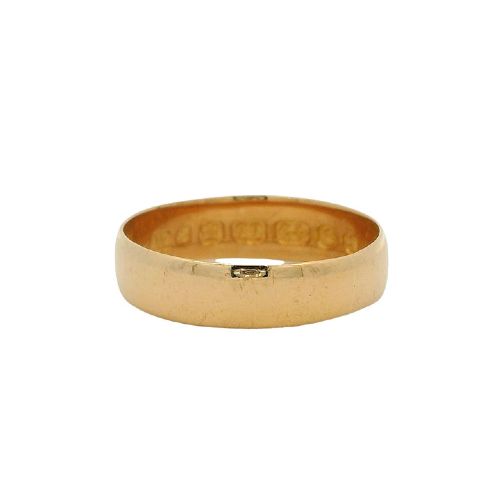
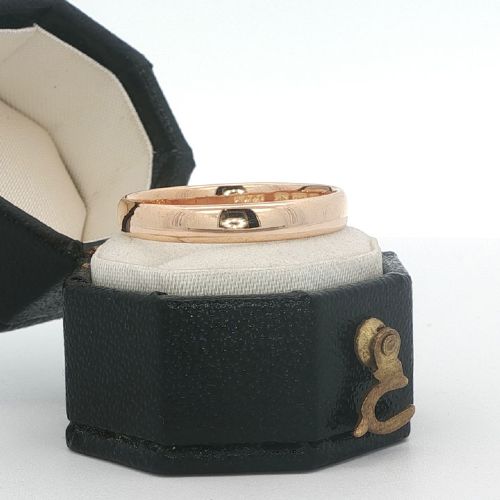
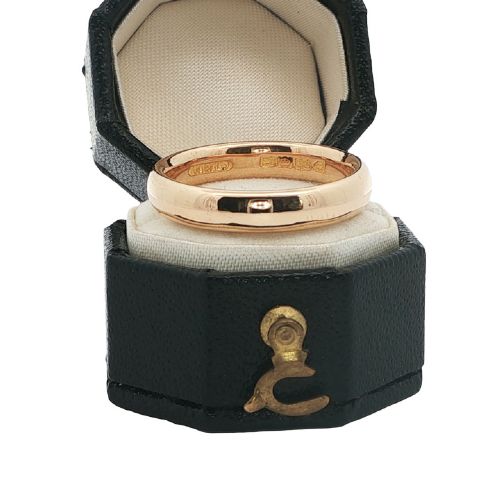
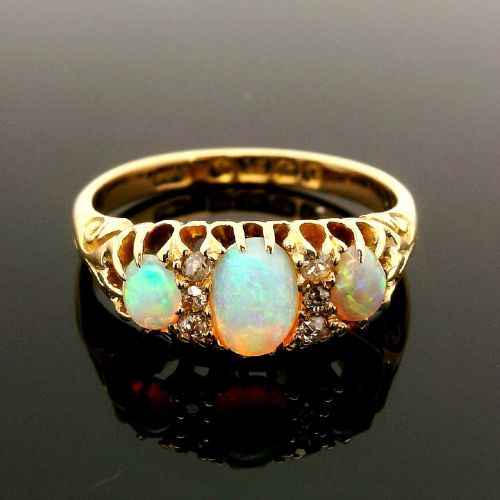
Hallmarked Gold Ring
Discover a hallmarked gold ring, uniting enduring craftsmanship with British assay office heritage.
Hallmarked Gold Ring
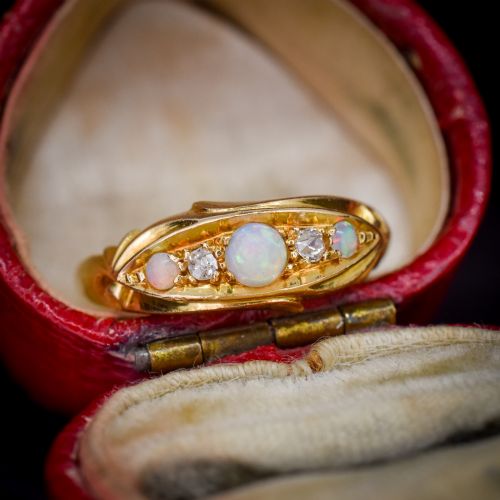
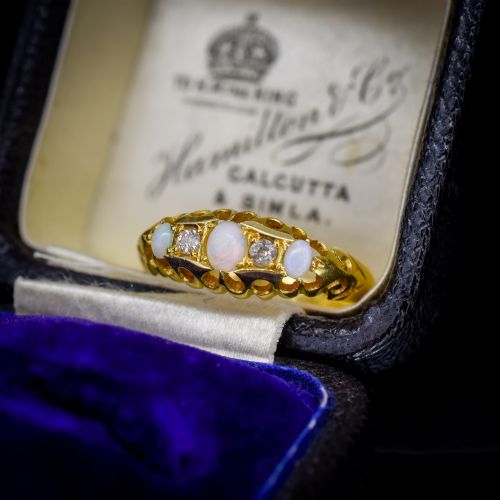
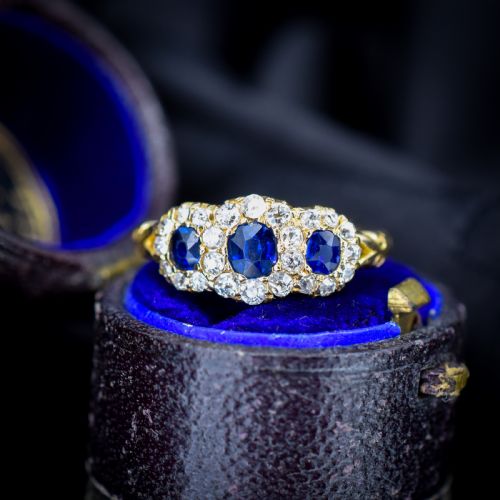
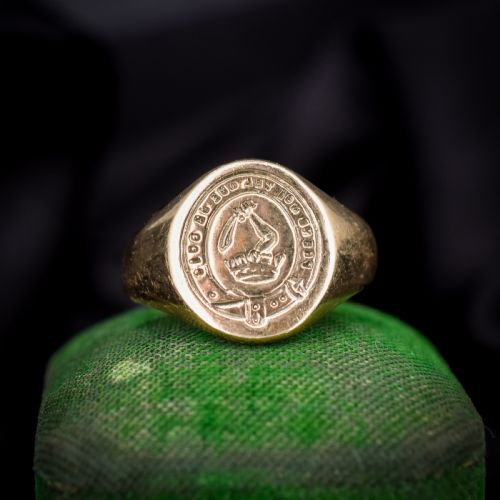
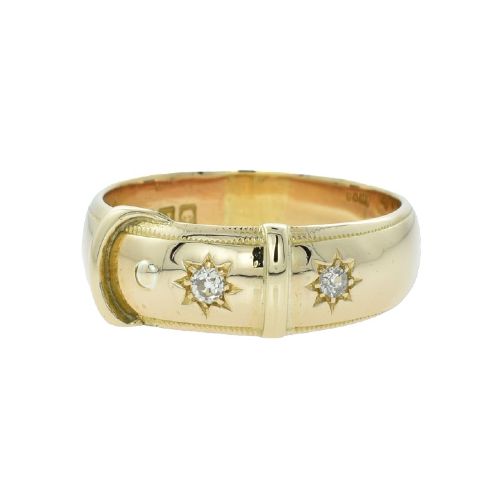
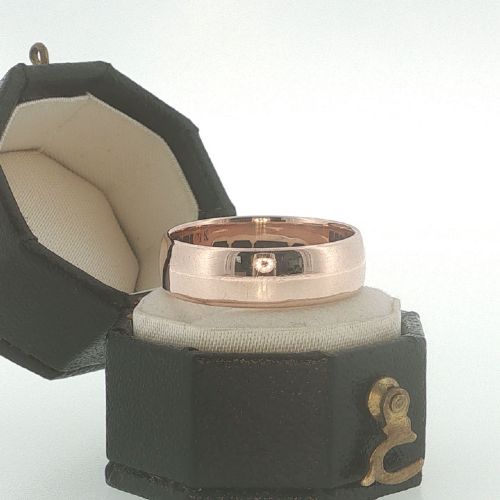
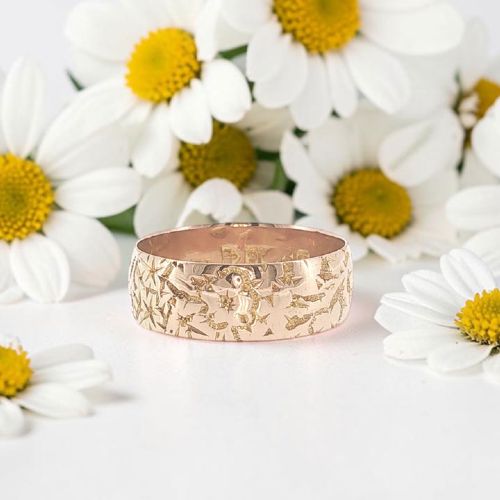
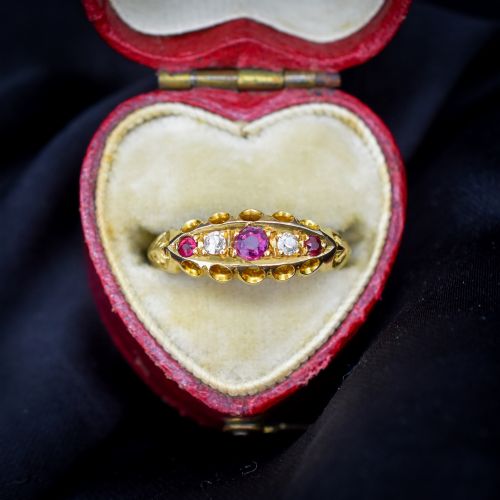
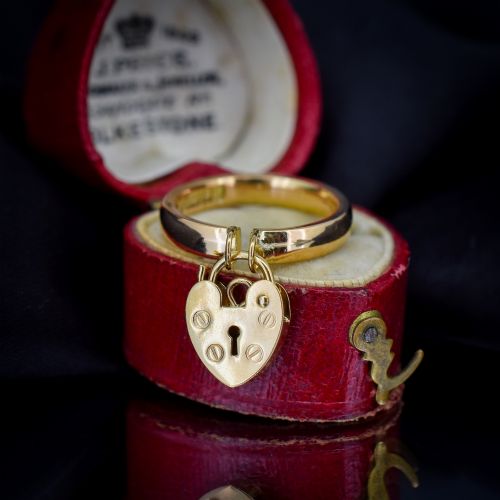
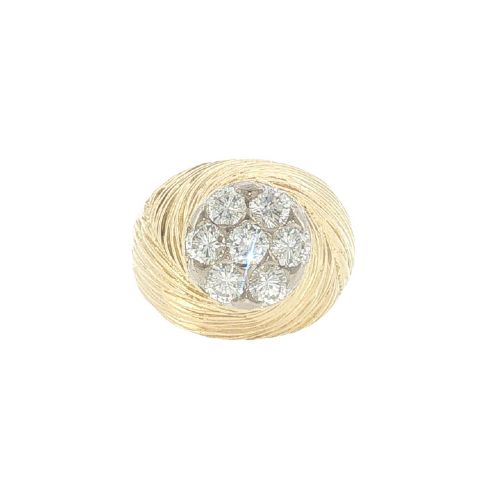
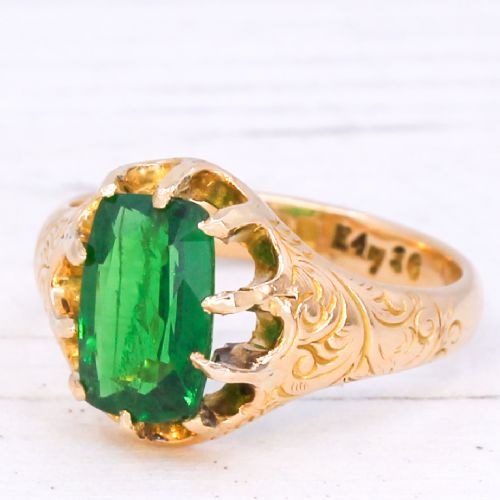
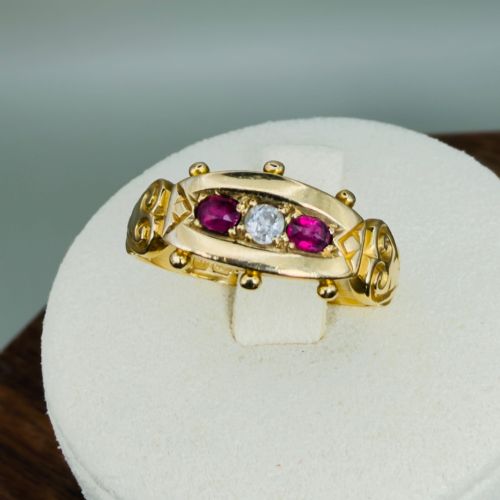
When searching for a hallmarked gold ring, buyers encounter pieces defined by official assay marks that verify metal purity and origin. These items span Victorian, Edwardian, and mid-century periods, showcasing forms from plain wedding bands to gem-set clusters.
Most examples originate from major British assay offices located in cities like London, Birmingham, and Chester. Collectors regularly find both everyday bands and ornate decorative rings bearing clear historical date letters.
How They Were Made
Goldsmiths utilised various grades of gold, predominantly nine-carat, eighteen-carat, and twenty-two-carat, shaped through casting, forging, and hand-finishing techniques. Wedding bands and signet rings typically relied on solid metal manipulation, while gem-set pieces employed precise claw and flush settings.
Assay office workers stamped completed items with official marks using traditional punches to guarantee alloy standards. Gemstones including old-cut diamonds, rubies, and sapphires were hand-selected and secured into the metal framework by skilled artisans.
Hallmarked Gold Ring Retail Price Guide 2026
Typical asking prices for hallmarked gold ring among the pieces listed under this phrase on Sellingantiques today, from the lower quarter to the upper quarter. They describe what is for sale here now, not the wider market.
Several rings feature tiny secret compartments or hidden serpent eyes carved from rose-cut diamonds to watch over the wearer.
What Varies in Quality
The standard of a hallmarked gold ring depends on the crispness of the assay stamps and the preservation of the original metal profile. Crisp, legible hallmarks alongside minimal wear to the shank indicate superior historical care.
Gemstone selection and setting integrity further differentiate pieces, with well-matched stones and secure mountings representing higher tiers of goldsmithing. Weight, gauge thickness, and intricacy of hand-carved details also distinguish standard production from exceptional examples.
Kutchinsky·Henry Griffiths·William Griffiths & Son
The Hallmarked Gold Ring Glossary
- Hallmark
- An official stamp applied by an assay office to indicate the purity of the metal and the year of testing. These marks provide reliable clues for dating British jewellery.
- Boat ring
- A historical ring style featuring a horizontally curved setting resembling the hull of a boat, popular during the Edwardian and late Victorian eras.
- Gypsy ring
- A style where gemstones are flush-set directly into a thick band that tapers smoothly toward the back. This design emerged in the nineteenth century for durability.
- Trilogy ring
- A ring set with three stones, traditionally representing the past, present, and future. They frequently combine diamonds with sapphires or rubies.
- Assay office
- An official organisation responsible for testing the purity of precious metals and stamping them with statutory marks. Major British offices include London, Birmingham, and Chester.
Hallmarked Gold Ring: Frequently Asked Questions
How do I read a British hallmark?
British hallmarks typically consist of a sponsor's mark, a standard purity mark indicating the carat weight, an assay office symbol, and a date letter.
Matching the specific letter font and shield shape against assay office records reveals the exact year the ring was tested and certified.
What is an old-cut diamond?
An old-cut diamond refers to stones shaped by hand before modern automated cutting techniques were standardised in the early twentieth century.
These diamonds possess smaller tables, higher crowns, and larger culets, producing a distinctive, softer candlelight scintillation.
Can I wear an antique gold ring daily?
Many solid gold antique rings are robust enough for everyday wear, provided the band maintains sufficient thickness and the stone settings remain secure.
Heavier twenty-two-carat wedding bands and substantial signet rings handle daily use particularly well, while delicate Edwardian cluster settings benefit from more careful rotation.