
Antique Gold Solitaire
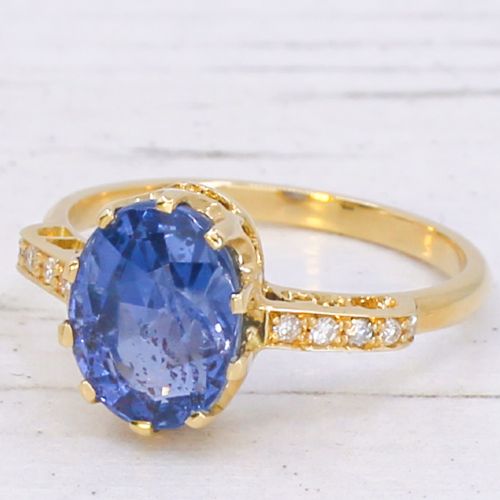
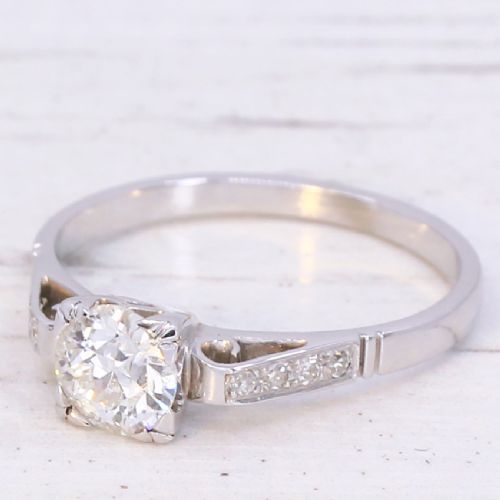
An antique gold solitaire centres on a single stone, offering a timeless design that appeals to those who value understated elegance in jewellery.
Antique Gold Solitaire
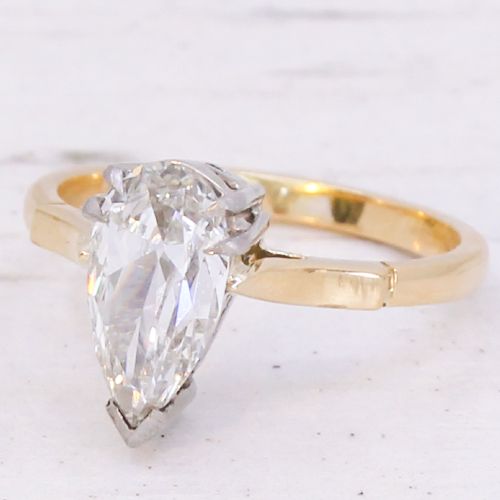
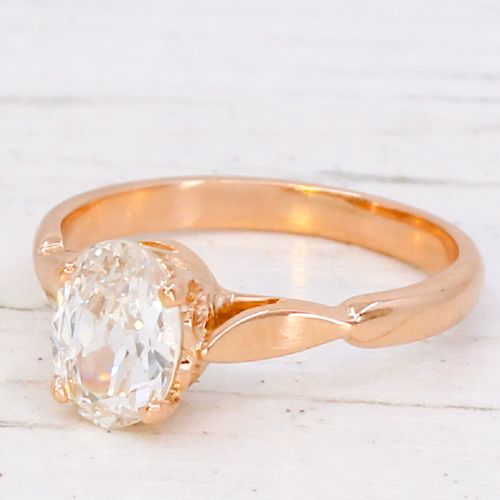
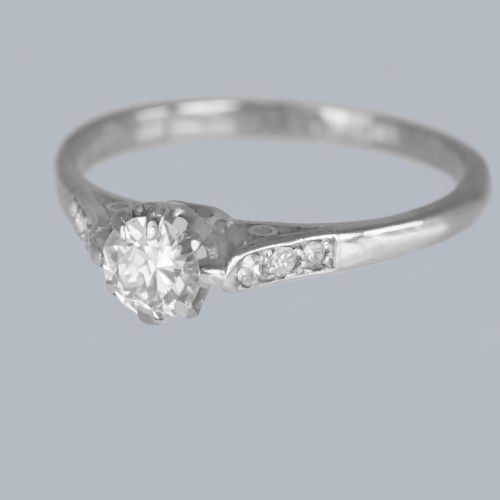
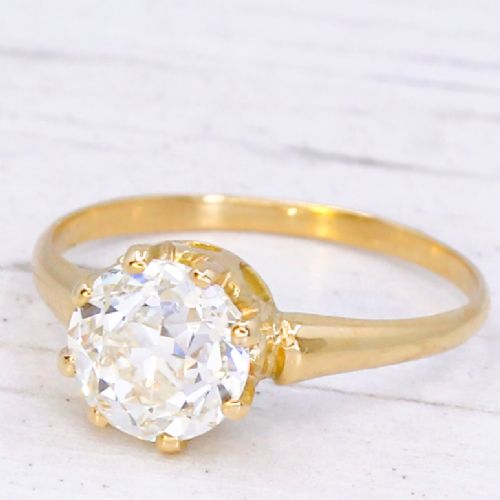
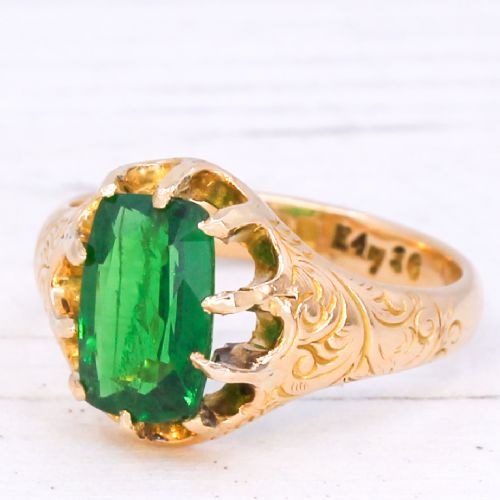
An antique gold solitaire brings together a single prominent gemstone set within a precious metal band, most frequently encountered as a ring designed for engagement or everyday wear. The selection includes pieces spanning the Georgian, Victorian, Edwardian, and Art Deco periods, alongside mid-century examples.
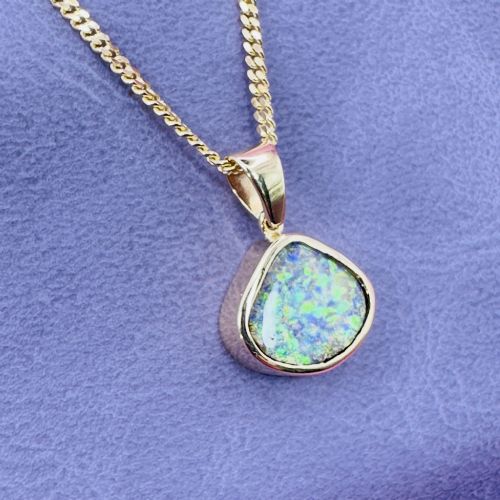
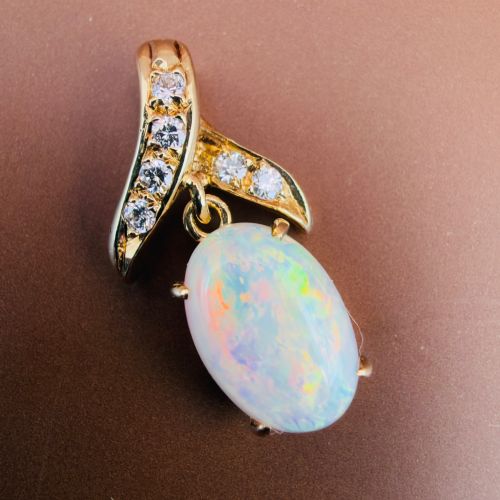
While rings dominate the available forms, the category also encompasses pendants and necklaces showcasing a solitary stone. The central focus remains entirely on the singular gem, allowing its cut and character to dictate the piece's visual impact.
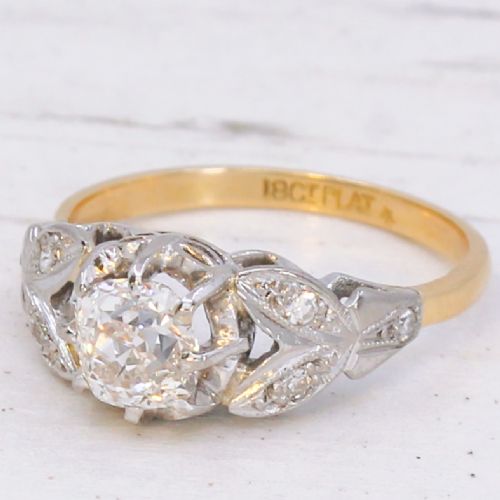
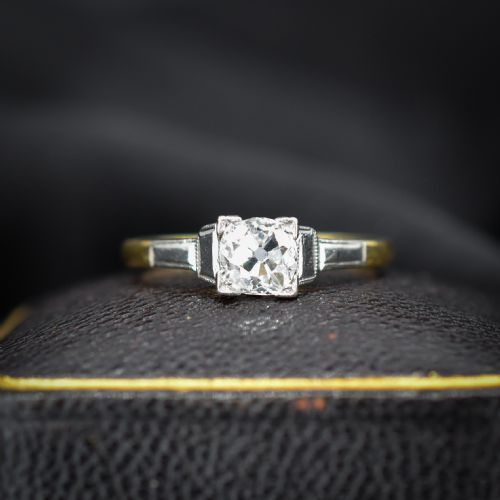
Originating across the nineteenth and twentieth centuries, these items reflect the shifting stylistic preferences of their eras, moving from the heavy gold settings of the Victorian period to the geometric platinum and gold mountings of the Art Deco movement.
What Varies in Quality
The overall quality rests significantly on the selection and condition of the central gemstone, where clarity, depth of colour, and the precision of the hand-cut facets determine the brilliance of the piece. Older cuts like the old European or old mine cut display unique light play that differs markedly from later brilliant cuts.
The craftsmanship of the metal setting itself dictates the longevity and refinement of the item, with robust claw work, clean bezel wraps, and intact decorative shoulders reflecting the maker's skill. Well-preserved hallmarks and minimal wear to the gold or platinum band further distinguish finer examples from heavily worn pieces.
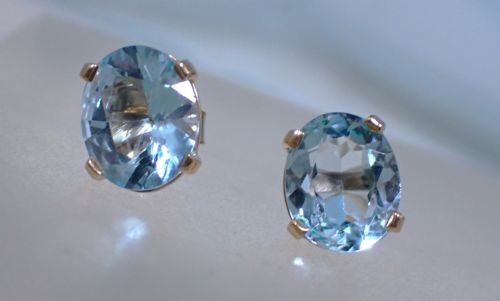
Listings feature items from the Georgian, Victorian, Edwardian, Art Deco, and mid-century periods, utilising gold, platinum, diamonds, and opals.
The Antique Gold Solitaire Glossary
- Solitaire
- A piece of jewellery featuring a single prominent gemstone without surrounding smaller stones. This design directs all visual attention to the central gem.
- Old European Cut
- An early form of brilliant cut diamond popular from the late nineteenth into the mid-twentieth century. It is characterised by a small table, a high crown, and a noticeable open culet.
- Cabochon
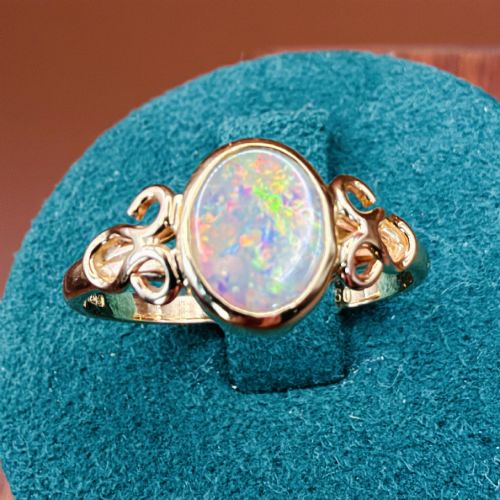
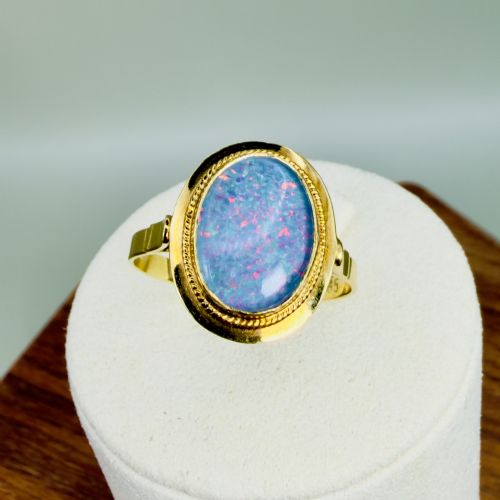
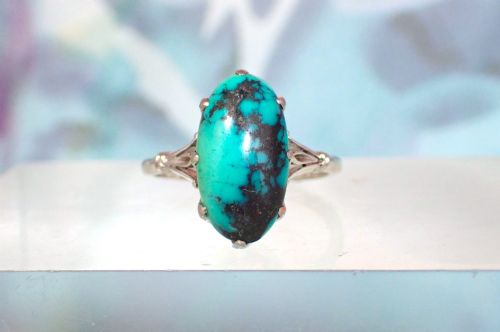
- A gemstone shaped and polished with a smooth, rounded convex surface rather than faceted edges. This style is frequently used for opals, jade, and turquoise.
- Bezel Setting
- A method of holding a gemstone in place with a thin metal collar that wraps around the stone's perimeter. It offers secure protection for the edges of the gem.
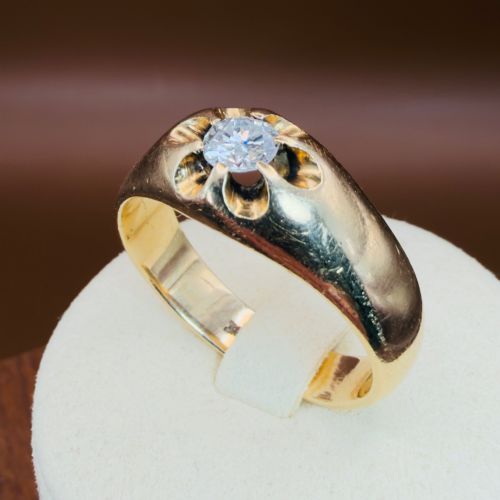
- Gypsy Setting
- A style where the gemstone is flush-set directly into the thick metal band of the ring. The surrounding gold is tapered up to meet the girdle of the stone.
Antique Gold Solitaire: Frequently Asked Questions
What is an antique gold solitaire?
An antique gold solitaire is a piece of jewellery, most commonly a ring, featuring a single gemstone set in a gold or combined gold and platinum band. These pieces date from historical periods ranging from the Georgian era through to the mid-twentieth century.
The design prioritises the individual stone, allowing the natural characteristics of diamonds, opals, or coloured gemstones to take centre stage. Each piece carries the distinct craftsmanship of its specific era.
How do I care for antique gold jewellery?
Caring for antique gold and gemstone pieces involves gentle cleaning with warm soapy water and a soft brush, avoiding harsh chemical dips or ultrasonic cleaners. Many older stones, particularly opals, require careful handling to prevent damage from sudden temperature changes.
Storing each piece separately in a lined box prevents the metal and stones from scratching against other items. Regular inspection by a professional jeweller ensures that settings and claws remain secure.
How can I tell the period of a ring?
Dating a ring involves examining the style of the metalwork, the mounting technique, and the cut of the central gemstone. Georgian and Victorian pieces often feature heavy yellow gold or closed-back settings, while Edwardian and Art Deco examples frequently utilise platinum-topped gold and geometric motifs.
Hallmarks stamped inside the band provide official assay office marks and date letters that pinpoint the exact year of creation. Comparing the construction methods to known historical periods confirms the age of the piece.
Can these be resized easily?
Resizing an antique gold solitaire depends heavily on the construction of the band and the presence of stones set into the shoulders. A plain gold band from the Victorian or Edwardian eras can typically be altered by a skilled jeweller without compromising integrity.
Pieces with intricate gallery work or channel-set diamonds along the band require specialist care to adjust the size safely. Consulting a jeweller experienced in antique pieces ensures the original hallmarks and structural balance are preserved.