
Edwardian Credenza Cabinet
These edwardian credenza cabinet pieces bring refined storage to a room, spanning Edwardian forms and related sideboards.
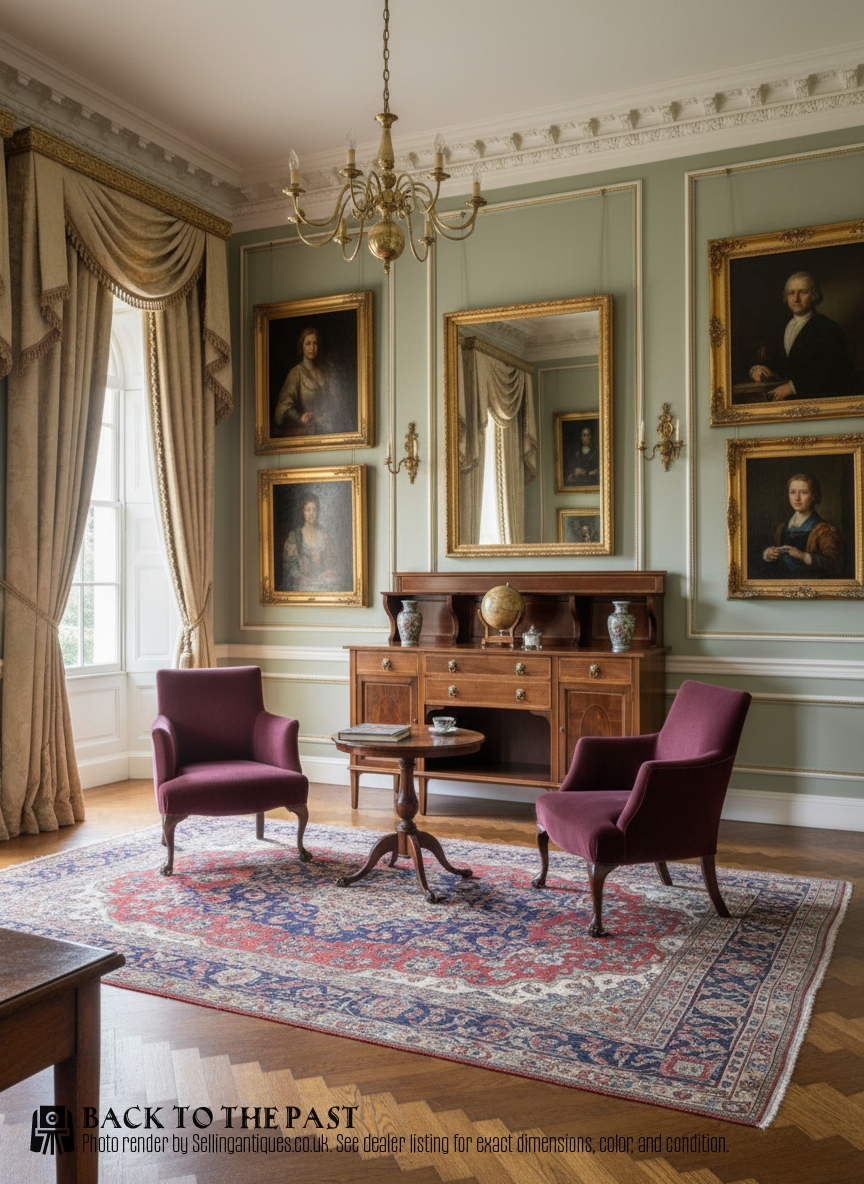
Edwardian Credenza Cabinet
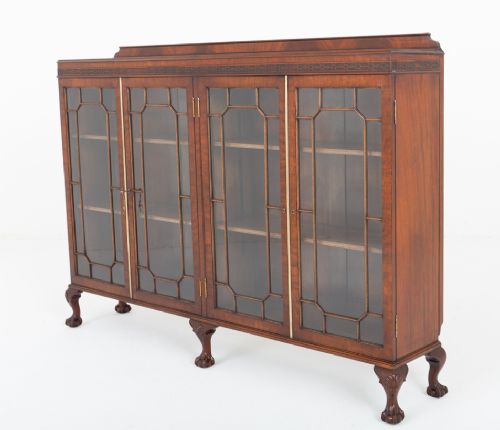
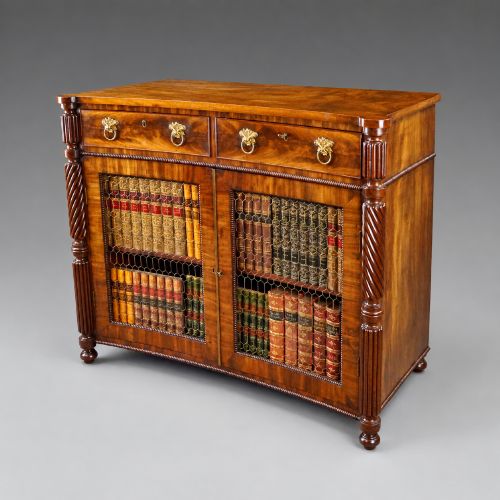
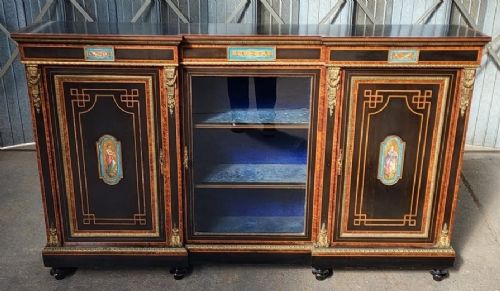
An edwardian credenza cabinet combines display space and enclosed storage within formal domestic interiors. The pieces on this page draw from Edwardian manufacture, alongside related Victorian and early twentieth-century examples.
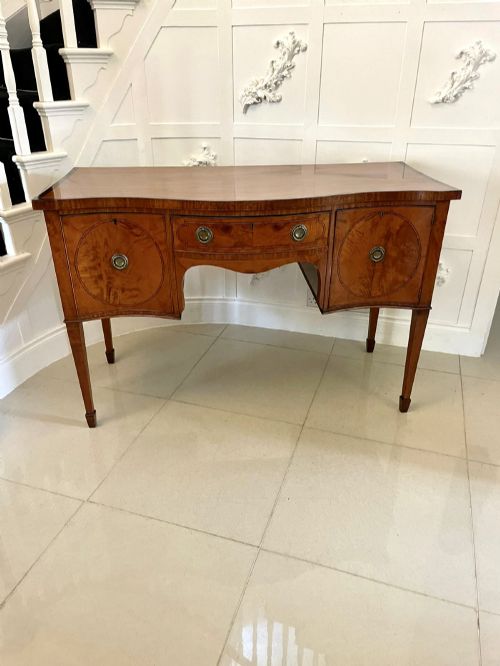
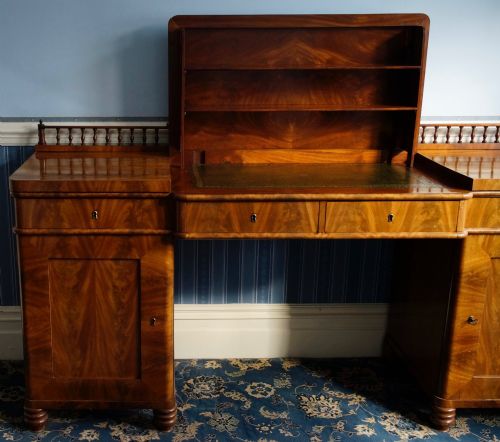
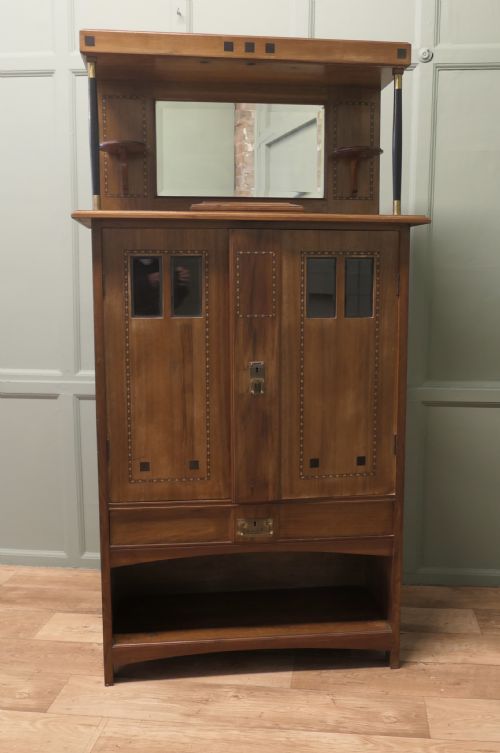
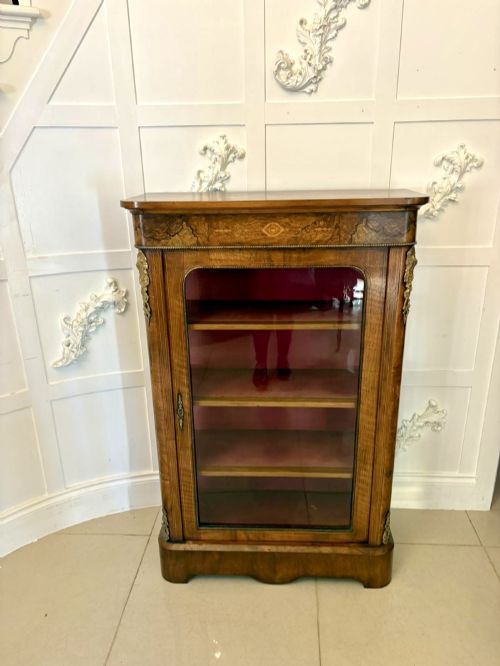
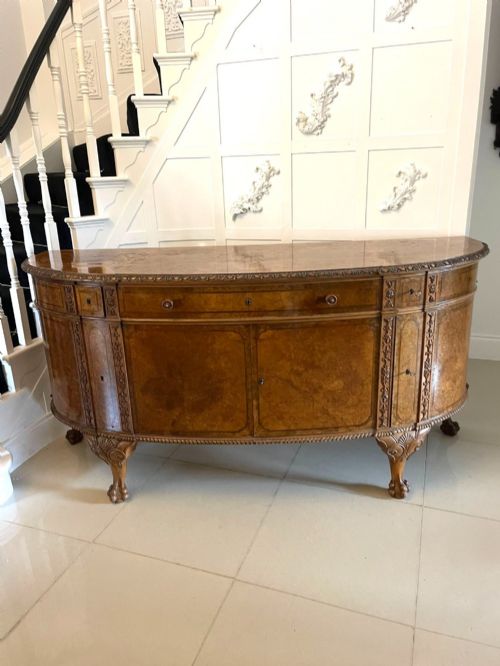
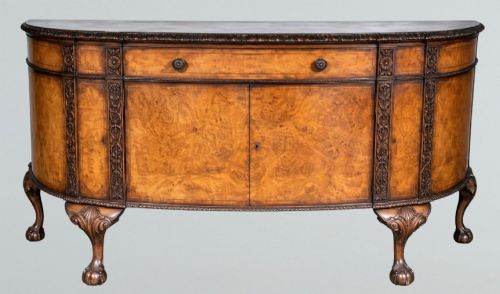
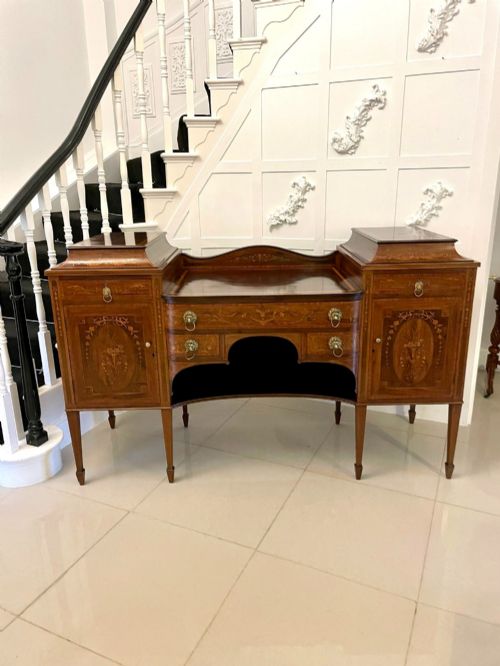
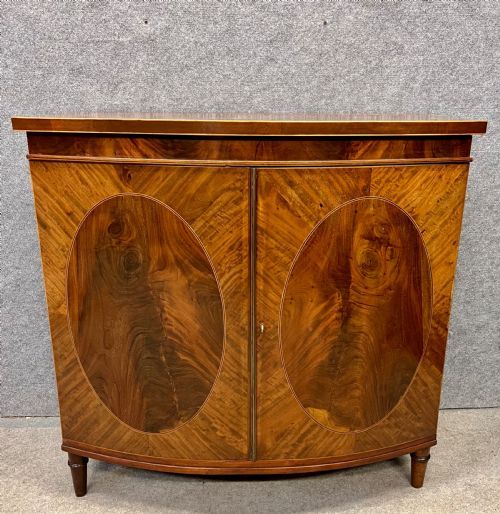
Makers produced these forms in formats ranging from demi-lune cabinets to glazed sideboards and low cupboards. Mahogany, oak and burr walnut dominate the structural choices across these periods.
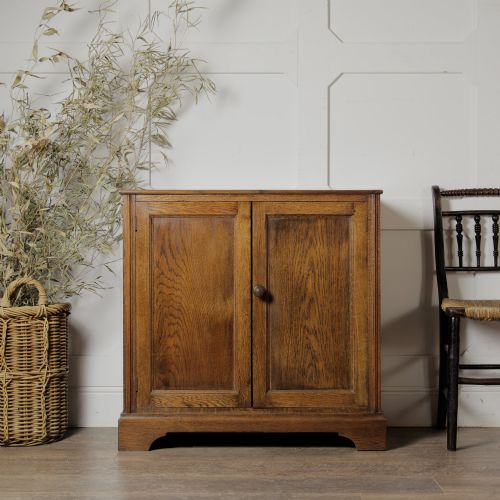
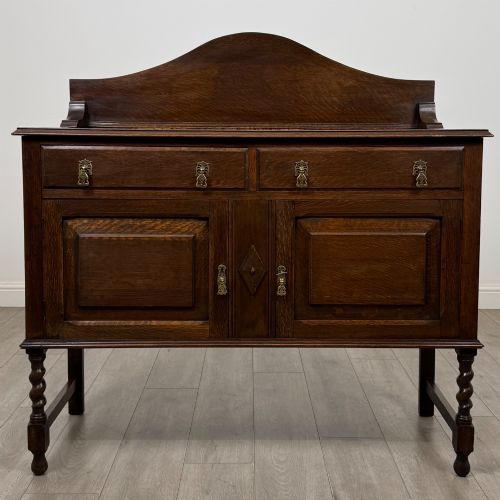
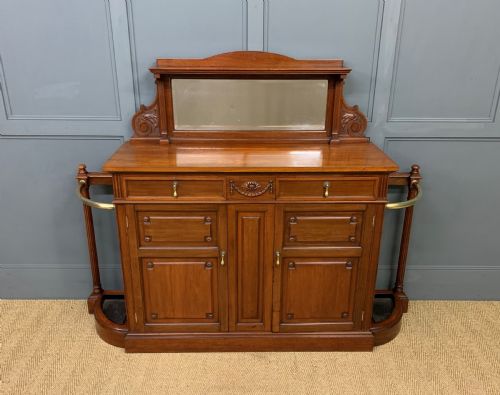
Revival styles such as Sheraton Revival and Arts and Crafts sit alongside standard Edwardian pieces. Buyers encounter both compact display cabinets and larger sideboards adapted for dining rooms and hallways.
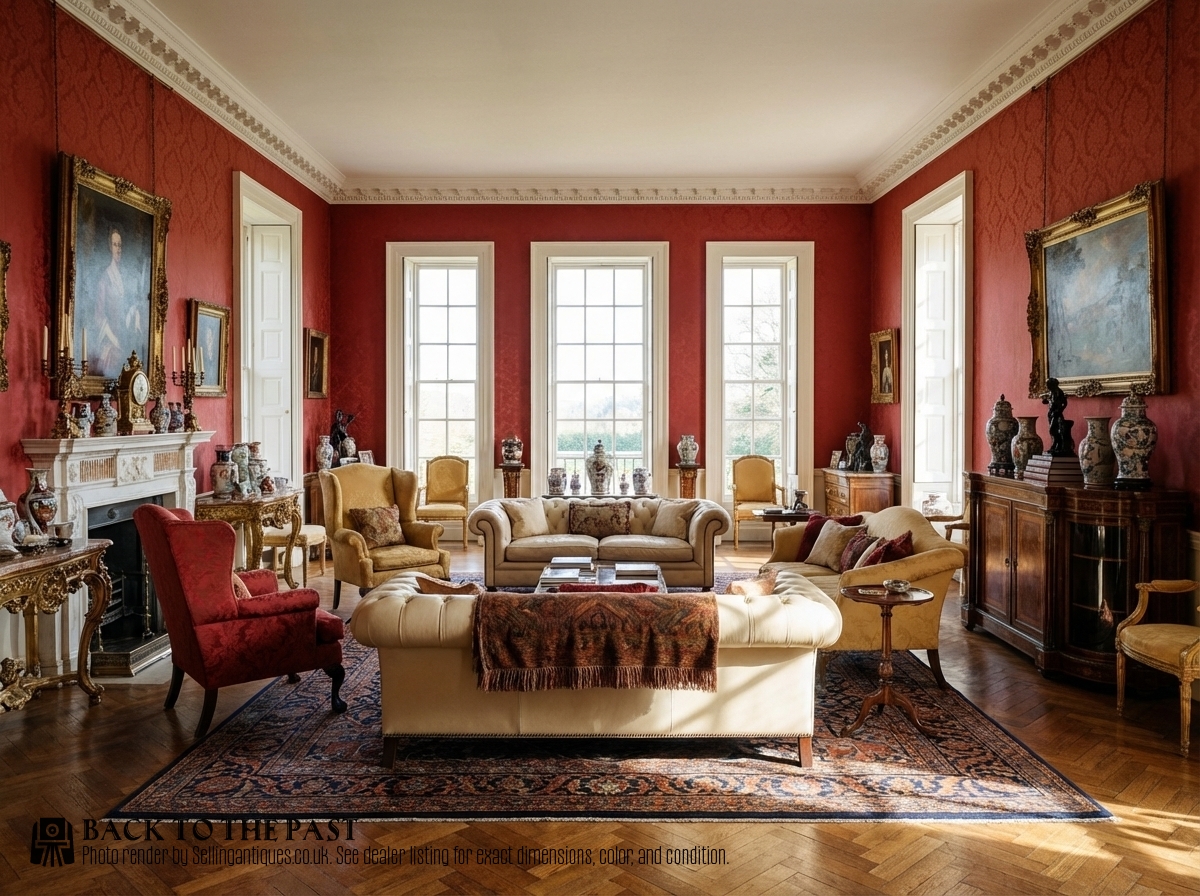
Materials and Technique
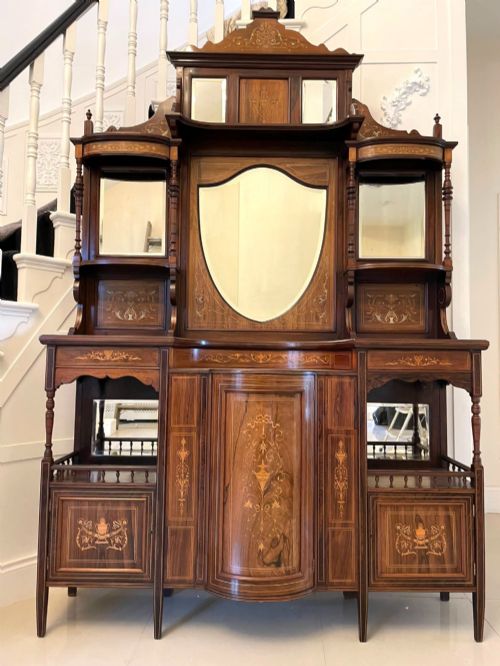
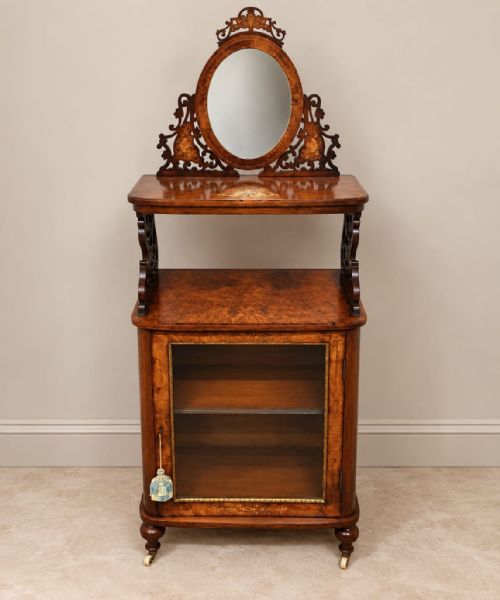
Cabinet makers utilised solid timbers alongside figured veneers such as burr walnut, mahogany and satinwood. Carved details and inlaid marquetry frequently decorate the primary surfaces.
Glazing panels protect display interiors, while brass fittings and ormolu mounts secure doors and drawers. Oak serves as a sturdy foundation for Arts and Crafts and revival iterations.
Edwardian Credenza Cabinet Retail Price Guide 2026
Typical asking prices for edwardian credenza cabinet among the pieces listed under this phrase on Sellingantiques today, from the lower quarter to the upper quarter. They describe what is for sale here now, not the wider market.
One walnut sideboard comes accompanied by a twelve piece cutlery set, ready for immediate service.
Judging Quality
Superior examples display careful timber selection, particularly in figured mahogany and burr walnut veneers. The crispness of inlaid marquetry and carved ornamentation distinguishes finer workshops from standard production.
Structural integrity relies on sound joints and original hardware, including brass mounts and locks. Well-executed secondary timbers and precise drawer linings indicate superior craftsmanship.
Hewetsons London·Shoolbred and Co·Edward Barnsley·Ambrose Heal·Whytock and Reid
The Edwardian Credenza Cabinet Glossary
- Credenza
- A sideboard or display cabinet originally used for serving food or displaying plate. These pieces often feature glass doors and enclosed cupboards.
- Marquetry
- Decorative veneer work formed by fitting pieces of various coloured woods into a design. This technique adorns many Edwardian and Victorian cabinet surfaces.
- Demi-lune
- A half-moon shape characteristic of certain sideboards and cabinets designed to fit flush against a wall. These pieces often feature painted satinwood or inlaid mahogany.
- Ormolu
- Gilded bronze mounts applied to furniture for decorative effect. Makers utilised these mounts to accent ebonised and walnut cabinets.
- Barley twist
- A turning technique producing a spiral column shape found on oak sideboards and cupboards. This decorative turning became popular during revival periods.
Edwardian Credenza Cabinet: Frequently Asked Questions
What is an edwardian credenza cabinet?
An edwardian credenza cabinet is a storage and display piece originating from the early twentieth century. These items typically feature timber construction with enclosed cupboards and sometimes glazed doors.
Such furniture served practical and decorative functions in formal rooms. They accommodate tableware, display items and linens while anchoring a room's decorative scheme.
Where should I place a credenza cabinet?
These cabinets suit dining rooms, living spaces and generous hallways. Their flat tops provide space for lamps, books or decorative objects.
Consider the clearance required for opening doors or drawers. Positioning the piece away from direct sunlight protects polished wood and delicate veneers.
How do I care for antique timber?
Dust surfaces regularly with a soft, dry cloth to prevent grit accumulation. Apply appropriate wax polish sparingly to maintain the timber's natural lustre.
Keep wooden cabinets away from radiators and damp environments. Stable room temperatures prevent the wood and veneers from splitting or warping over time.
How do I distinguish Edwardian from Victorian pieces?
Edwardian furniture generally exhibits lighter timbers, simpler lines and restrained inlay work. Victorian pieces often display heavier proportions, darker woods and more elaborate carving.
Revival styles bridge these eras, borrowing motifs from earlier centuries. Examining the interior construction and secondary woods helps clarify the manufacturing period.