


Edwardian Counter Showcase
An edwardian counter showcase frames merchandise behind glass to catch the eye of the customer.
Edwardian Counter Showcase
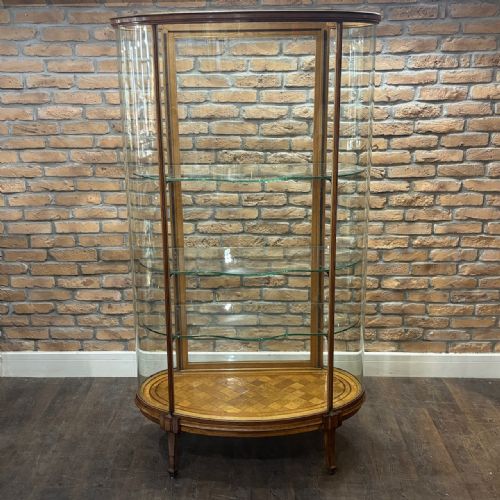
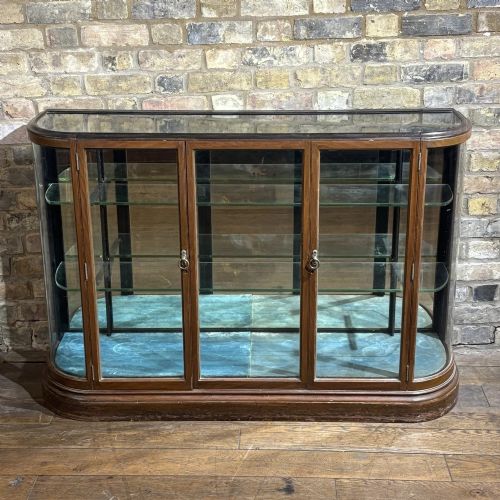
An edwardian counter showcase sits on top of shop furniture or forms the counter itself, designed for retail display. The most common examples on this page are mahogany and oak countertop display cabinets dating from the Edwardian period and early twentieth century.
Many specimens survive with original branding or later sign-written decoration relating to confectionery and household goods. These pieces range from small table top units to large freestanding shop display counters.
Materials and Construction
Makers built these commercial cases using solid timbers like mahogany and oak, paired with large sheets of glass to maximise visibility. Brass hardware, locks and mirrored interiors frequently appear to assist functionality.
Some configurations incorporate bow ends, drawers or specialised internal fittings suited to specific goods such as chocolate, pencils or apothecary items.
Keep an eye out for dedicated pencil dispensers among the sweet shop counters.
Assessing Quality
The distinction between standard commercial units and superior examples lies in the timber selection and the sophistication of the joinery. Bow ends, fine brass fittings and mirrored backs indicate higher production standards.
Original maker branding, such as works by F. Sage and Co, alongside crisp sign-writing, elevates the historical interest of a piece.
F Sage And Co
The Edwardian Counter Showcase Glossary
- Countertop display cabinet
- A glazed case designed to sit upon a shop counter for retail merchandising. These units protect small goods while keeping them visible to buyers.
- Bow end
- A curved glass end on a cabinet that softens the silhouette and allows viewing from multiple angles. This feature requires specialist glazing techniques.
- Mirrored interior
- A mirrored back panel placed inside a cabinet to reflect light and multiply the visual presence of the displayed stock. It brightened darker Edwardian shop interiors.
- Sign-written decoration
- Hand-painted lettering on glass or timber advertising commercial brands such as chocolate or cocoa. This lettering can be contemporary to the piece or applied later.
Edwardian Counter Showcase: Frequently Asked Questions
What were counter showcases used for?
Shopkeepers used these glazed cases on counters to exhibit small valuable goods, sweets and tobacco products directly to customers.
The glass protected merchandise from handling while keeping items in plain view to encourage impulse purchases.
How do I date an Edwardian showcase?
Dating relies on timber choices, construction methods and stylistic cues matching the late nineteenth and early twentieth centuries.
Makers marks and brand associations on sign-written panels also help narrow the production era.
Are these cases suitable for modern homes?
These cabinets function well in domestic settings for displaying collections, ceramics or jewellery on tabletops and sideboards.
The glass protection keeps dust away from delicate items while adding period character to a room.
Why do some cabinets feature brand names?
Manufacturers supplied branded display units to retailers to promote specific commercial products like chocolate or cocoa.
Some examples carry later sign-writing applied after the original manufacture.