

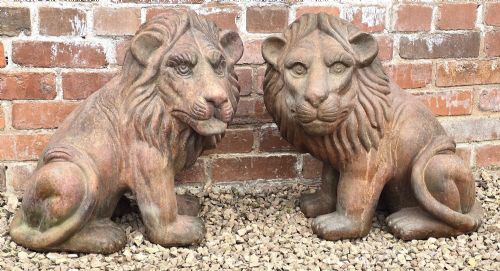
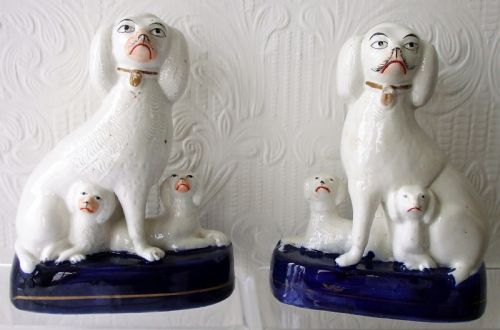

Edwardian Ceramic Pair
An edwardian ceramic pair brings symmetry and balanced decoration to a room, uniting matching pottery forms from the turn of the twentieth century.
Edwardian Ceramic Pair
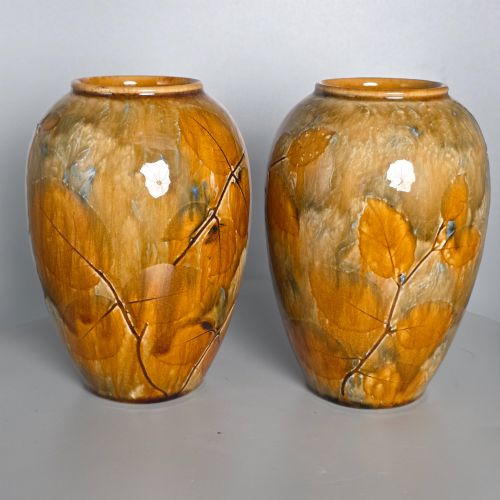
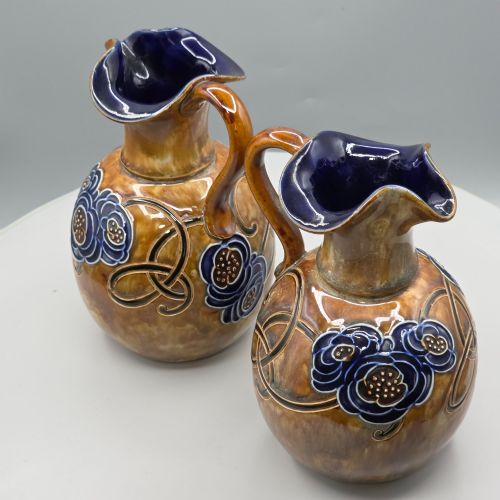
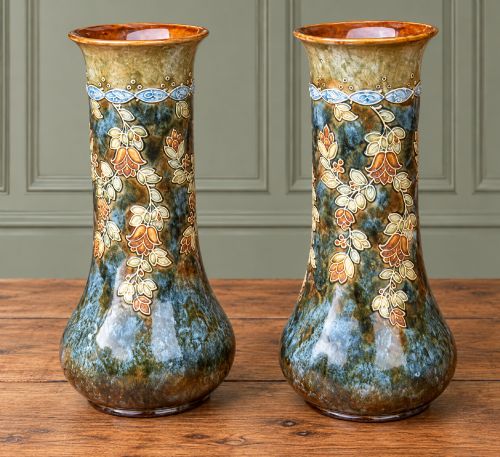
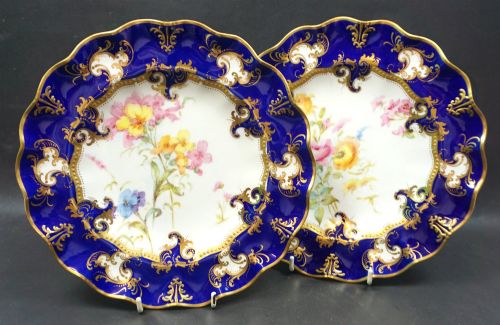
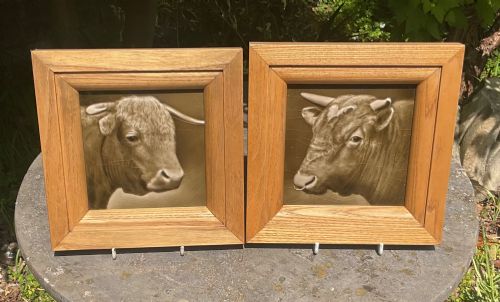
When searching for an edwardian ceramic pair, collectors encounter matched sets of vases, jugs, plates, and figures originating around the early twentieth century. These objects reflect the dominant aesthetic movements of the era, spanning domestic mantelpiece ornaments to decorative tableware.
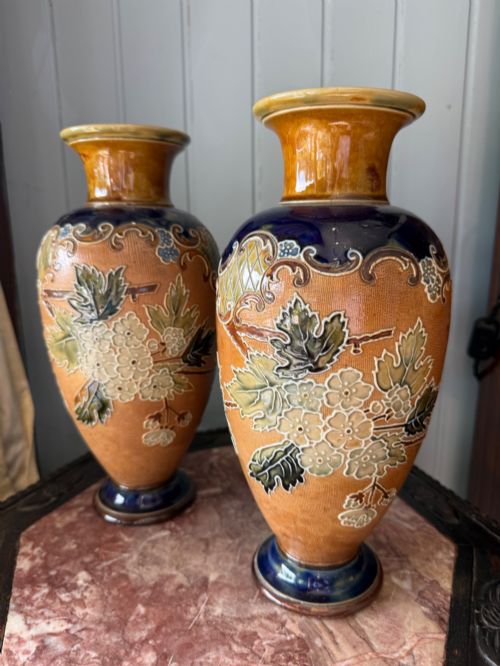
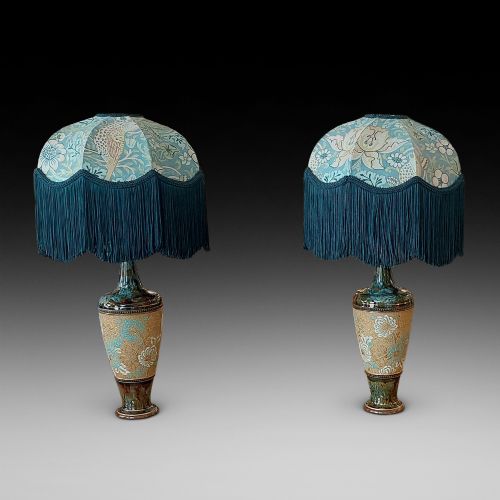
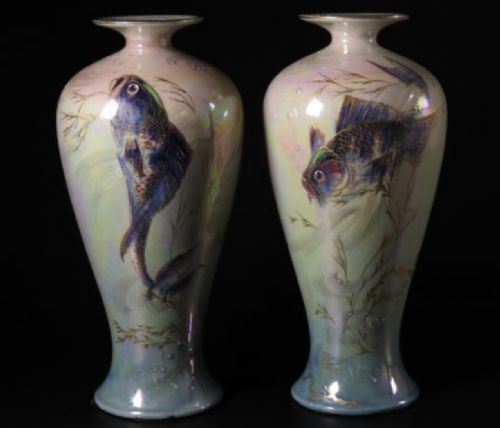
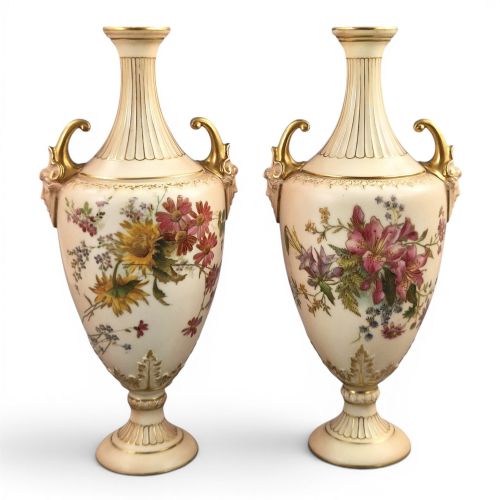
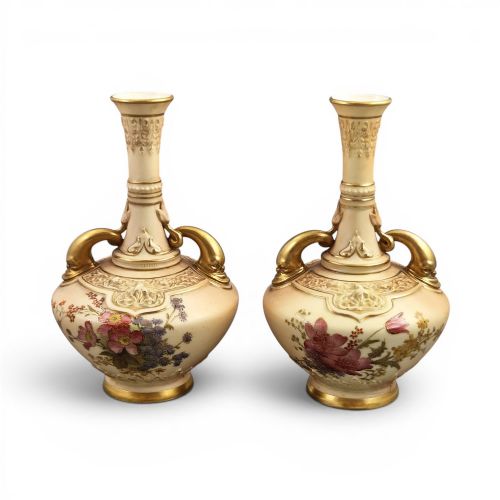
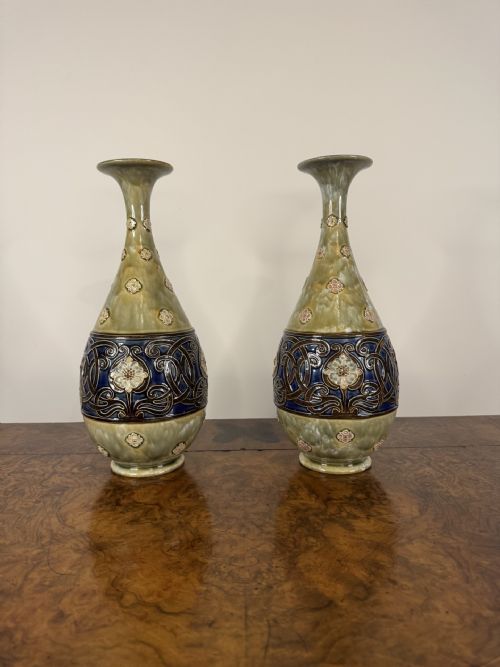
The most common versions met on this page include stoneware and porcelain vases decorated in Art Nouveau and Arts and Crafts styles. Makers often produced these symmetrical duos to flank a fireplace or centrepiece, ensuring each item mirrors the other in profile and palette.
How they were made
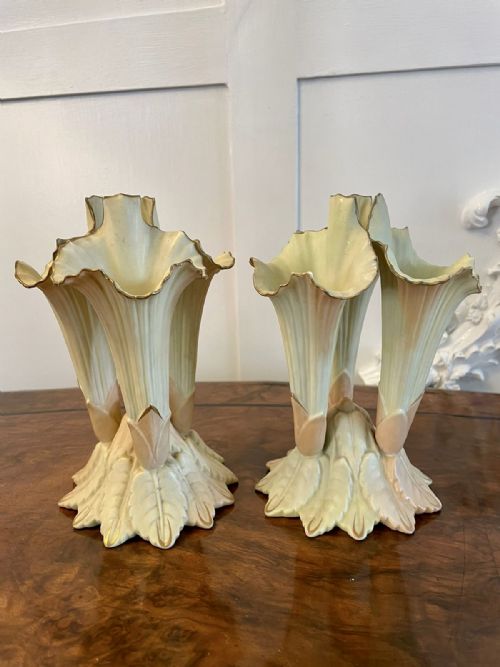
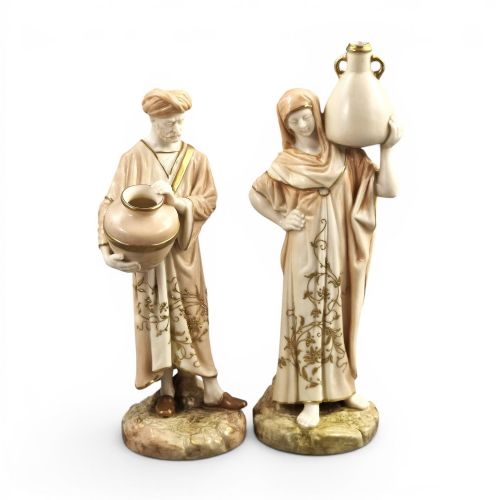
Potters shaped these vessels using earthenware, stoneware, and fine porcelain bodies, often employing moulds for symmetrical figures and baluster forms. Glazes ranged from smooth white blush ivory surfaces to textured low-relief metallic finishes and rich turquoise tones.
Hand-painting and enamel decoration applied over or under the glaze brought intricate botanical and animal motifs to life. Artisans also utilised gold leaf and lustre techniques to catch the light on cabinet plates and specialised art pottery.
Edwardian Ceramic Pair Retail Price Guide 2026
Typical asking prices for edwardian ceramic pair among the pieces listed under this phrase on Sellingantiques today, from the lower quarter to the upper quarter. They describe what is for sale here now, not the wider market.
Listings feature works spanning the Victorian era through the Art Deco period, utilising porcelain, stoneware, and earthenware.
What varies in quality
The division between standard production wares and exceptional studio pieces rests on the crispness of the modelled relief and the control of the kiln firing. Master decorators executed hand-painted scenes with notable precision, whilst lesser examples relied on simple transfer printing.
Artisans signed the finest studio and factory pieces, indicating named authorship that elevates the artistic ambition of the pair. The depth of the glaze and the complexity of the body shape distinguish ordinary domestic items from ambitious exhibition pieces.
Royal Doulton·Royal Crown Derby·Locke & Co·Royal Worcester·James Hadley·Walter Slater·Louisa Wakely·Sherwin & Cotton·TG Green·Minton Hollins·Royal Dux·Minton·Chivers·Mason·Wedgwood·C. Baldwyn·Ethel Beard·Losol·Reginald Robert Tomlinson·Compton Pottery
The Edwardian Ceramic Pair Glossary
- Blush ivory
- A matte cream-coloured ceramic body developed by Royal Worcester that mimics the warm tone of elephant ivory. It provides a soft ground for delicate hand-painted floral motifs.
- Stoneware
- A heavy, dense pottery fired at high temperatures until vitrified and rendered waterproof. It accepts salt glazes and rich coloured slips common in Arts and Crafts production.
- Ironstone
- A patented ceramic type invented for durability, bridging earthenware and porcelain. It offers a dense, heavy structure suited to decorative plates and jugs.
- Jasper
- A fine-grained, unglazed stoneware developed by Wedgwood, typically featuring a coloured background with applied white classical reliefs in contrasting hues.
- Lustre
- A metallic glaze finish that creates an iridescent sheen on the ceramic surface. It reflects light with a warm metallic glow when fired in a reduced oxygen kiln environment.
Edwardian Ceramic Pair: Frequently Asked Questions
How do I display a ceramic pair?
Symmetrical placement on a mantelpiece, sideboard, or side table highlights the matching forms and shared decoration of the set. Keeping both items together preserves their original intended visual balance.
Positioning the pieces with adequate space around them allows the individual details of the glaze and modelling to remain visible from multiple angles in the room.
Were these pieces used daily?
Many objects served functional roles as tobacco jars, candlesticks, or water carriers before transitioning into purely decorative display pieces over time. Others were designed strictly as cabinet plates or mantel vases from manufacture.
Evaluating the interior of vessels and the presence of wear helps determine whether an item saw active domestic service or remained protected on display.
How are different periods told apart?
Stylistic cues such as flowing organic lines indicate Art Nouveau influences from the turn of the century, whilst geometric patterns often point toward later Art Deco periods. Factory backstamps and impressed registry marks provide definitive chronological markers for dating.
Material choices also shift across decades, moving from ornate Victorian relief moulding toward cleaner Arts and Crafts simplicity.
What is a near pair?
A near pair consists of two items that match closely in size, form, and decoration but originated as separate pieces rather than a single factory set. Subtle variations in hand-painting or firing often reveal this distinction upon close inspection.
Collectors appreciate near pairs when the visual harmony matches the strict requirements of a true factory-produced duo.