



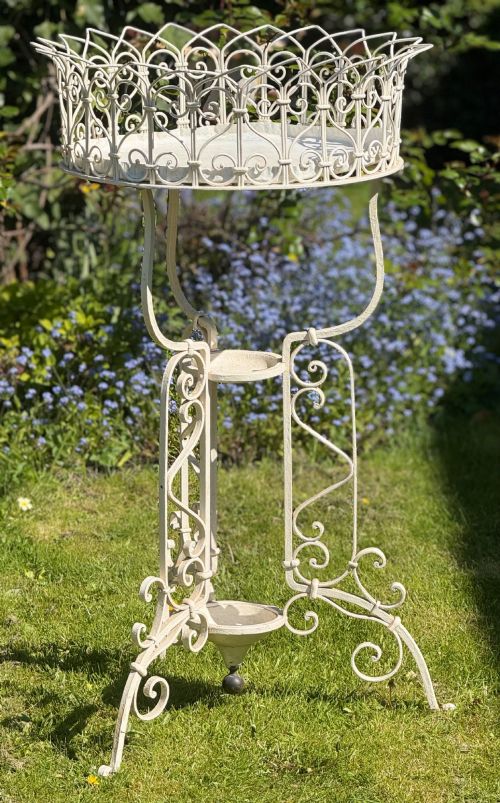
Antique Flower Holder
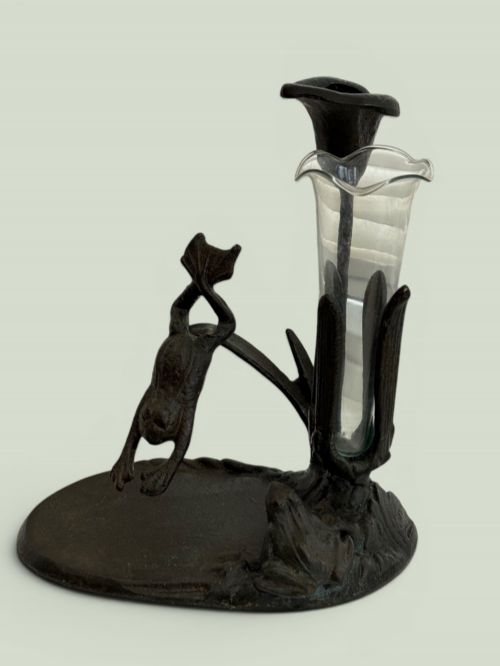
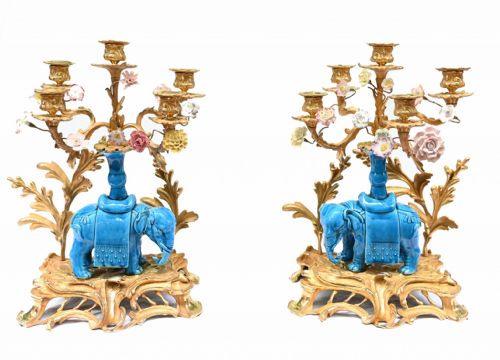
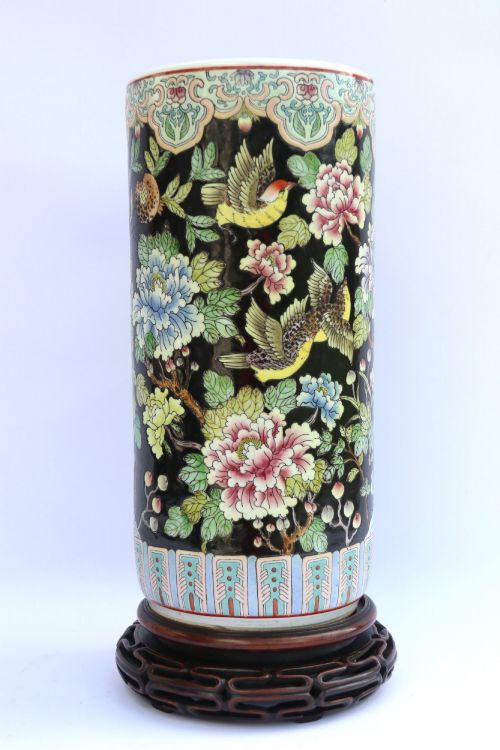
An antique flower holder brings botanical display into domestic spaces through forms spanning delicate porcelain posy vases to sturdy copper jardinieres.
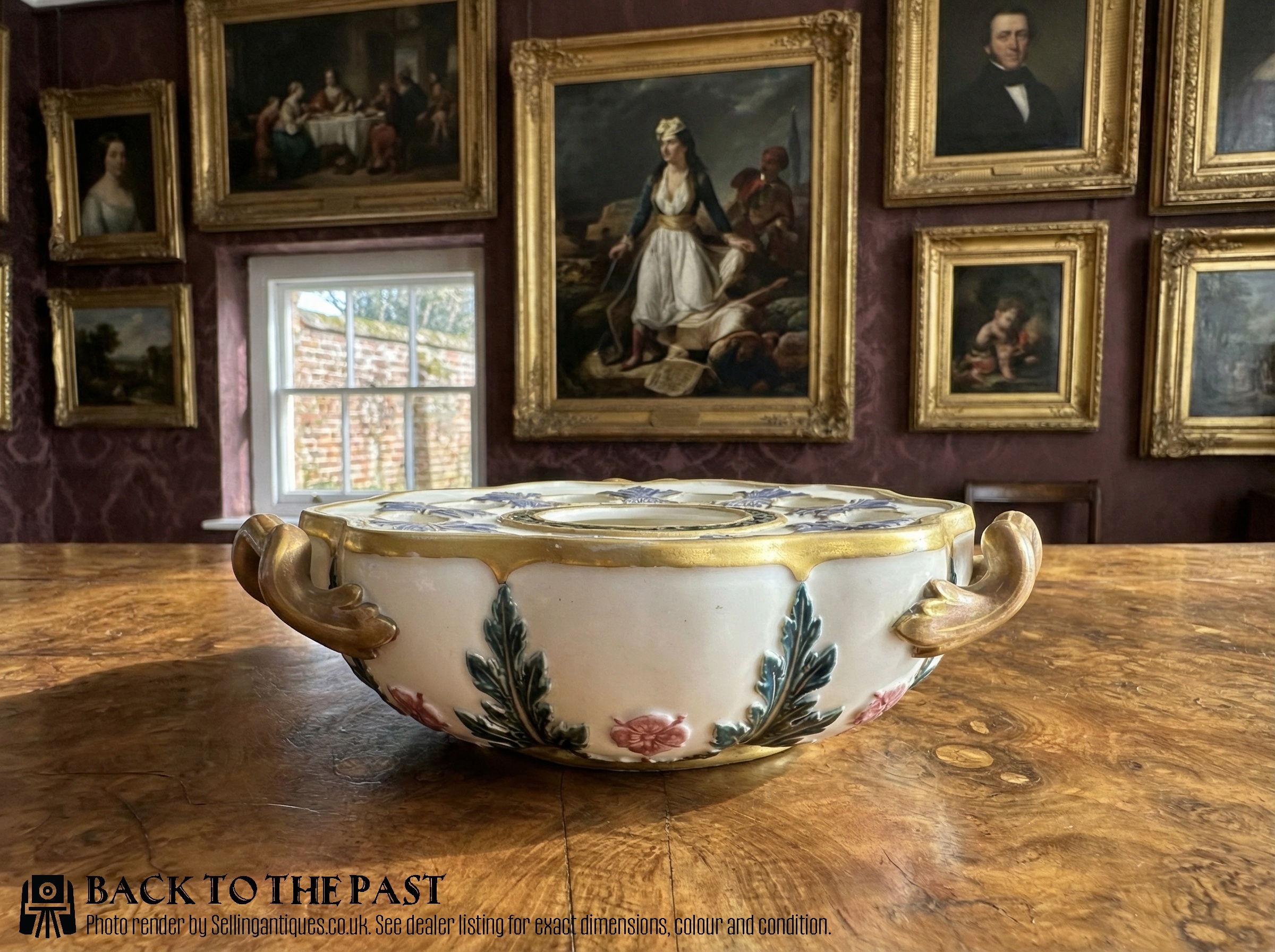
Antique Flower Holder
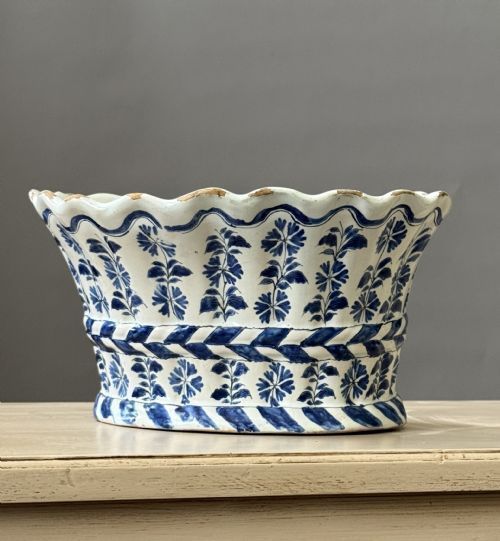
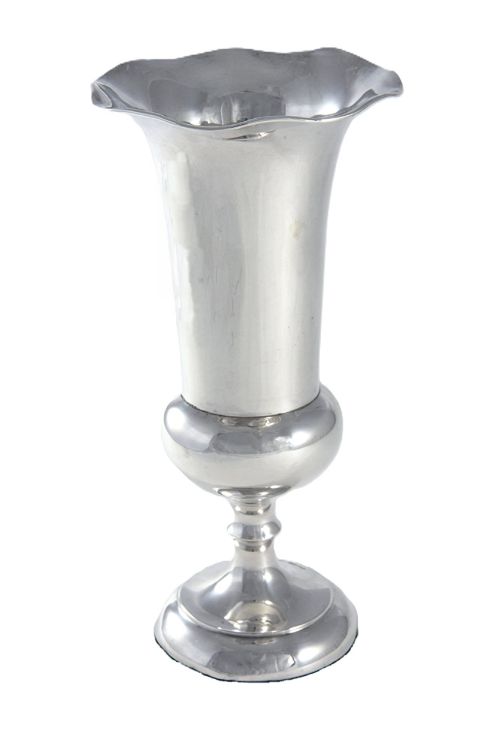
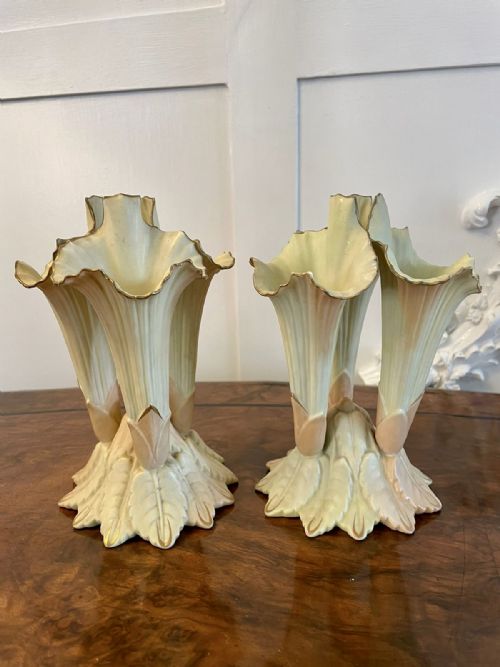
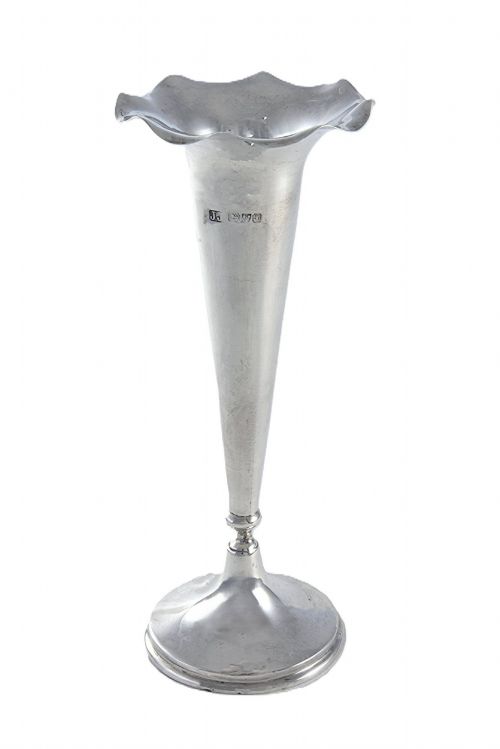
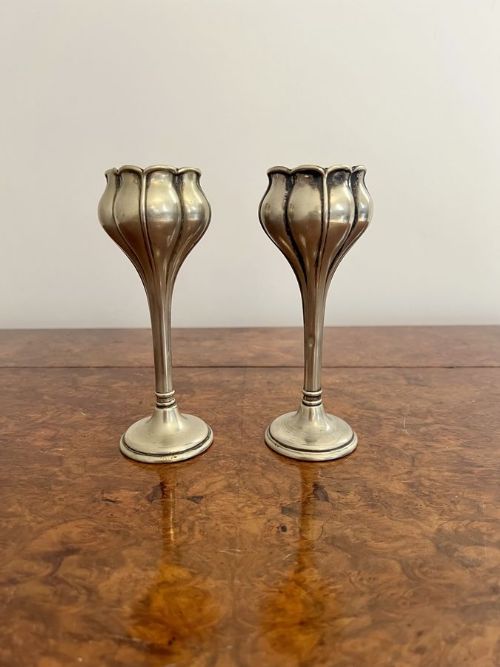
When buyers search for an antique flower holder, they encounter a diverse array of vessels designed to support stems and arrangements across multiple centuries. The selection ranges from compact Edwardian silver posy vases and Victorian vaseline glass pieces to larger ceramic tulipieres and brass jardinieres.
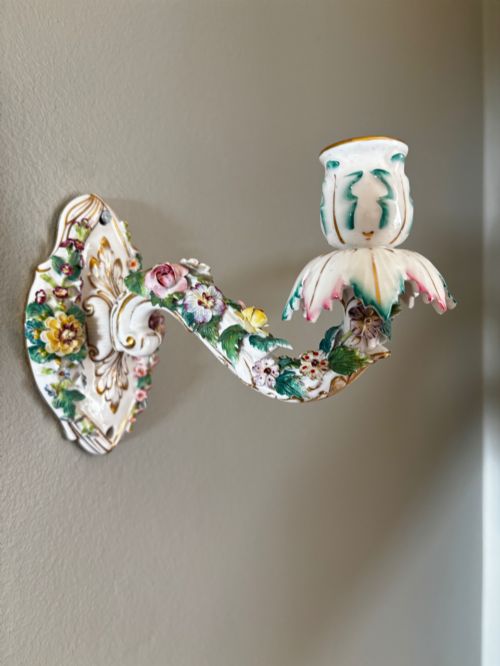
The objects serving this function reflect the shifting domestic tastes of the eighteenth, nineteenth, and early twentieth centuries. Pieces often combine utilitarian support with sculptural form, including figural groups, bough pots, and wall sconces.
Domestic interiors of the Victorian and Edwardian periods relied heavily on these specialised receptacles for indoor gardening and floral decoration. Consequently, buyers find substantial representation from these eras alongside earlier eighteenth-century examples and later Art Nouveau designs.
Materials and construction
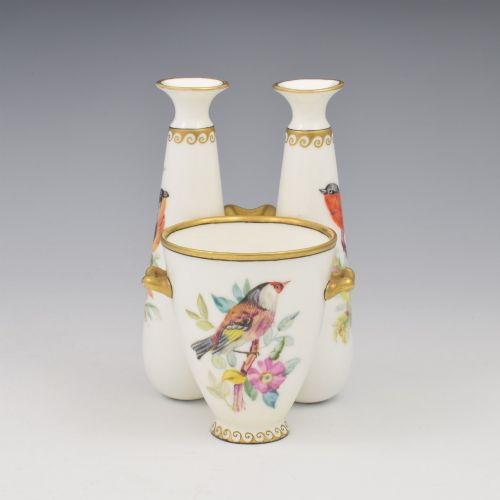
Makers utilised porcelain and ceramic bodies extensively, applying hand-painted glazes, transfer printing, and gilding to surfaces as seen in Royal Worcester, Meissen, and Delft productions. Metalwork vessels rely on cast and wrought brass, copper, silver plate, and sterling silver, frequently shaped with organic Art Nouveau motifs or classical revival styling.
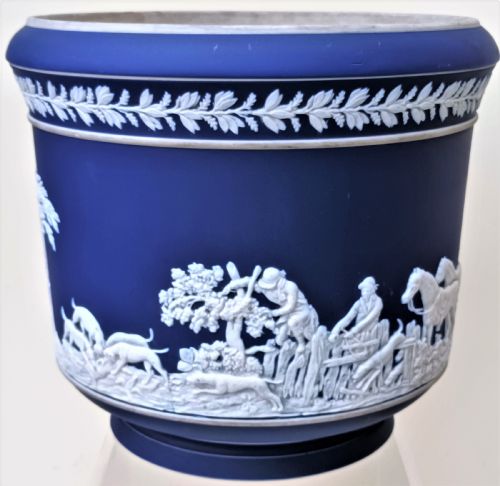
Glass production contributed specialised items like vaseline glass inserts and cut glass bodies, often mounted in silver plated or sterling silver frames. Stoneware, ironstone, and hard wood also appear in specific utilitarian forms such as jardinieres and plant stands.
Object forms range from small handheld tussie mussies to large garden conservatory stands and floor-standing jardinieres.
Distinctions in quality
Quality in these pieces rests primarily on the crispness of modelling in porcelain figures and the precision of chasing and repousse work in metals. Hand-painted botanical or ornithological decoration executed by recognised factory artists elevates the standard of ceramic items.
The preservation of original components, such as detachable metal flower frogs, original stands, and matched pairs, significantly distinguishes superior examples from altered or incomplete specimens. Weight, gauge of metal, and clarity of hallmarks or factory marks further divide standard commercial production from fine studio work.
Royal Worcester·Locke and Co·Meissen·William Adams and Sons·J Sankey and Sons·Royal Doulton·Krister KPM Waldenburg·Cantagalli·Mason
The Antique Flower Holder Glossary
- Posy vase
- A small vessel designed to hold a compact bunch of flowers. These items are frequently manufactured from silver, glass, or porcelain.
- Jardiniere
- A large ornamental pot or stand for holding plants or flowers. They appear in copper, brass, ceramic, and wrought iron.
- Bough pot
- A receptacle specifically made for holding cut tree boughs or large floral arrangements. They date back to the eighteenth century in delftware and porcelain.
- Tulipiere
- A vessel with multiple spouts designed to display individual tulip blooms. Examples include Chinese export porcelain and Italian majolica.
- Tussie mussie
- A small hand-held floral bouquet holder typically fashioned from silver or base metal with pin attachments. They were popular during the nineteenth century.
Antique Flower Holder: Frequently Asked Questions
What is an antique flower holder used for?
These vessels served to display cut flowers, single stems, or potted plants within domestic rooms. Different forms accommodated specific arrangements, from tabletop posy vases to floor-standing jardinieres.
Interior decoration during the Victorian and Edwardian eras placed great emphasis on bringing botanical elements indoors. Holders were placed on mantelpieces, dining tables, and side stands to organise these floral displays.
How do I date an antique flower holder?
Dating relies on a combination of factory backstamps, silver hallmarks, material composition, and stylistic clues. Art Nouveau whiplash lines point toward the turn of the twentieth century, while heavy gilding and Rococo revival motifs often suggest Victorian manufacture.
Checking for registry marks or factory ciphers helps narrow the production date. Comparing the object's form against known archival pieces provides further chronological confirmation.
What is the difference between a posy vase and a spill vase?
A posy vase is engineered to support short floral arrangements, frequently incorporating narrow necks or integrated flower frogs. They are commonly made of silver or porcelain.
A spill vase was originally intended to hold taper spills used for lighting fires or pipes, though they function similarly for small flower displays today. Spill vases often feature cylindrical ceramic or wooden bodies.
Are metal flower holders marked with hallmarks?
Silver and silver plated items often carry hallmarks, maker's marks, or date letters indicating the assay office and year of production. Sterling silver pieces feature standard official assay marks.
Brass, copper, and bronze items rarely feature formal hallmarks but may display maker's stamps, registry numbers, or factory symbols on the base.