



Edwardian Cased Taxidermy
Edwardian cased taxidermy brings preserved specimens into domestic spaces, offering a glimpse of natural history through glazed wooden cabinets and glass domes.

Edwardian Cased Taxidermy
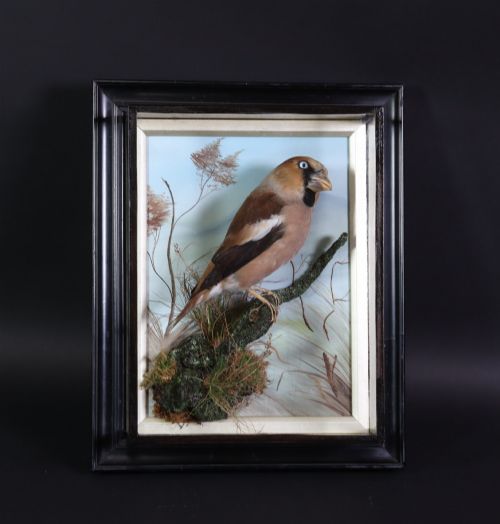
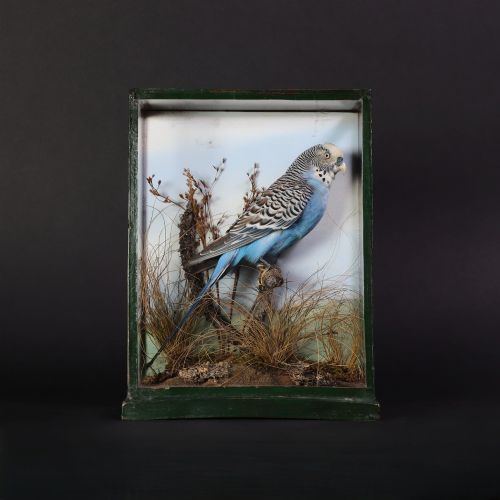
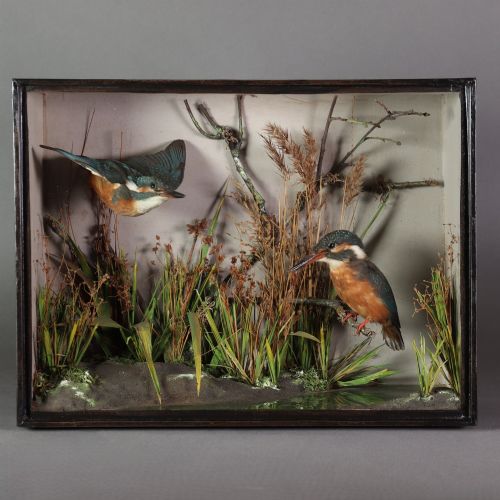
Edwardian cased taxidermy consists of preserved birds, fish and animals arranged within protective glass enclosures such as wooden cases, painted dioramas and display domes. These pieces originate from periods spanning the late nineteenth century through to the early twentieth century, reflecting a Victorian and Edwardian fascination with natural history.
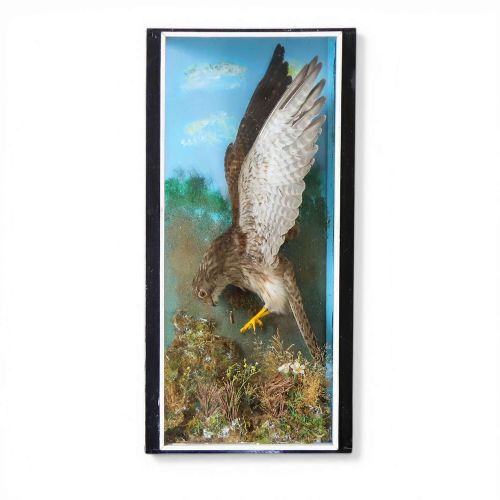
The selections available range from single specimen displays like white pheasants and kestrels to complex group dioramas featuring ducks, kingfishers and waxwings in snow scenes. Cabinets and domes protect fragile feathers and preserved specimens from dust and damage while creating a focused focal point for interior display.
Objects include timber wall cabinets, tall glass showcases, and framed wall art alongside traditional table specimens. Buyers encounter both single species and complex pairings set against painted backgrounds that imitate natural habitats.
Materials and construction methods
Makers utilised glass, ebonised wood, oak and mahogany to construct protective housings that kept preserved specimens secure. Preserved specimens and feathers were mounted within these timber frames and glass domes, often accompanied by painted paper backgrounds to simulate natural scenery.
Enclosures relied on tight joints and fitted glazing to seal interiors against moisture and pests. Woodwork was polished, painted or ebonised to complement the taxidermy specimen contained within.
Edwardian Cased Taxidermy Retail Price Guide 2026
Typical asking prices for edwardian cased taxidermy among the pieces listed under this phrase on Sellingantiques today, from the lower quarter to the upper quarter. They describe what is for sale here now, not the wider market.
Listings feature glass, wood, feathers, paper, ebonised wood and timber across Victorian, Edwardian and early twentieth-century periods.
Distinctions in quality
Quality depends upon the realism of the taxidermy mount and the complexity of the internal setting. Skilled practitioners achieved lifelike postures and convincing anatomical proportions, whereas lesser examples appear rigid or unnatural.
The construction of the case itself influences overall standard, with fine timbers, clean glass, and detailed painted backdrops elevating the piece. Signed work by known makers demonstrates superior craftsmanship compared to uncredited examples.
T E Gunn·S King·Hutchings of Aberystwyth·James Jones of London·W F Homer London·J Cooper and Sons
The Edwardian Cased Taxidermy Glossary
- Taxidermy
- The art of preparing, stuffing, and mounting the skins of animals for display. This practice preserves specimens for scientific study and interior decoration.
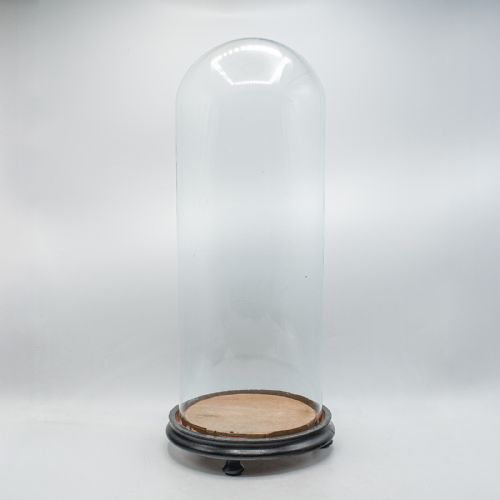
- Display dome
- A blown or moulded glass cover placed over a wooden or polished base to protect delicate objects. These vessels provide clear visibility from all angles.
- Diorama
- A three-dimensional scene featuring preserved specimens arranged in a simulated natural habitat. Painted backgrounds add depth and context to the display.
- Ebonised wood
- Timber treated to resemble ebony through staining or finishing. This dark surface finish was common in nineteenth and early twentieth century frames.
- Specimen case
- A glazed wooden box designed to house and protect natural history items. These enclosures often feature hinged doors or removable glass panels.
Edwardian Cased Taxidermy: Frequently Asked Questions
How should I clean edwardian cased taxidermy?
Dust exterior glass surfaces gently with a soft dry cloth to maintain clarity. Avoid applying liquid cleaners directly to glass where moisture might seep into the case joints.
Keep specimens away from direct sunlight and damp environments to protect fragile feathers and paper backgrounds from deterioration.
Were these pieces used in Victorian homes?
Natural history displays served as decorative elements in studies, drawing rooms and hallways during the nineteenth and early twentieth centuries. They reflected contemporary scientific interests and a desire to bring domestic interiors into contact with the natural world.
Cabinets and domes allowed households to display delicate specimens safely without accumulating dust or suffering handling damage.
How do I identify an edwardian case?
Edwardian examples often feature lighter oak timbers alongside traditional ebonised and mahogany frames inherited from Victorian designs. Construction techniques utilise machine-sawn elements and specific glass types characteristic of the early twentieth century.
Maker labels pasted inside or on the back of the timber housing provide precise workshop attribution and dating.
Can display domes be separated from their bases?
Most glass domes lift away from their wooden or ebonised bases to allow access to the interior specimen. This removable design facilitated placement and adjustment of the mounted subject during creation.
Extreme care is required when lifting glass covers to avoid chipping the edges or disturbing delicate internal mounts.