



Natural History Display Case
A natural history display case preserves birds, fish, and mammals behind glass, bringing Victorian and Edwardian scientific curiosity straight into a modern interior.

Natural History Display Case
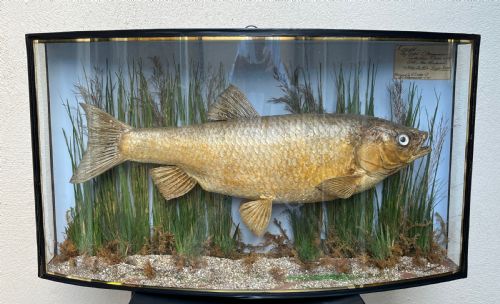
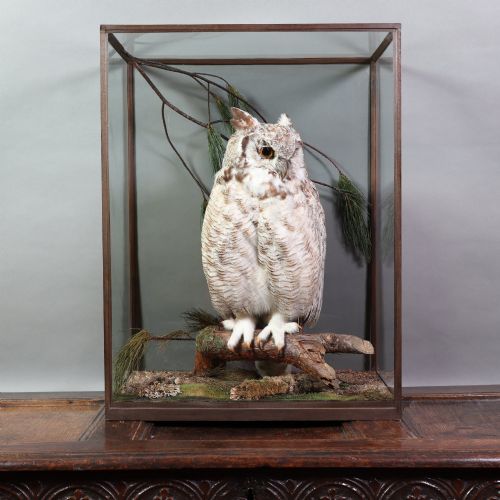
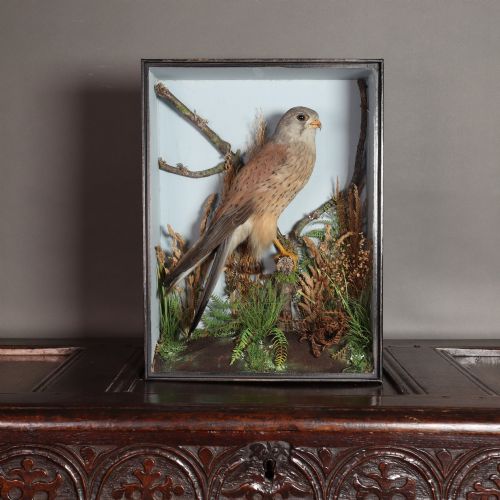
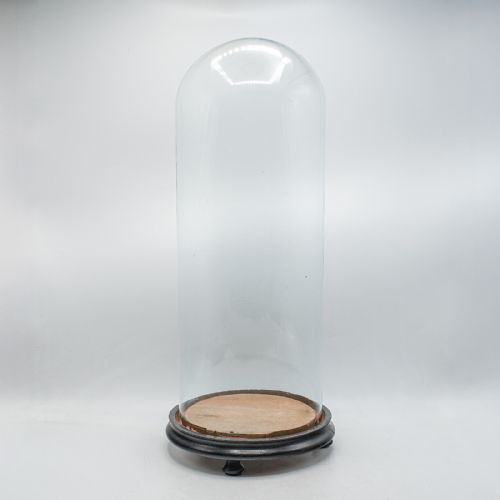
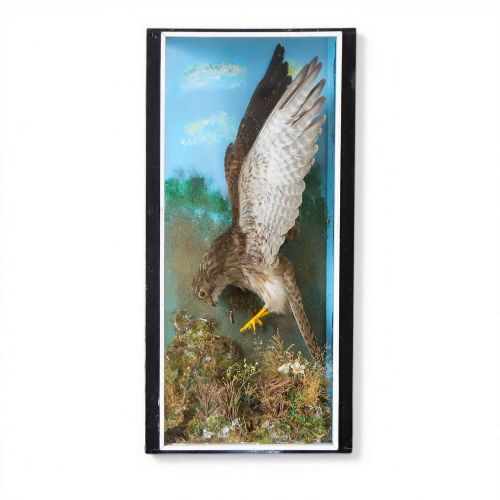
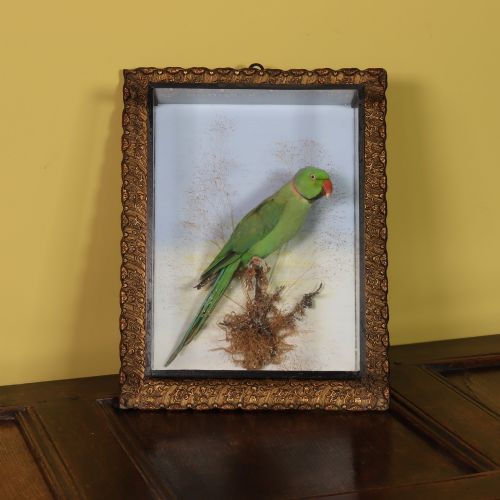
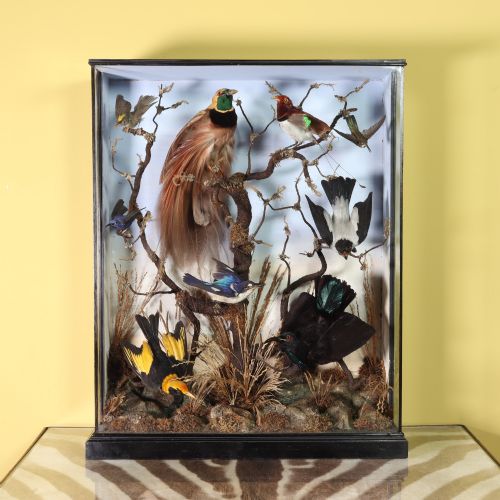
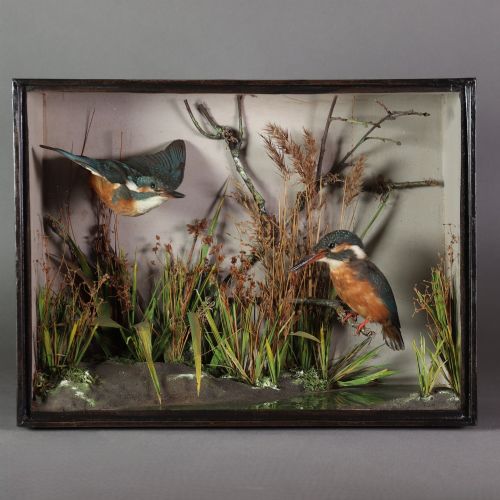
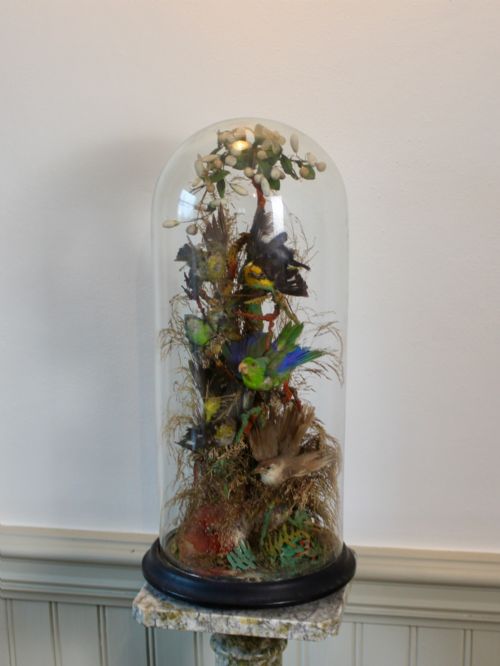
When you search for a natural history display case, you encounter enclosed wooden and glass structures designed to protect and exhibit preserved specimens. These objects range from framed wall dioramas to freestanding table cabinets and tall bell jars.
The selections appearing on this page originate predominantly from the Victorian and Edwardian eras, stretching into the early twentieth century. Common forms include taxidermy mounts of birds, fish, and small mammals arranged alongside painted or natural backgrounds.
Makers often constructed these housings using ebonised wood, mahogany, or oak to frame the viewing panels. Interior settings frequently incorporate preserved specimen elements such as moss, feathers, and paper to mimic natural habitats.

Materials and construction
Taxidermists and cabinet makers joined glass panes with wooden frames using traditional joinery methods to seal the interiors against dust and insects. Woods such as mahogany, oak, and ebonised pine provided sturdy exterior protection for the fragile contents within.
Interior settings relied on a combination of preserved botanical elements like moss and paper painted with landscape backdrops to create immersive dioramas. Specimens were mounted securely onto internal branches or bases inside domes and rectangular glass cases.
Materials recorded across the inventory include preserved specimens, feathers, paper, moss, glass, and various woods such as mahogany and ebonised timber.
Distinctions in quality
Quality rests upon the lifelike posture of the taxidermy specimen and the artistry of the interior diorama. Superior examples show meticulous anatomical preservation alongside intricate, hand-painted background scenes that create genuine depth.
The craftsmanship of the exterior housing matters significantly, with fine joinery, clear blown or drawn glass, and premium timbers elevating certain pieces. Works originating from notable workshops display greater attention to botanical detail and structural proportion.
Little & Co·J Griffiths of Burford·Rowland Ward Ltd·T. E. Gunn·William Bazeley & Sons·S. King·Hutchings of Aberystwyth·James Jones·J. Cooper & Sons·James Gardner·W.F. Homer London·J Dobson
The Natural History Display Case Glossary
- Taxidermy
- The art of preserving, stuffing, and mounting animal skins for display. Historic specimens reflect the scientific and decorative tastes of the nineteenth and early twentieth centuries.
- Cloche
- A bell-shaped glass cover used to protect delicate items. These transparent covers sit upon wooden bases to enclose stuffed birds or botanical arrangements.
- Diorama
- A three-dimensional scene featuring preserved specimens set against a painted backdrop. Makers often included natural elements like moss and twigs to replicate outdoor habitats.
- Ebonised wood
- Timber treated with a finish to imitate ebony. This dark, formal treatment frequently appears on Victorian display frames and cabinet surrounds.
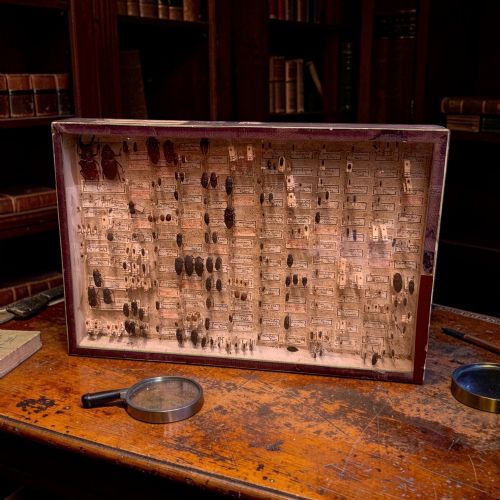
- Entomology case
- A specialised shallow drawer or box intended for housing insect collections. These compartments keep butterflies and beetles organised and protected from light damage.
Natural History Display Case: Frequently Asked Questions
Where should I place a case?
Position your display away from direct sunlight and damp environments to protect the fragile feathers, fur, and painted backdrops inside. Stable indoor temperatures prevent the historic woods and adhesives from warping over time.
Placed on sturdy sideboards or hung securely on interior walls, these pieces command attention in studies, living rooms, and hallways.
How do I identify the period?
Examine the wood types, construction methods, and framing styles used in the enclosure. Victorian examples often feature ebonised or mahogany frames, while Edwardian pieces sometimes incorporate lighter oak or simpler rectangular glazing.
Paper labels pasted to the base or reverse frequently name the original taxidermist and date the work. Handwriting styles and trade labels provide reliable clues to the decade of creation.
Can specimens be removed?
Specimens are firmly fixed to internal mounts and should remain inside their protective glass housings. Removing them compromises the sealed environment and risks damaging the taxidermy and delicate background scenery.
The entire composition functions as a single historical unit conceived by the original taxidermist.