
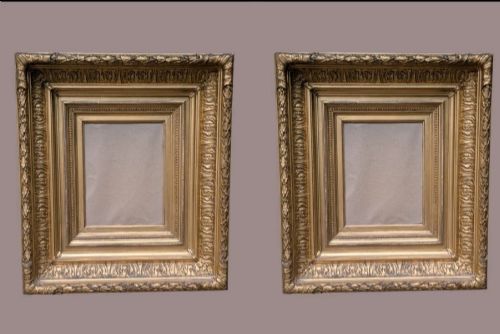


Edwardian Carved Gilt Mirror
When searching for an edwardian carved gilt mirror, collectors find reflective pieces spanning the Victorian and Edwardian periods designed to catch and spread natural light.
Edwardian Carved Gilt Mirror
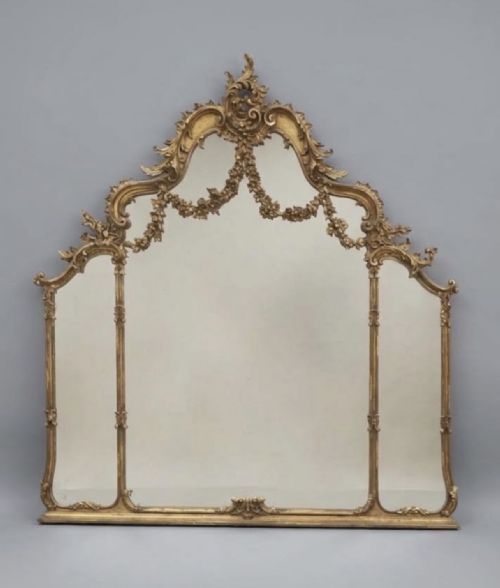
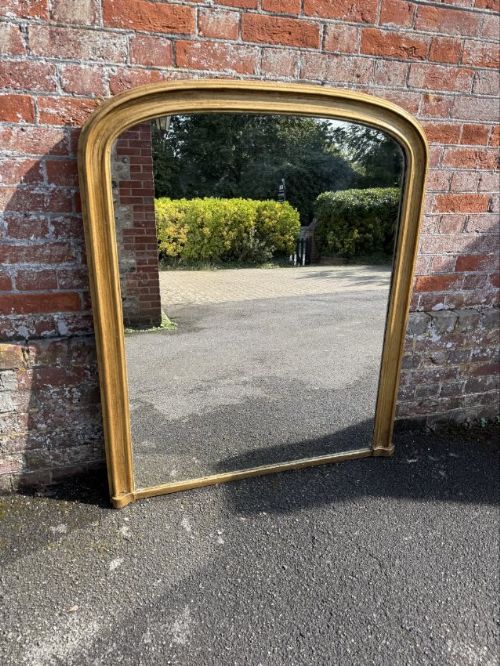
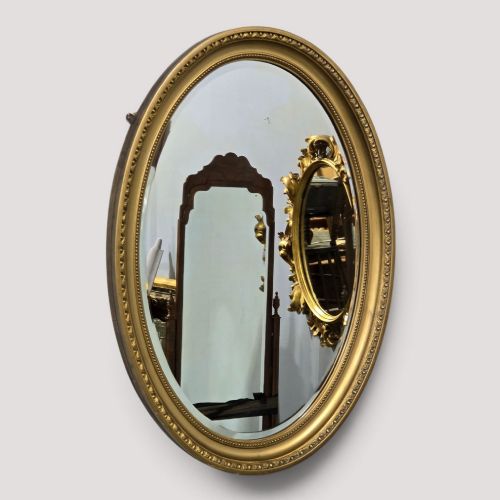
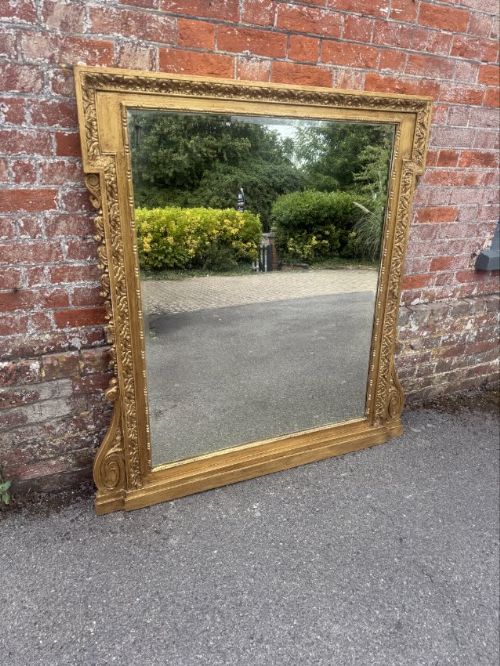
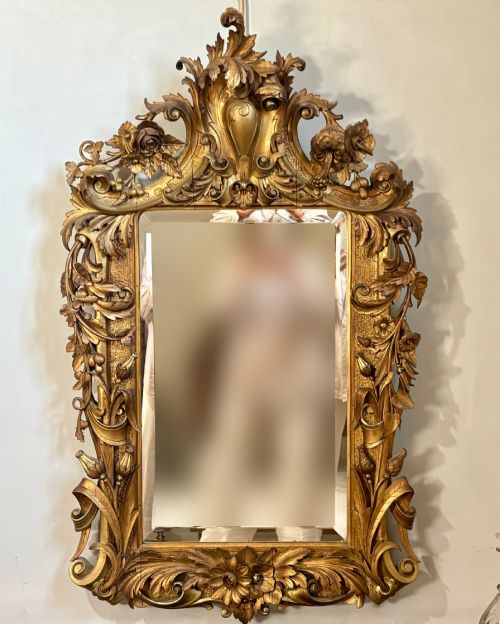
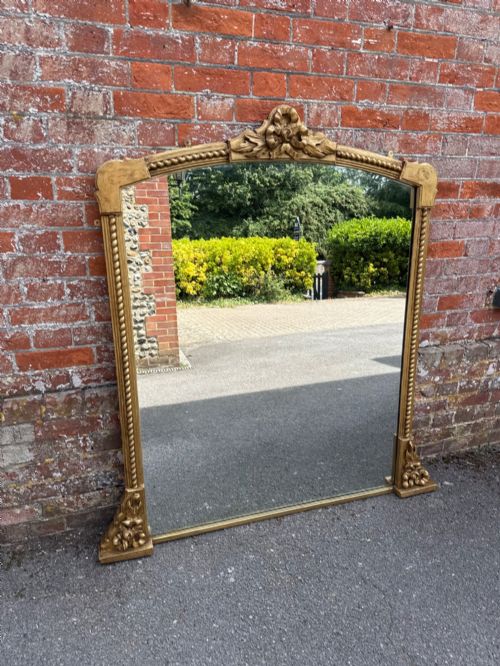
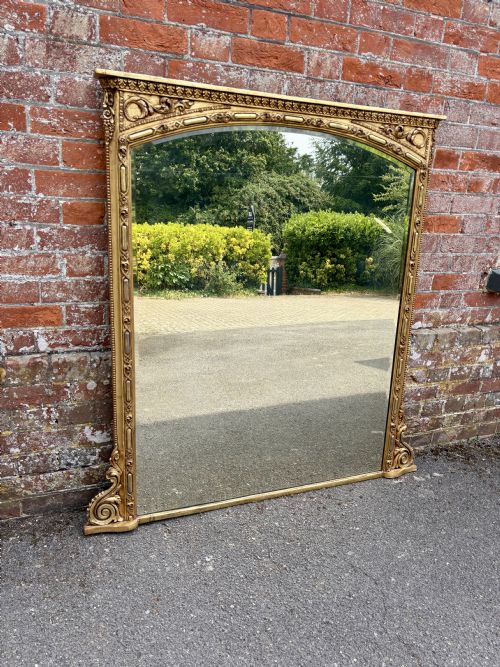
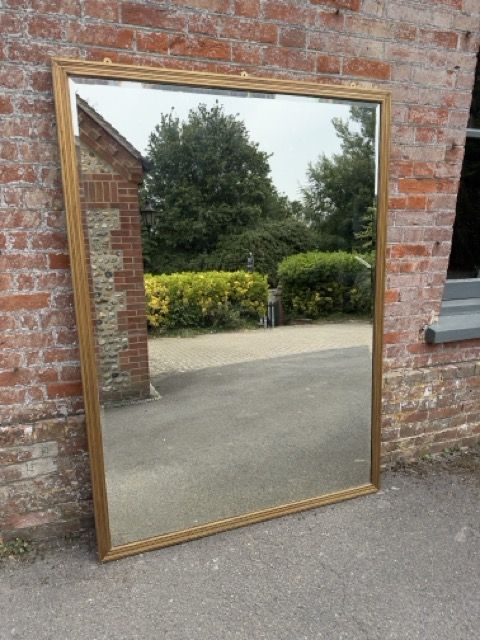
An edwardian carved gilt mirror combines carved wooden frames with reflective glass, appearing on this page primarily as wall-hung mirrors and substantial overmantels designed for nineteenth and early twentieth century rooms. Pieces range from small convex and oval shapes to large architectural overmantel mirrors with arched or shaped tops.
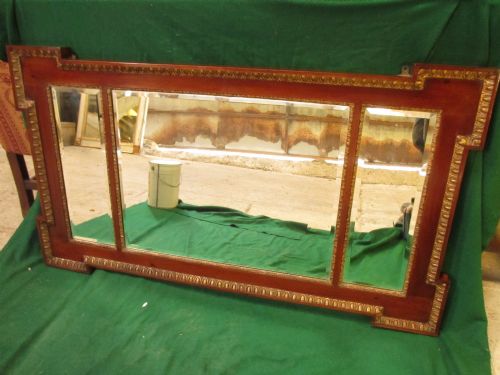
The selection here encompasses specific revival styles, such as Adam Revival, Chinese Chippendale, and Rococo Revival, alongside simpler Edwardian inlaid mahogany fretted wall mirrors. Buyers encounter both compact wall mirrors and grand statement pieces intended to anchor a room.
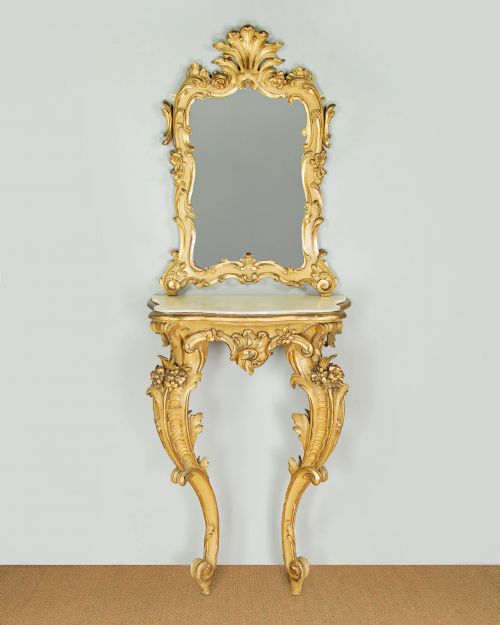
Origins span English and French workshops, utilising traditional forms like pier mirrors, console table sets, and triple plate configurations. These mirrors served both decorative and practical functions in historic interiors, reflecting light deep into drawing rooms and hallways.
How they were made
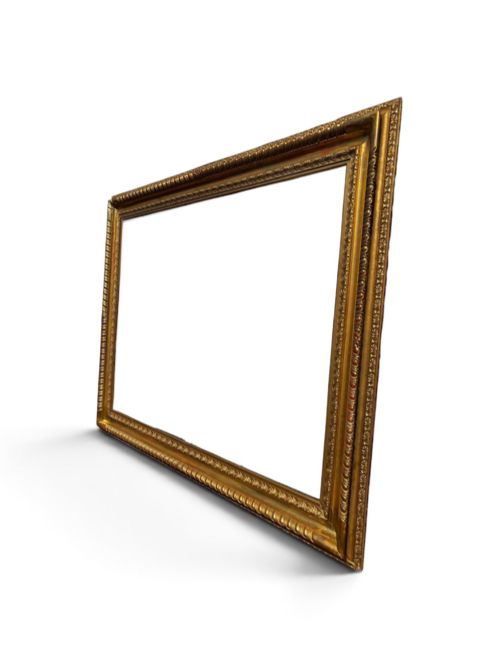
Frames rely on carved wood and gesso, a plaster-like mixture applied to timber to create smooth surfaces for detailed ornament. Craftsmen built up relief decoration using carved wood or moulded composition before applying gold leaf or liquid gilding.
Mirror plates include standard glass and original mercury plate, set within frames constructed from mahogany, timber, and giltwood. Detail work incorporates inlay, fret-cutting, and intricate carving following styles from the eighteenth century onwards.
Convex mirrors were once called 'banker's mirrors' because merchants used their wide-angle view to watch over the entire counting house at once.
What varies in quality
Quality shows in the depth and crispness of the carved detail on the wood and gesso frames, where hand-carved elements display sharper definition than moulded composition. The integrity of the original gilding and the condition of the underlying gesso reveal the level of historic craftsmanship.
Structural robustness of the wooden frame and the clarity of the mirror plate distinguish finer examples from standard production. Frames featuring intricate fret-cut mahogany, inlaid details, or well-preserved mercury glass represent the upper tier of the range.
The Edwardian Carved Gilt Mirror Glossary
- Gesso
- A prepared mixture of chalk, gypsum, and binder applied to a wooden frame to create a smooth base for gilding and carved relief detail. This material allows for intricate ornamentation that holds metallic leaf securely.
- Giltwood
- Timber, typically pine or hardwood, that has been coated with gold leaf or metallic paint to give the appearance of solid gold. It forms the primary structural and decorative medium for these mirrors.
- Overmantel mirror
- A large mirror designed specifically to be hung on the wall directly above a fireplace mantelpiece. These pieces often feature wide frames and arched or shaped tops to balance the proportions of the hearth.
- Convex mirror
- A circular mirror with a curved glass surface that reflects a wide, distorted panoramic view of the room. They were frequently framed in carved wood with gilt decoration during the Regency and later revival periods.
- Pier mirror
- A tall, narrow mirror designed to fit on the wall space between two windows, known as the pier. They often match console tables positioned directly beneath them.
Edwardian Carved Gilt Mirror: Frequently Asked Questions
Where should I hang an overmantel mirror?
Overmantel mirrors are traditionally mounted centrally on the wall directly above a fireplace mantelpiece, where their scale balances the hearth below. They also function effectively above large sideboards or console tables in reception rooms.
Because these mirrors are heavy, secure wall fixings into solid masonry or substantial studs are essential to support the weight of the carved wood and glass.
How do I identify an Edwardian mirror?
Edwardian mirrors frequently incorporate lighter woods such as mahogany, often featuring delicate inlay work, fret-cut borders, and neoclassical revival motifs like Adam style swags. They tend to be brighter in their gilding compared to heavier Victorian counterparts.
Construction methods, timber backing boards, and original fixings help differentiate Edwardian production from later reproductions or earlier nineteenth-century pieces.
What is a mercury mirror plate?
A mercury plate refers to older mirror glass manufactured using a tin and mercury amalgam backing process popular before nineteenth-century silvering techniques took over. This type of glass displays characteristic subtle clouding, speckling, and a deep reflective quality.
Finding original mercury glass in an early eighteenth or nineteenth-century frame adds significant historical context to the piece.
How do I care for a giltwood frame?
Giltwood frames require gentle maintenance using a dry, soft brush to remove dust from the crevices of the carved gesso and wood. Moisture and chemical cleaners must be avoided, as they can strip the delicate gold leaf or damage the gesso beneath.
Keeping the mirror away from direct sunlight and damp environments preserves the stability of the wood and the brilliance of the gilded surface.