

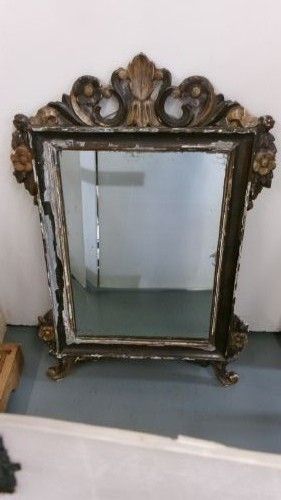


Antique Gilt Looking Glass
An antique gilt looking glass brings light and reflection into a room through hand-carved frames and historic silvered plates.
Antique Gilt Looking Glass
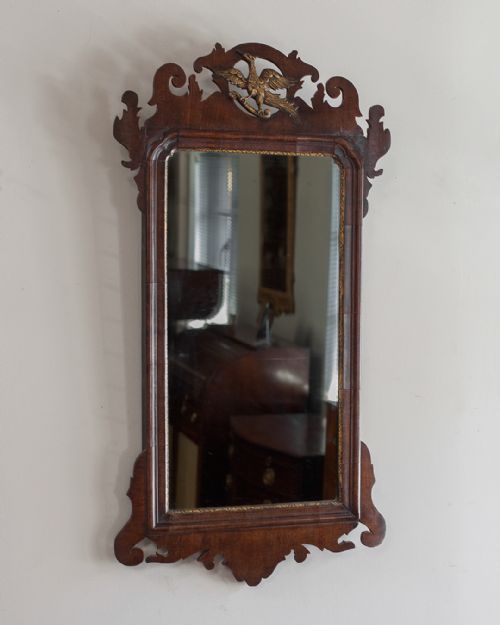
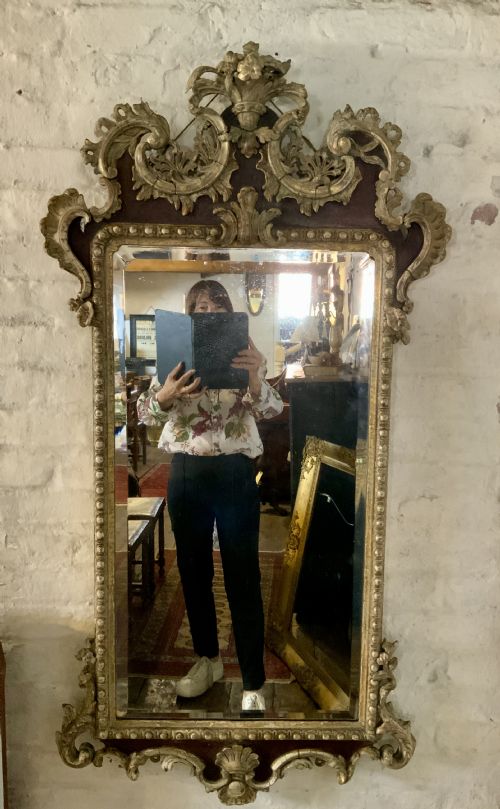
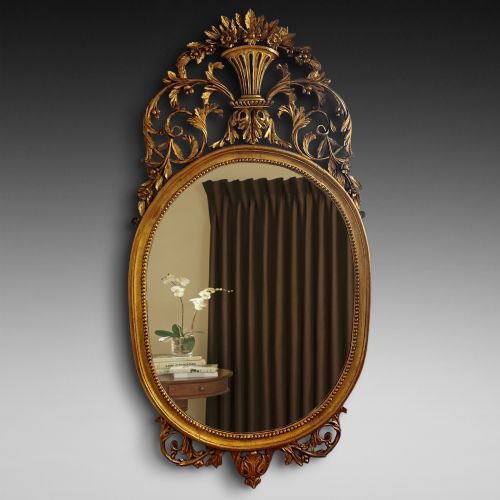
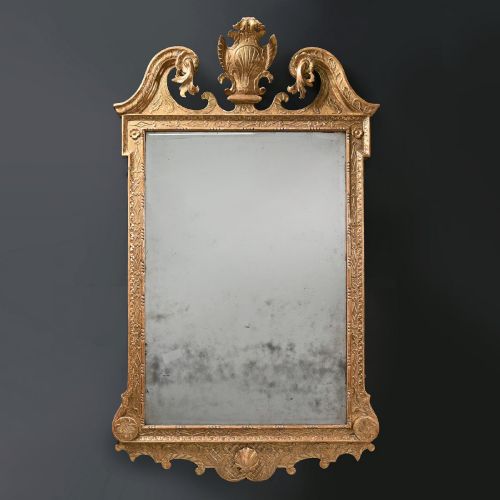
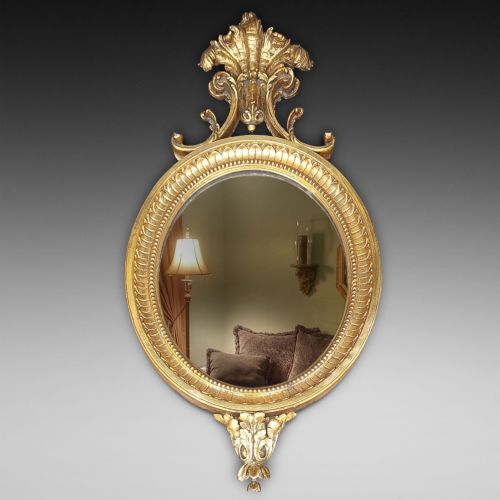
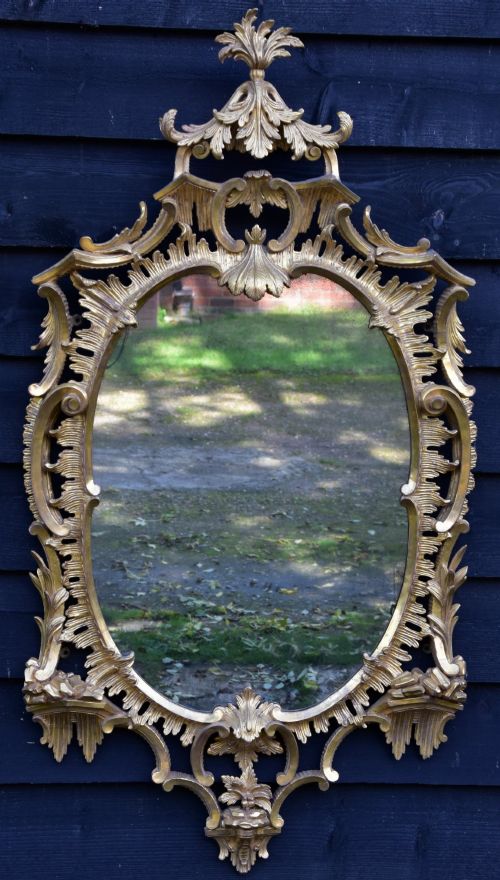
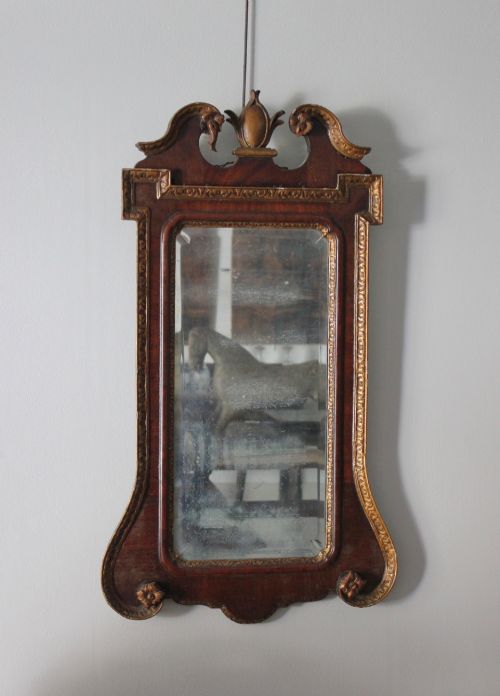
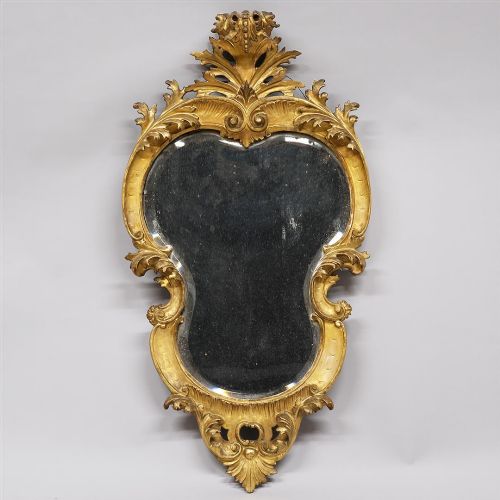
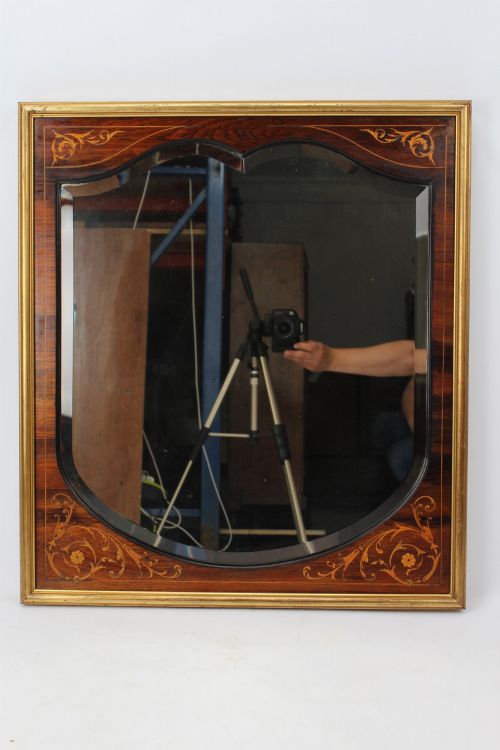
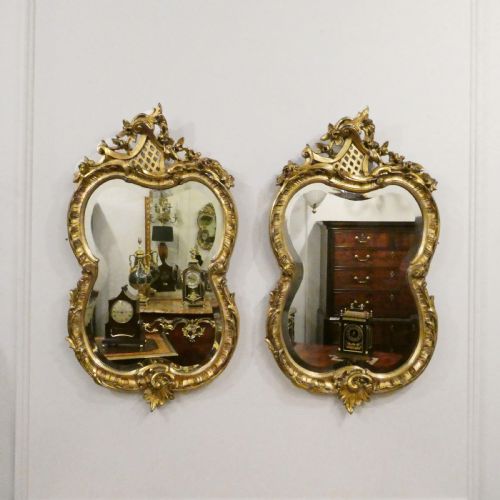
An antique gilt looking glass functions as both a functional reflective surface and a decorative wall piece, encompassing styles from the Georgian period through to the Victorian era. These mirrors appear in various forms, including oval wall pieces, rectangular pier glasses, and intricate fretwork designs intended to hang above mantelpieces or console tables. The evidence shows that most examples date from the eighteenth and nineteenth centuries, spanning Georgian, Regency, and Victorian aesthetics.
Materials and construction methods
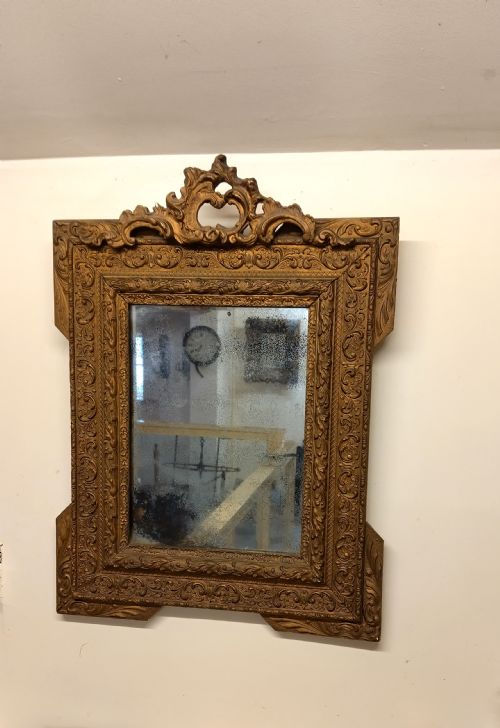
Makers constructed the structural frames of an antique gilt looking glass using timber foundations such as mahogany, walnut, pine, or sycamore. Artisans then applied layers of gesso - a mixture of plaster and glue - directly to the wood to build up intricate surface ornamentation and relief decoration. Giltwood and gold leaf were subsequently applied to the prepared surfaces, often burnished to achieve a bright finish.
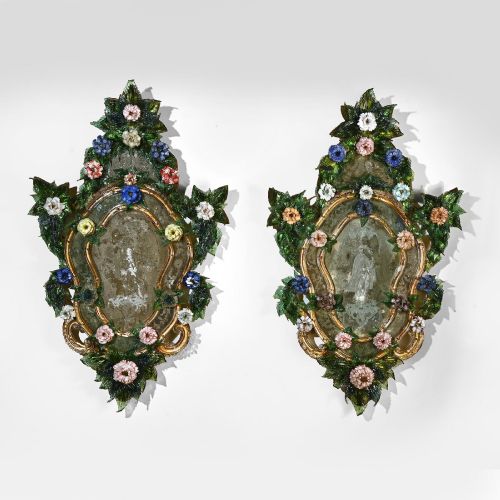
Mirror glass plates in earlier centuries were produced by hand, resulting in subtle imperfections, bevelled edges, or engraved designs such as those found on Venetian Murano pieces. Frame construction frequently utilised traditional joinery, including pinned mortise and tenon joints for fretwork and carved mouldings.
Eavesdropping eighteenth-century guests checked their powdered wigs in these exact looking glasses before entering the dining room.
Assessing quality in framing and glass
Quality in an antique gilt looking glass rests upon the crispness of the hand-carved gesso and wood details rather than mass-produced uniformity. Finer pieces exhibit deep, deliberate undercutting in the foliage, scrolls, or ribbon motifs, whereas lesser examples display shallow, soft moulding where the gesso has filled in the finer lines of the design.
The retention of original gilding and historic mirror plates also dictates the calibre of a piece. Superior mirrors maintain their original gold leaf or silver gilt surfaces with minimal restoration, alongside glass plates that show authentic age without modern replacement.
Benjamin Goodison·William Kent·Coalbrookdale
The Antique Gilt Looking Glass Glossary
- Gesso
- A plaster-like material applied to wood frames to create a smooth surface for carving and gilding. Artisans could model and shape this compound before it set hard.
- Giltwood
- Timber that has been coated with gold leaf or metal leaf. This finish provided a luxurious appearance that reflected candlelight effectively in historic interiors.
- Fretwork
- Openwork ornamentation produced by cutting patterns through thin wood panels using a fretsaw. This technique defined many eighteenth-century Georgian mirror frames.
- Pier glass
- A tall mirror specifically designed to hang on the wall space between windows. These pieces often matched console tables placed directly below them.
- Girandole
- A decorative wall mirror featuring attached candle sconces or arms. The reflective surface helped amplify the light provided by the candles.
Antique Gilt Looking Glass: Frequently Asked Questions
How do I hang a heavy antique gilt looking glass?
Heavy antique gilt looking glasses require secure fixings anchored directly into wall studs or masonry using appropriate weight-rated brackets. The original hanging loops or chains on the reverse of older frames should be inspected by a professional before suspension.
Distributing the weight evenly prevents strain on historic wood joints and fragile gesso ornaments, ensuring the frame remains secure over time.
Are the mirror plates original on these pieces?
Many surviving antique gilt looking glasses retain their original silvered glass plates, which often display characteristic foxing, minor speckling, and gentle distortion. These subtle imperfections confirm the age of the glass and add distinct character to the reflection.
When a plate has been replaced at a later date, it usually presents a clearer, more uniform reflection without the historic waviness seen in older manufacturing methods.
How should I clean a giltwood frame?
Cleaning a giltwood frame involves gently dusting the surface with a very soft, dry brush to remove particulate matter without disturbing fragile gold leaf. Liquid cleaners and abrasive cloths must be avoided entirely to prevent stripping the delicate gesso and gilding.
Professional conservation advice should be sought if the surface exhibits flaking or active detachment of the historic layers.
What is the difference between a pier glass and an overmantle?
A pier glass is traditionally tall and narrow, designed to fit the specific wall partition situated between two windows. This placement maximised available natural light in period drawing rooms.
An overmantle mirror is wider than it is tall, proportioned specifically to sit horizontally above a fireplace mantelpiece. Both forms utilise gilt frames and reflective glass to enhance room illumination.