

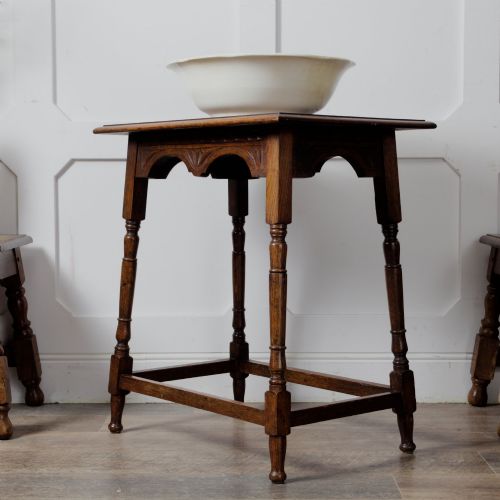
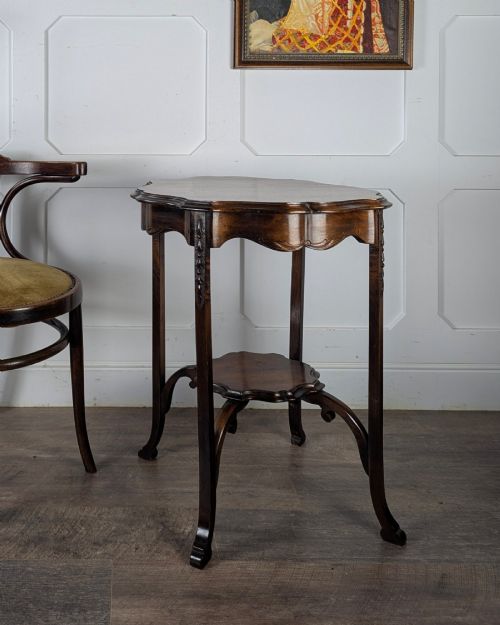
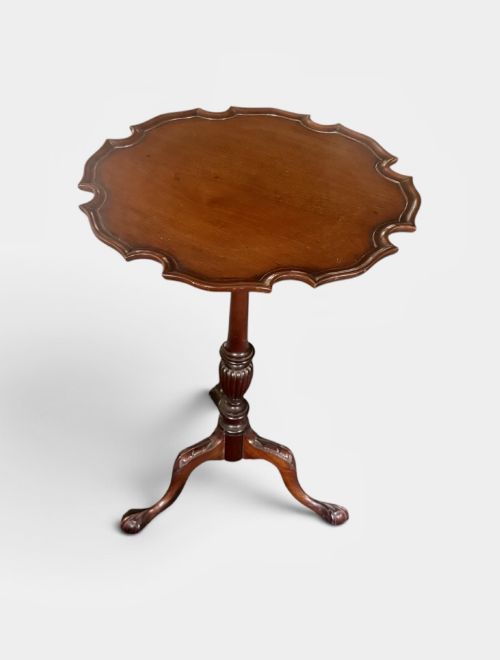
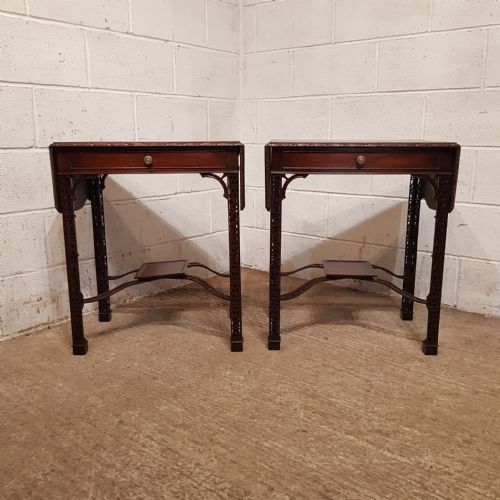
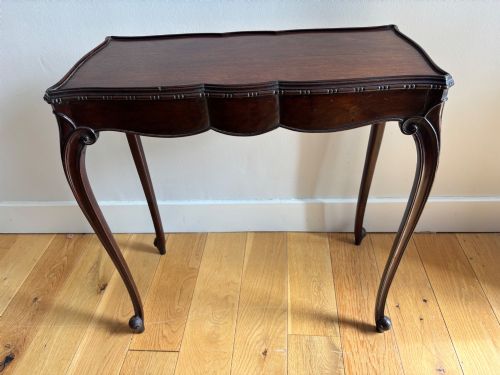
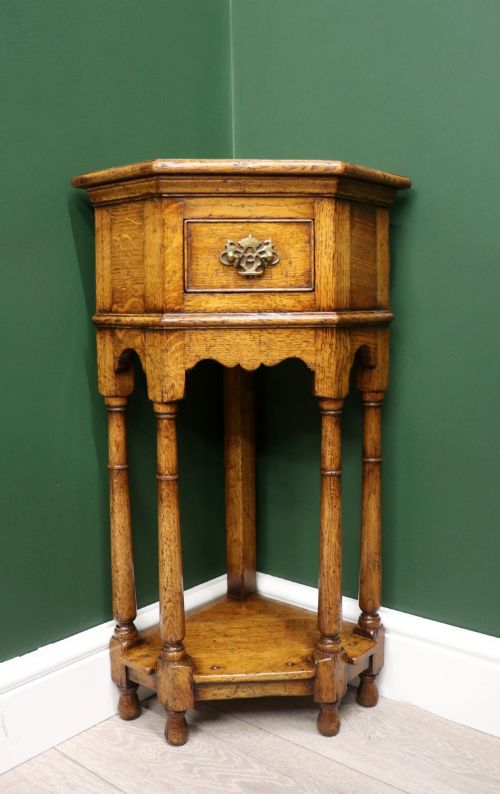
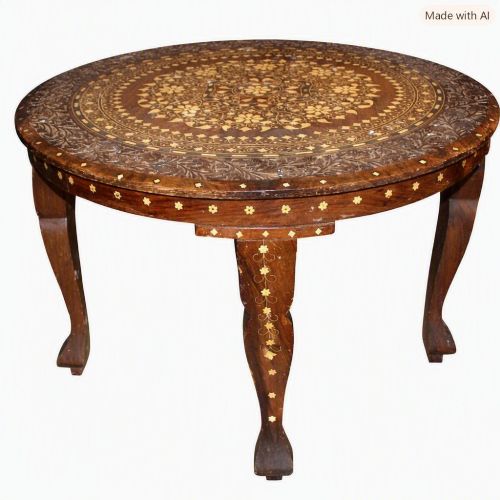
Edwardian Carved Accent Table
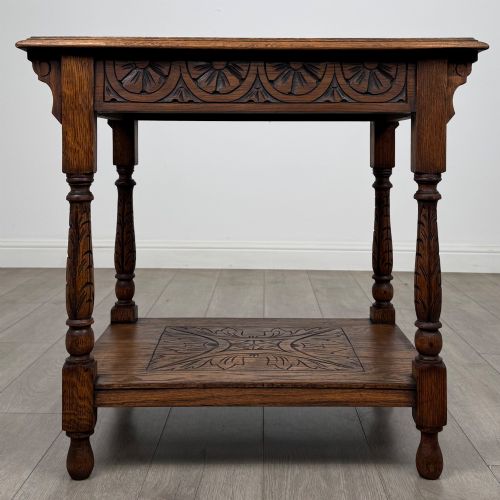
An edwardian carved accent table brings practical surface space and ornamental detail to a room, drawing on revival styles and rich timber.
Edwardian Carved Accent Table
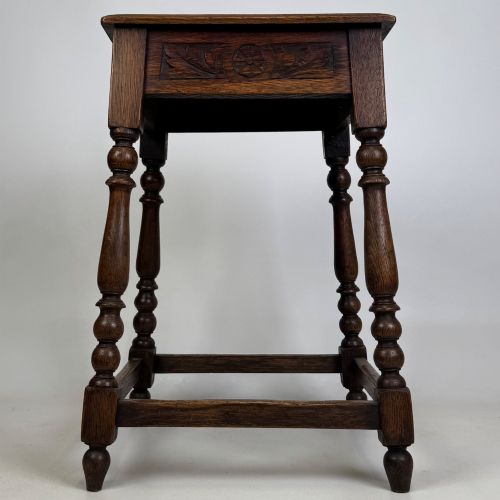
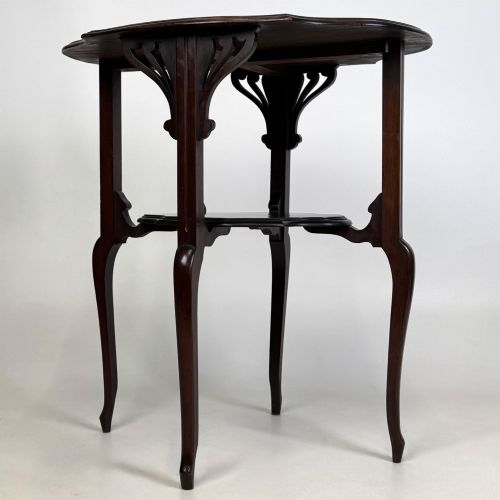
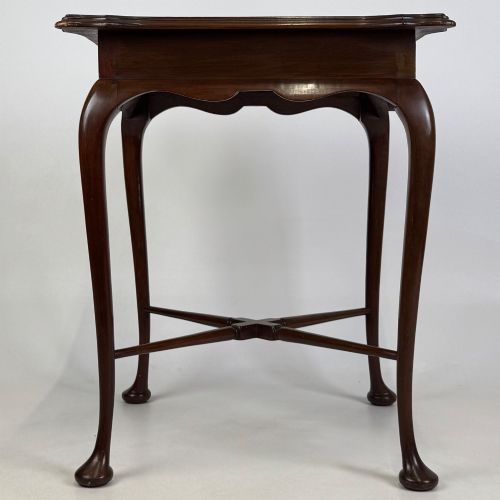
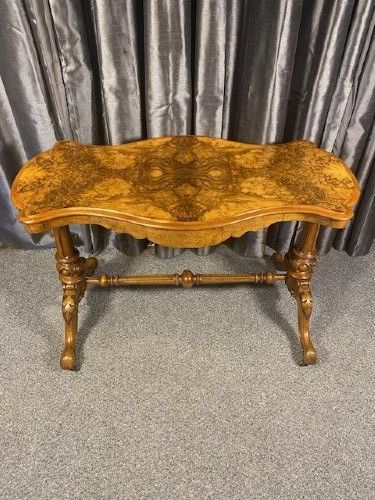
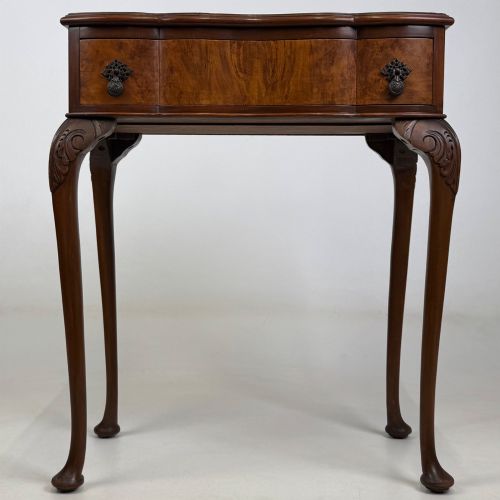
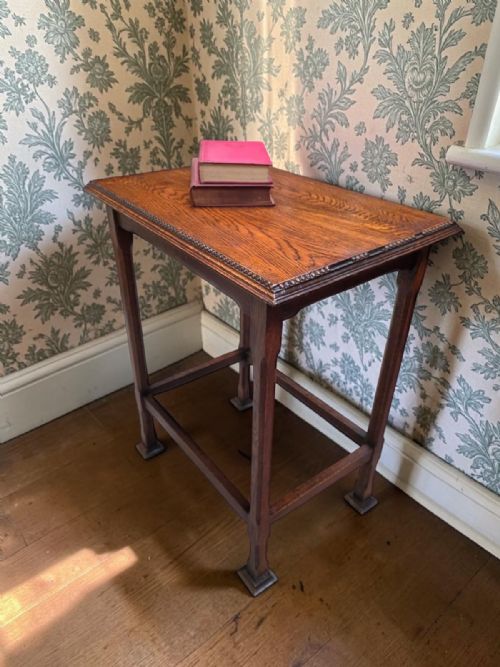
When searching for an edwardian carved accent table, buyers encounter compact occasional furniture designed for specific domestic corners, parlours and drawing rooms. These pieces function variously as side tables, wine tables, lamp tables and small Pembroke tables that offer portable utility without dominating a floor plan.
The pieces on this page span the Edwardian period proper alongside related Victorian, late Victorian and early twentieth-century examples. Alongside standard Edwardian output, the selection includes revival interpretations drawing on Georgian, Chippendale and Jacobean motifs, together with distinct Arts and Crafts and Anglo-Indian designs.
Materials and construction methods
Cabinetmakers utilised dense hardwoods such as mahogany, oak, walnut, burr walnut, rosewood and satinwood to build these accent tables. Timber selection dictated the weight and visual character of each piece, whether displaying the deep red tones of mahogany or the complex grain patterns of burr walnut.
Carving, turning and inlay define the surface work on these tables, executed by hand or with period workshop machinery. Elements such as barley twist legs, pie crust rims and bone inlay appear across the listings, anchored by traditional joinery methods appropriate for small-scale occasional furniture.
Period spans represented include the Edwardian era, Victorian period, late Victorian years and the nineteen twenties.
Distinctions in quality
Quality in an edwardian carved accent table rests on the crispness of the timber carving and the selection of figured wood veneers. Superior pieces display deep, sharply defined hand-carved motifs rather than shallow or mechanical pressing, paired with well-matched grains on walnut and mahogany surfaces.
Structural integrity and maker attribution further separate examples. Tables carrying stamps or documentation from notable retailers and workshops command attention for their considered proportions, superior secondary timbers and robust joinery.
Liberty and Co·Shapland and Petter·Waring and Gillow
The Edwardian Carved Accent Table Glossary
- Occasional table
- A small, movable table designed for light domestic use rather than a fixed dining or writing purpose. These pieces fit easily beside chairs or in corners.
- Pie crust rim
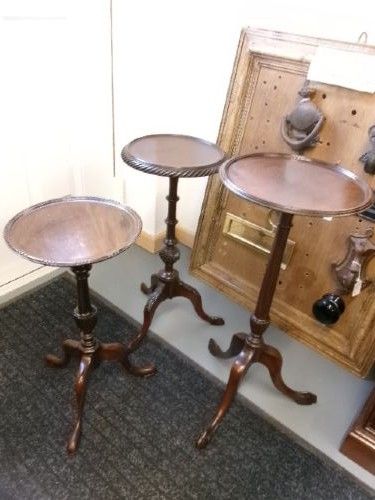
- A raised, scalloped edge carved along the perimeter of a tabletop, resembling pastry work. This detail appears frequently on tripod and wine tables.
- Tripod base
- A central pillar support resting on three spreading feet. This configuration provides stable ground contact for small occasional tables on uneven floors.
- Drop leaf
- A hinged table flap that folds down to reduce the footprint of the piece. Tables with drop leaves offer flexible surface area in compact rooms.
- Barley twist
- A turned wooden furniture leg or support carved in a helical spiral resembling a twisted rope. This decorative turning is common on oak and walnut pieces.
Edwardian Carved Accent Table: Frequently Asked Questions
Where should I place an accent table?
These compact tables fit readily beside armchairs, in narrow hallways or beneath windows where extra surface space is useful. Their small scale allows them to serve as lamp stands or resting spots for drinks without obstructing movement.
Because many examples feature finished backs and detailed carving on all sides, they sit comfortably away from walls in the centre of a room or beside freestanding seating.
How do I identify an Edwardian piece?
Edwardian furniture generally dates from the reign of King Edward VII between nineteen hundred and nineteen ten, though the style extends slightly either side. Look for lighter proportions than heavy Victorian furniture, often combined with revival details drawing on Georgian or Chippendale models.
Construction clues help confirm the era, including secondary timbers used inside drawers and the specific patination of polished mahogany, oak or walnut surfaces accumulated over a century.
What is a wine table used for?
Historically, wine tables provided a stable surface for holding glasses and bottles during evening gatherings. Their small tops and single pillar supports made them easy to reposition near seated guests.
Today, these small tables function effectively as plant stands, lamp holders or bedside surfaces where floor space is limited.
How do I care for antique timber surfaces?
Protect antique wood by avoiding direct sunlight and placing tables away from direct heat sources such as radiators, which can dry out timber and cause veneers to lift. Dust regularly with a dry, soft cloth.
Apply a traditional beeswax polish occasionally to nourish the grain and maintain the natural lustre of the polished surface without building up excessive residue.