

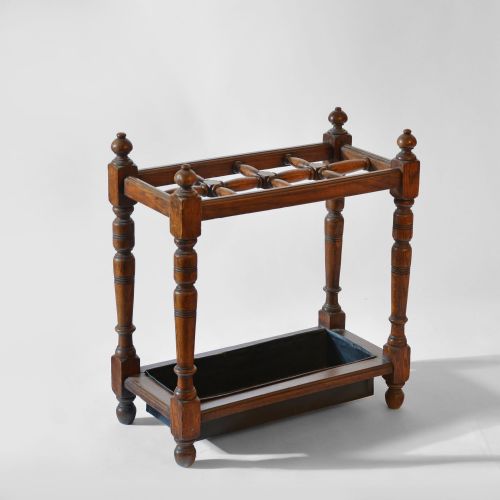
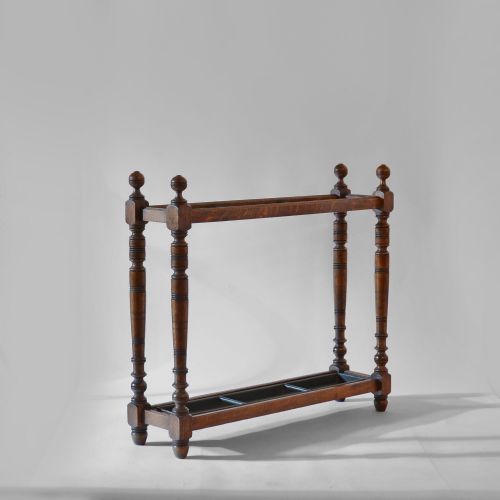
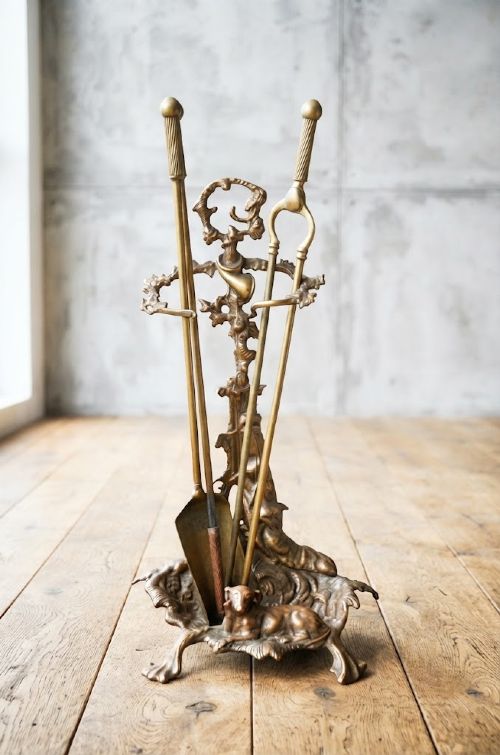
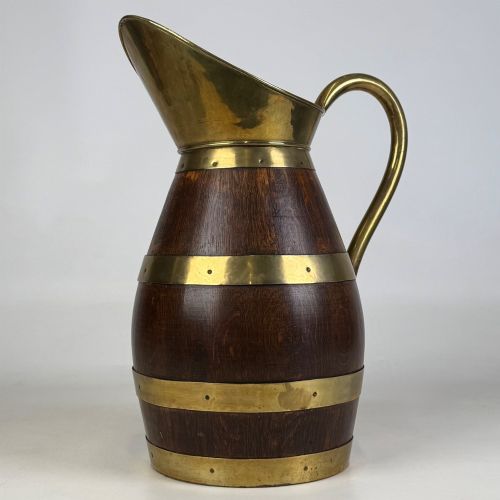
Edwardian Cane Stand
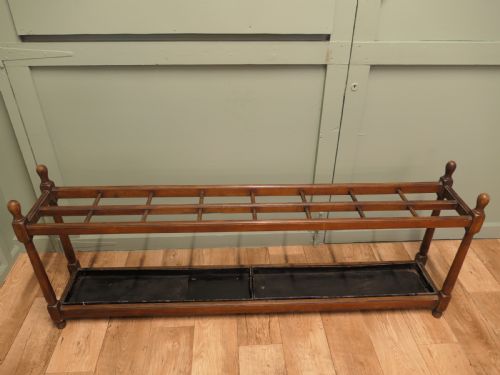
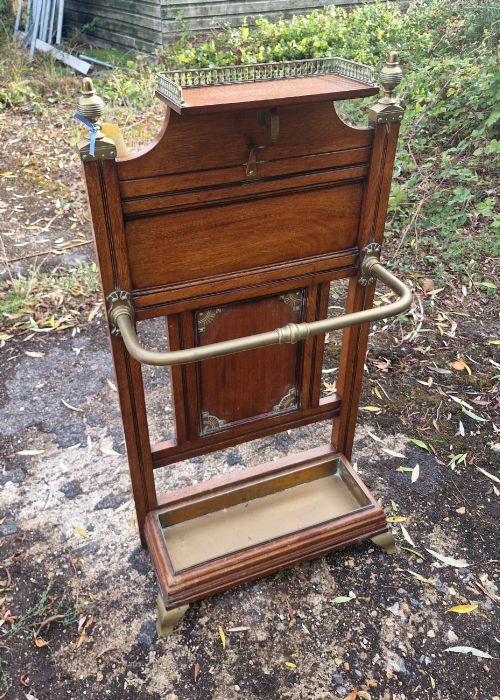
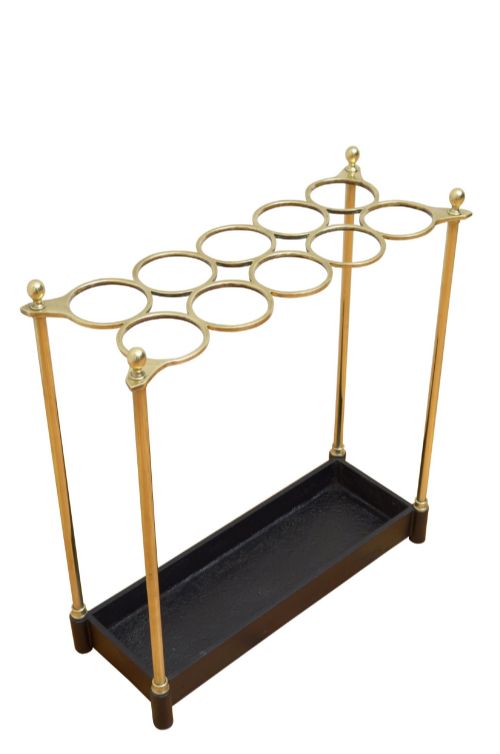
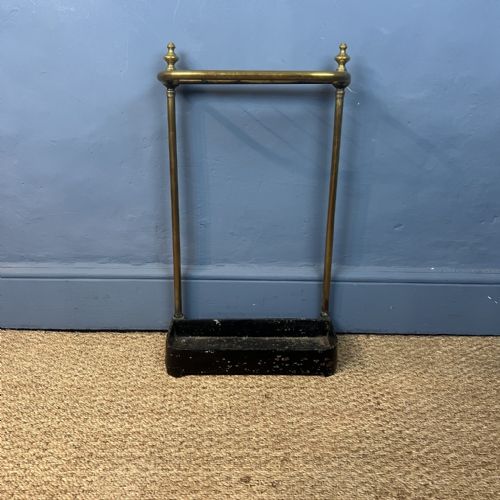
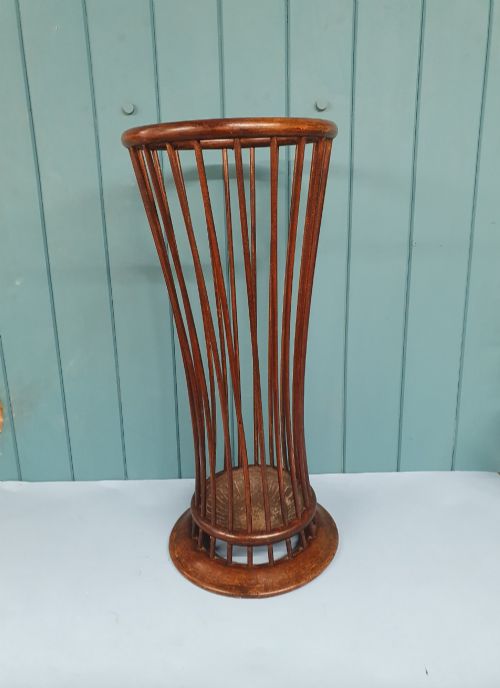
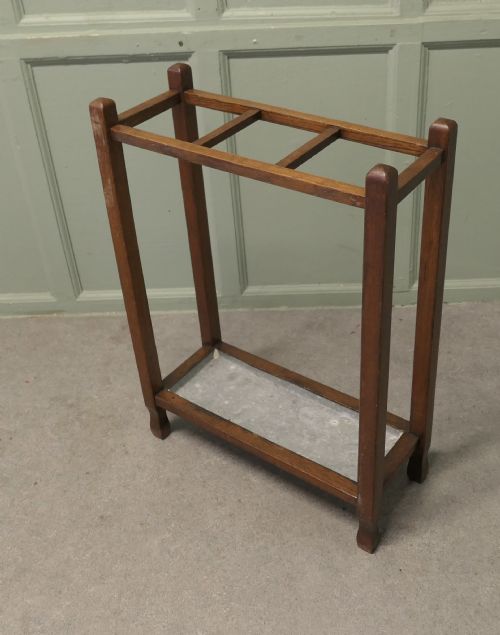
An Edwardian cane stand organises hallways with purposeful design, combining practical metal trays with timber or brass frames.
Edwardian Cane Stand
When you search for an edwardian cane stand, you encounter functional hallway furniture designed to hold walking sticks, umbrellas and canes. The pieces on this page span the Victorian, Edwardian, 1900, 1930, 19th Century, 1880, 1890 and 1920 periods.
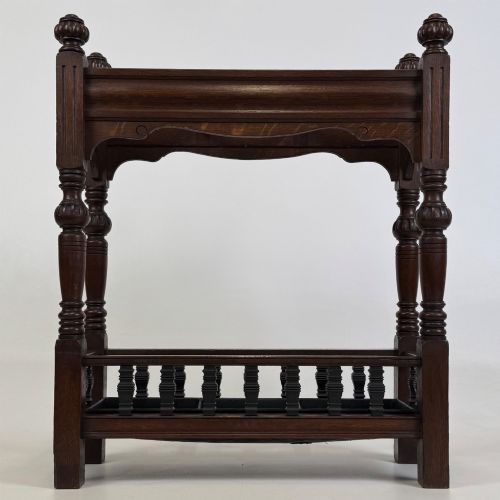
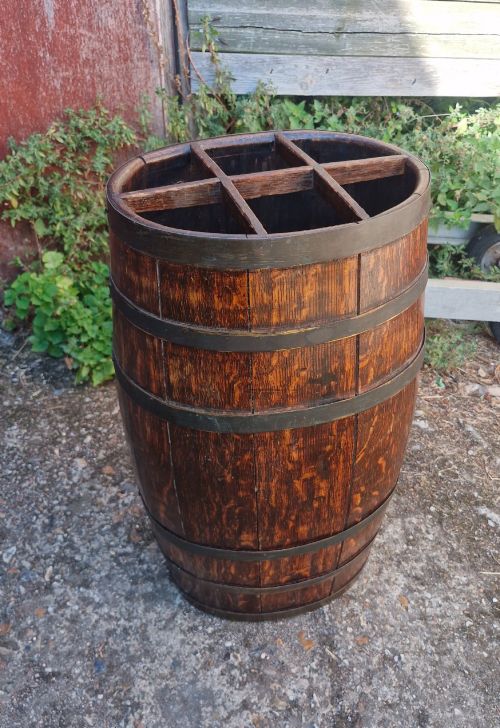
You are most likely to meet oak and brass forms reflecting the prevailing tastes of their time. These items function as umbrella stands, stick stands, hall stands and umbrella and stick stands.
Origins range across English country house workshops and city makers. The physical evidence shows sturdy construction intended for daily domestic use.
Assessing Quality
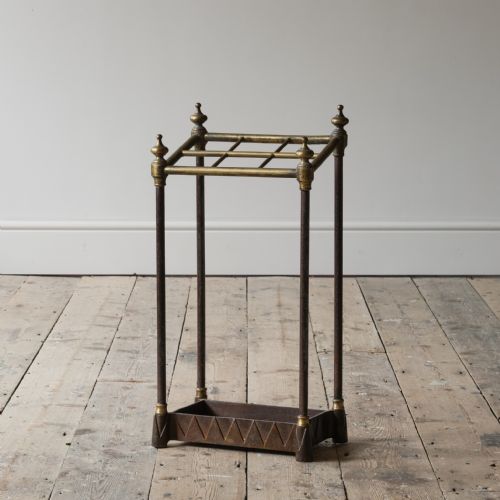
Quality rests upon the selection of timber grain and the weight of the metal components. Heavier cast iron bases and substantial brass bindings indicate superior manufacture compared to lighter, purely decorative alternatives.
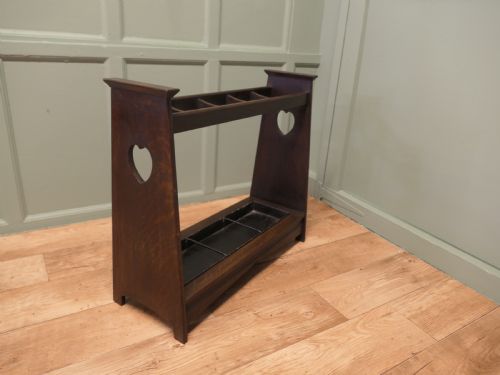
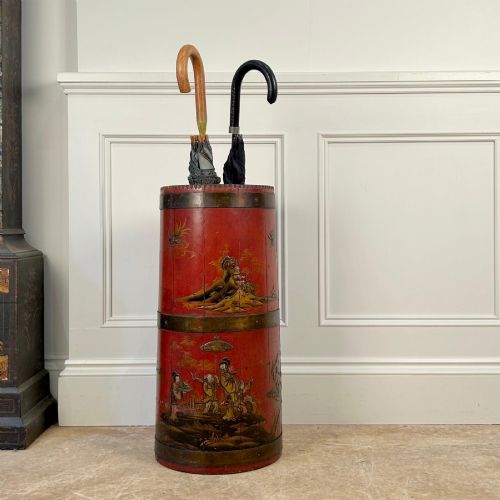
The presence of original metal drip trays elevates an example. Finer pieces display careful joinery in oak or mahogany alongside distinctive stylistic details like Chinoiserie finishes or Liberty design influences.
Some brass stands feature hunting scenes for hunters returning home.
Heals of London·Liberty Design
The Edwardian Cane Stand Glossary
- Demi Lune
- A half-moon shape common in brass stick stands designed to sit flush against a hallway wall.
- Drip Tray
- A metal tray positioned at the base of a stand to collect water from wet umbrellas and protect flooring.
- Ball Finials
- Spherical decorative terminals fitted to the top of brass frames or uprights.
- Campaign Furniture
- Portable or modular furnishings designed for easy transport, sometimes influencing the construction of robust hallway stands.
- Japanned
- A European imitation of East Asian lacquering techniques found on decorative surfaces.
Edwardian Cane Stand: Frequently Asked Questions
How do I maintain oak stands?
Oak furniture benefits from occasional waxing to nourish the grain and protect the timber from moisture.
Ensure that the internal drip tray remains dry to prevent water damage to the base of the stand.
Where were these stands used?
These items stood in the entrance halls of country houses and town residences to greet visitors.
Members of the household used them daily to store walking canes and wet umbrellas upon entering the home.
Are original drip trays important?
Original metal drip trays complete the integrity of the piece and prove its functional history.
Replacements can function adequately, but collectors prefer pieces retaining their original fitted trays.
How do I date a stand?
Dating relies on combining stylistic clues such as Arts and Crafts influences or Gothic Revival details with material use.
Oak and brass combinations span the late nineteenth and early twentieth centuries, shifting in decorative flair.