


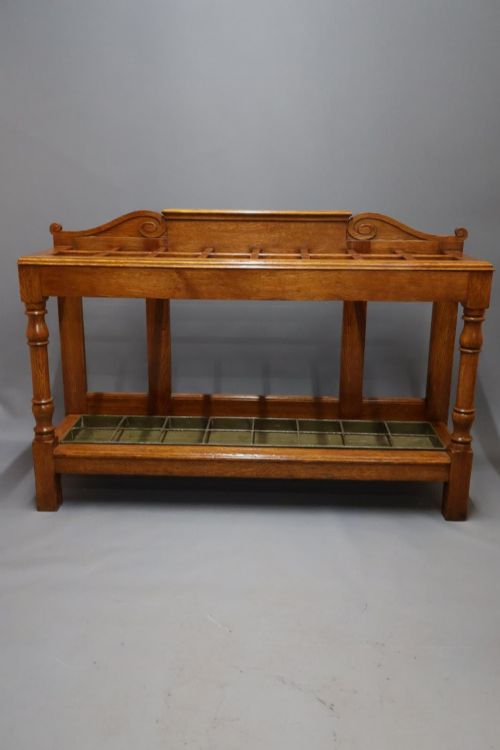
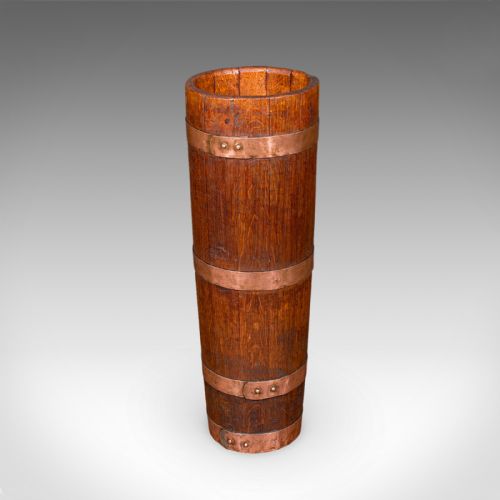
Traditional Hallway Stick Stand
A traditional hallway stick stand brings practical order to an entrance while showing the rich grain of oak, walnut, and polished brass.
Traditional Hallway Stick Stand
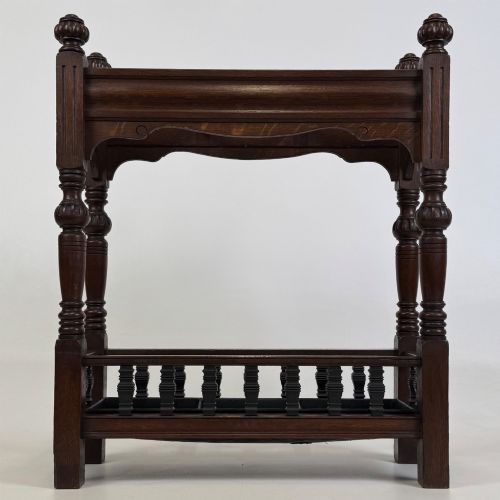
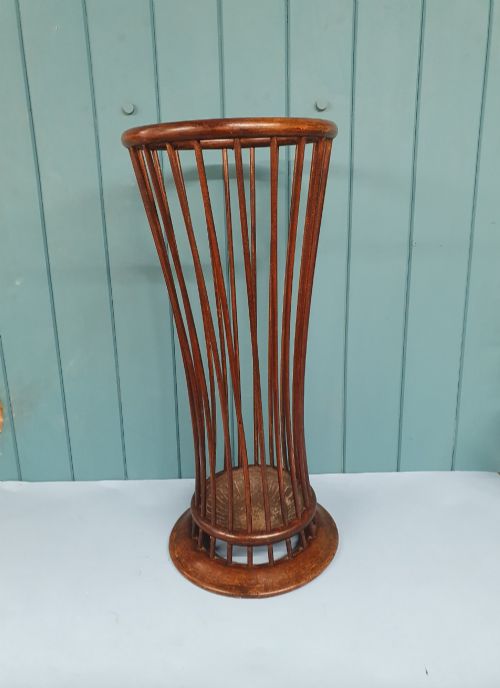
A traditional hallway stick stand provides a designated place for walking canes, umbrellas, and parasols near the front door. These furnishings range from compact corner designs to larger hall pieces intended for country houses and town residences alike.
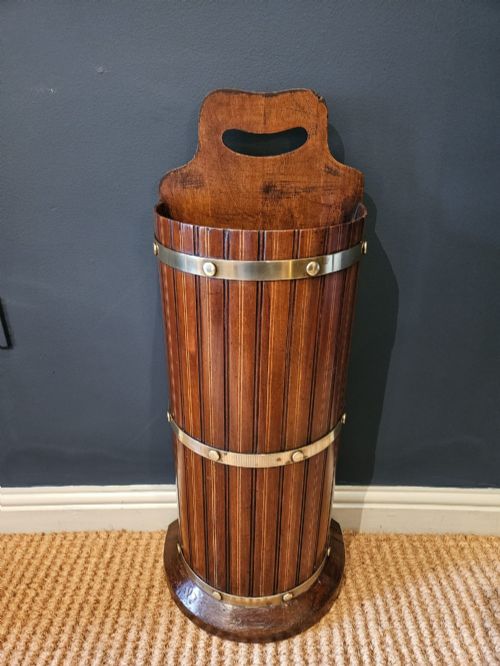
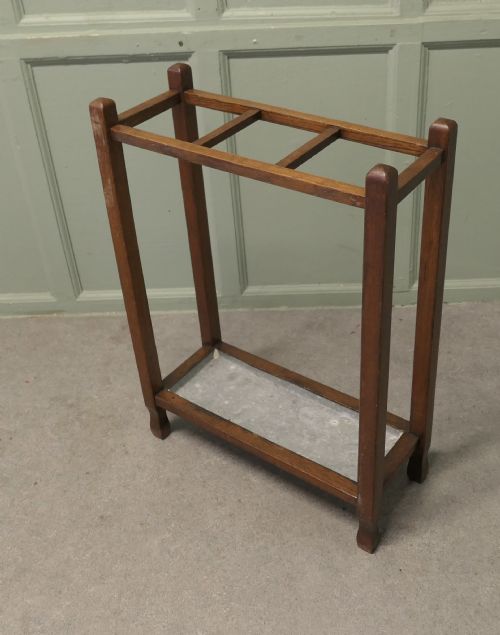
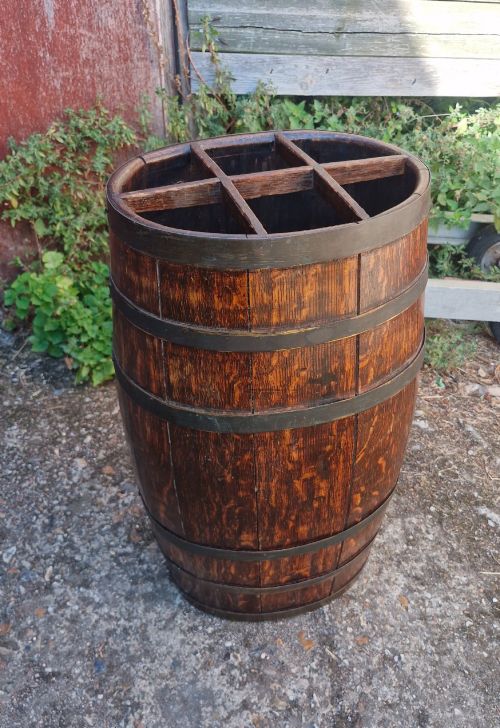
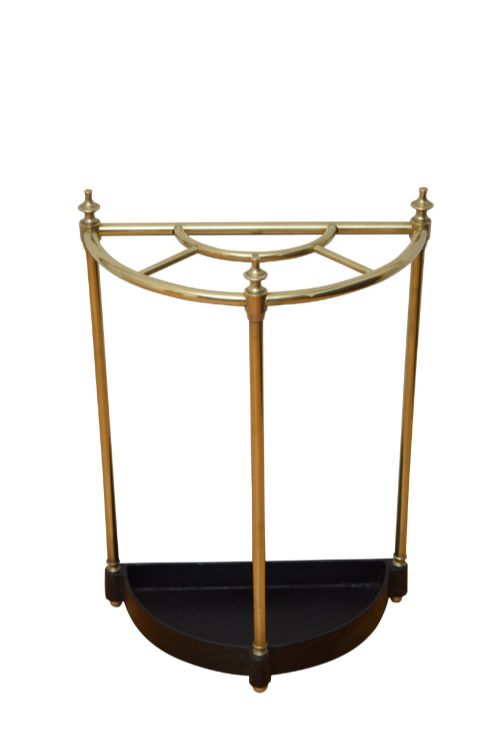
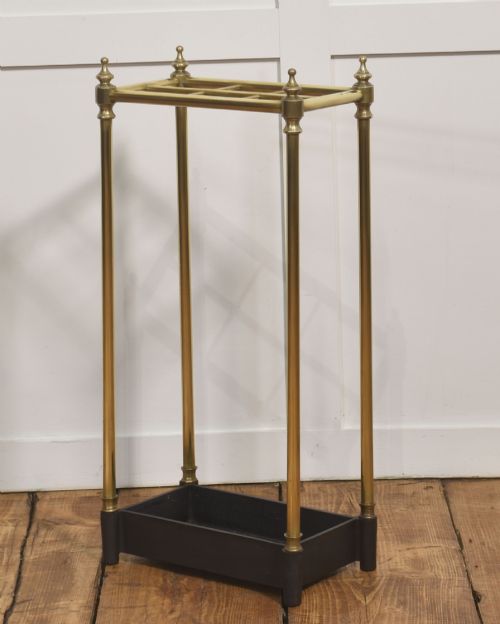
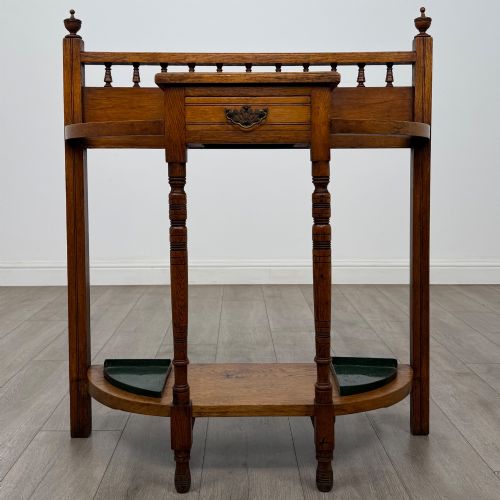
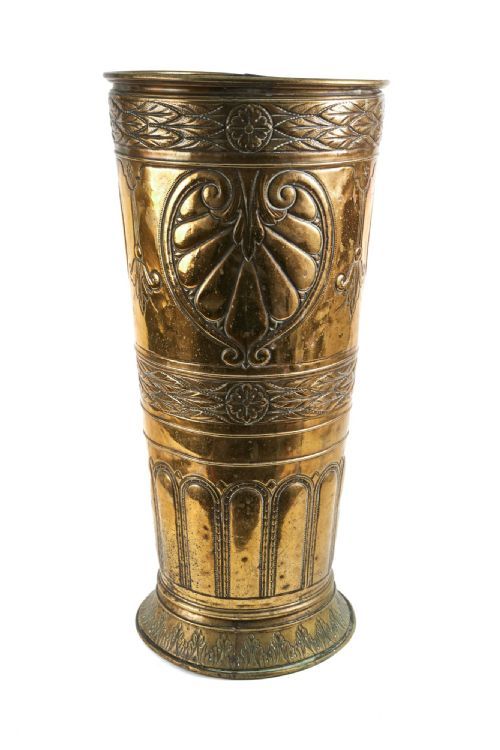
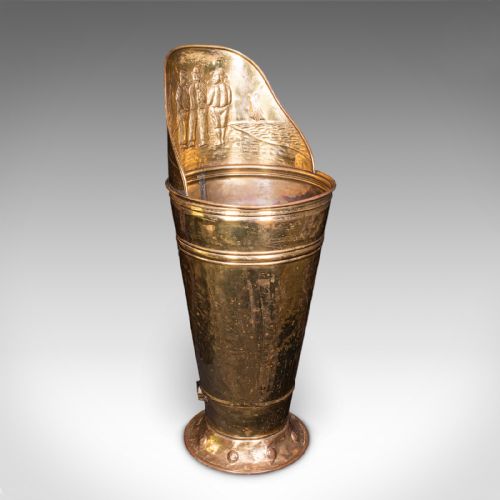
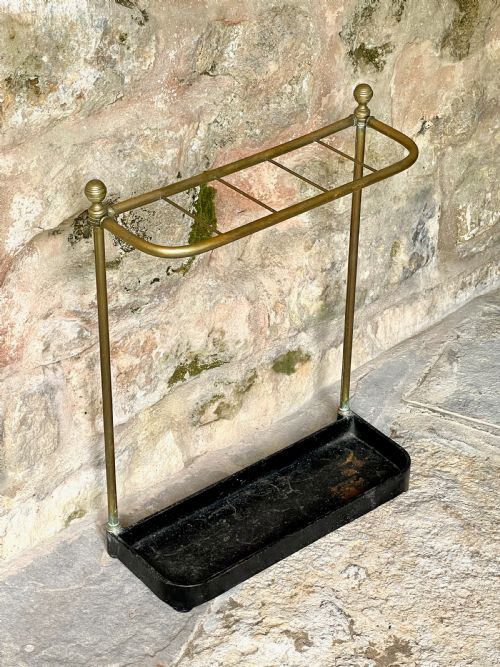
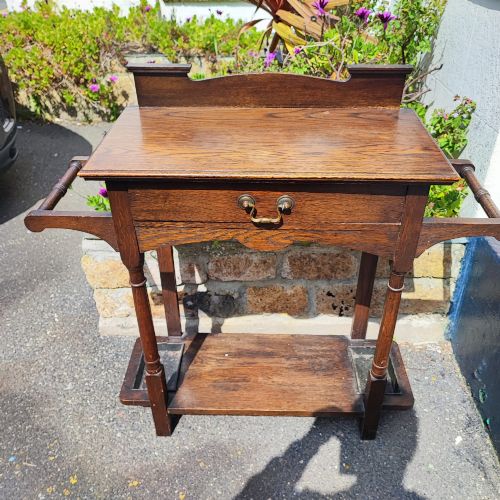
Common forms include barrel-shaped vessels, demi-lune frames, and rectangular racks. Many incorporate original metal drip trays to catch rainwater from wet umbrellas.
How traditional hallway stick stands were made
Cabinetmakers utilised sturdy hardwoods such as oak, mahogany, and walnut to construct the main bodies of these pieces. Coopered construction appears frequently, using wooden staves bound with brass or metal bands to form barrel-shaped receptacles.
Foundries contributed cast iron and solid brass components, shaping them into decorative frames, corner supports, and lattice dividers. Glass and zinc elements occasionally appear, serving as protective liners or decorative panels within the framework.
Traditional Hallway Stick Stand Retail Price Guide 2026
Typical asking prices for traditional hallway stick stand among the pieces listed under this phrase on Sellingantiques today, from the lower quarter to the upper quarter. They describe what is for sale here now, not the wider market.
The listings combine solid oak, mahogany, and walnut with brass and cast iron fittings across the Victorian and Edwardian periods.
What varies in quality
The distinction between standard examples and superior pieces rests on the selection of timber and the execution of details such as brass binding and coopered joints. Fine examples display carefully figured grain in golden oak or rich walnut alongside substantial metal components.
The Traditional Hallway Stick Stand Glossary
- Coopered
- A method of construction where tapered wooden staves are joined side by side, often bound with metal hoops, much like a traditional barrel.
- Demi-lune
- A half-moon shape used for stands designed to sit flat against a hallway wall while occupying minimal floor space.
- Drip tray
- A removable metal basin fitted at the base of a stand to catch water from wet umbrellas and protect the flooring underneath.
- Arts and Crafts
- A design movement favouring honest construction, visible craftsmanship, and simple forms inspired by natural materials.
Traditional Hallway Stick Stand: Frequently Asked Questions
Where should a stick stand go?
These stands belong in a hallway or entrance lobby where guests arrive.
They sit neatly against a wall or fit into a corner to hold walking sticks and wet umbrellas.
How do I protect my floors?
Most period stands feature an original metal drip tray fitted inside the base.
This tray catches rainwater and prevents moisture from damaging wooden hallway floors.
What woods were used?
Cabinetmakers primarily worked with oak, mahogany, and walnut for these hallway pieces.
Golden oak and rich dark mahogany appear frequently across Victorian and Edwardian examples.
Are these pieces waterproof?
The wooden structures rely on metal linings, brass bands, and zinc bases to manage moisture.
Using the original drip tray protects the surrounding timber from constant dampness.