
Antique Walking Stick Holder
An antique walking stick holder keeps hallway clutter orderly, bringing robust brass, cast iron and timber into daily use.
Antique Walking Stick Holder
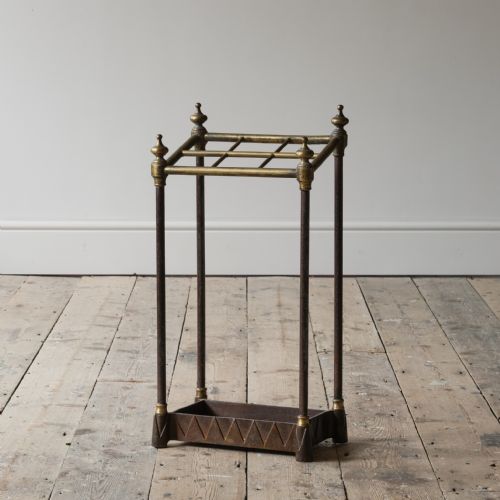
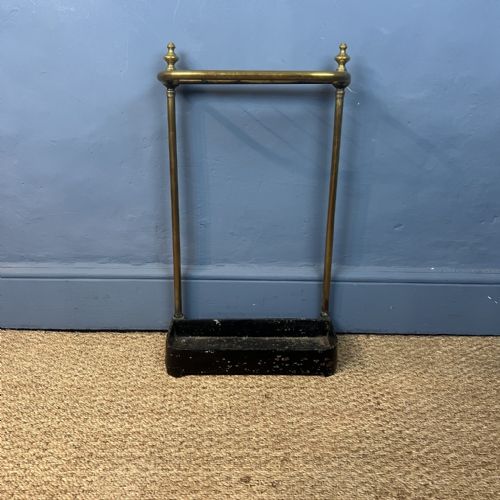
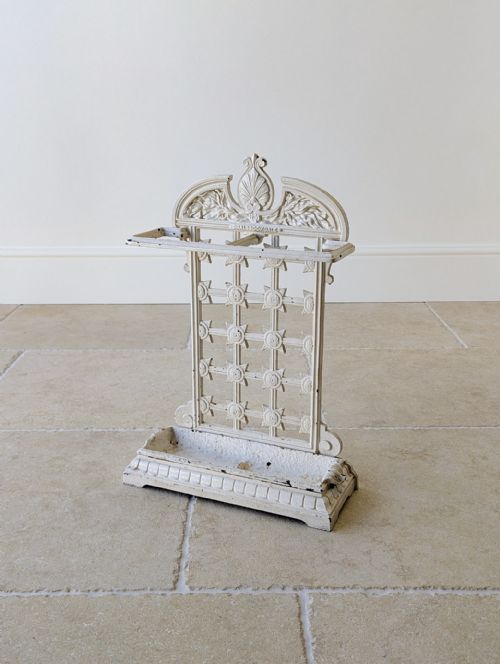
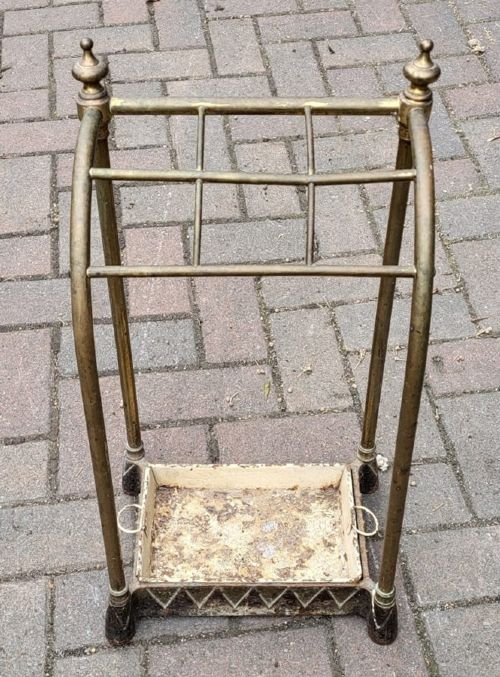
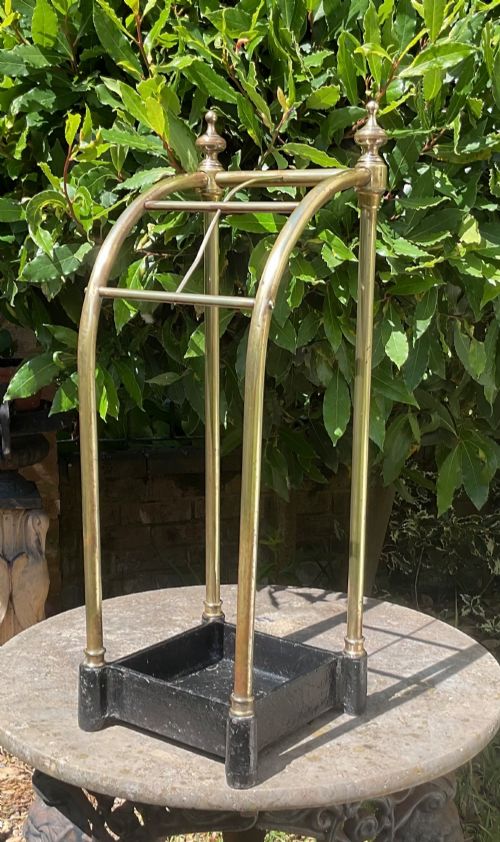
An antique walking stick holder serves as a functional hallway furnishing designed to store canes, parasols and umbrellas. These pieces range from compact brass demi-lune frames to heavy cast iron receptacles meant for country house vestibules.
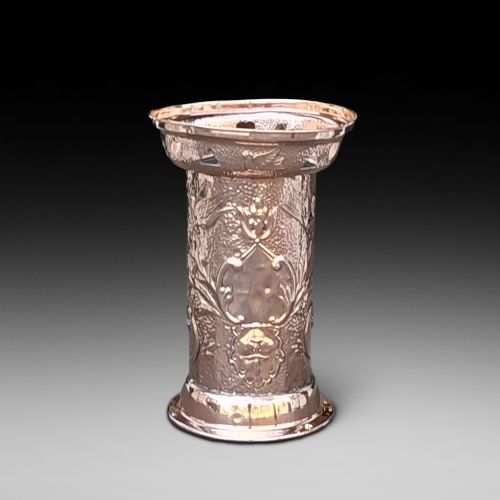
The versions most commonly met on this page date from the Victorian and Edwardian periods, constructed to handle the daily demands of damp weather and heavy outdoor gear. Makers utilised robust materials such as oak, mahogany, copper and iron to ensure longevity in busy entrances.
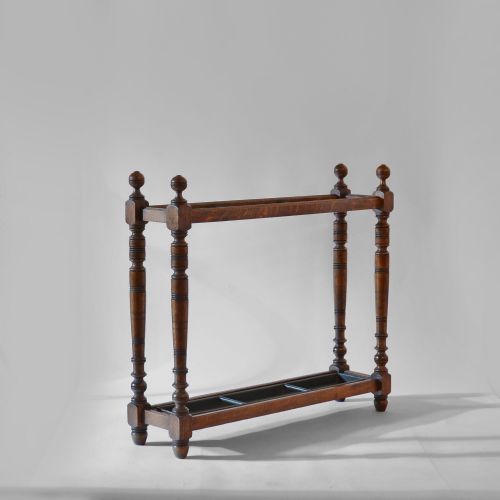
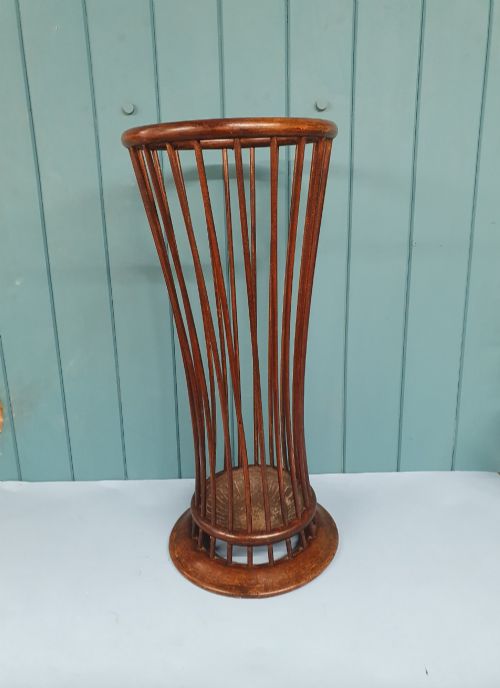
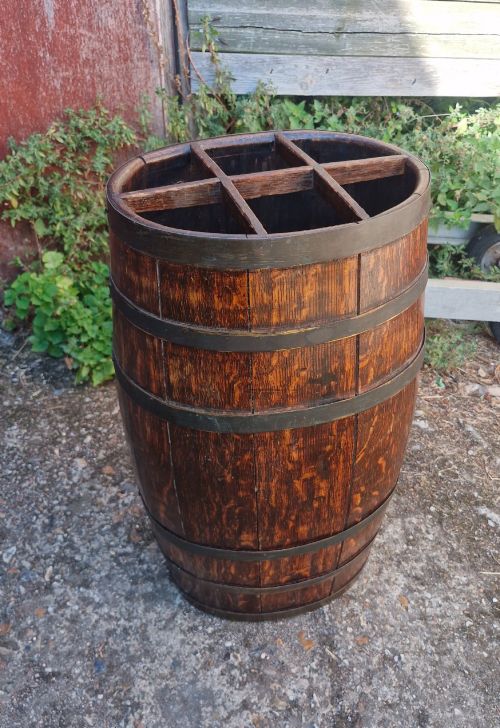
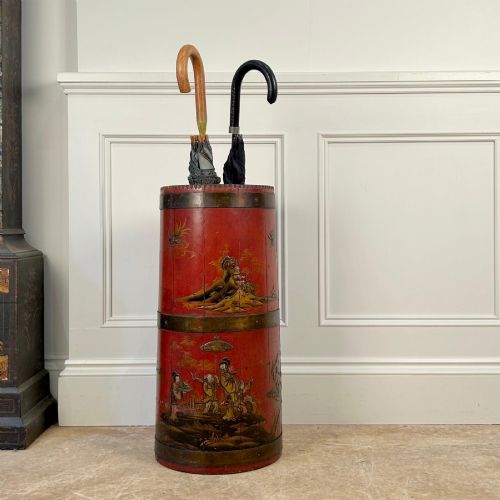
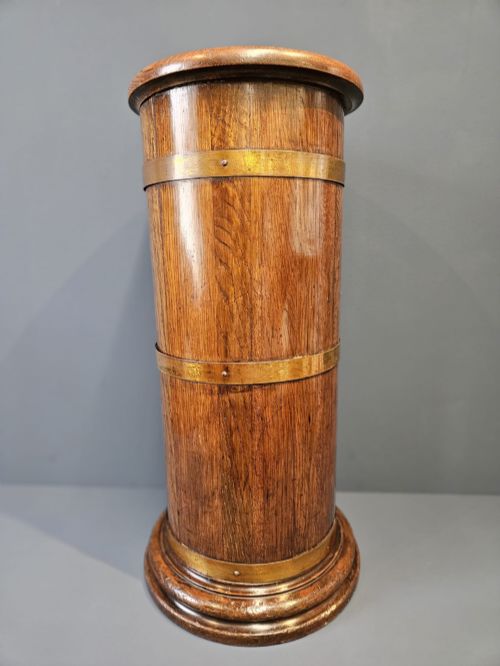
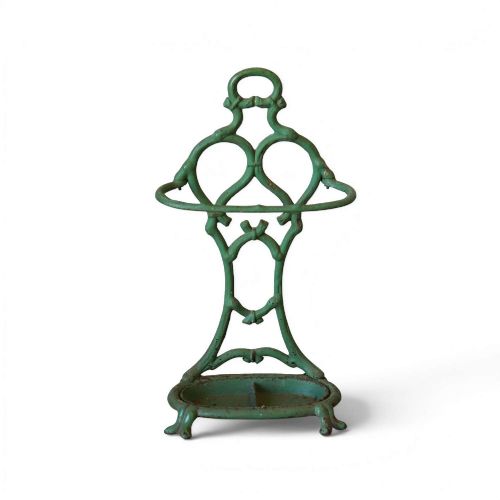
Forms vary from coopered wooden barrels and pitch pine stands to sculptural cast iron framework featuring drip trays. Buyers encounter styles spanning Gothic Revival, Art Nouveau and Aesthetic Movement designs.
How they were made
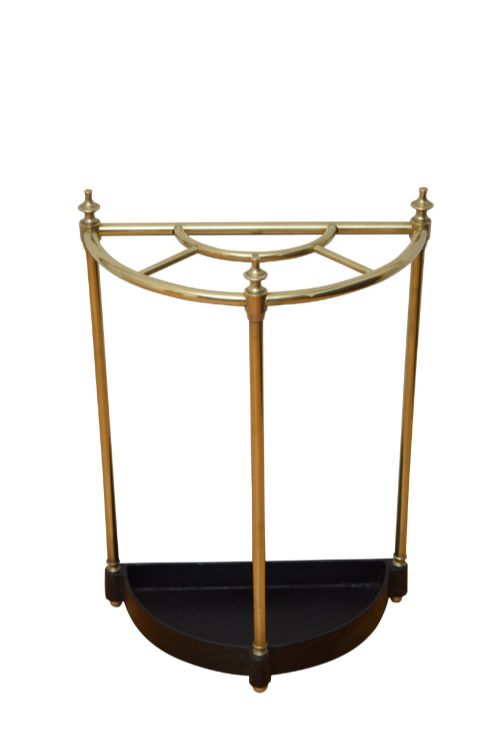
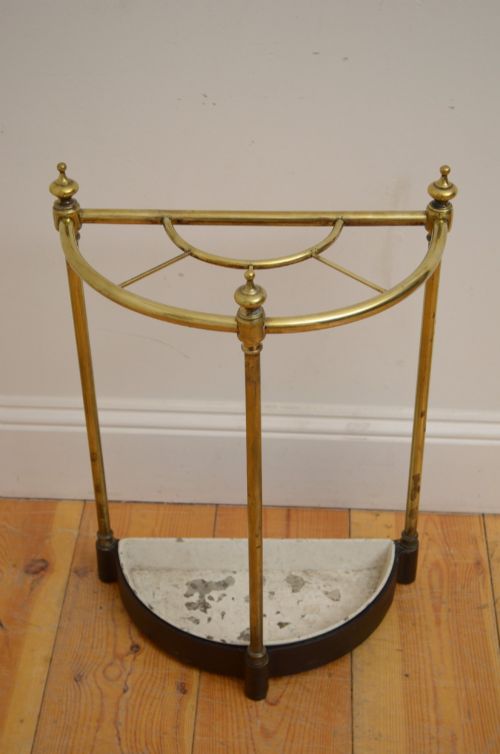
Metal examples rely heavily on cast iron and spun brass, often combining heavy weighted bases with delicate pierced frames or faux bois bamboo moulding. Foundry work allowed makers to produce intricate motifs like gun dogs or botanical patterns.
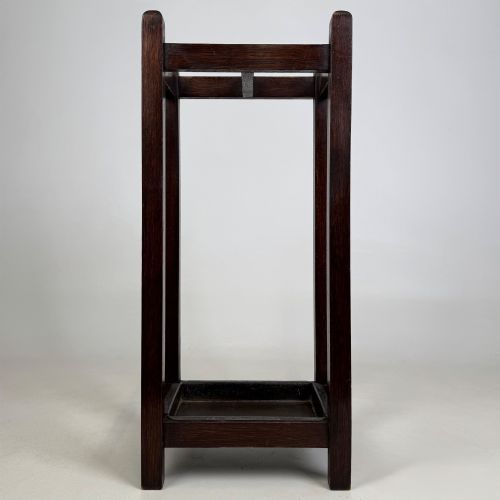
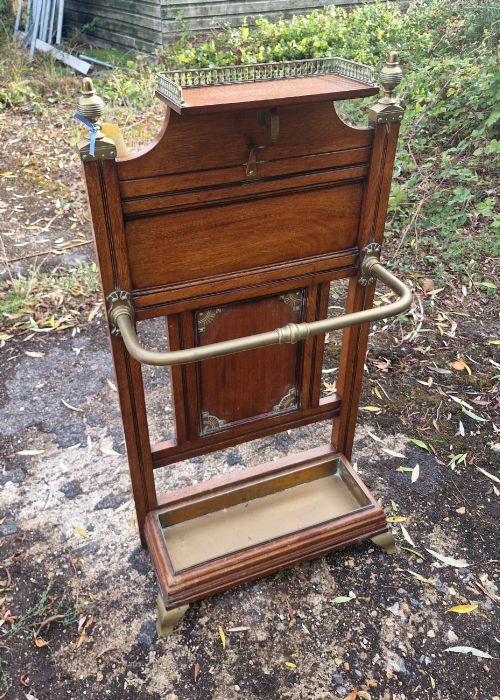
Wooden variants employ traditional cooperage, steam bending and cabinetmaking techniques using oak, mahogany and pitch pine. Metal bands, copper accents and original removable drip trays frequently accompany timber bodies to manage moisture.
Antique Walking Stick Holder Retail Price Guide 2026
Typical asking prices for walking stick holder among the pieces listed under this phrase on Sellingantiques today, from the lower quarter to the upper quarter. They describe what is for sale here now, not the wider market.
A carved Black Forest bear stands ready to guard your walking sticks.
What varies in quality
Quality rests in the weight of the casting, the crispness of the foundry work and the integrity of the timber construction. Superior cast iron pieces display deep, sharp relief without softness in the decorative patterns.
The presence of original matching drip trays and secure metal bindings elevates a piece significantly. Finer examples combine thoughtful design, such as demi-lune shapes for tight hallway spaces, with substantial materials.
Coalbrookdale·Thomas Jeckyll·Falkirk Ironworks·Heals of London
The Antique Walking Stick Holder Glossary
- Demi-lune
- Half-moon shape designed to sit flush against a hallway wall. This profile allows the holder to occupy minimal floor space while accommodating multiple walking sticks.
- Coopered
- Constructed using wooden staves bound by metal hoops, much like a barrel. This technique provides structural strength for holding heavy timber and metal shafts.
- Drip tray
- A metal base insert designed to catch water running off wet umbrellas. Original trays are crucial for preserving the integrity of the lower frame.
- Faux bois
- An artistic imitation of wood grain applied to cast iron or other materials. This French term translates to false wood and was popular in naturalistic designs.
Antique Walking Stick Holder: Frequently Asked Questions
Where should I place an antique walking stick holder?
These holders suit entrance halls, boot rooms and vestibules where outdoor gear gathers. Their compact footprints allow them to stand neatly against walls without blocking passageways.
Ensure the floor beneath can handle any residual moisture from wet umbrellas, even when fitted with a proper metal drip tray.
How do I protect my floors from dampness?
Most period stands include an original metal tray at the base to catch water. Check that this tray remains intact and watertight before placing the stand on delicate floorboards.
Inserting a modern absorbent mat inside the tray offers extra protection without altering the exterior appearance of the piece.
Can these holders accommodate modern umbrellas?
Historical umbrella dimensions generally align with modern folding and full-sized walking umbrellas. However, extremely wide golf umbrellas might struggle to fit into narrower Victorian cast iron rings.
Review the internal diameter of the individual loops or apertures if you intend to store oversized modern wet weather gear.
How do I tell Victorian from Edwardian stands?
Victorian examples often favour heavier cast iron, Gothic Revival motifs or dark oak with substantial brass bindings. They frequently display robust, utilitarian designs built for grand country houses.
Edwardian pieces tend to introduce lighter aesthetics, including Chinoiserie japanning, cleaner oak lines and brighter copper or brass accents suited for smaller suburban hallways.