




Edwardian Brassware
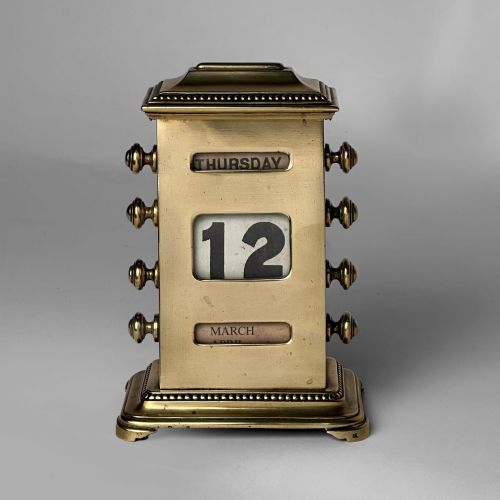
Edwardian brassware brings warmth and utility into a room, offering everything from heavy hearth coal bins to delicate desk calendars.
Edwardian Brassware
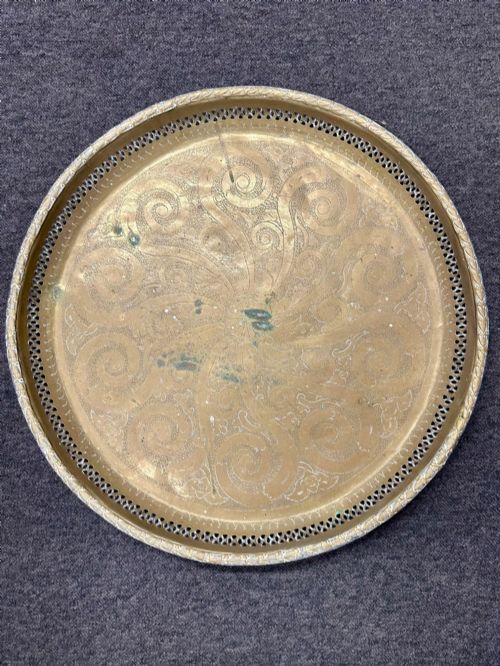
When someone searches for edwardian brassware, they encounter a range of domestic objects produced around the turn of the twentieth century alongside pieces from neighbouring periods. The selection on this page centres on candlesticks, fireside accessories, tableware, and smoking items.
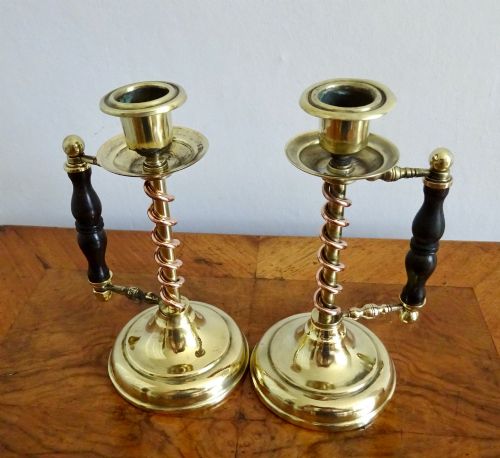
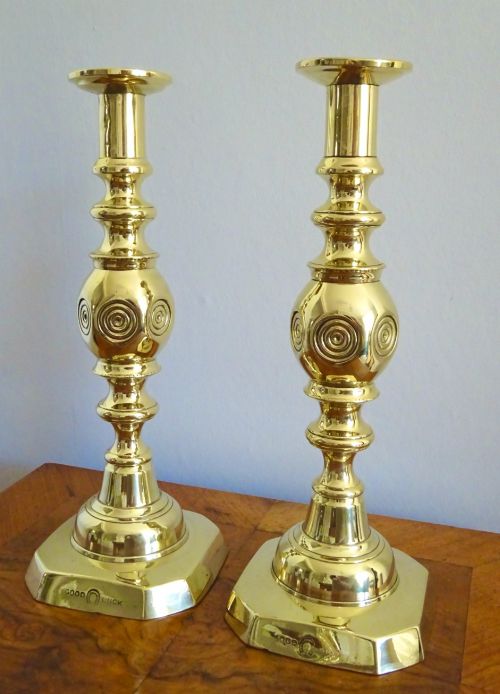
The most common forms met here include pairs of candlesticks, coal bins, spirit kettles, and desktop items. Pieces span the Victorian era, the Edwardian period, and the 1920s, with styles encompassing Arts and Crafts, Art Nouveau, and Gothic Revival.
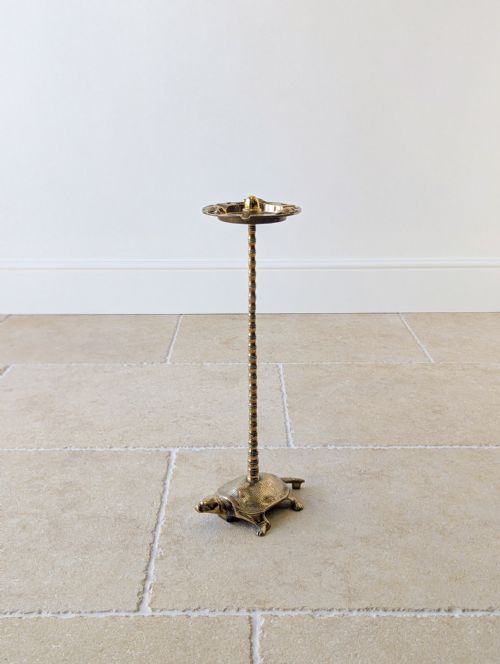
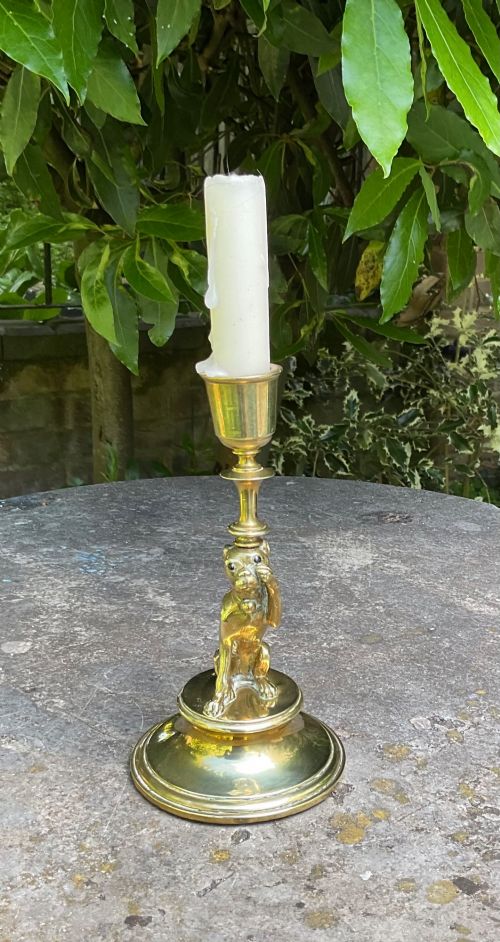
Makers such as William Tonks, Benham and Froud, and J Sankey and Sons appear among the items, reflecting the industrial output of the period. Buyers also find curious novelty items such as pug dog candlesticks and tortoise cigar stands.
Judging quality
Quality depends upon the crispness of the casting and the weight of the metal used in the object. Finer pieces display careful chasing and well-defined decorative motifs, particularly in Art Nouveau plant planters and Arts and Crafts candlesticks.
Maker attribution separates standard commercial production from workshop pieces bearing identifiable marks or stamps. The presence of matching pairs and original components also distinguishes better specimens from assembled or incomplete items.
Edwardian Brassware Retail Price Guide 2026
Typical asking prices for edwardian brassware among the pieces listed under this phrase on Sellingantiques today, from the lower quarter to the upper quarter. They describe what is for sale here now, not the wider market.
A cast brass pug dog holds the candle aloft, proving that Edwardian households enjoyed a distinct sense of humour.
William Tonks and Sons·Benham and Froud·J Sankey and Sons·Frederick J Smith and Co
The Edwardian Brassware Glossary
- Cast brass
- Metal poured into a mould to create three-dimensional objects with complex relief decoration. This method produces sturdy items like candlesticks and nutcrackers.
- Coal bin
- A lidded metal container designed to hold solid fuel by the hearth. These often feature drop handles and decorative repoussé panels.
- Spirit kettle
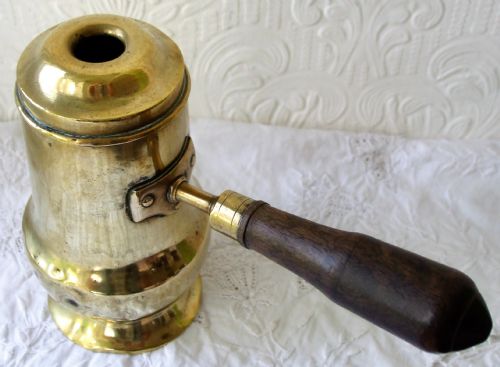
- A water vessel mounted on a metal stand above a small burner. They were used to heat water at the tea table.
- Repoussé
- A metalworking technique where the pattern is hammered into relief from the reverse side. It is characteristic of Arts and Crafts metalwork.
- Chalice
- An ecclesiastical cup used during religious services. Heavy gothic examples in this brassware range date around nineteen hundred.
Edwardian Brassware: Frequently Asked Questions
How do I clean antique brass?
Antique brass benefits from gentle dusting and occasional cleaning with a non-abrasive metal polish. Heavy scrubbing removes the aged patina that collectors value.
Leaving some dark oxidation in the recessed areas helps maintain the visual depth of cast decoration.
Are these items purely decorative?
Many pieces remain functional for modern domestic use, such as coal bins, planters, and desk calendars. Candlesticks accommodate standard taper candles.
Tableware items like spirit kettles and chestnut roasters serve well as display pieces or decorative accessories.
How do I spot a reproduction?
Genuine pieces show appropriate wear patterns, manufacturing tool marks, and period construction methods. Older brass often has a deeper, warmer tone.
Examine fixings like screws and hinges to ensure they align with the stated period of manufacture.
What is the difference between brass and copper?
Brass is an alloy of copper and zinc, yielding a bright golden colour. Copper is a pure metal with a distinct reddish hue.
Many Arts and Crafts pieces combine both metals for contrast in design.