



Antique Military Collectible
When you search for an antique military collectible, you are looking at centuries of service history captured in steel, wood, and brass.
Antique Military Collectible
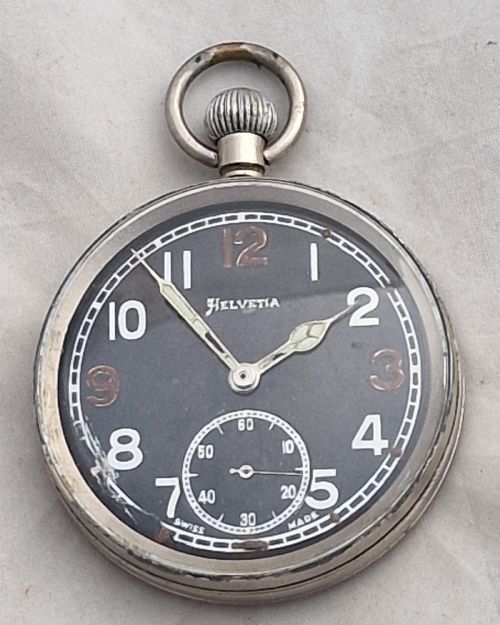
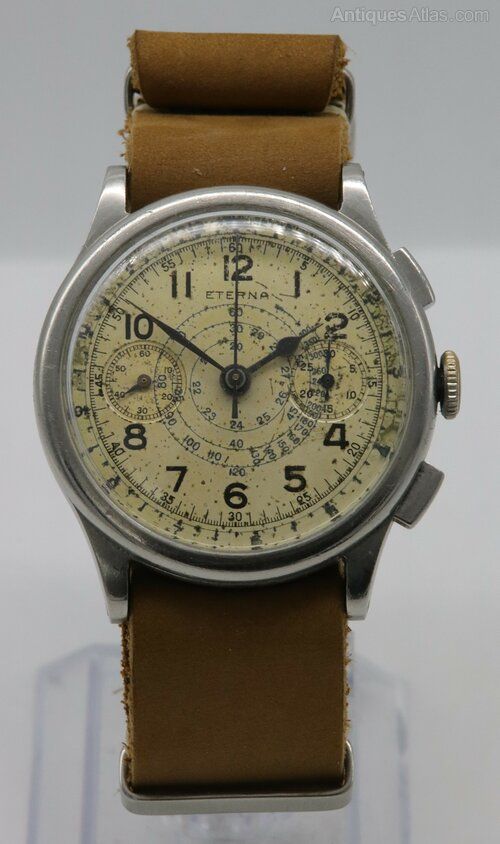
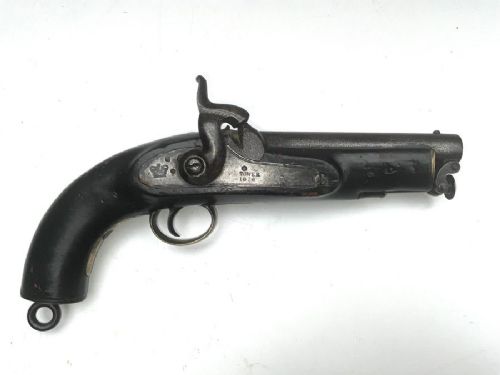
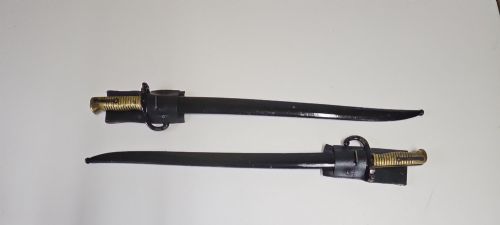
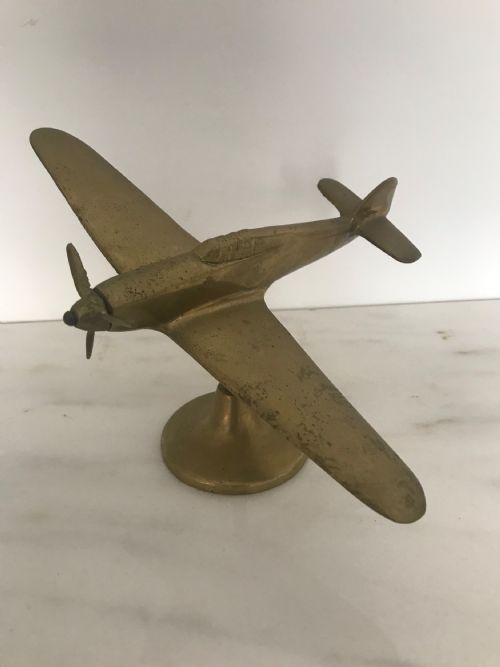
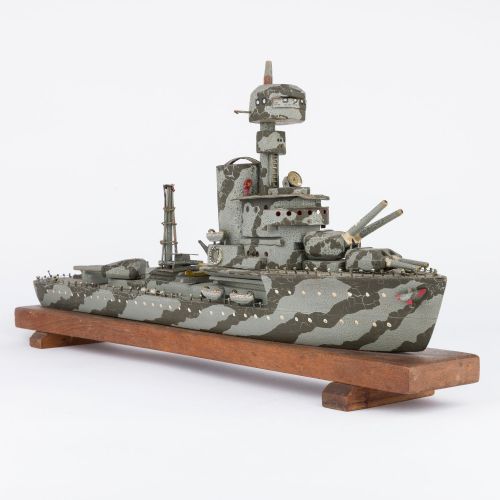
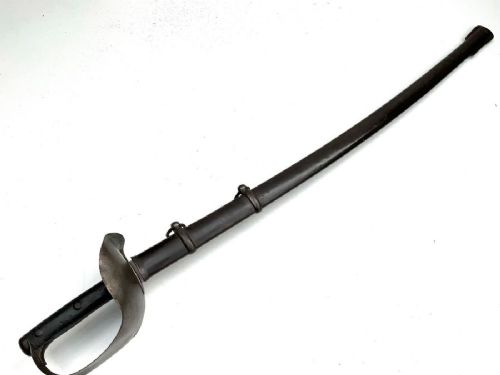
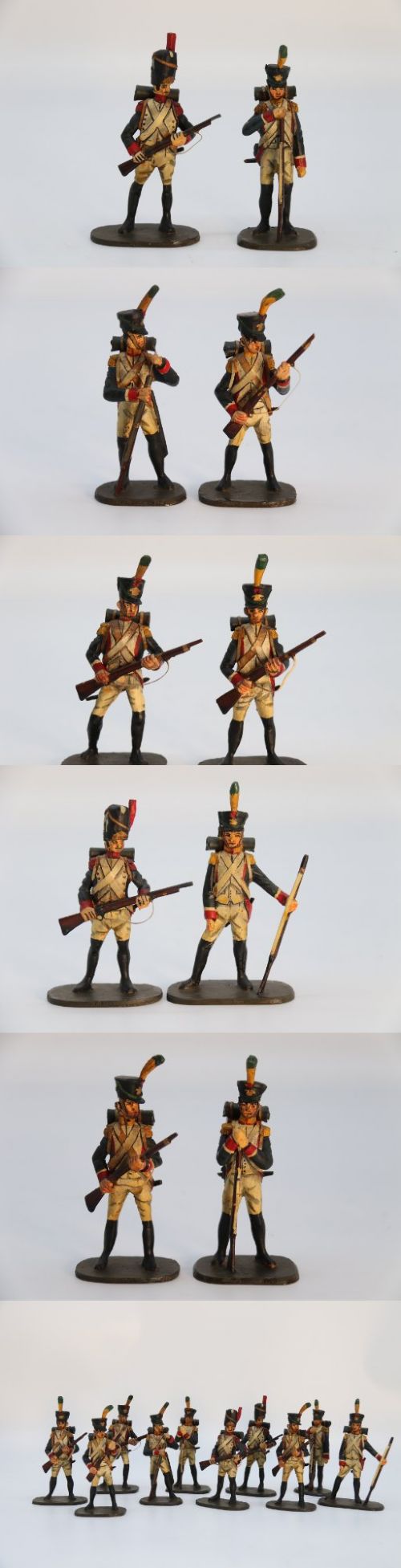
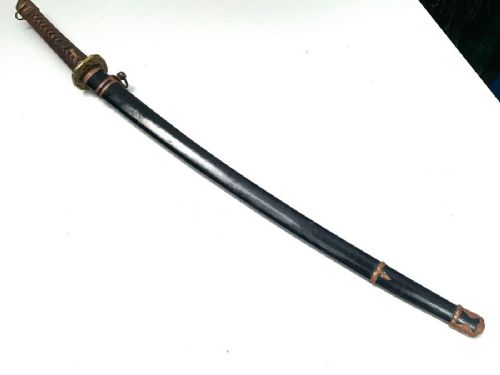
An antique military collectible spans functional service gear, personal timepieces, and commemorative models dating from the eighteenth century through the mid-twentieth century. Buyers searching this category frequently encounter edged weapons, flintlock and percussion pistols, wristwatches issued to pilots, and scale models of battleships or aircraft.
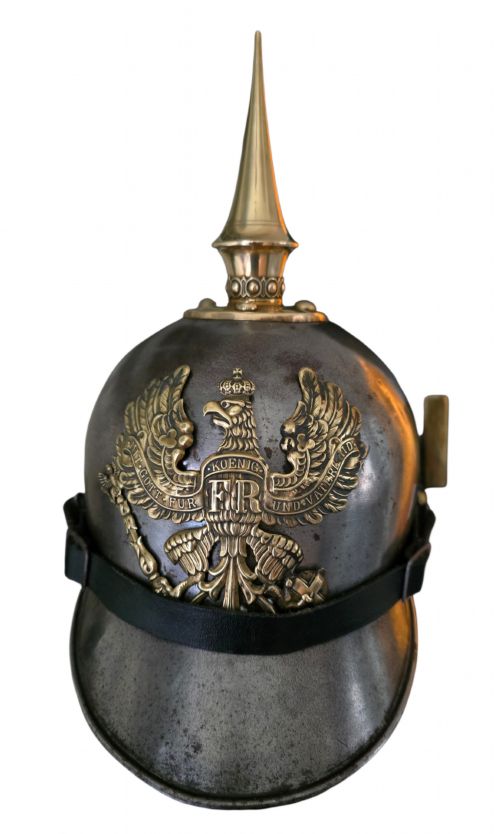
The objects originate from diverse conflicts and global arsenals, encompassing British cavalry swords, German pickelhaube helmets, and French muskets. Domestic desk ornaments and trench art carved from wood and horn also appear alongside standard-issue field equipment.
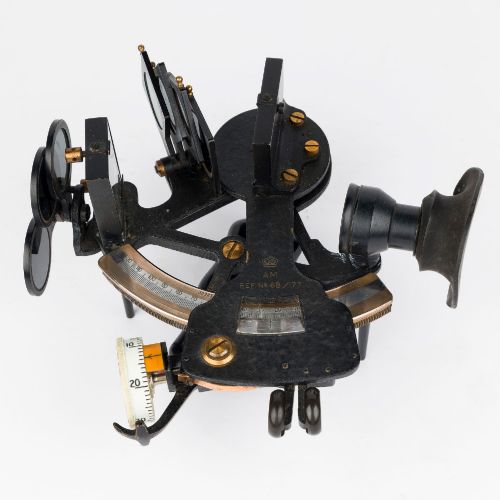
Dating ranges from the Georgian and Napoleonic eras through the Victorian period and both World Wars. Each piece reflects the specific technological demands of its operational era, from naval navigation instruments to infantry sidearms.
Materials and construction
Makers utilised robust combinations of steel, iron, brass, and walnut to withstand active service conditions. Edged weapons and firearms combine forged metals with seasoned hardwoods, while precision instruments integrate glass dials and delicate metal movements.
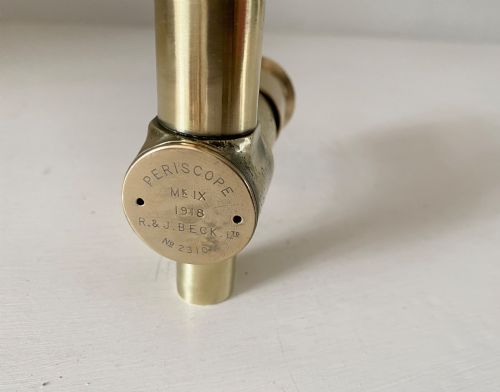
Hand-finished components dominate the earlier periods, visible in hand-carved wooden figures, engraved lockplates, and stitched leather belts. Twentieth-century items demonstrate industrial production methods, incorporating stainless steel and stamped alloy housings for military timepieces and periscopes.
A world war trench art pipe carved from wood and horn offers a humorous glimpse into frontline soldier creativity.
Evaluating standard and preservation
Quality separates standard mass-issued equipment from regulation pieces bearing specific maker stamps, government issue marks, and matching serial numbers. Surviving examples retain their original surface patinas, legible barrel inscriptions, and functional mechanical actions.
The degree of original finish preservation and the presence of documented military issue markings dictate the standing of a piece. Intact components, such as original scabbards for swords or authentic Department of Ministry marks on watches, distinguish superior specimens from altered or heavily restored items.
R & J Beck Ltd·Henry Nock·Maw London
The Antique Military Collectible Glossary
- Flintlock
- An ignition mechanism for firearms that uses a flint struck against a steel frizzen to create a spark. This system dominated military and civilian small arms from the seventeenth through the early nineteenth century.
- Percussion cap
- A small metal cup containing a detonating compound placed on a nipple to ignite the powder charge in a firearm. It replaced the flintlock system during the nineteenth century.
- Pickelhaube
- A spiked helmet worn by nineteenth and twentieth-century German military, fire-fighters, and police. They typically feature leather bodies with distinctive brass fittings and front plates.
- Trench art
- Decorative or utilitarian objects made by soldiers, prisoners of war, or civilians from war scrap and discarded materiel. Common materials include shell casings, wood, and bone.
- Chronograph
- A watch with a display function used for timing intervals alongside standard timekeeping. Military variants often incorporated precise stop-start mechanisms for navigation and artillery calculation.
Antique Military Collectible: Frequently Asked Questions
How do I identify military watch issue marks?
Government-issued timepieces often bear specific markings on the case back, such as broad arrow symbols or ministry codes like A.M. for the Air Ministry. These stampings denote official military property and assist in verifying the service branch.
Serial numbers and contract codes stamped into the metal further connect the watch to specific procurement batches from manufacturers like Omega or Ebel.
What is the difference between flintlock and percussion pistols?
Flintlock pistols rely on a flint striking a steel plate to produce sparks that ignite loose gunpowder in the pan. This system was standard prior to the nineteenth century.
Percussion pistols utilise a sealed cap placed on a nipple, struck directly by the hammer to fire the charge. This later method offered vastly improved reliability in wet weather conditions.
How should I clean antique brass military items?
Antique brass objects retain their historical value best when left with a natural, aged patina rather than polished to a bright shine. Over-cleaning removes subtle details and maker stamps accumulated over centuries of existence.
Light dusting with a dry microfiber cloth is generally sufficient to protect the surface without altering the metal's natural oxidation.
What periods do these military collectibles cover?
The available selection spans from the late eighteenth century through the mid-twentieth century. Major represented eras include the Napoleonic wars, the Victorian period, and the First and Second World Wars.
Each period exhibits distinct manufacturing techniques and material choices dictated by the technological standards of contemporary armed forces.