
Vintage Desk Ornament
Vintage desk ornament describes small sculptures, paperweights, and functional desk accessories designed to bring character to a workspace.
Vintage Desk Ornament
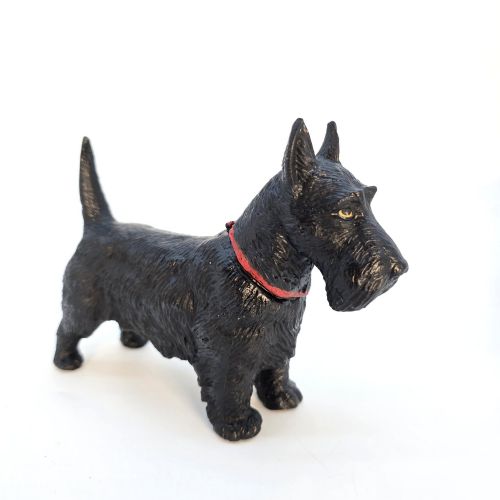
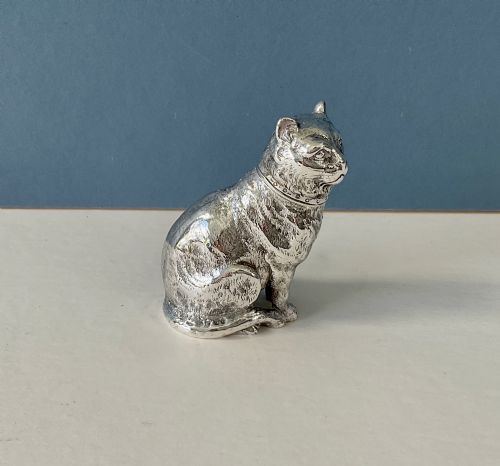
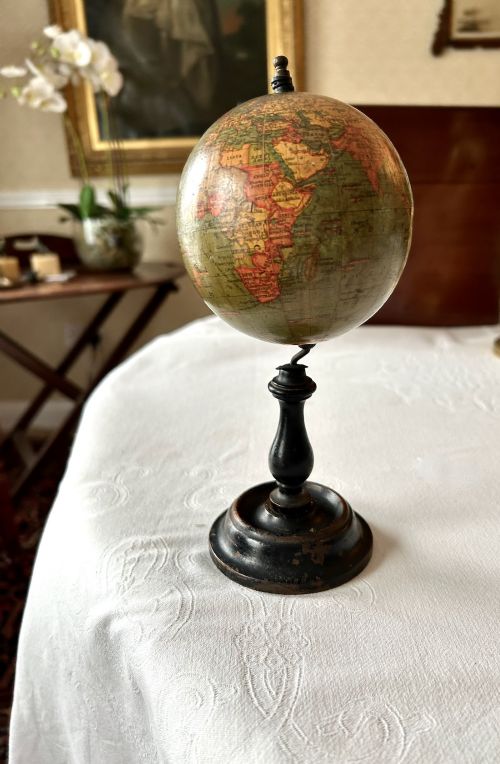
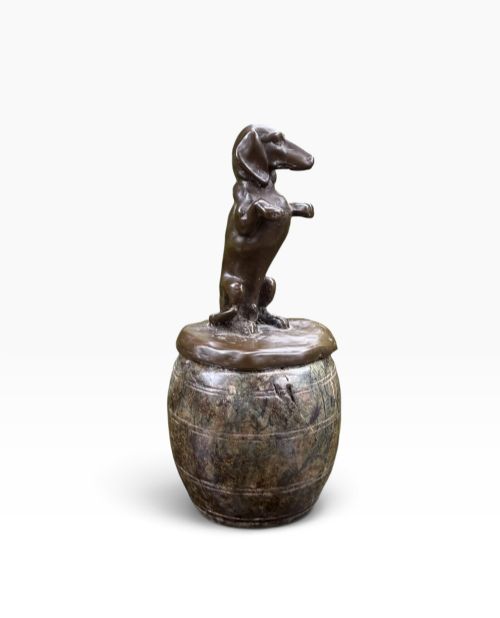
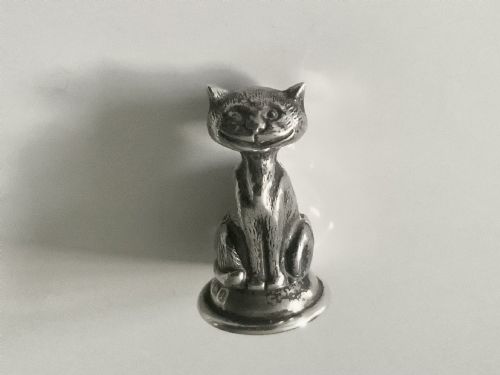
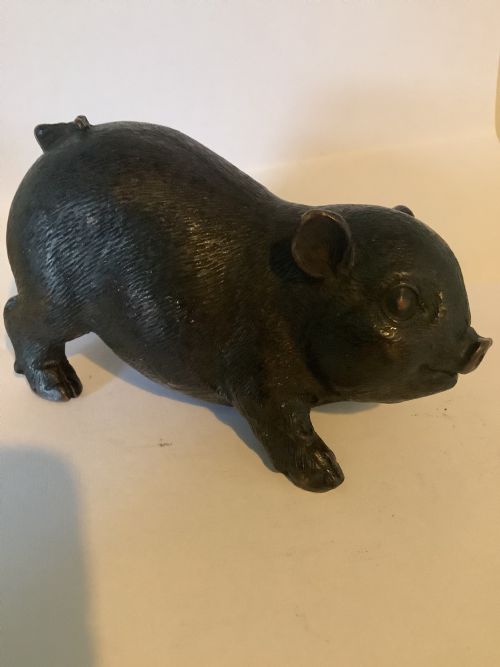
A vintage desk ornament encompasses a diverse range of objects intended for the desktop, spanning from small animal figures and paperweights to miniature globes and seals. The pieces appearing here originate from the nineteenth century through the mid-twentieth century, capturing varied aesthetics from Victorian craftsmanship to Art Deco and Mid-Century Modern designs.
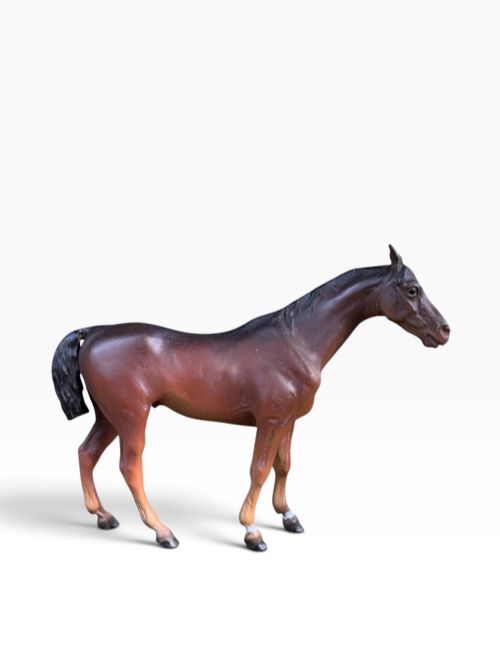
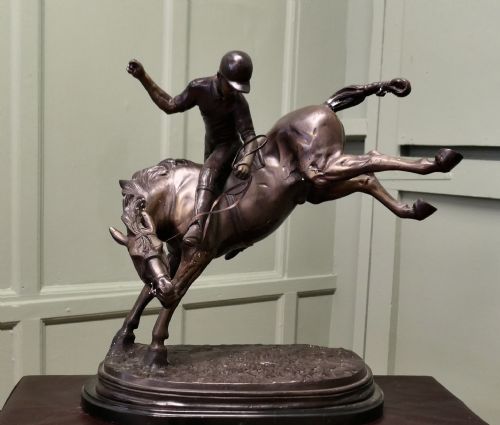
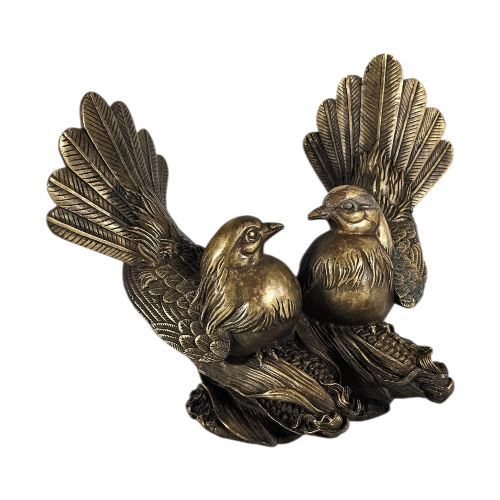
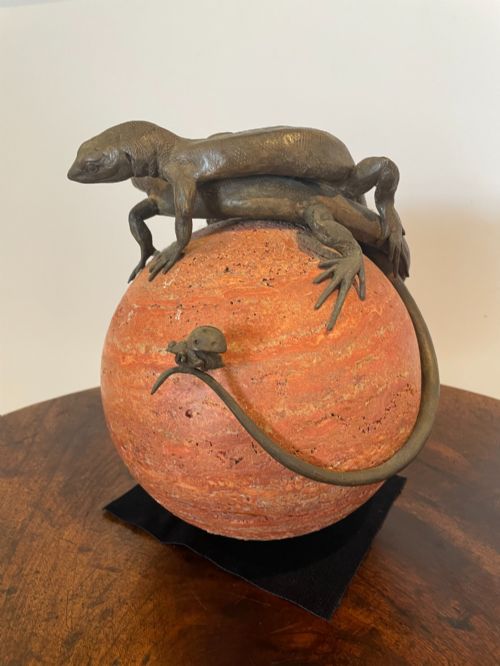
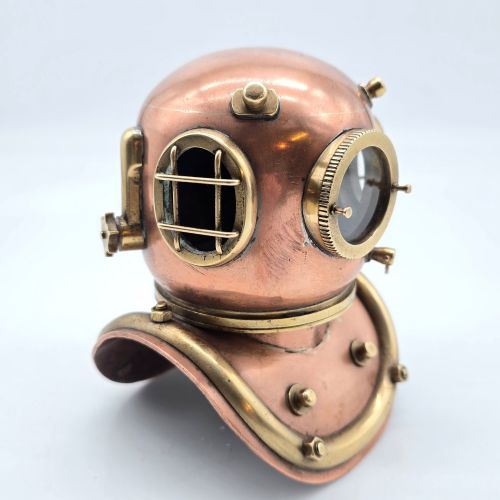
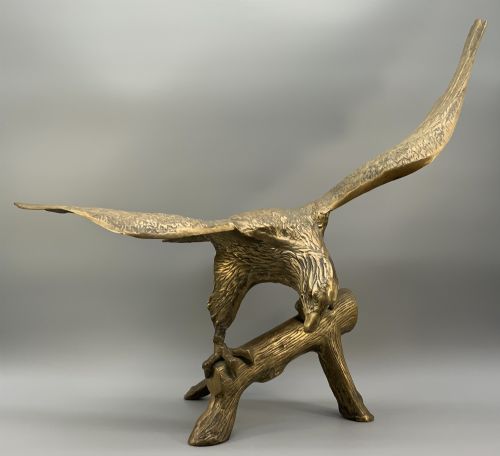
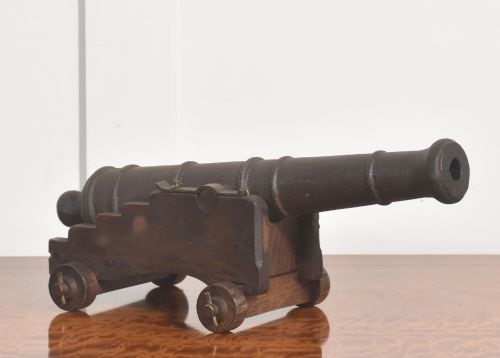
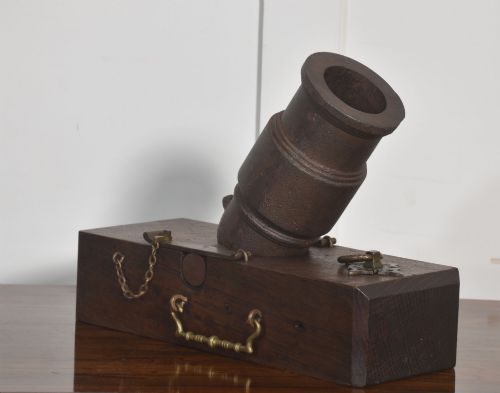
Animalier studies and figurative sculptures form a significant portion of these items, featuring subjects like dogs, birds, and larger wildlife rendered in metal or stone. Buyers frequently encounter desk seals, match holders, and structural models such as signal cannons or architectural temples derived from Grand Tour travels.
Origins stretch across European workshops, Austrian foundries, and East Asian traditions, incorporating materials from traditional bronze and marble to glass and carved wood. Each category serves to punctuate a workspace with historical utility or purely decorative sculptural presence.
Materials and technique
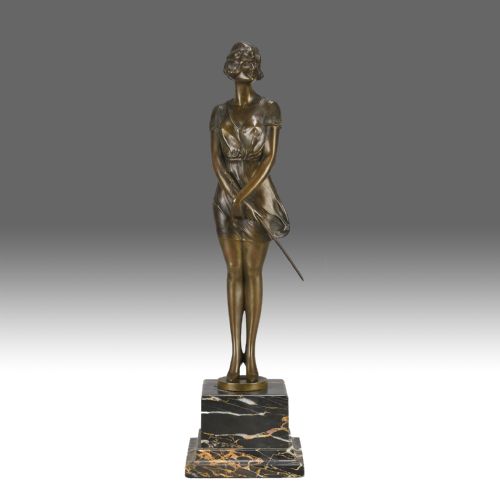
Bronze and cast iron provide the structural foundation for many figurative pieces, often shaped through traditional casting methods and finished with cold-painted polychrome details or patination. Sculptures of animals and dancers rely on this metalwork to capture dynamic postures and fine anatomical textures.
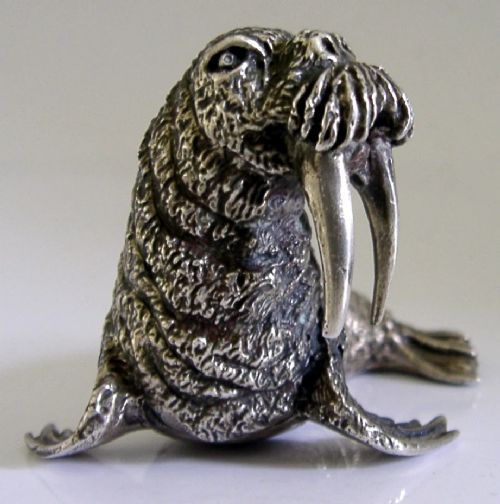
Natural stones such as marble, onyx, granite, and serpentine frequently form heavy bases or architectural obelisks, grounding the lighter metal and glass elements. Artisans also utilised sterling silver, cast brass, and carved limewood to produce intricate novelty pepper pots, match strikers, and desk seals.
Glass production is represented through pressed techniques and specialised studio methods, yielding detailed paperweights and moulded figurines from makers working in the interwar years. Carved jade-type minerals and wood further demonstrate the reliance on tactile, durable raw materials suited to daily handling on a desk.
Listings feature items from the nineteenth century through the mid-twentieth century, utilising bronze, marble, glass, silver, and wood.
Assessing craftsmanship
The choice and integration of mounting materials also dictate overall excellence, such as a bronze figure securely seated on a heavy Siena marble or onyx base rather than a lightweight substitute. Maker attribution and signed works carry greater weight when the signature or foundry mark is cleanly struck into the material.
Bruno Zach·Christophe Fratin·Antoine Louis Barye·Dora Heber·Franz Bergman
The Vintage Desk Ornament Glossary
- Animalier
- A nineteenth-century artistic movement focused on the realistic depiction of animals, particularly in bronze sculpture. Practitioners often captured beasts in motion or repose with careful attention to natural anatomy.
- Cold-painted bronze
- A technique where bronze sculptures are painted with cold enamel rather than fired in a kiln. This method produced the vibrant polychrome surfaces seen on Austrian novelty figures.
- Grand Tour
- A traditional trip through Europe undertaken by upper-class scholars and collectors during the eighteenth and nineteenth centuries. Travellers acquired small architectural models and bronzes as tangible souvenirs.
- Paperweight
- A small solid object placed on loose papers to prevent them from blowing away. They are frequently fashioned from glass, stone, or cast metal to combine utility with decorative artistry.
- Desk seal
- A small handheld device featuring an engraved matrix used to stamp hot wax and secure correspondence. They often incorporate carved stone or figural metal handles.
Vintage Desk Ornament: Frequently Asked Questions
What is a desk ornament?
A desk ornament is a small decorative or functional object kept on a writing surface, ranging from bronze animal figures to glass paperweights and miniature globes.
These pieces were traditionally used to hold down papers, seal letters, strike matches, or simply provide visual interest during work.
How do I date a bronze ornament?
Dating bronze relies on examining the casting style, surface patina, and any visible foundry marks or signatures stamped into the metal.
Stylistic cues such as Victorian ornamentation or Art Deco geometry also help narrow down the period of manufacture.
What is cold-painted bronze?
Cold-painted bronze refers to metal sculptures coated with polychrome paint without undergoing kiln firing.
This technique was widely used by Austrian foundries to create brightly coloured animal figures and small desk ornaments.
How should I clean antique metal?
Antique metal surfaces generally require only gentle dusting with a soft dry cloth to preserve their original patination and age characteristics.
Harsh chemical polishes should be avoided because they strip away historical finishes and diminish the character of the piece.