
Edwardian Bookcase Astragal Glass
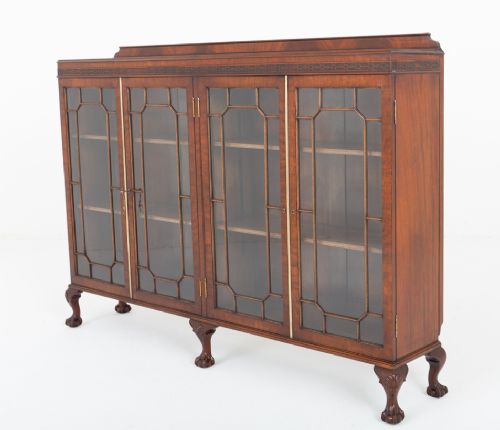
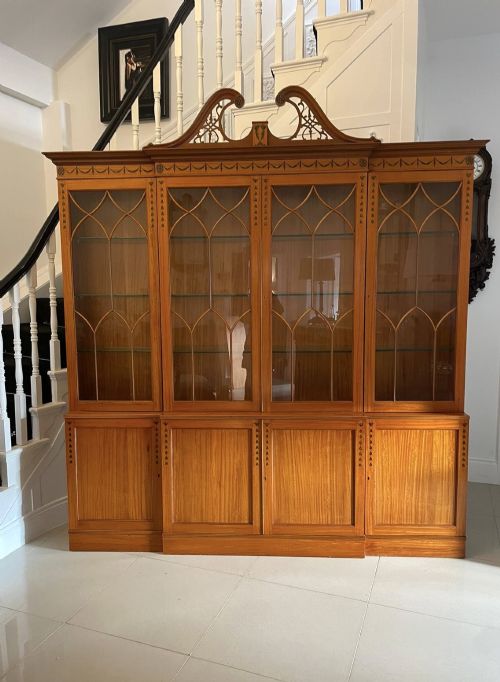
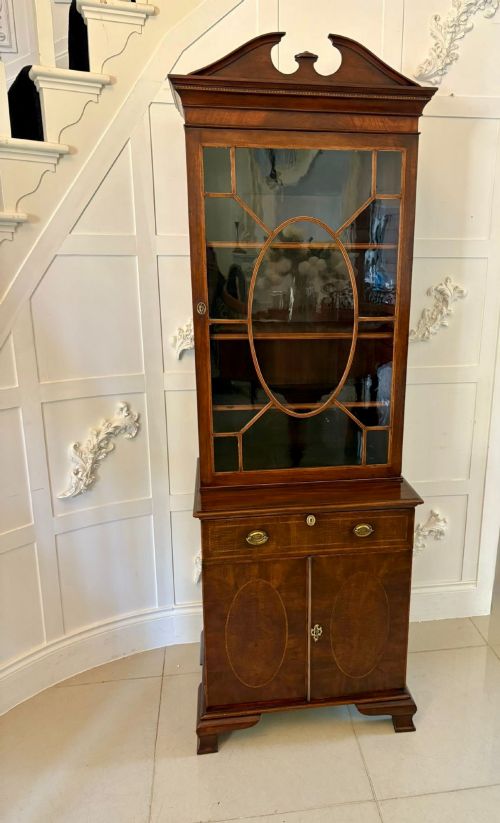
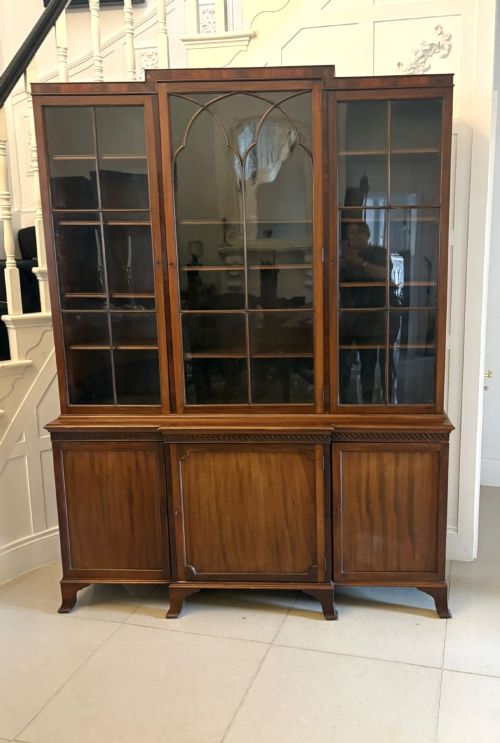
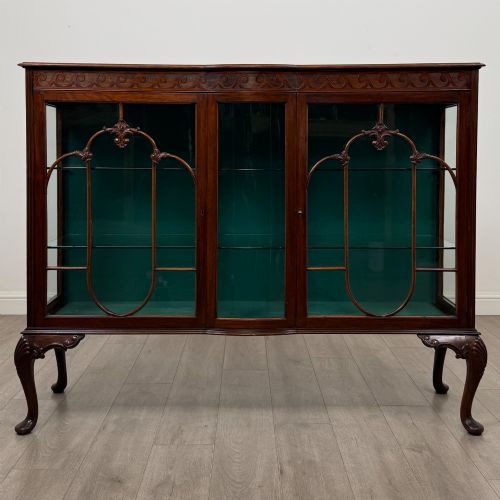
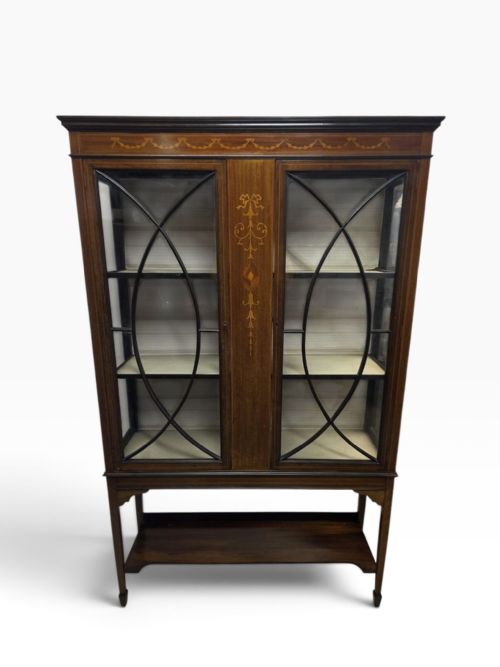
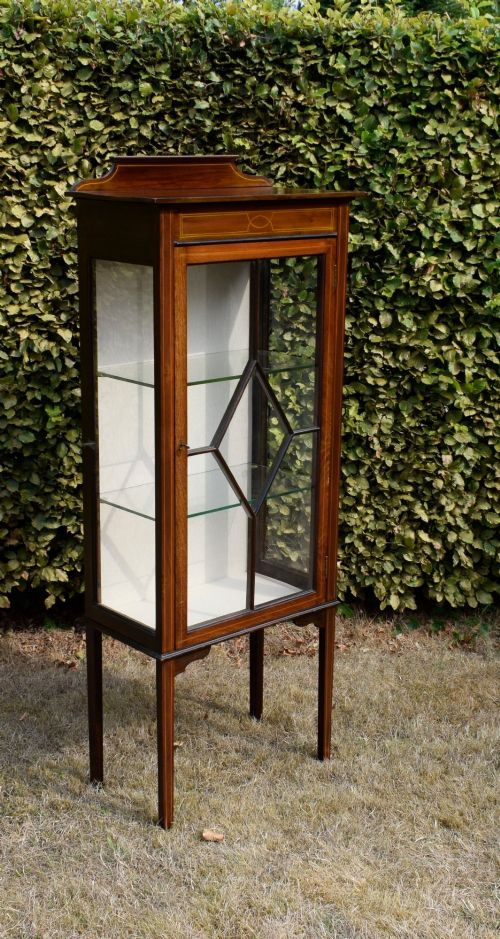
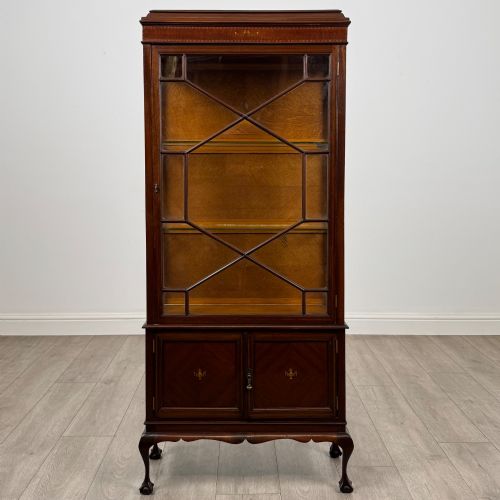
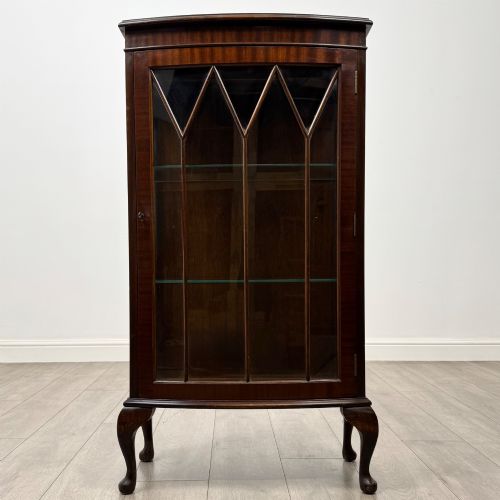
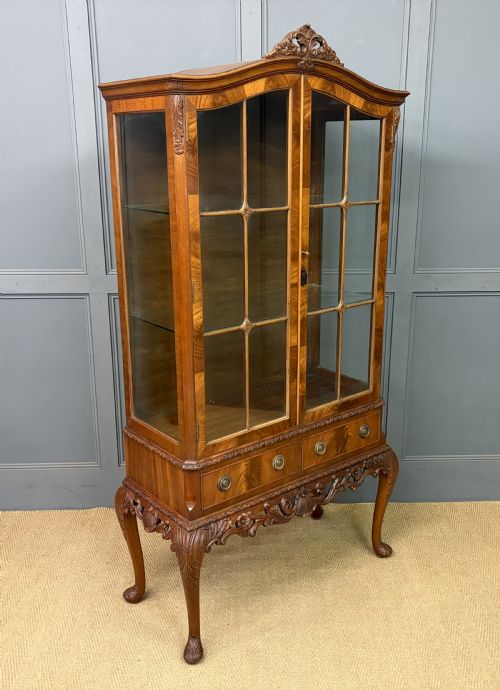
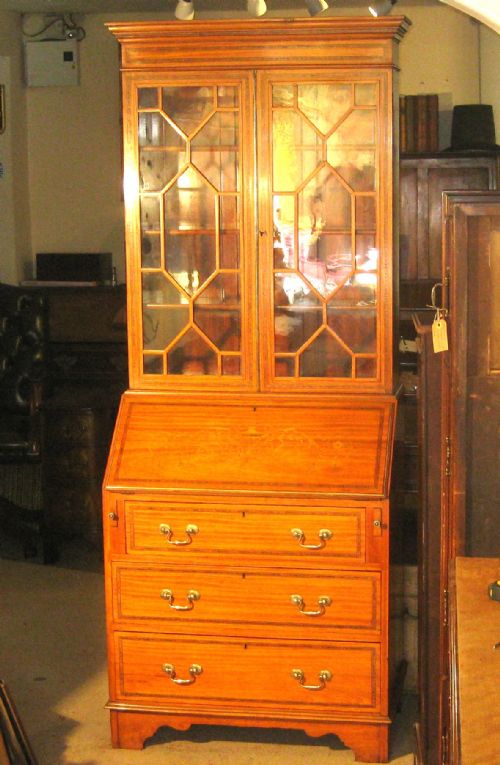
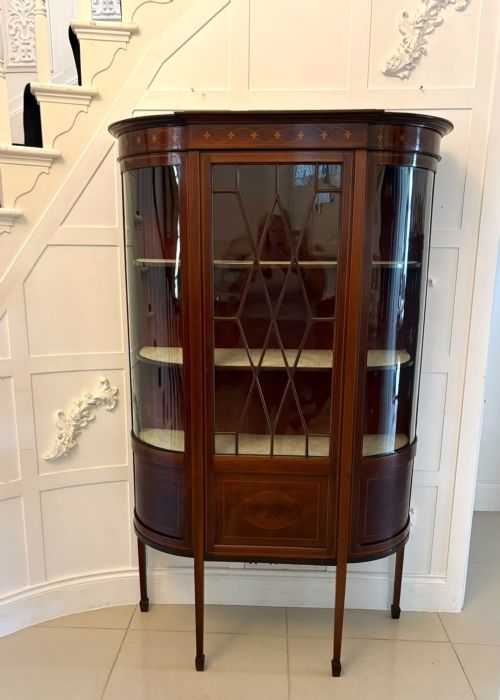
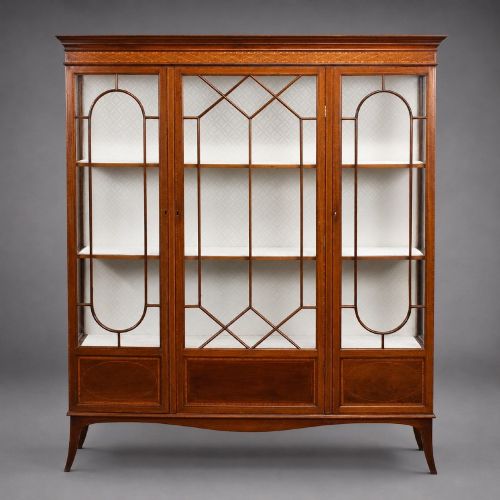
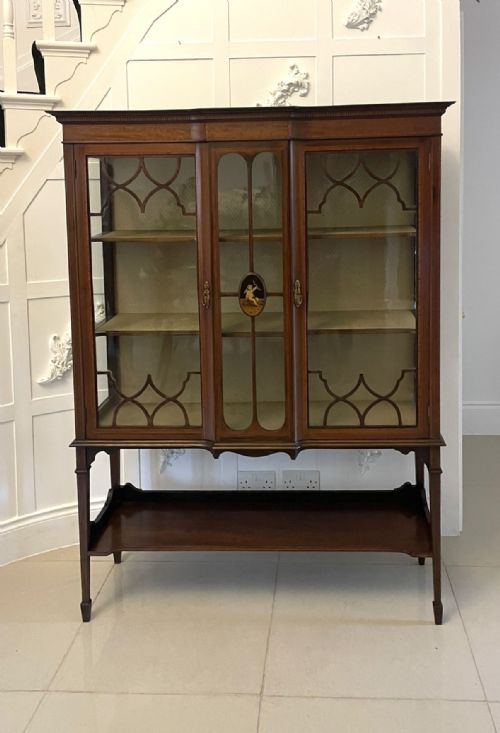
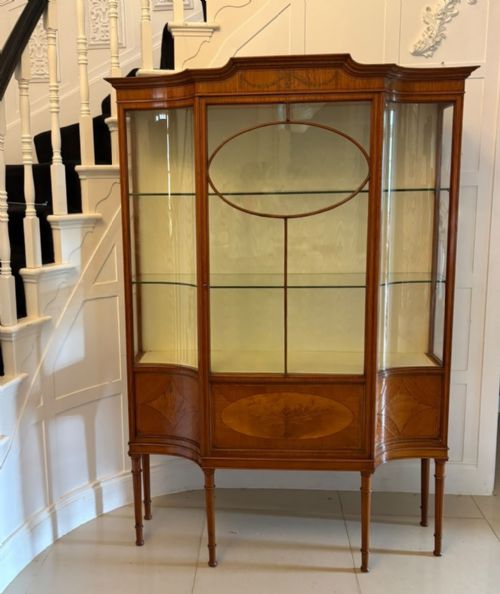
These edwardian bookcase astragal glass pieces offer glazed shelving for libraries and display, combining period timber with fine lattice work.
Edwardian Bookcase Astragal Glass
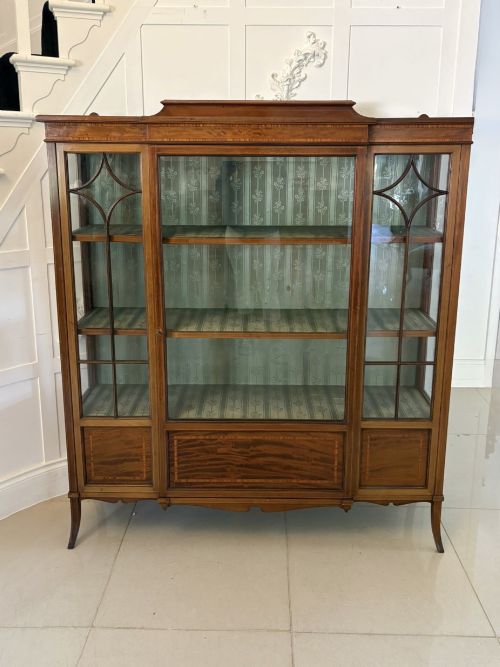
When you search for an edwardian bookcase astragal glass, you encounter pieces primarily from the Edwardian era alongside late Victorian and early twentieth-century examples spanning 1880 to 1930. The selections include breakfront display cabinets, bureau bookcases, secretaire bookcases, corner cabinets, and side cabinets alongside standard bookcases.
The Edwardian iterations dominate the selection, frequently carrying Sheraton Revival or general revival styling from the nineteenth and twentieth centuries. These forms serve as both functional libraries and display furniture for collections and books.
Makers and workshops of the period, such as Maple & Co. and Wylie and Lochhead, occasionally produced these glazed cabinets, adding documented provenance to the standard cabinetmaker output.
Materials and construction
Makers utilised mahogany as the primary timber, frequently pairing it with satinwood inlay, brass hardware, and occasional burr walnut or oak. The structural integrity relies on traditional cabinetmaking joinery suited to housing heavy glass doors and loaded bookshelves.
Glazing technique defines the category, employing astragal bars to divide the glass panes into geometric patterns. Painted decoration, fabric lining, and lacquered Chinoiserie finishes appear on specific display cabinets alongside original glass panels.
Listings span periods from the 1880s through the 1930s, encompassing Edwardian, Victorian, and George IV eras.
Factors of distinction
The standard of timber selection and the precision of the satinwood inlay dictate the visual hierarchy of these cabinets. Pieces featuring original painted decoration, breakfront configurations, or designated maker attribution stand apart from standard production models.
The crispness of the astragal glazing bars and the presence of original glass panes contribute to the overall integrity of the piece. Refinement in proportion and balanced revival styling distinguish superior examples from simpler utilitarian cupboards.
Maple & Co.·Wylie and Lochhead
The Edwardian Bookcase Astragal Glass Glossary
- Astragal glass
- Glazing held together by narrow wooden or metal bars known as astragals, forming a lattice framework across the door. This technique divides large glass sheets into smaller panes.
- Breakfront
- A piece of furniture where the central section projects forward from the flanking wings. This architectural arrangement creates depth and shadow on larger bookcases and display cabinets.
- Secretaire bookcase
- A tall case piece incorporating a pull-out writing drawer with a drop-front desk surface concealed behind upper bookcase doors. It merges a writing desk with a traditional library bookcase.
- Sheraton Revival
- A late nineteenth and early twentieth-century design movement inspired by the neoclassical work of Thomas Sheraton. It relies on satinwood inlay, classical proportions, and light mahogany frames.
Edwardian Bookcase Astragal Glass: Frequently Asked Questions
How do I identify an Edwardian bookcase?
Edwardian bookcases generally date from 1901 to 1910, though the style extends from the late 1880s into the 1930s. They frequently utilise mahogany with satinwood inlay and draw inspiration from Sheraton and Georgian revival styles.
Look for lighter timbers, refined inlay work, and specific revival characteristics rather than heavy Victorian mass. Maker labels from firms like Maple & Co. or Wylie and Lochhead can also confirm the period.
Where were these cabinets used?
These cabinets originally stood in libraries, drawing rooms, and studies of large homes to store bound volumes and display decorative porcelain. Their glazed doors allowed owners to showcase collections while protecting delicate items.
Today, they function well in living rooms and home offices for book storage and display purposes, matching traditional and transitional interiors alike.
Are corner cabinets common in this style?
Corner cabinets and bow-front display cabinets appear frequently alongside standard straight-front bookcases. These alternative forms were designed to fit specific architectural angles in period rooms.
They utilise the same mahogany construction, glass panels, and inlaid decoration found on larger breakfront library pieces.