



Edwardian Blush Ivory Ceramics
Edwardian blush ivory ceramics bring soft pastel tones and gilt details into a room, capturing the quiet elegance of early twentieth-century porcelain.
Edwardian Blush Ivory Ceramics
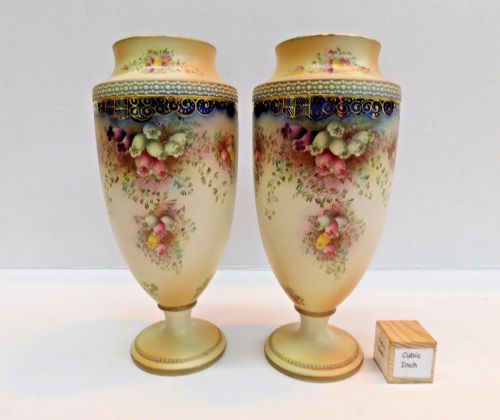
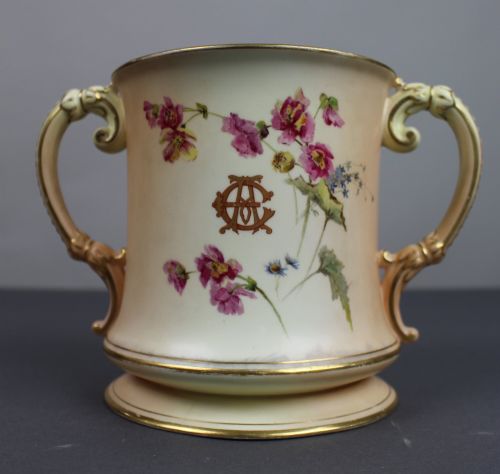
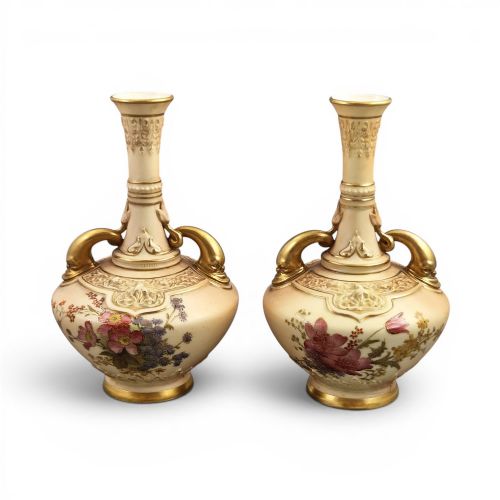
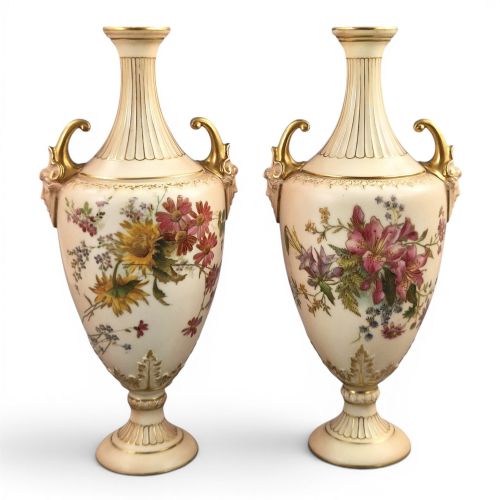
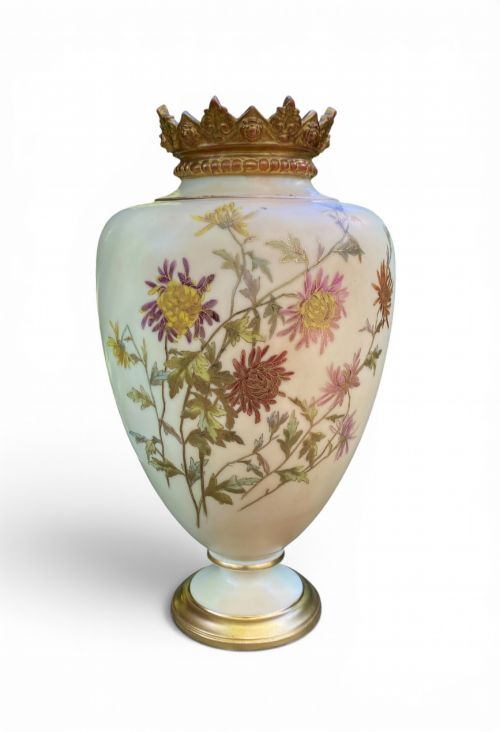
Edwardian blush ivory ceramics encompass a distinct group of porcelain and ceramic vessels produced around the turn of the twentieth century, bridging late Victorian tastes and the Edwardian period. Collectors searching this phrase encounter pieces that display a characteristically tinted ground, combining cream and ivory shades with subtle peach or pink undertones.
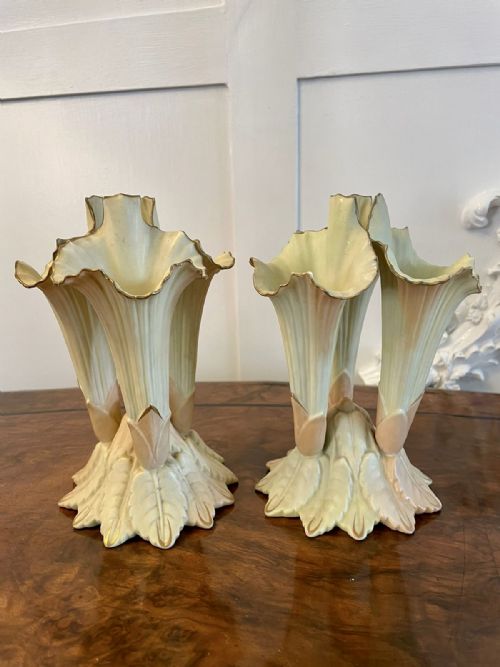
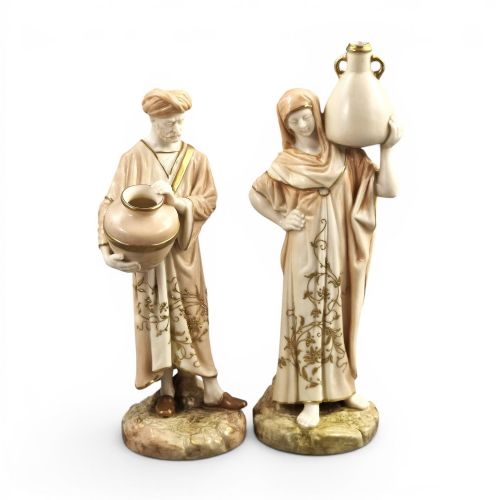
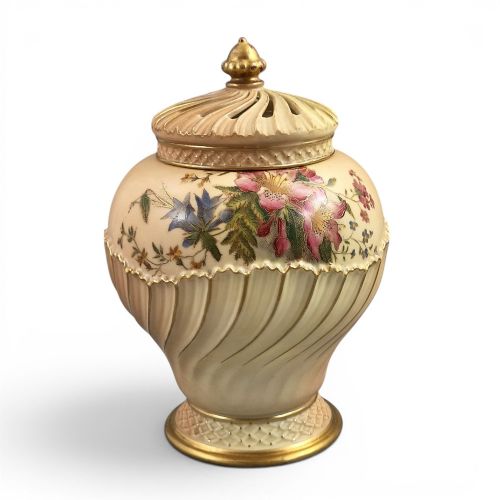
The objects appearing in this category lean heavily towards decorative forms rather than utilitarianware. Vases, spill vases, and pot-pourri jars dominate the selection, alongside decorative dishes, ewers, and occasional figural pieces or candle extinguishers.
Most examples originate from the Edwardian era itself, alongside pieces from the 1890s and the decades immediately following. Buyers frequently encounter works bearing the marks of prominent factories, particularly Royal Worcester, alongside W&R Carlton Ware, Locke & Co., and Royal Dux.
Materials and production techniques
These ceramics rely upon a delicate porcelain body treated with specialised glaze techniques to achieve their signature muted background. Potters applied ivory and blush-tinted glazes by hand or through refined spraying methods, creating a soft matte or satin surface finish that diffuses light across the contours of the vessel.
Decoration typically involves hand-painted floral sprays, chrysanthemums, or figural subjects rendered in naturalistic enamel colours. Artisans then applied gold leaf, gilding, and gilt edges by hand, frequently combining these metallic highlights with pierced handles, moulded slip details, or silver plated mounts.
Edwardian Blush Ivory Ceramics Retail Price Guide 2026
Typical asking prices for edwardian blush ivory ceramics among the pieces listed under this phrase on Sellingantiques today, from the lower quarter to the upper quarter. They describe what is for sale here now, not the wider market.
Current listings feature porcelain spanning from the late nineteenth century through the Edwardian era into the 1920s, predominantly showcasing Royal Worcester.
Judging the range of quality
The distinction between standard commercial output and finer studio work rests primarily upon the ambition of the form and the skill of the painting. Pieces featuring hand-painted floral motifs by known artists display a precision of brushwork and subtlety of shading that elevates them far above simple printed or transfer-decorated wares.
Manufacturing complexity also defines the upper tiers of this ceramic tradition. Vases with pierced gilt handles, dolphin or stork handle elements, elaborate mouldings, and comprehensive gilding demand greater technical mastery during firing and assembly than plain ovoid shapes.
Royal Worcester·W&R Carlton Ware·Locke & Co·James Hadley·Royal Dux
The Edwardian Blush Ivory Ceramics Glossary
- Blush ivory
- A matte ceramic finish featuring soft cream and ivory tones blended with subtle pink or peach shading, popular in late nineteenth and early twentieth-century porcelain.
- Pot-pourri
- A decorative jar or vessel fitted with a pierced cover designed to hold dried scented plant material. These containers often feature inner lids and elaborate moulded bodies.
- Gilding
- The application of gold leaf or powdered gold suspended in a medium to ceramic surfaces. This technique adds metallic warmth to rims, handles, and painted details.
- Spill vase
- A tall, slender vessel kept on mantelpieces to hold thin wooden spills used for lighting candles or fires. They appear frequently in nineteenth and early twentieth-century ceramic forms.
- Ewer
- A large jug with a flared spout and an ornate handle, modelled after classical water vessels. These items served primarily as decorative show pieces in Edwardian interiors.
Edwardian Blush Ivory Ceramics: Frequently Asked Questions
What is blush ivory ceramic?
Blush ivory ceramic refers to porcelain finished with a soft, matte cream and ivory glaze that incorporates delicate pink or peach tints. This distinctive background colour became hugely popular during the late Victorian and Edwardian periods.
Factories utilised this technique to create a warm, tactile surface that complemented hand-painted floral decoration and heavy gilding. It remains the defining characteristic of this entire collecting category.
How were these pieces used?
While some forms like tea trios had practical functions, the vast majority of these ceramics served purely decorative purposes in the Edwardian home. Vases, pot-pourri jars, and spill vases occupied prominent positions on mantelpieces, sideboards, and occasional tables.
Figurines, candle extinguishers, and decorative dishes added charm and colour to domestic interiors. They reflected the period's taste for refined craftsmanship and floral ornamentation.
How do I date edwardian ceramics?
Dating these ceramics relies heavily upon factory backstamps, date codes, and registration numbers found on the underside of the pieces. Manufacturers like Royal Worcester utilised systematic systems of dots and symbols stamped into the porcelain base to indicate the exact year of production.
Stylistic indicators also help establish a timeline. Pieces from the 1890s often lean towards Victorian Aesthetic Movement designs, while items from 1900 to 1910 display classic Edwardian proportions and early Art Nouveau influences.
How should I display them?
Displaying these ceramics effectively involves placing them in well-lit areas where natural light can catch the subtle pastel tones of the blush ivory glaze. Because the surfaces are often matte and delicate, grouping pieces together by form or colour creates a striking visual impact.
Avoid positioning them in direct sunlight or areas of heavy household traffic where delicate gilt edges might suffer accidental damage. Pairing vases with complementary silver plated stands or antique furniture enhances their period context.