





Cream Ceramic Pedestal Urn
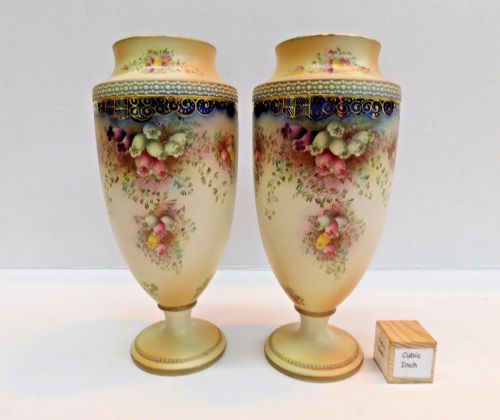
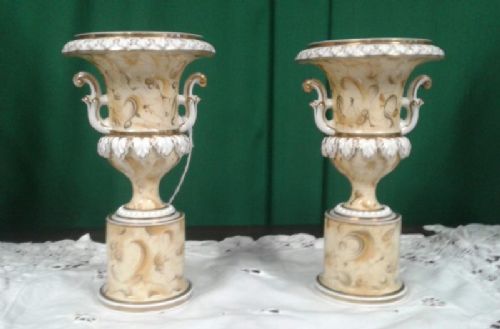
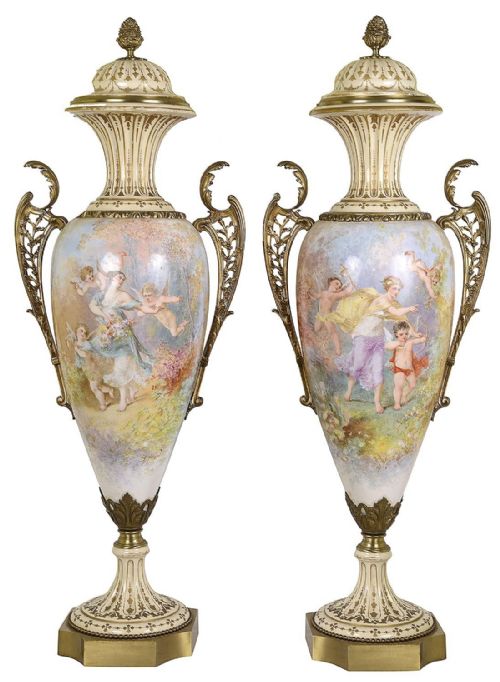
These cream ceramic pedestal urn items bring classical proportion and refined nineteenth-century glaze work directly to a mantel or hall.
Cream Ceramic Pedestal Urn
A cream ceramic pedestal urn takes many forms across nineteenth-century production, ranging from campana garden vessels to delicate blush ivory vases with handles and covers. Buyers seek these decorative objects for their classical silhouettes, raised bases, and muted pale bodies.
The pieces on this page span the Victorian and Edwardian eras, encompassing both delicate porcelain cabinet items and heavy terracotta garden planters. Makers frequently applied gilt highlights, enamel painting, and avian or floral motifs over pale cream and blush ivory grounds.
Forms include lidded vases, beaker-form vessels, and large wine cisterns, showing how utilitarian and ornamental shapes crossed paths in the nineteenth century. Most examples date from the Victorian period through to the early twentieth century, reflecting enduring neoclassical tastes.
Materials and methods
Potteries utilised ceramic, porcelain, and terracotta bodies as the foundation for these urns, shaping them on wheels or casting them in moulds. Glazed earthenware and fine porcelain received smooth pale slips to create the signature cream and blush ivory backgrounds seen across the pieces.
Decoration relied on skilled hand-painting, enamel work, and the application of gold leaf or gilding to accentuate handles, rims, and moulded details. Garden urns and larger planters employed heavier terracotta construction with durable glazed finishes to withstand external placement.
Cream Ceramic Pedestal Urn Retail Price Guide 2026
Typical asking prices for cream ceramic pedestal urn among the pieces listed under this phrase on Sellingantiques today, from the lower quarter to the upper quarter. They describe what is for sale here now, not the wider market.
Listings feature works in porcelain, terracotta, and glazed earthenware across Victorian and Edwardian periods.
Judging quality and execution
Quality rests in the crispness of the moulding and the delicacy of the hand-painted details, such as finely rendered birds or floral sprays. Finer pieces demonstrate superior control over the blush ivory or cream ground, avoiding muddy transitions where colours meet.
The application of gilding and gold leaf separates standard production from superior work, with better examples showing crisp, hand-applied metallic highlights that retain their brilliance. Heavier items like garden urns depend on the structural integrity of the terracotta and the evenness of the glaze.
W&R Carlton Ware·Ridgeways·Doulton Burslem·Hadley's Worcester·Lipscombe & Co·Royal Worcester
The Cream Ceramic Pedestal Urn Glossary
- Campana
- A bell-shaped classical urn form featuring an everted rim and a pedestal base. This shape originates from ancient Roman pottery and bronze vessels.
- Blush ivory
- A soft cream-coloured ceramic ground developed by late nineteenth-century potteries to mimic the warmth of unglazed ivory. It typically served as a subtle backdrop for hand-painted florals.
- Jardiniere
- An ornamental pot or stand designed to hold plants or cut flowers. These vessels often sit on pedestals or low bases in interior or garden settings.
- Gilding
- The application of gold leaf or gold powder onto the ceramic surface to highlight moulded details and rims. It adds a reflective quality to the pale body.
Cream Ceramic Pedestal Urn: Frequently Asked Questions
What periods do these urns come from?
The pieces span the nineteenth century and the early twentieth century, taking in the Victorian and Edwardian eras.
Most examples reflect revivalist tastes like Victorian Neoclassical, Aesthetic Movement, and Grand Tour styles.
Where were these urns displayed originally?
Smaller porcelain and ceramic urns sat on mantelpieces, pedestals, or cabinets inside Victorian and Edwardian drawing rooms.
Larger terracotta examples and wine cisterns served as focal points in hallways, conservatories, or garden spaces.
How do I care for a ceramic urn?
Dust ceramic and porcelain urns gently with a dry, soft cloth to protect delicate enamel work and surface gilding.
Avoid using liquid cleaners or placing terracotta items in frost-prone areas if kept outdoors.