

Edwardian Bedroom Cupboard
These pieces of edwardian bedroom cupboard furniture bring practical storage and period character to domestic spaces.
Edwardian Bedroom Cupboard
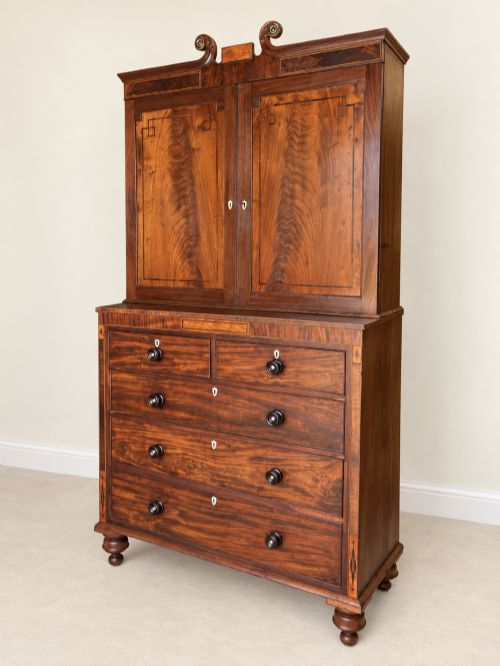
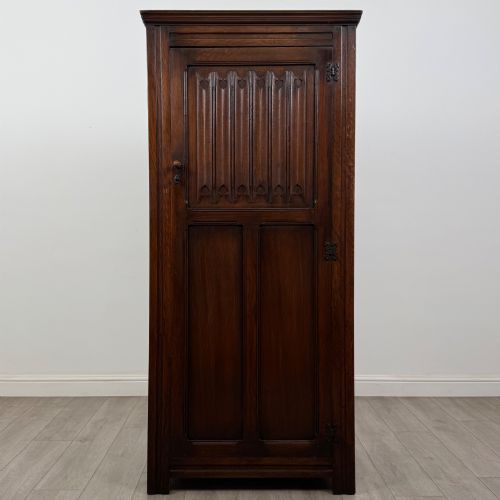
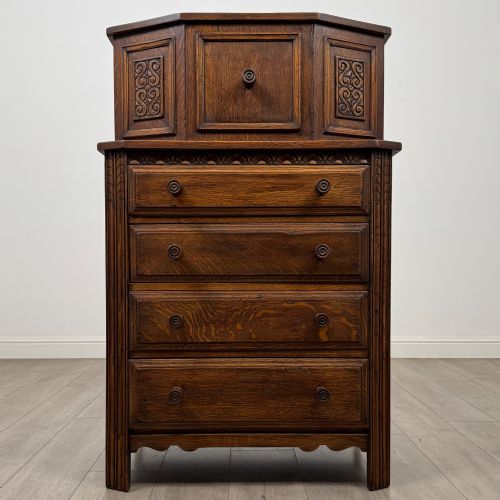
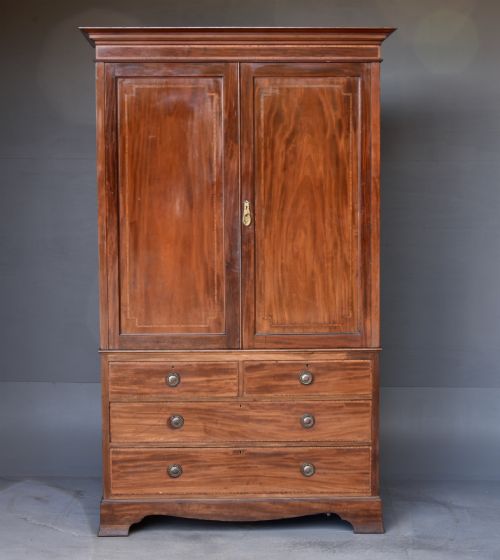
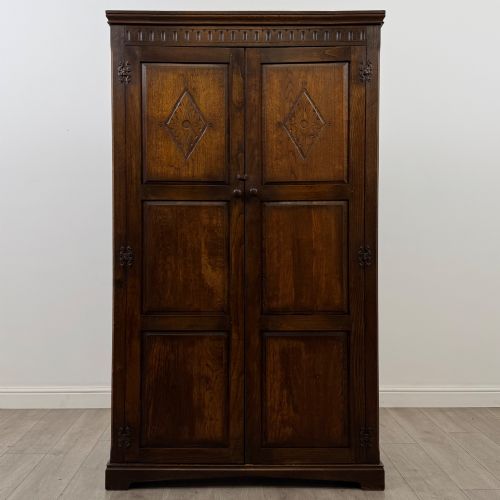
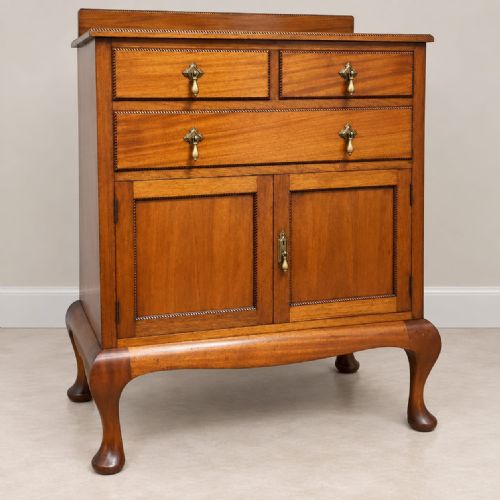
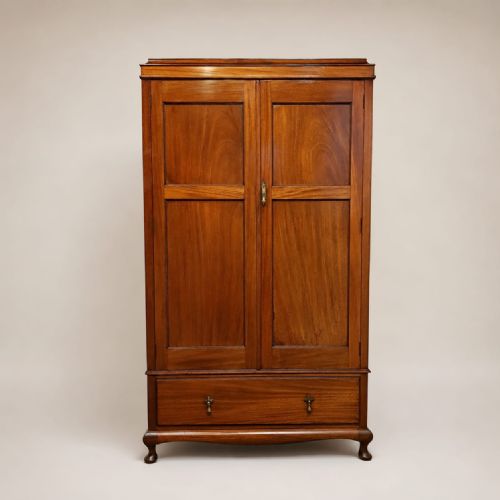
An edwardian bedroom cupboard encompasses a range of chamber storage forms, from bedside cabinets and nightstands to larger wardrobes, armoires, tallboys, and linen presses. When searching this phrase, buyers encounter pieces intended for personal quarters, reflecting the domestic habits and interior tastes of the early twentieth century alongside related late nineteenth-century examples.
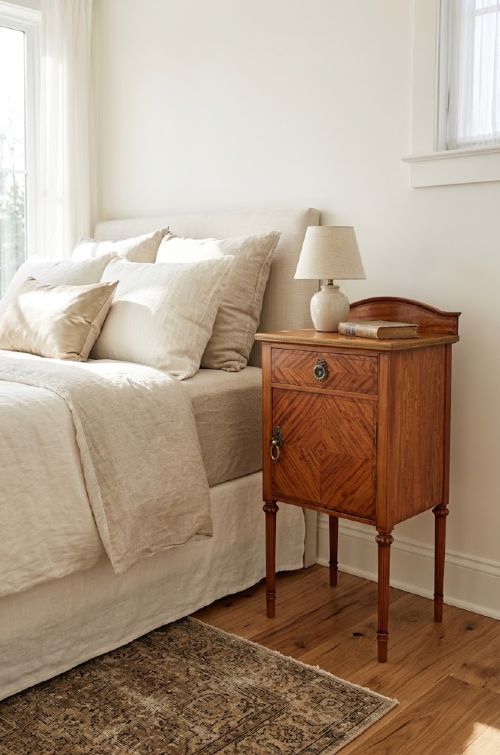
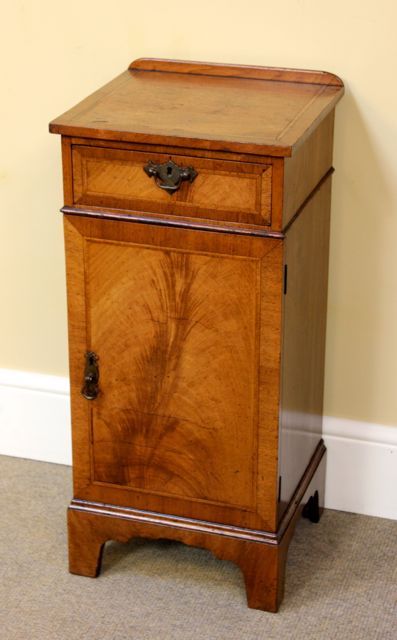
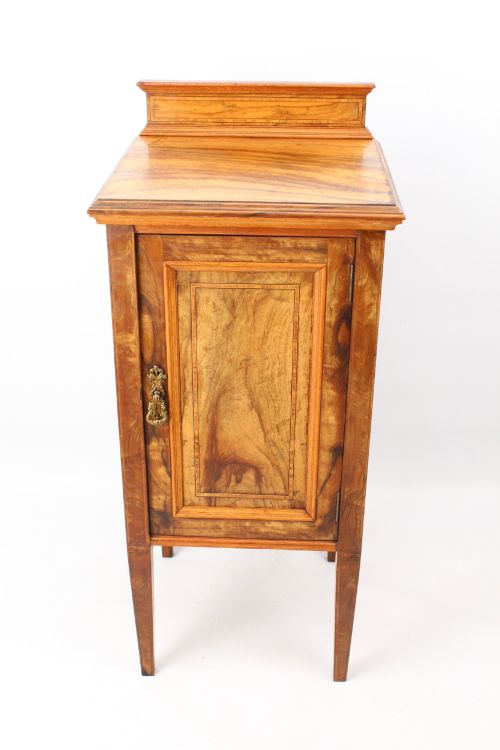
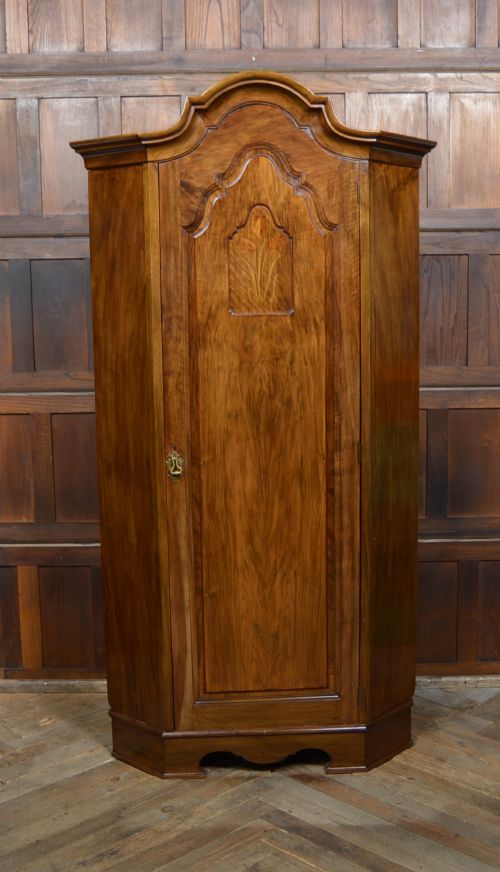
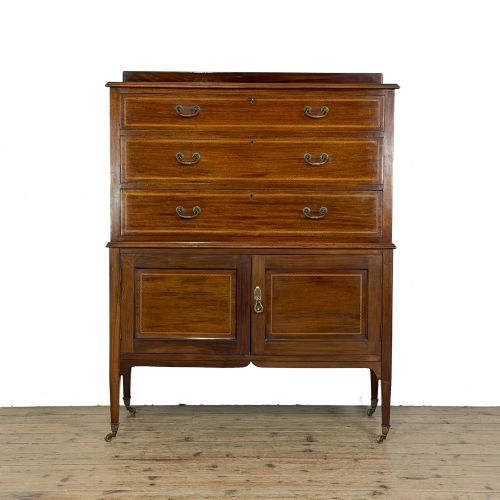
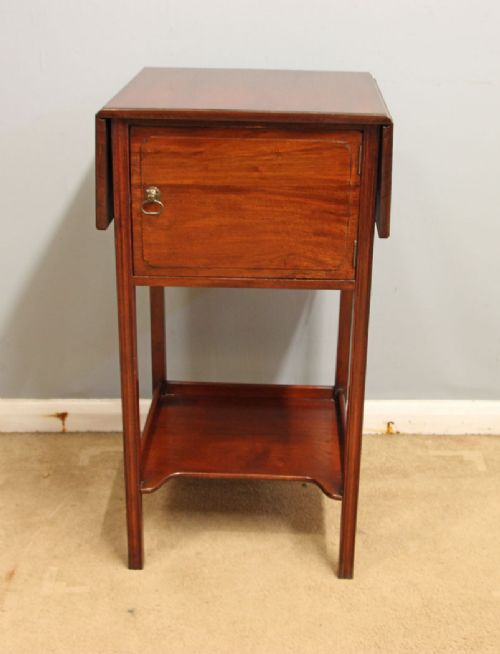
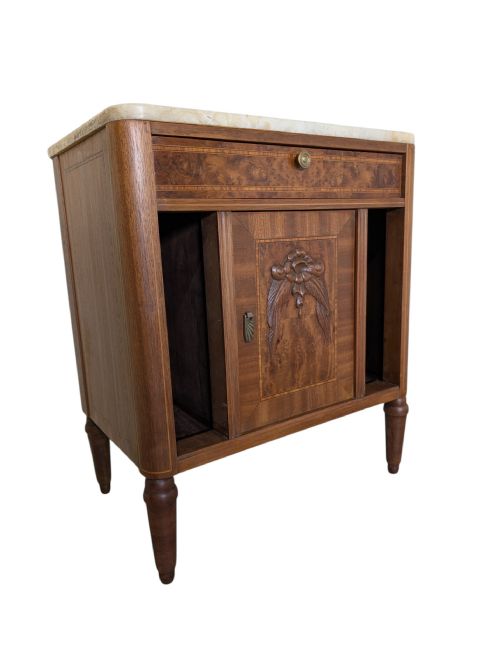
The version most commonly met on this page is the bedside cabinet or compact cupboard in mahogany, oak, or walnut, often standing alongside larger wardrobe formats. These smaller pieces provided enclosed storage beside the bed, while taller cupboards and armoires served the primary clothing storage needs of the bedroom.
Materials and construction methods
Cabinet makers utilised a variety of timbers including mahogany, satinwood, oak, walnut, and burr walnut, frequently embellished with decorative inlays or carved details. Surfaces were finished to highlight the natural grain, sometimes employing painted decoration or polished walnut veneers.
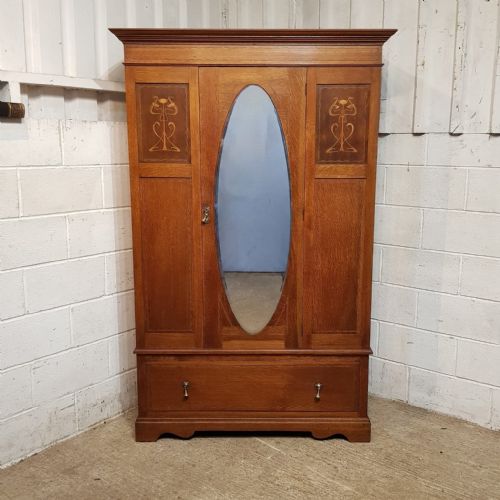
Hardware such as brass handles and hinges complemented the timber construction, while larger wardrobes and armoires occasionally integrated mirrored glass panels into the door designs.
The listings on this site span oak, mahogany, satinwood, and walnut, extending from Victorian roots into the Edwardian era.
Quality variations in the woodwork
The distinction between standard utility items and finer workshop production lies in the selection of timbers and the precision of the cabinet work. Finely figured veneers such as burr walnut and satinwood, combined with crisp inlay work and solid secondary woods, set superior examples apart from plainer pieces.
Attention to detail in the carving, the fitting of doors and drawers, and the integration of maker-marked hardware or retailer stamps indicate a higher standard of manufacture within the period.
Maples & Co·Harris Lebus·Heals·Druce & Co·Harrods
The Edwardian Bedroom Cupboard Glossary
- Tallboy
- A tall chest of drawers standing upon another chest or a support frame, providing vertical storage space in the bedroom.
- Linen press
- A tall cupboard featuring upper shelves for folded textiles and lower drawers for additional garments.
- Armoire
- A large freestanding wardrobe or cupboard used primarily for hanging clothes.
- Compactum
- A fitted wardrobe or multi-compartment bedroom cupboard designed to hold various types of apparel efficiently.
- Inlay
- A decorative technique where contrasting pieces of wood or other materials are inserted into recessed portions of the primary surface.
Edwardian Bedroom Cupboard: Frequently Asked Questions
What fits inside an edwardian bedroom cupboard?
Smaller bedside cabinets and nightstands typically contain a single interior shelf and a drawer, suitable for personal items and books. Larger wardrobes and linen presses provide hanging space, hooks, and shelving designed for garments and household textiles.
Interior configurations vary according to the original purpose of the specific piece, with compactum designs offering specialised compartments for different types of clothing.
How do I identify an edwardian piece?
Edwardian furniture often displays lighter timbers, subtle inlays, and influences from Sheraton Revival, Arts and Crafts, or Art Nouveau styles. Construction details and hardware typical of the period around nineteen hundred help confirm the date.
Makers' marks or retailer stamps inside drawers or on the backboards provide further documentation of the period of manufacture.
Where should I place a bedside cabinet?
These cabinets suit domestic bedrooms positioned beside a bed to hold lamps, reading material, and nighttime essentials. Their compact proportions also allow them to function as small side tables in living rooms or studies.
Matching pairs can frame a bed symmetrically, while single cabinets serve well in smaller guest rooms.
How do I care for polished wood surfaces?
Maintain polished mahogany, oak, and walnut surfaces by dusting regularly with a soft, dry cloth. Avoid placing wooden furniture in direct sunlight or near heat sources to prevent timber movement and finish degradation.
Applying a traditional beeswax polish periodically helps nourish the wood and preserve the lustre of the polish.