




Edo Period Cloisonne
These edo period cloisonne pieces are Japanese works of intricate metalwork and enamel that bring striking traditional imagery and depth to a collection.
Edo Period Cloisonne
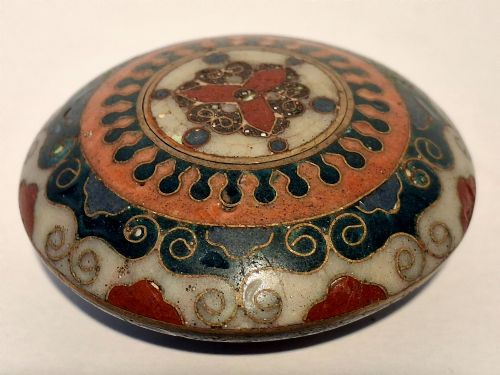
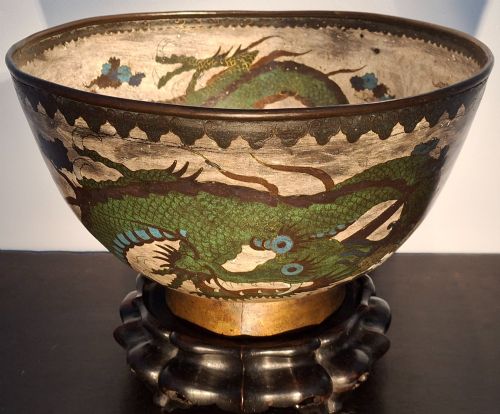
When you search for edo period cloisonne, you encounter Japanese objects made during the mid-nineteenth century, specifically around the eighteen-fifties and eighteen-sixties. These pieces range from large decorative chargers and palace vases to sake kettles, lidded bowls, mugs, and small netsuke.
The most common forms on this page are large chargers and decorative bowls featuring auspicious symbols, birds such as the ho-o phoenix, leaping koi, and dragons. Smaller functional items like sake kettles and lidded cups also appear alongside intricately detailed wooden and metal kagamibuta netsuke.
Materials and Construction
These items are constructed using copper, brass, bronze, cast iron, and wood as a base, upon which cloisonne enamel and champleve techniques are applied. Artisans soldered thin metal wires to form cells, or cloisons, on the surface before filling them with coloured enamel pastes.
The combination of enamelling on copper alloy bases provides the characteristic rigid structure for vessels and flat chargers. Wood is also utilised for specific items like netsuke, integrating metal enamel work directly into traditional wearable forms.
Edo Period Cloisonne Retail Price Guide 2026
Typical asking prices for edo period cloisonne among the pieces listed under this phrase on Sellingantiques today, from the lower quarter to the upper quarter. They describe what is for sale here now, not the wider market.
A bird sitting on a branch shares display space with a leaping koi and a mythical phoenix.
Evaluating Quality
Quality in these works rests upon the precision of the wirework and the control of the enamel during firing. Finer pieces demonstrate exceptionally disciplined compartments and smooth, uniform colour distribution across complex pictorial subjects.
Scale and ambition also define the upper tier of the range, distinguished by monumental palace vases and large chargers depicting intricate natural scenes like leaping koi or dragons. The complexity of the subject matter and the crispness of the surrounding metal outline dictate the visual success of the piece.
The Edo Period Cloisonne Glossary
- Cloisonne Enamel
- A decorative metalwork technique where thin wires form raised barriers to hold coloured glass paste before firing. This method creates detailed pictorial patterns across vessels and chargers.
- Champleve
- A technique where troughs or cells are carved directly into a metal surface to hold enamel rather than soldering wires on top. It appears on smaller objects such as netsuke.
- Charger
- A large decorative plate or platter designed for display rather than dining. These pieces often feature elaborate pictorial motifs.
- Kagamibuta Netsuke
- A specific type of Japanese toggle featuring a bowl-shaped wooden body inset with a metal disc. The metal disc frequently incorporates enamel work.
- Ho-o Bird
- A mythical phoenix symbolising virtue and grace in traditional Japanese iconography. It is a frequent subject on high-status decorative wares.
Edo Period Cloisonne: Frequently Asked Questions
What is edo period cloisonne?
These pieces are Japanese metalwork and enamel items produced during the mid-nineteenth century, encompassing decorative vessels, large wall chargers, and small accessories. They display traditional motifs using coloured enamels set within wire compartments on metal bases.
Collectors prize them for their detailed depiction of native fauna, mythological creatures, and auspicious symbols executed through specialised artisan techniques.
How were these pieces used?
Many large chargers and palace vases served strictly as decorative display objects within Japanese interiors, showcasing the wealth and taste of the owner. Smaller items like sake kettles, lidded bowls, and cups combined functional utility with ornamental artistry.
Wearable items such as netsuke functioned as toggles to secure personal containers suspended from traditional sashes.
How do you date these items?
Dating relies on stylistic markers, materials, and documented production eras associated with the mid-nineteenth century, specifically the eighteen-fifties and eighteen-sixties. Listings often reference the late edo period based on stylistic conventions and historical context.
Examining the metal alloy bases and the specific characteristics of the enamel work helps establish the timeframe of manufacture.
How should I display cloisonne chargers?
Large chargers require sturdy plate stands or secure wall mounting brackets designed to support their substantial weight safely. Placing them away from direct sunlight protects the integrity of the coloured enamels over time.
Allowing adequate space around monumental palace vases or chargers ensures their detailed pictorial themes remain visually prominent.