


Edo Period Arita Dish
An edo period arita dish brings centuries of Japanese ceramic mastery to the table, offering bold decoration and enduring porcelain forms that collectors prize.
Edo Period Arita Dish
An edo period arita dish sits at the heart of traditional Japanese ceramic output, spanning centuries of kiln production in Hizen province. These items take the form of decorative plates, bowls, chargers, and specialised shapes like clam shells and fans.
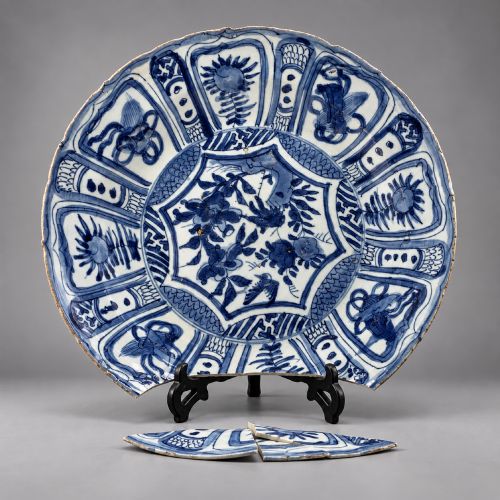
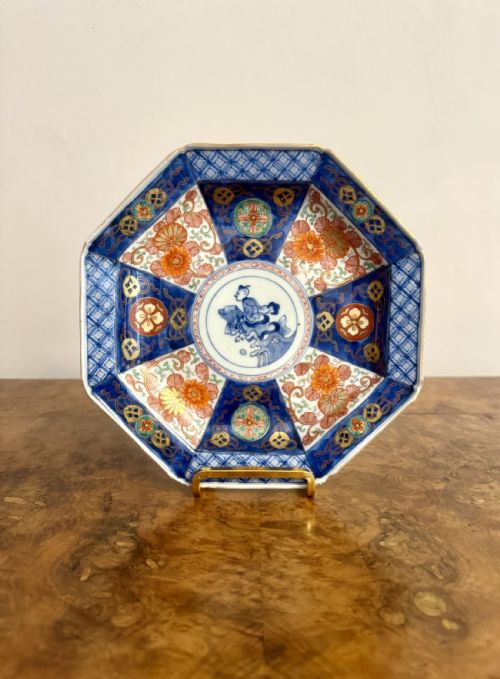
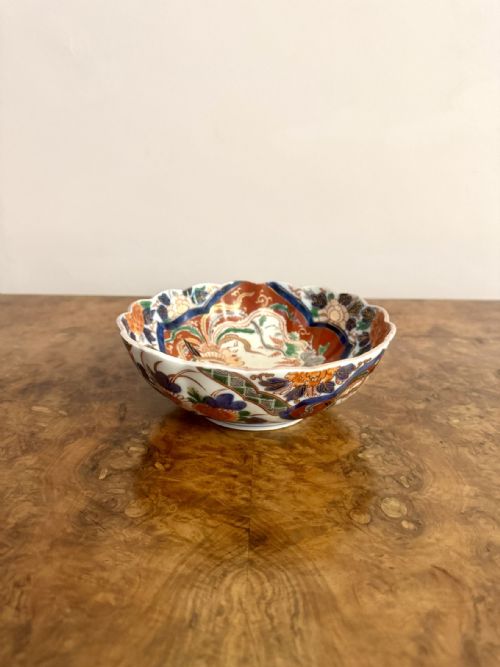
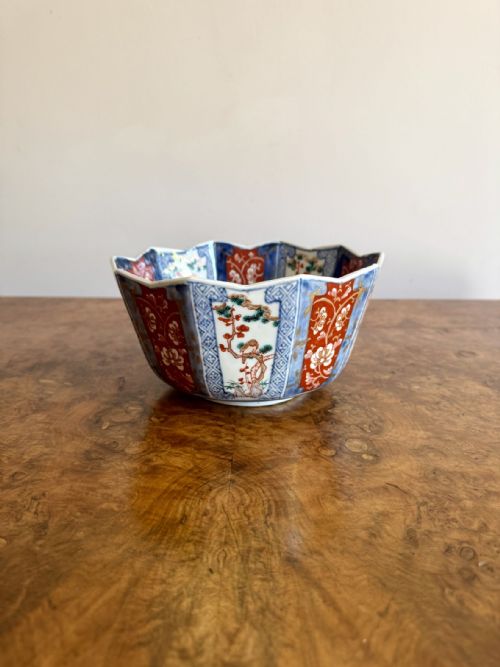
The pieces appearing on this page range from seventeenth-century blue and white chargers to later imari plates with vibrant enamel and gold leaf accents. Buyers encounter both utilitarian serving forms and purely decorative items designed for display.
Dated examples stretch from the Genroku period through the nineteenth century, showing how styles evolved from early cobalt underglaze to complex polychrome designs. Each vessel reflects the distinct aesthetic of its original kiln and period.
Materials and technique
Potters shaped these objects from dense ceramic and porcelain clay, firing them at high temperatures to achieve a durable body. Glaze covers the surfaces, sealing the clay and providing a smooth ground for subsequent painting.
Decoration relied on cobalt underglaze for deep blue motifs beneath the clear coat, supplemented on many examples by enamel, gilt, and gold leaf applied over the glaze. Artisans painted designs by hand, depicting scenes such as cranes, hares, and scrolling foliate borders.
Several dishes take the exact shape of abalone and clam shells, proving Edo potters enjoyed taking their inspiration straight from the fishmonger's slab.
Distinctions in quality
Execution of the hand-painted motifs defines the upper tier of these ceramics, where brushwork shows precision and fluidity. The complexity of the palette, particularly the successful combination of cobalt underglaze with enamel and gold leaf, separates standard items from finer works.
Form also dictates distinction, as unusual shapes like fan, square, octagonal, and shell-moulded dishes demand greater technical skill from the potter than simple circular plates. Preservation of the painted surface and the crispness of the porcelain body complete the assessment.
The Edo Period Arita Dish Glossary
- Arita
- A Japanese town and production centre in Hizen province famous for porcelain manufacturing. It remains the historic heartland of these wares.
- Imari
- A style of Japanese export porcelain characterised by a palette of blue, iron red, and gold. Items were shipped from the port of Imari to European and domestic markets.
- Cobalt underglaze
- A blue pigment applied to the raw clay body before glazing and firing. This technique produces deep, permanent blue designs beneath a protective glass layer.
- Genroku Period
- An era within the Japanese Edo period lasting from 1688 to 1704. Ceramics from this time often exhibit refined forms and distinctive decorative restraint.
- Charger
- A large decorative plate intended for display or ceremonial use rather than standard dining. These pieces showcase expansive painted compositions.
Edo Period Arita Dish: Frequently Asked Questions
How do I date an edo period arita dish?
Dating relies on stylistic markers, potting techniques, and the specific palette used in the decoration. Early pieces from the seventeenth century often feature simpler cobalt underglaze, while later nineteenth-century examples incorporate denser enamel and gold leaf.
Comparison with documented pieces in archives helps narrow the production window. Reference to specific reigns or eras, such as the Genroku period, provides further chronological context.
Were these dishes used for dining?
Many larger examples function primarily as display plates and chargers rather than everyday tableware. Their elaborate painted scenes of cranes, hares, and scrolling foliage suit decorative presentation.
Smaller dishes and bowls saw practical use in traditional Japanese settings. Over time, many found their way into export markets for both service and display.
What is the difference between Arita and Imari?
Arita refers to the production location where the porcelain clay was mined and fired in Hizen province. Imari denotes the shipping port and the specific decorative style associated with the export trade.
All Imari porcelain from this region is technically Arita ware, but not all Arita porcelain uses the characteristic Imari palette of blue, red, and gold.
How should I display an antique porcelain dish?
Display requires stable plate stands designed to support the weight of dense ceramic and porcelain bodies. Placing items away from direct sunlight protects enamel and gold leaf highlights from fading.
Wall mounting demands secure brackets specifically sized for chargers and deep bowls. Ensuring adequate ventilation prevents moisture accumulation behind the piece.