





Edo Period Arita Bowl
An edo period arita bowl brings Japanese porcelain history into a room, offering centuries of fired artistry.
Edo Period Arita Bowl
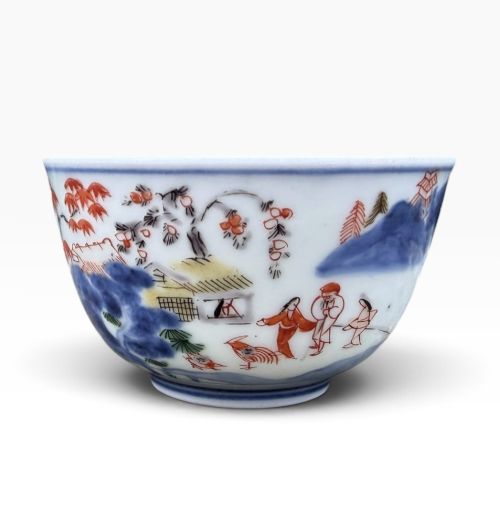
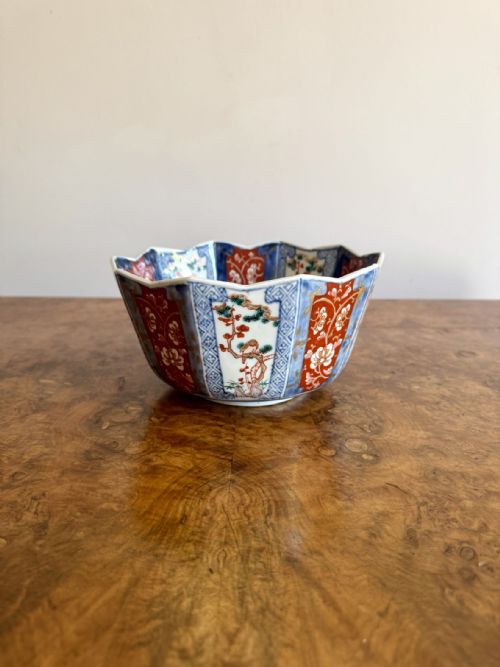
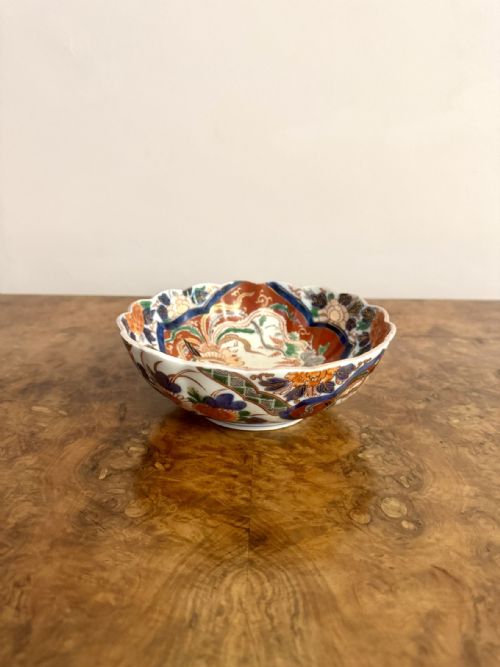
An edo period arita bowl represents traditional Japanese ceramic production originating from the Hizen province, spanning centuries from the seventeenth century onward. Buyers exploring this category encounter various forms including decorative bowls, dishes, plates, and larger jardinieres.
Makers and artisans created these vessels using porcelain, enamel, and cobalt underglaze, sometimes accented with gold leaf. The designs incorporate motifs such as cranes alongside classic underglaze blue and polychrome palettes.
How they were made
Potters shaped ceramic and porcelain bodies by hand or wheel before applying cobalt underglaze pigments for blue and white designs. Firing took place in regional kilns located around Arita, achieving durable vitrified bodies.
Enamel decoration and gold leaf accents were frequently added over the initial glaze and subjected to a subsequent lower-temperature firing fix. This technique produced the vibrant Japanese Imari and Aka-e palettes seen on seventeenth-century and later examples.
Edo Period Arita Bowl Retail Price Guide 2026
Typical asking prices for edo period arita bowl among the pieces listed under this phrase on Sellingantiques today, from the lower quarter to the upper quarter. They describe what is for sale here now, not the wider market.
Some seventeenth-century artisans evidently grew fond of shellfish, shaping delicate porcelain into convincing clam shells that still fool nobody today.
What varies in quality
Quality differentiates through the precision of the cobalt blue brushwork and the vibrancy of the enamel palette applied over the porcelain body. Finer examples display meticulous control in underglaze lines and balanced compositions across scalloped edges and tripod forms.
The crispness of the porcelain moulding and the evenness of the glaze application separate standard utilitarian wares from superior decorative vessels. Preservation of gold leaf accents and overglaze enamels further distinguishes the upper tier of these pieces.
The Edo Period Arita Bowl Glossary
- Arita
- A town in the Hizen province of Japan renowned for porcelain production since the early seventeenth century. Kilns here supplied domestic and export markets with blue and white and Imari wares.
- Imari
- A style of Japanese porcelain exported from European ports, typically featuring cobalt blue, iron red, and gold highlights. These designs often incorporate complex floral and brocade patterns.
- Celadon
- A transparent pale green or grey-green glaze applied over a white porcelain body, creating subtle crackle effects. This finish emphasises form over painted decoration.
- Edo Period
- The period in Japanese history spanning from sixteen hundred and three to eighteen hundred and sixty-eight, governed by the Tokugawa shogunate. During this era, Arita ceramic production flourished significantly.
Edo Period Arita Bowl: Frequently Asked Questions
What is an edo period arita bowl?
An edo period arita bowl is a ceramic vessel produced in the Hizen province of Japan during the rule of the Tokugawa shogunate. These objects range from blue and white porcelain to polychrome Imari designs.
Craftsmen shaped these items for both domestic utility and international trade, utilising local clay and specialised kiln techniques.
How are arita bowls dated?
Dating relies on stylistic markers, cobalt pigment tones, and glaze characteristics that shifted between the seventeenth and nineteenth centuries. Edo period examples often show distinct potting methods compared to later Meiji pieces.
Examining the foot ring and base provides further clues regarding the era of production in the Arita kilns.
How were these bowls used?
Many of these vessels served as decorative dishes or tableware for food presentation within Japanese households and export markets. Larger pieces functioned as jardinieres or ceremonial display items.
The durability of porcelain allowed them to handle daily dining alongside formal presentation duties.
How should I care for antique porcelain?
Antique porcelain requires gentle hand washing with mild soap and warm water, avoiding harsh scrubbing or dishwashers. Protecting overglaze enamels and gold leaf from abrasive surfaces preserves the decorated surface.
Displaying pieces away from direct sunlight and sudden temperature changes ensures the ceramic body remains stable over time.