






Ecclesiastical Oak Panel
An ecclesiastical oak panel carries centuries of sacred devotion, carved by hands that shaped timber into saints, angels and gothic tracery for places of worship.
Ecclesiastical Oak Panel
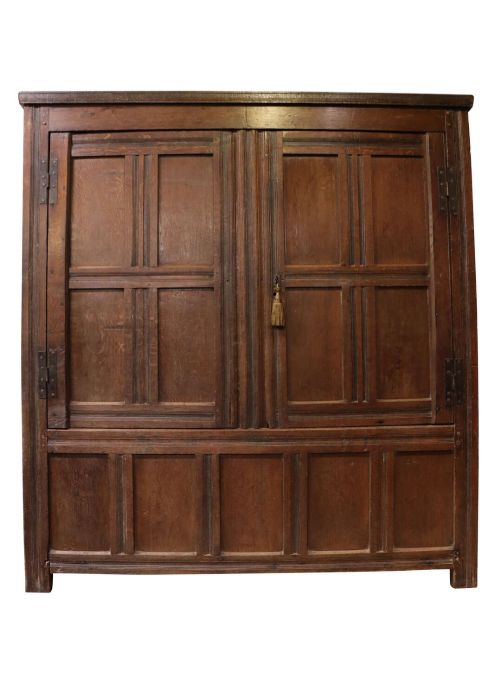
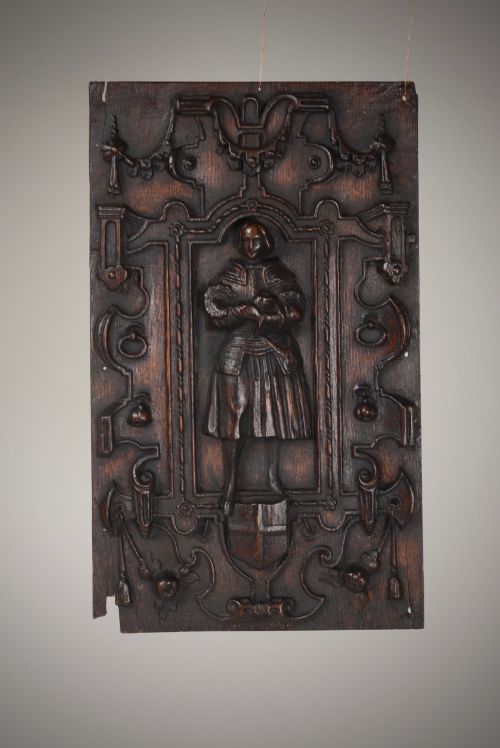
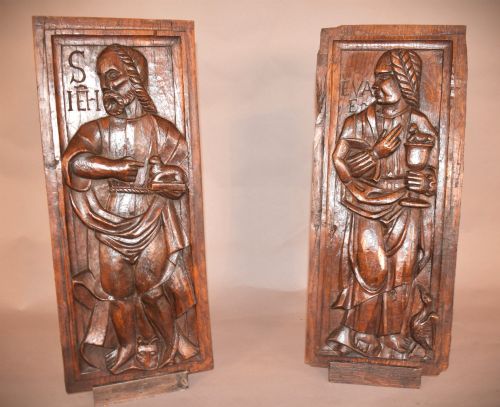
An ecclesiastical oak panel represents a fragment of religious architecture, pulled from church interiors, altarpieces, coffers and screens. When you search for an ecclesiastical oak panel, you encounter carved wooden wall art, reliefs and sculptures that span from the medieval period through to the nineteenth century.
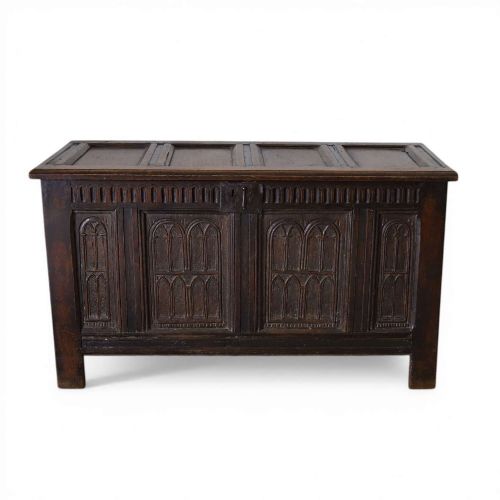
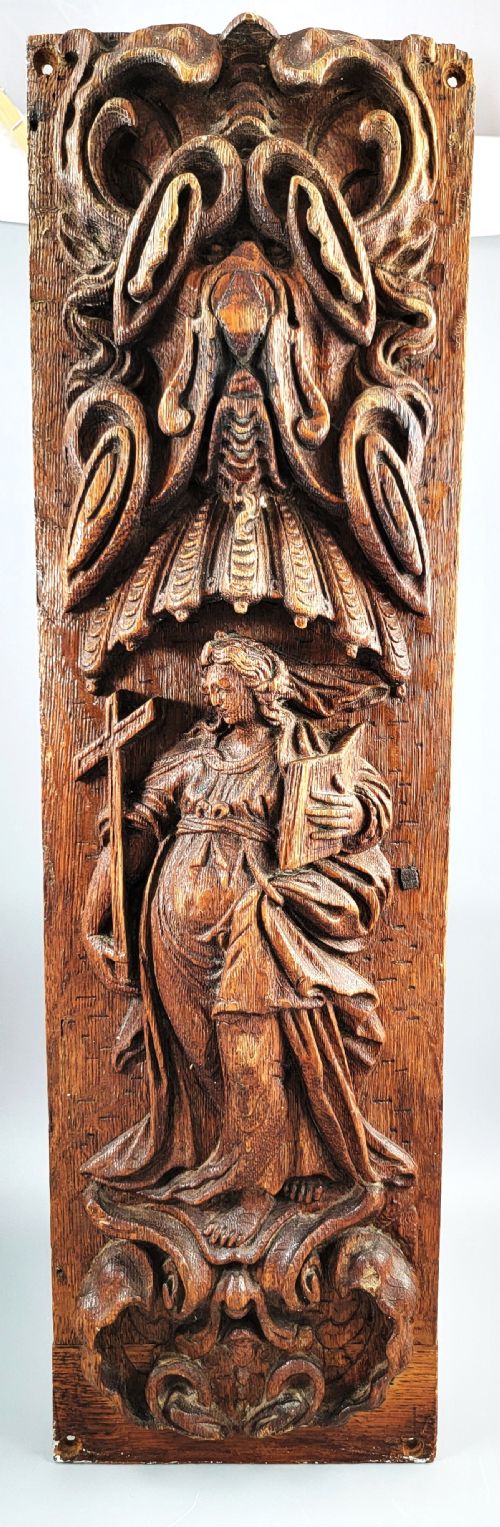
The pieces you meet most often on this page date from the seventeenth and sixteenth centuries, alongside Gothic Revival examples and nineteenth-century church seating. They appear as standalone wall panels, framed saints, tracery fragments and figurative reliefs depicting biblical scenes.
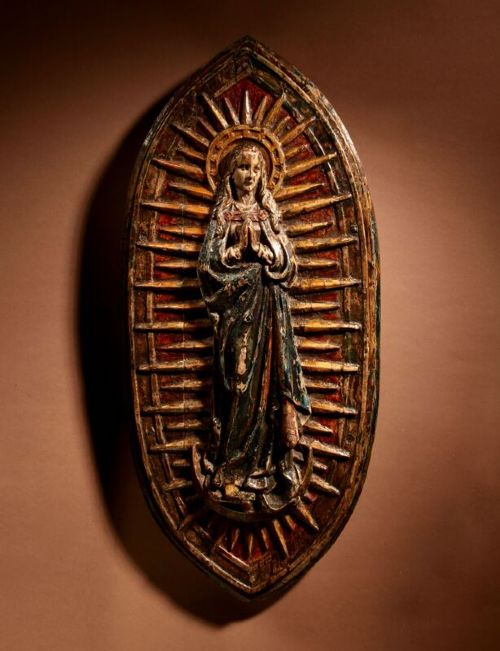
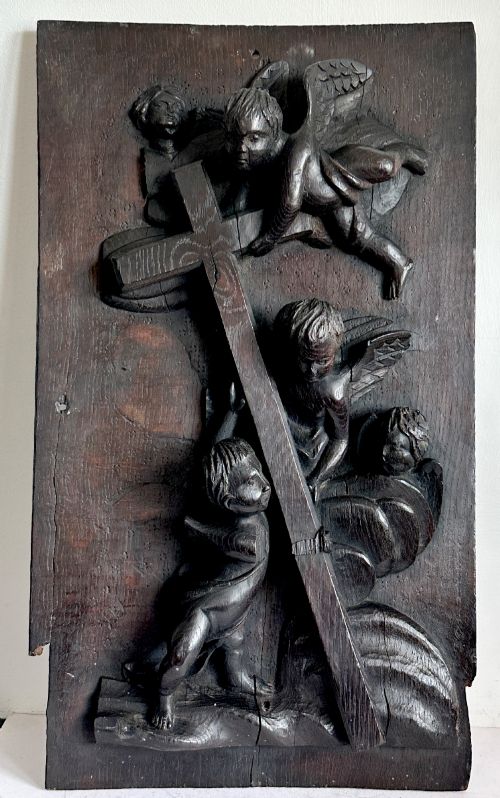
Origins vary across English, Flemish, German and Cornish workshops, showing regional carvers interpreting sacred narratives. Whether depicting Joan of Arc, Christ carrying the cross or an angelic guardian, each panel served a devotional function within a larger ecclesiastical setting.
Materials and construction
Solid oak forms the structural core of these pieces, selected for its durability and dense grain that withstood centuries of handling and atmospheric shifts. Carvers worked directly into the seasoned timber using gouges and chisels to build up high-relief figures and intricate tracery.
Many surfaces retain traces of their original decoration, incorporating polychrome paint, gold leaf and plain paint applied directly to the wood. Iron, brass and metal elements occasionally appear as hinges, brackets or structural reinforcements on coffer lids and hymn boards.
Ecclesiastical Oak Panel Retail Price Guide 2026
Typical asking prices for ecclesiastical oak panel among the pieces listed under this phrase on Sellingantiques today, from the lower quarter to the upper quarter. They describe what is for sale here now, not the wider market.
A sixteenth-century carver once rendered the Virgin standing on a half-moon accompanied by a remarkably determined snake.
Understanding quality in carved timber
The integrity of the timber and the preservation of original polychrome or gilt surfaces dictate the standing of a piece. Retaining early surface layers alongside sharp, untouched tool marks elevates a carving far above heavily restored or stripped examples.
The Ecclesiastical Oak Panel Glossary
- Tracery
- Openwork stonework or woodwork patterns, often forming Gothic arches and geometric shapes in windows and screens. Medieval fragments frequently showcase this architectural ornamentation.
- Polychrome
- Painted in several colours, a decorative technique widely applied to medieval wood and stone sculpture. Traces of this pigment survive on early church carvings.
- Coffer
- A large wooden chest used for storing vestments and church documents, often featuring carved panels across the front. Cornish examples from the seventeenth century demonstrate this form.
- Relief
- Sculptural elements that project from a flat background plane, ranging from shallow incisions to high relief. Figures of saints and angels are typically carved in this manner.
- Tin tabernacle
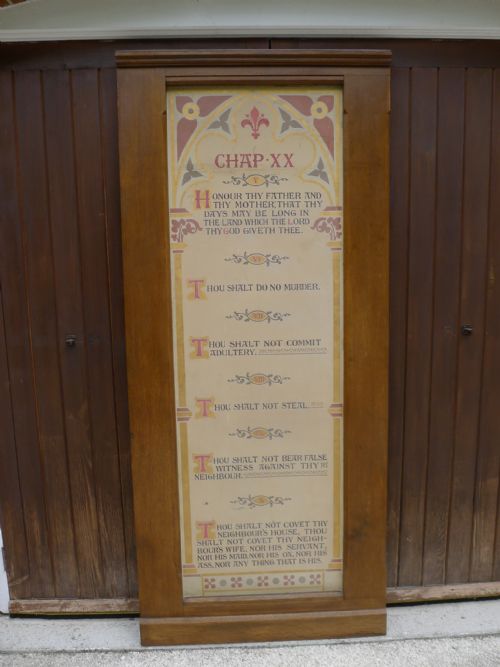
- A prefabricated corrugated iron church or mission hall popular during the Victorian era. These buildings occasionally house illuminated religious texts and wall fixtures.
Ecclesiastical Oak Panel: Frequently Asked Questions
How do I hang a heavy oak panel?
Secure a substantial batten directly into a masonry wall or wall studs to support the weight of the timber. Hang the panel using custom brackets that engage safely with the frame or backboards without stressing the historic wood.
Ensure the mounting allows for slight seasonal movement in the oak as indoor humidity fluctuates. Avoid placing heavy carvings near direct heat sources that might dry out the ancient material.
Were these panels always displayed on walls?
Many panels originally formed part of larger ecclesiastical structures such as altarpieces, choir stalls, rood screens and church coffers. They were integrated into architectural woodwork rather than hung as independent artworks.
Later collectors and dealers adapted these fragments into wall art and reliefs by framing them for domestic display. This repurposing preserved significant carvings that might otherwise have been lost during church restorations.
How can I tell a medieval panel from a later copy?
Examine the tool marks left behind by the carver, as hand-chiselled surfaces display subtle irregularities distinct from machine-produced replicas. The seasoning of the oak, shrinkage cracks and accumulated wax patination develop over centuries of exposure.
Construction methods, such as pegged joints and hand-sawn board backs, provide further evidence of period manufacture. Comparing the style of the carving to documented church architecture helps confirm the era.