


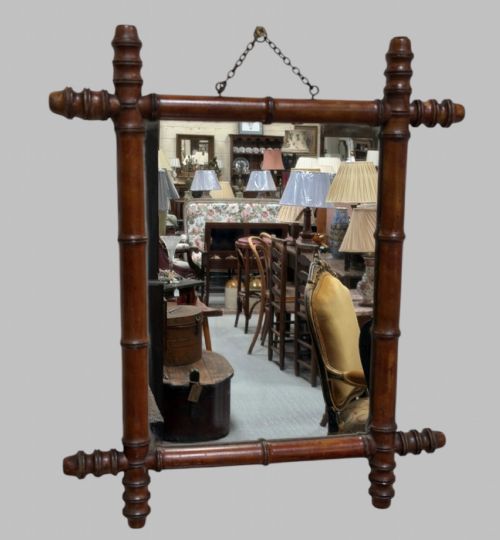
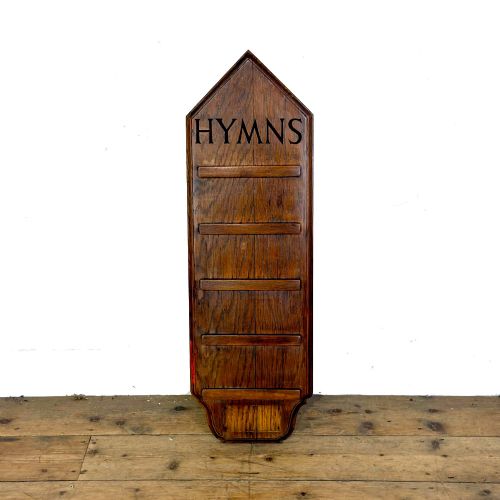
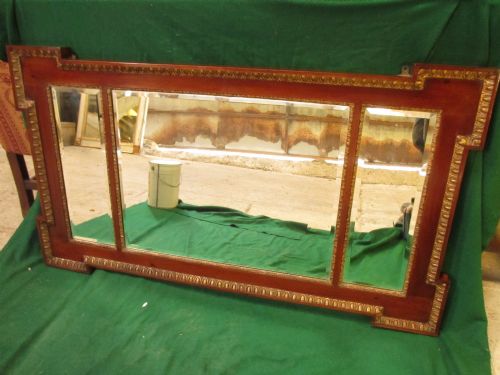
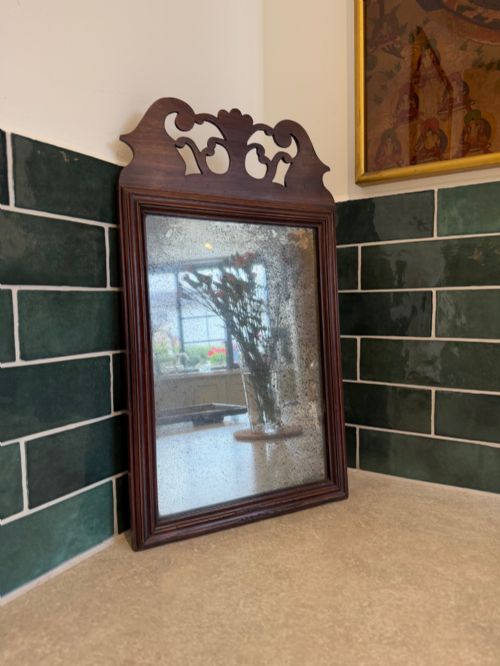
Brown Wooden Wall Carving
These brown wooden wall carving pieces bring genuine texture and historic presence to an interior through centuries of skilled handwork.
Brown Wooden Wall Carving
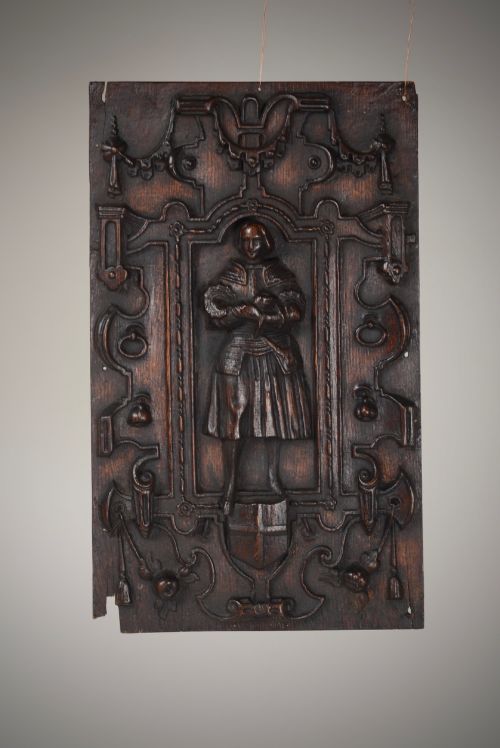
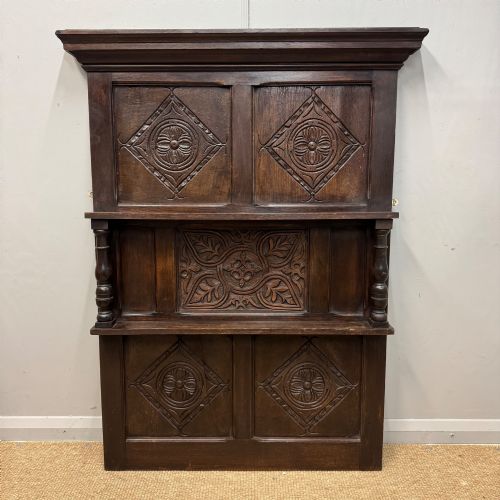
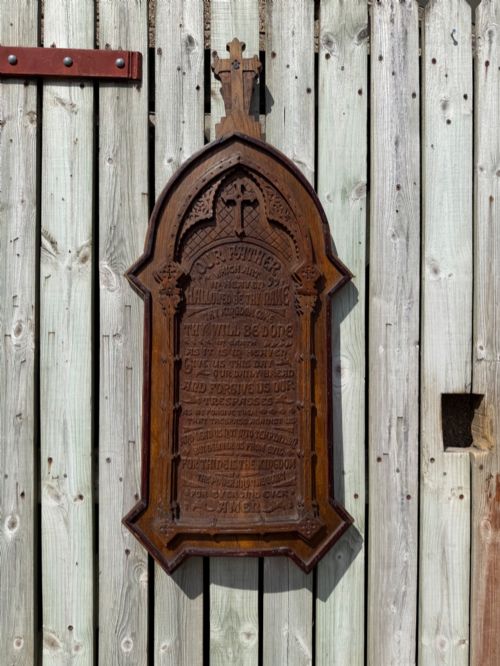
A brown wooden wall carving selection encompasses a diverse range of functional and decorative items designed to mount directly onto interior vertical surfaces. Buyers searching this phrase encounter architectural fragments, devotional panels, hanging cupboards, mirrors, and sculptural brackets spanning from the seventeenth century through to the Edwardian period.
Oak forms the backbone of these offerings, frequently appearing alongside walnut, mahogany, and chestnut in panels, overmantles, and storage boxes. Stylistic influences cross from Jacobean linenfold work and Gothic Revival motifs to ornate continental baroque brackets and intricate Black Forest wildlife carvings.
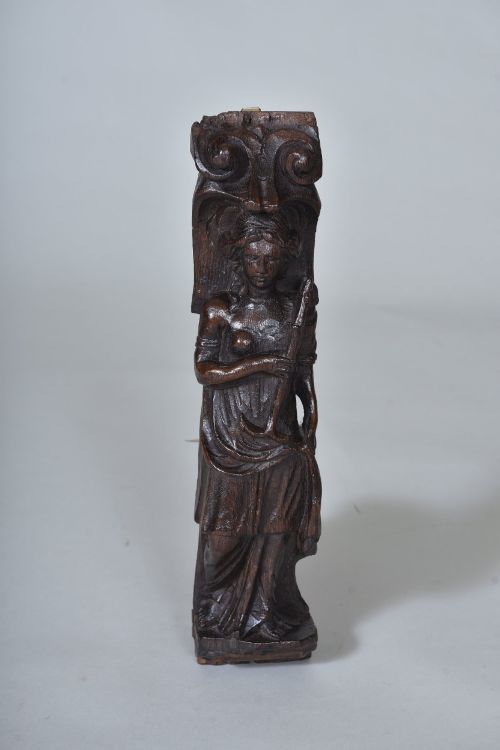
The most common discoveries on this page date from the nineteenth century, though earlier seventeenth-century panels and seventeenth-century style revivals appear regularly. Pieces serve practical domestic roles as coat racks, clocks, and wall cabinets while delivering deep relief sculpture to plain plaster walls.
How they were made
Makers utilised solid native and exotic hardwoods, predominantly oak, walnut, and mahogany, selecting timber with tight grain and rich natural colour for deep relief work. Artisans employed hand gouges, chisels, and parting tools to carve directly into the board, creating strong chiaroscuro effects across floral motifs, figures, and armorial panels.
Construction techniques combine traditional joinery such as pegged mortise and tenon frames with hand-cut dovetails on boxes, cupboards, and candle boxes. Metal components like original iron hardware, brass hinges, and copper wire appear alongside occasional bone and mother of pearl inlay work.
Surface treatments rely heavily on historic wax polishes, applied over decades to build a deep patina across the exposed timber. Traces of original red paint and gilding occasionally survive on religious panels and architectural fragments, recording the initial decorative intent.
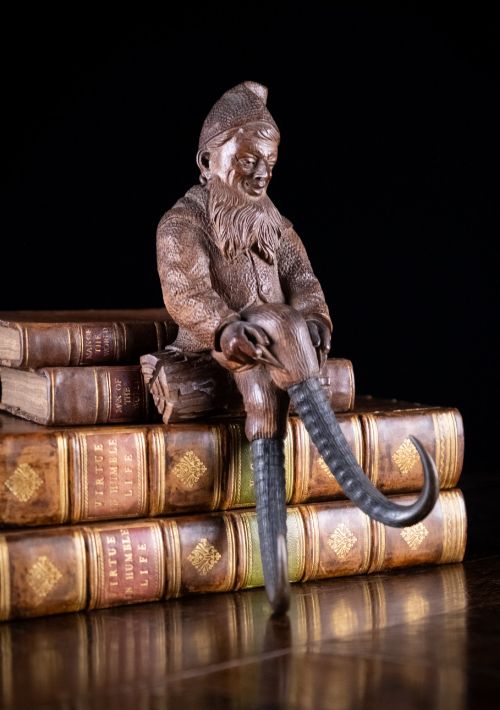
A fierce Black Forest gnome whip hook keeps watch from the nineteenth century, ready to hold outdoor gear with undeniable character.
What varies in quality
Depth of undercut and crispness of edge separation distinguish master carvers from provincial jobbing carpenters. Superior pieces display confident tool marks where facial expressions, foliage veins, and drapery folds retain sharp definition without sanding or smoothing away the artisan's hand.
Integration between the carved wooden element and its functional form dictates overall success. A wall cabinet, mirror frame, or bracket succeeds when the structural carcass balances the visual weight of the carving rather than treating the ornament as an afterthought glued to a plain box.
The Brown Wooden Wall Carving Glossary
- Linenfold
- A style of wood carving simulating folded linen cloth, common on sixteenth and seventeenth-century panels. This technique creates a rhythmic, textile-like texture across flat wooden surfaces.
- Overmantle
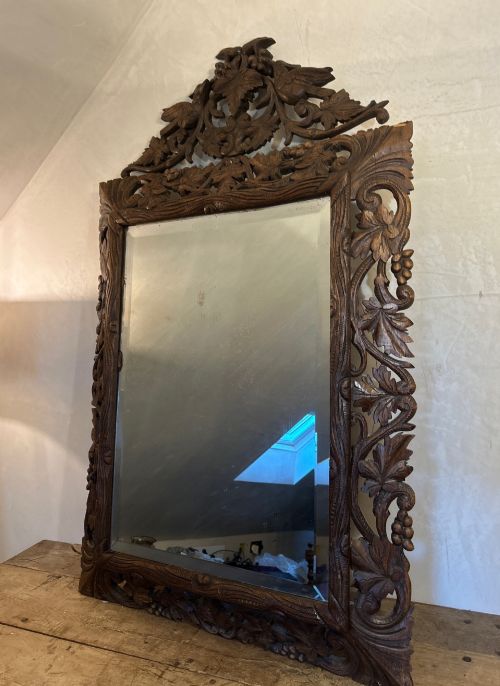
- A large mirror or carved wooden panel designed to hang specifically above a fireplace mantelpiece. These pieces often anchor the decorative scheme of a historic reception room.
- Black Forest
- A nineteenth-century style of wood carving originating in the Swiss region, famous for realistic depictions of animals and foliage. Stags heads, bears, and hunting motifs dominate this distinct sculptural tradition.
- Dial clock
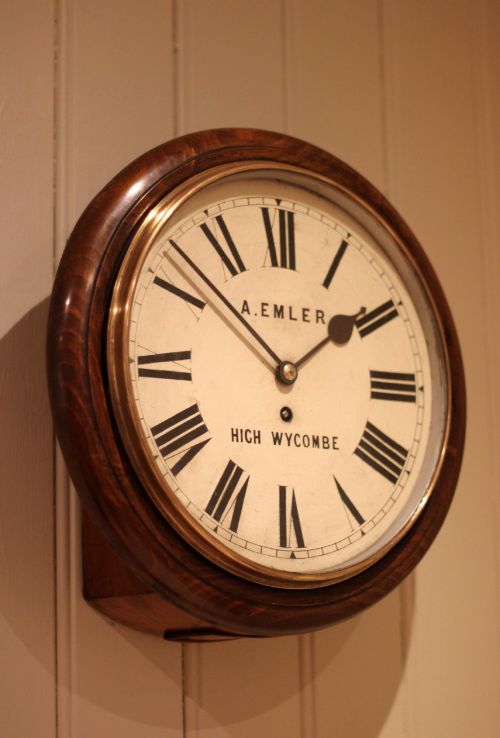
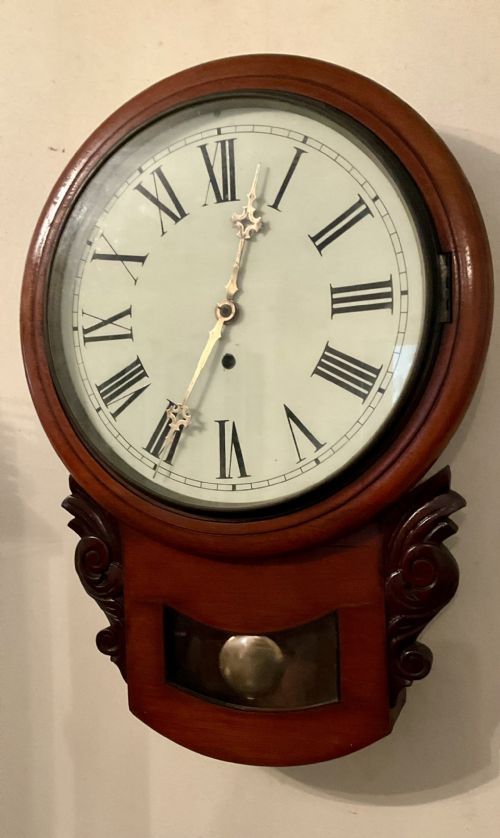
- A wall-mounted timepiece featuring a prominent face, often driven by a fusee movement in a hardwood frame. These clocks combined practical timekeeping with architectural wall presence in hallway and reception spaces.
Brown Wooden Wall Carving: Frequently Asked Questions
How do I hang a heavy carved wooden panel safely?
Heavy panels and cupboards require direct fixing into masonry walls using appropriate rawlplugs or screwing securely into wooden studs behind plasterboard. French cleats provide reliable support for substantial carved timber items without straining the historic frame.
Ensure the hanging weight distributes evenly across multiple points rather than relying on a single central ring or fragile wire. Historic iron hardware on the back must be inspected to confirm the metal remains stable before lifting the piece into position.
How should I clean antique carved wood?
Dust carved surfaces gently using a soft, dry brush to lift dirt from deep recesses without abrading the historic patina. Avoid liquid household cleaners and silicone polishes, which soften wax and attract fresh dust into intricate crevices.
Feed dry timber occasionally with a microcrystalline wax or traditional beeswax applied sparingly on a soft cloth. Buff gently after application to maintain the subtle sheen built up over centuries of handling.
How can I tell a seventeenth-century panel from a later copy?
Examine the back of the timber for tool marks left by pit saws or adzes rather than modern circular saws. Timber shrinkage, worm tracks, and hand-forged retaining pegs offer reliable clues to genuine age.
Later revival pieces often feature overly uniform carving depth and machine-cut joints hidden behind applied dark stains. Compare the wood density and oxidation colour with documented examples from the same period to confirm authenticity.
Where were wall brackets used in historic homes?
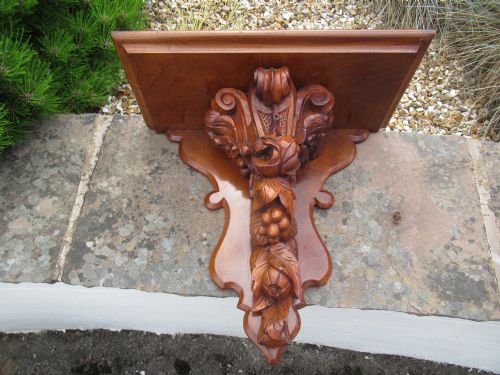
Wall brackets served as prominent display shelves for porcelain figures, clocks, and lighting in Victorian and Edwardian reception rooms. Placing decorative objects at eye level drew attention to specific corners and architectural focal points.
They also functioned in hallways as key drops or small candle stands before electric lighting reached every domestic corridor. Their sturdy wooden construction supported substantial decorative items without occupying valuable floor space.