




Carved Wooden Heraldic Panel
A carved wooden heraldic panel carries generations of identity through deep relief, offering enduring presence on any wall.
Carved Wooden Heraldic Panel
A carved wooden heraldic panel displays coats of arms, crests, and familial insignias intended to mark lineage and alliance. When searching for a carved wooden heraldic panel, you encounter wall plaques, architectural salvage, and marriage boards rooted in centuries of symbolism.
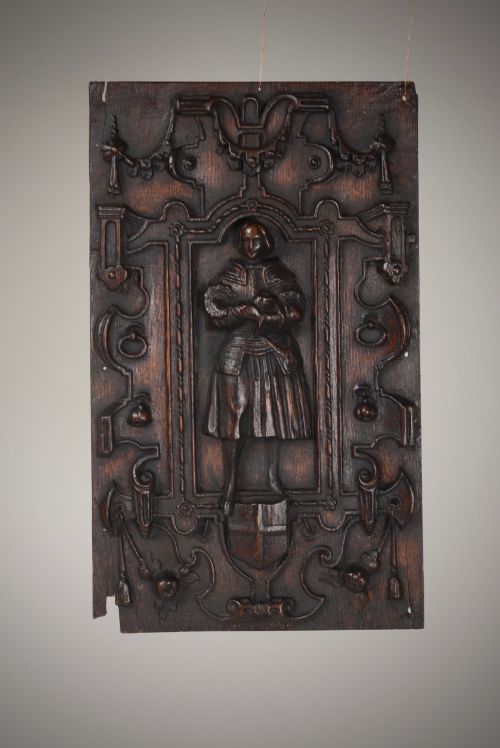
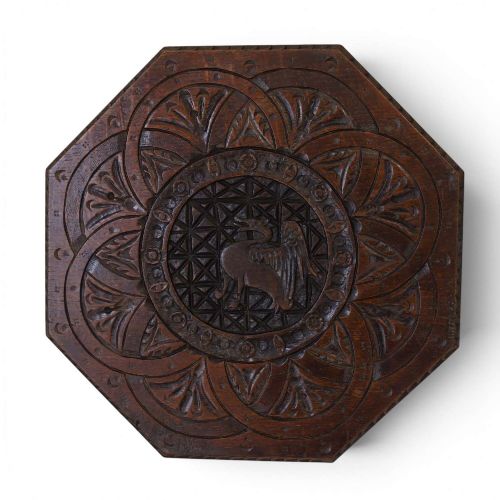
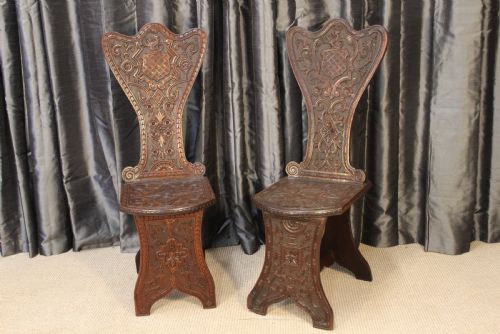
The pieces appearing on this page span the seventeenth and nineteenth centuries, taking forms such as wall plaques, former tabletops, and door pediments. Oak and fruitwood feature predominantly, alongside walnut and general hardwoods.
Stylistic influences range from the Gothic Revival and French Renaissance Revival to seventeenth-century traditions and nineteenth-century Dutch marriage plaques. These works serve primarily as decorative wall art, retaining the rich sculptural weight of their original architectural contexts.
Materials and construction
Carved wooden heraldic panels rely heavily on dense timbers such as oak, walnut, and various fruitwoods that accept fine chisel work without splitting. Artisans shaped these resistant materials using hand tools to achieve high and low relief across complex armorial designs.
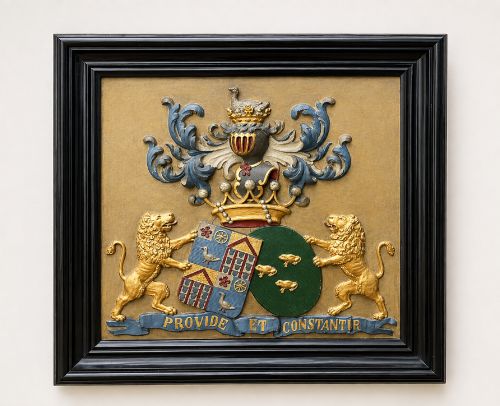
Surfaces frequently receive additional treatment through gesso, applied pigment, or gilt highlights to accentuate heraldic tinctures and carved details. Some panels incorporate polychrome pigment directly onto the wood, while others preserve the natural grain under clear finishes.
Carved Wooden Heraldic Panel Retail Price Guide 2026
Typical asking prices for carved wooden heraldic panel among the pieces listed under this phrase on Sellingantiques today, from the lower quarter to the upper quarter. They describe what is for sale here now, not the wider market.
One recorded marriage plaque preserves the union of the Van Rijckevorsel and Verheijen families down to the exact year of eighteen fifty-two.
Assessing craftsmanship and depth
Quality in a carved wooden heraldic panel rests on the crispness of the chisel work and the anatomical or geometrical precision of the heraldic devices. Superior examples display sharp undercutting and spirited modelling that bring crests and figures into strong relief.
The integrity of the timber and the retention of original surface treatments, such as early polychrome pigment or gilt, distinguish exceptional panels from simpler decorative items. Later adaptations, such as panels converted from tabletops or book covers, derive their character from how successfully the original carving integrates into its new format.
Van Rijckevorsel and Verheijen
The Carved Wooden Heraldic Panel Glossary
- Armorial
- Relating to heraldry or coats of arms. It describes items marked with specific familial bearings and crests.
- Polychrome pigment
- Paint applied in multiple colours. It highlights specific areas of a carved design to render heraldic tinctures accurately.
- Gesso
- A plaster mixture applied as a base for paint or gilding. It provides a smooth ground on wooden surfaces for fine decorative work.
- Pediment
- A triangular or decorative architectural crown above a door or opening. Many salvaged panels originate from these structural elements.
- Gothic Revival
- An architectural and decorative style popular in the nineteenth century. It revives medieval forms, pointed arches, and heavy timber framing.
Carved Wooden Heraldic Panel: Frequently Asked Questions
What is a carved wooden heraldic panel?
A carved wooden heraldic panel is a sculptural wall plaque or architectural fragment displaying coats of arms, family crests, or marriage alliances. These pieces were traditionally commissioned to record lineage and decorate ancestral homes.
Today, they function as striking wall art that brings historical depth and sculptural texture into contemporary interiors.
How were these panels used originally?
Historically, heraldic panels adorned the walls of great halls, served as door pediments, or marked significant family events like marriages. Some examples originated as marriage plaques commemorating specific unions.
Others functioned as architectural salvage from larger buildings or served as decorative elements integrated into furniture and domestic woodwork.
How do I hang a heavy wooden panel safely?
Due to the density of timbers like oak and walnut, these panels require robust wall fixings anchored directly into studs or masonry. Professional mirror plates or heavy-duty D-rings screwed securely into the back frame provide the necessary support.
Avoid hanging panels in locations subject to rapid temperature fluctuations or direct sunlight, which can dry out the historic wood and pigments.
How can I tell the seventeenth century from the nineteenth century?
Seventeenth-century panels typically display deeper, more robust chisel work with simpler, heavier framing consistent with early joinery techniques. Nineteenth-century pieces often reflect Gothic Revival or Renaissance Revival influences with crisper, highly detailed relief carving.
Examining the back of the panel for tool marks, seasoning splits, and the nature of the wood helps confirm the likely period of manufacture.