
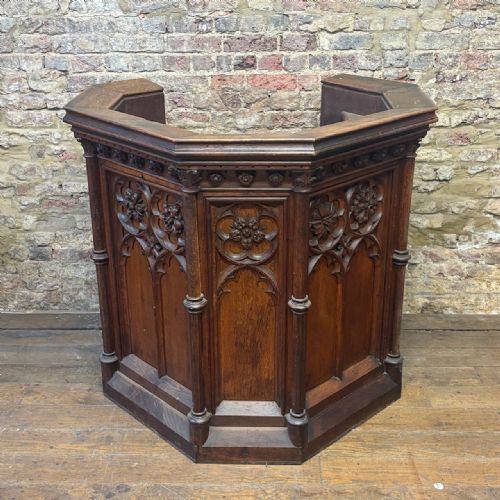
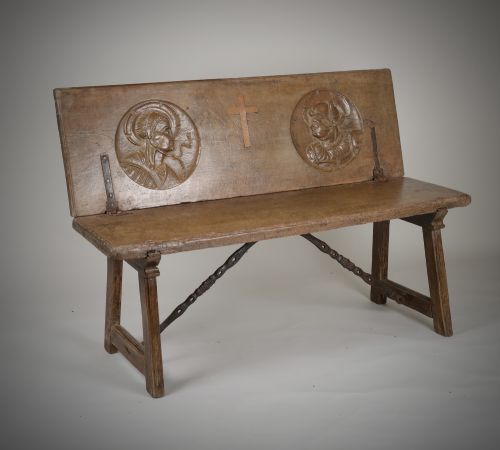
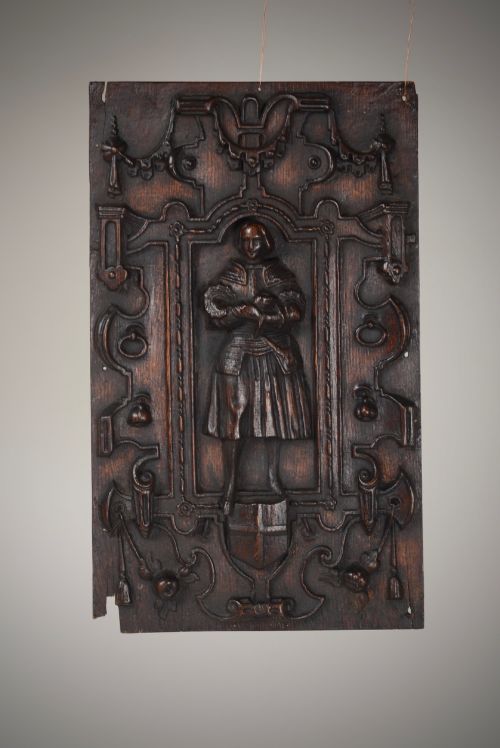
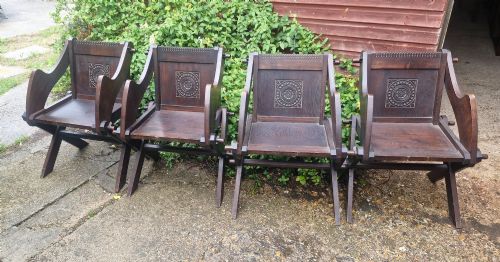
Ecclesiastical Oak Carving
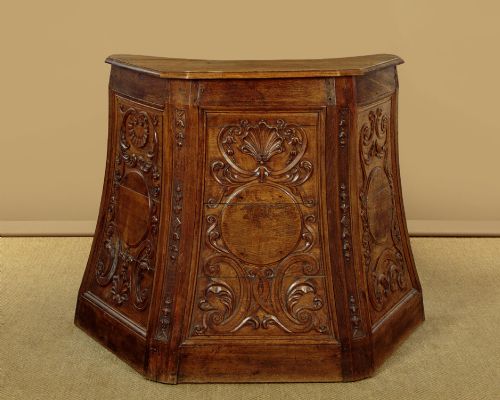
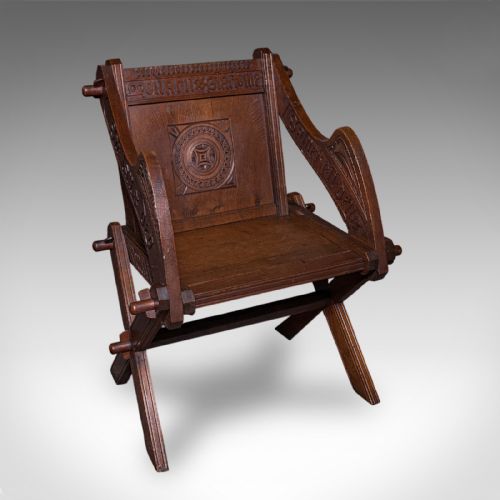
Ecclesiastical oak carving brings centuries of devotional craft into domestic spaces through timber wall sculptures, panels and figures.
Understanding ecclesiastical oak carving
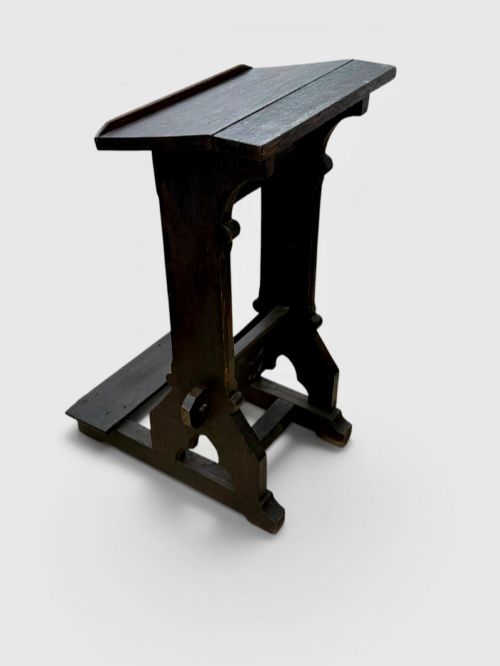
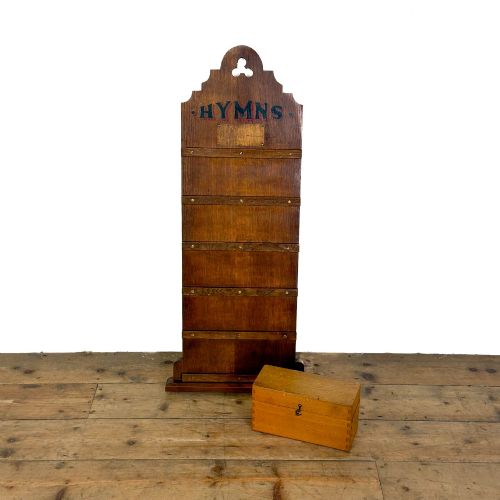
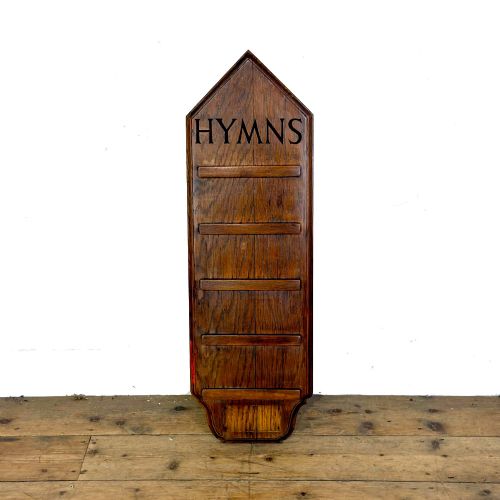
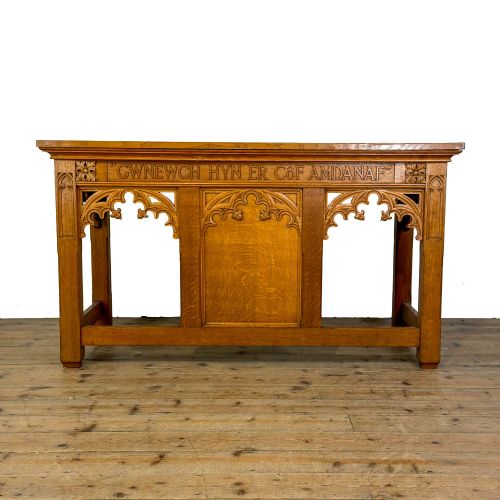
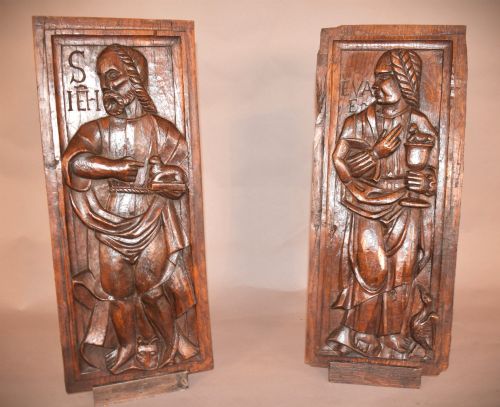
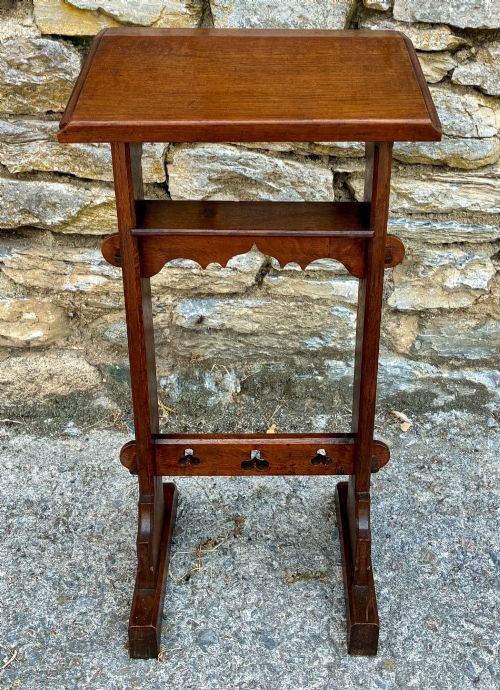
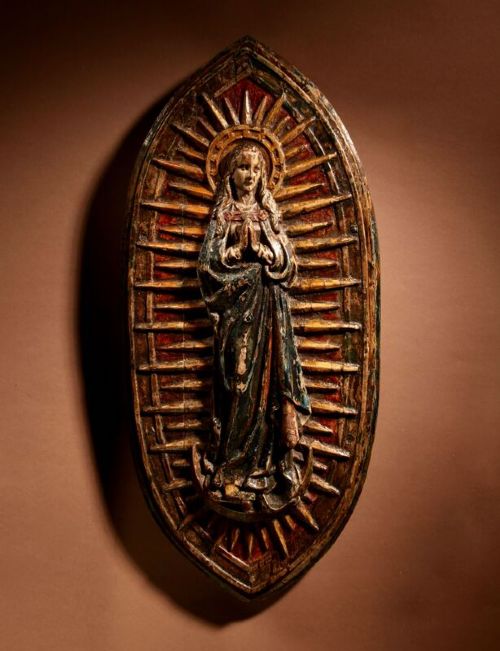
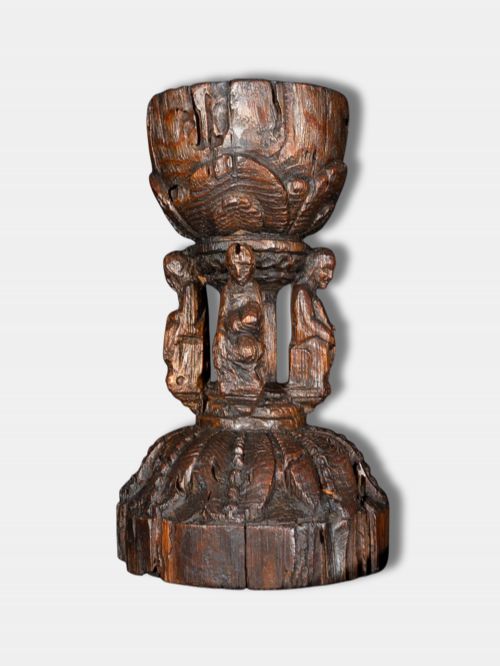
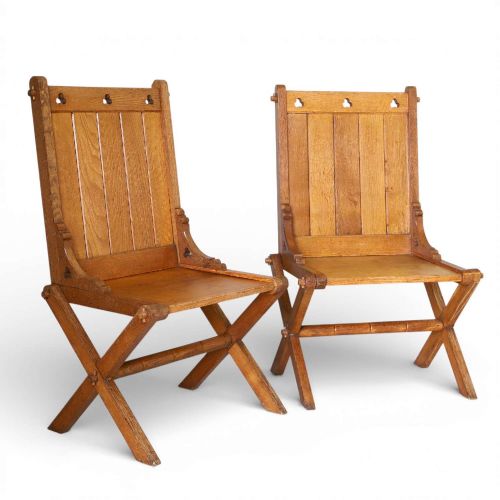
When you search for ecclesiastical oak carving, you encounter devotional figures, architectural panels and liturgical furnishings created for churches and chapels across Europe. These pieces take the form of wall reliefs, wall sculptures, lecterns and statues depicting saints, angels, cherubs and sacred narratives.
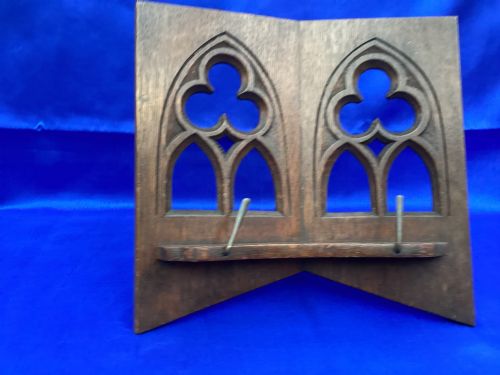
The selections span a wide chronological range, appearing in pre-sixteenth century, sixteenth century, seventeenth century, eighteenth century, and nineteenth century iterations. Baroque, Renaissance, Gothic and Ecclesiastical Gothic styles dominate the visual language of these works.
You are most likely to meet panels and wall sculptures originating from northern European workshops, alongside Italian lecterns depicting eagles with outstretched wings. Subjects range from singular carved saints and Madonnas to allegorical panels of faith and angels with detailed plumage.
Materials and construction
Makers utilised solid oak for its structural stability and dense grain, allowing deep undercutting and sharp relief work. Timber was seasoned carefully before carvers applied chisels and gouges to shape figures and architectural framing.
Selected details received applications of gilt or gilded wood to highlight halos, drapery edges or symbolic attributes. Surface finishes relied on natural darkening of the oak over centuries rather than heavy modern varnishes.
Retail Price Guide 2026
Typical UK retail prices for ecclesiastical oak carving, calculated from the Sellingantiques database of over a million retail prices indexed since 2003. This retail price guide relies exclusively on Sellingantiques data; no external sources or auction records are used, so the figures do not describe the wider market.
Listings span periods from pre-sixteenth century to the twentieth century, uniting Gothic, Renaissance and Baroque styles in solid oak.
Distinctions in quality
Lesser examples show stiff repetition in repetitive motifs such as poppy heads or standard architectural borders. The integration of the carving with its original structural ground also separates masterworks from workshop pieces.
The Ecclesiastical Oak Carving Glossary
- Oak
- A durable hardwood used extensively for ecclesiastical furnishings across centuries. Its distinct medullary rays create a characteristic grain pattern visible beneath historic finishes.
- Gilt
- A thin layer of gold leaf applied to portions of the wood surface. This technique added luminosity to sacred figures and highlighted important theological details.
- Wall relief
- A sculpture where figures project minimally from a flat wooden background. These panels frequently decorated choir stalls, pulpits and screens.
- Lectern
- A tall reading desk for holding liturgical books, often carved in the form of an eagle with outstretched wings. The bird symbolises the spread of the Gospel.
- Baroque
- An ornate artistic style spanning the seventeenth and eighteenth centuries, characterised by dynamic movement and dramatic emotional intensity. Carvings from this period feature swirling drapery and expressive cherubs.
- Gothic
- A medieval style revived in later ecclesiastical work, defined by pointed arches, vertical emphasis and solemn sculptural dignity.
Frequently Asked Questions
Where did these carvings originate?
The pieces hail from various European regions, including Italy, Germany, Flanders and the Low Countries. Continental workshops produced much of the figurative and architectural work found today.
Specific regional traditions emerge in the handling of drapery and the choice of subject matter, distinguishing southern European lecterns from northern panel work.
How were these pieces used originally?
Ecclesiastical carvings served devotional and liturgical functions within churches, abbeys and private chapels. They adorned choir stalls, altarpieces, walls and lecterns.
Figures of saints, Madonnas and angels directed the faithful in prayer and illustrated sacred narratives for congregations who could not read.
How do I date an oak carving?
Dating relies on stylistic markers such as the transition from Gothic severity to Baroque dynamism, alongside tool marks and timber shrinkage. The costume and posture of figures also align with known artistic periods.
Comparing the handling of hair, hands and drapery against dated architectural woodwork helps narrow the century of creation.
How should I hang a wall sculpture?
Heavy oak wall sculptures require secure mechanical fixings anchored directly into masonry or wall studs. Professional installation ensures the weight of the dense timber is supported safely.
Positioning pieces away from direct heat sources and strong sunlight protects the historic oak and any remaining gilt from drying or fading.