




Gothic Oak Wall Sculpture
These gothic oak wall sculpture pieces bring heavy timber relief and architectural fragments straight from centuries past into modern rooms.
Gothic Oak Wall Sculpture
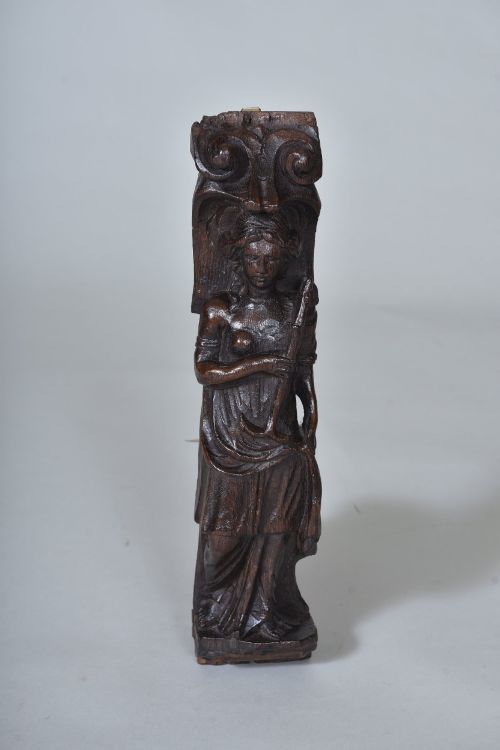
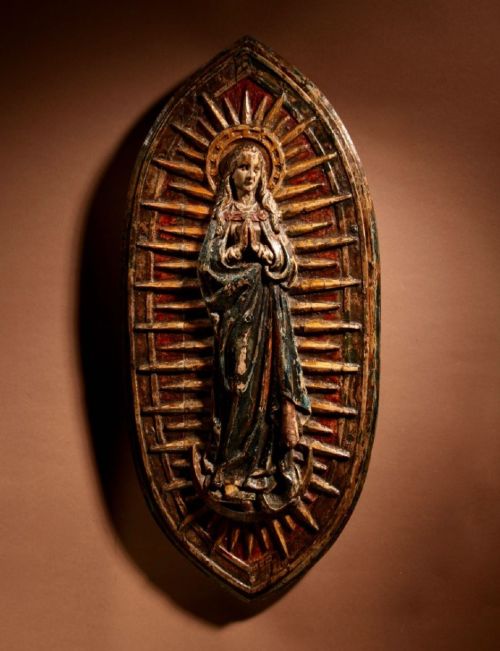
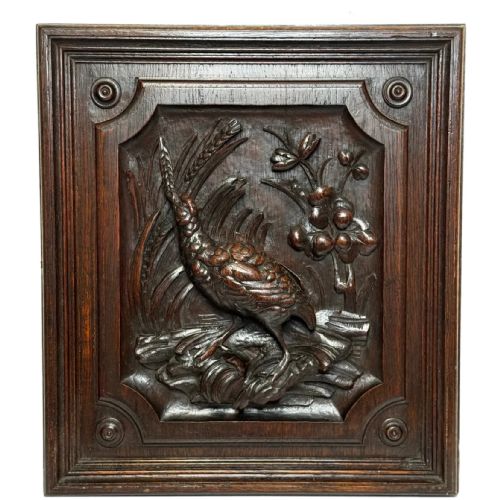
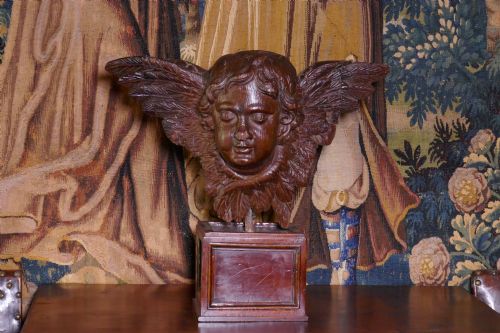
A gothic oak wall sculpture draws the eye with deep timber relief, architectural fragments, and ecclesiastical figures meant for interior display. When searching for a gothic oak wall sculpture, buyers encounter everything from sixteenth-century altarpiece panels to nineteenth-century Gothic Revival heraldic crests.
The selection ranges across several centuries, showing styles from medieval northern Renaissance to Victorian ecclesiastical interpretations. Formats vary from architectural fragments and wall panels to full relief sculptures of angels, lions, and religious figures.
How they were made
Structural elements frequently incorporate forged iron fixings or nails for mounting, while other examples remain as raw architectural fragments salvaged from larger church structures or altarpieces.
The listings here span from pre-sixteenth century medieval pieces up to the Victorian Gothic Revival, predominantly utilising solid oak.
What varies in quality
Depth of carving and clarity of expression separate standard decorative items from superior period works. Finer examples display confident handling of anatomy and drapery, whereas lesser carvings appear rigid or formulaic.
The integrity of the timber surface also dictates standing, with untouched original patination and surviving traces of early polychrome or gesso holding greater interest than heavily stripped or over-restored timber.
The Gothic Oak Wall Sculpture Glossary
- Architectural fragment
- A surviving portion of a larger building or altarpiece removed from its original context. These pieces often show cut edges or fixing points from their initial installation.
- Polychrome
- The practice of decorating timber sculpture with multiple colours of paint. Surviving pigment adds significant visual depth to medieval and renaissance carvings.
- Gesso
- A plaster-like mixture applied to wood as a smooth base for paint or gilding. It provides a crisp surface for fine detail work in early ecclesiastical pieces.
- Quarter-sawn oak
- Timber cut radially from the tree log, producing distinctive grain patterns and superior dimensional stability. This cut was favoured by master carvers to prevent warping over centuries.
- Ecclesiastical
- Pertaining to the Christian church or clergy, describing items originally created for liturgical settings. Much of this inventory originates from monastic or church interiors.
Gothic Oak Wall Sculpture: Frequently Asked Questions
How do I hang a heavy oak carving?
Most pieces require robust metal brackets or custom concealed battens screwed directly into masonry or wall studs. The substantial weight of solid oak demands professional assessment of your wall structure.
Ensure the hanging hardware engages securely with the timber frame rather than relying solely on superficial decorative elements or weak points in the old wood.
How do I clean old oak sculpture?
Dust gently using a dry, soft-bristled brush to remove surface particles without disturbing fragile patination or traces of historic polychrome paint. Avoid all modern chemical polishes and water.
Aggressive cleaning strips away centuries of natural ageing and oils that give antique timber its characteristic warm sheen and historical character.
Are these pieces from churches?
Many examples originate from ecclesiastical contexts such as rood screens, altarpieces, or choir stalls. Others come from domestic secular architecture of the period.
Religious imagery like angels, saints, and biblical scenes reflects the dominant patronage of early European woodcarving workshops.
How do I spot Victorian copies?
Victorian Gothic Revival pieces often utilise machine-sawn timber, bright tiger oak figuring, and sharp, uniform machine tooling. True medieval and sixteenth-century work displays hand-split or adzed surfaces.
Look closely at tool marks and joinery methods, as nineteenth-century makers frequently adopted medieval motifs while employing modern workshop techniques.