


Gothic Carved Oak Figure
A gothic carved oak figure brings centuries of devotion and craftsmanship into a room, taking the form of saints, angels, and architectural fragments.
Gothic Carved Oak Figure
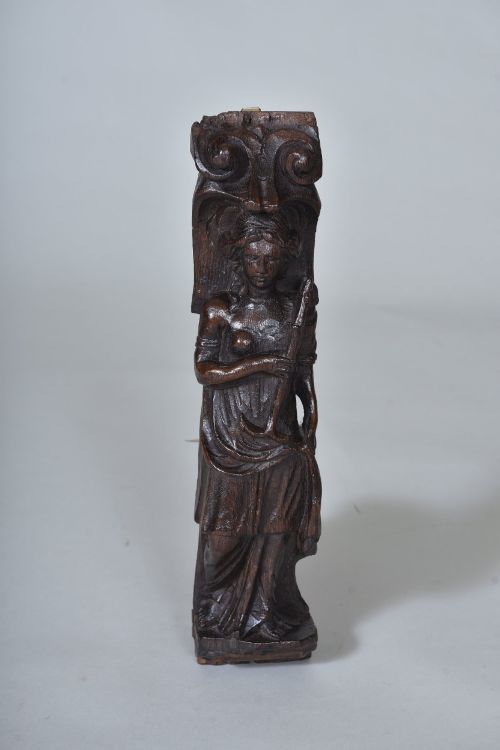
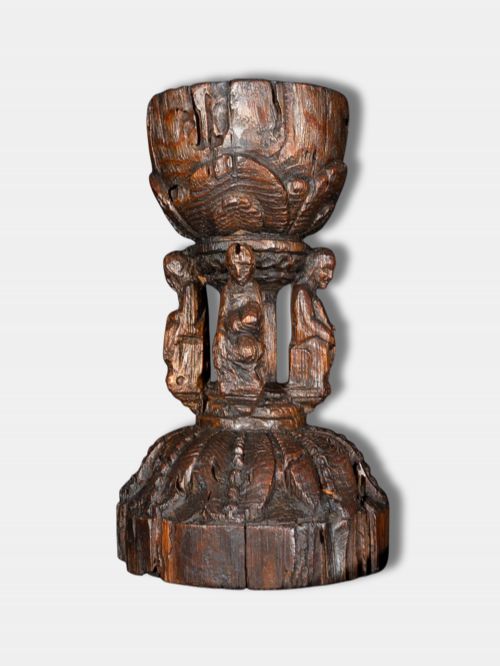
A gothic carved oak figure represents ecclesiastical or domestic sculpture hewn from heavy timber, depicting religious subjects such as saints, the Madonna and child, or angels. These works span multiple centuries, appearing in forms ranging from freestanding statues and devotional reliefs to structural elements like caryatids and architectural brackets.
Buyers searching for a gothic carved oak figure encounter pieces originating from diverse European centres including Germany, Flanders, France, and the Low Countries. While many examples date from the pre-sixteenth and sixteenth centuries, nineteenth-century revivals also populate the selection with historicist interpretations.
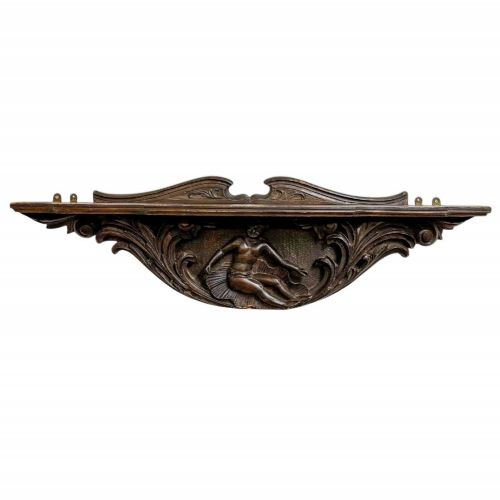
The most common formats on this page include solitary devotional figures, paired saints, and fragmentary remains of larger church furnishings. Each object carries the marks of its original architectural or devotional context, whether it served as an overdoor pediment, a building bracket, or a standalone devotional panel.
What varies in quality
The sophistication of the carving distinguishes superior examples from utilitarian workshop output, evident in the natural fall of drapery and the anatomical expression of hands and faces. Master carvers achieved depth and movement within the grain of the oak, whereas lesser pieces display rigid symmetry and shallow relief.
State of preservation significantly influences the standing of an individual piece, particularly the survival of original polychrome paint, the integrity of protruding elements like hands or wings, and the extent of historical timber shrinkage or worm damage. Original surface patination accumulated over centuries separates untouched examples from those subjected to modern restoration.
Several listings include watchful griffins and cherubs lurking at the feet of solemn saints.
The Gothic Carved Oak Figure Glossary
- Polychrome paint
- Decoration applied in multiple colours to the surface of wood sculpture. It added realism and devotional splendour to medieval church figures.
- Caryatid
- A carved human figure acting as a structural support pillar. These architectural supports appear beneath shelves, cornices, and mantelpieces.
- Pieta
- A subject depicting the Virgin Mary supporting the dead body of Christ. This iconic devotional group occurs frequently in medieval wood carving.
- Overdoor
- A decorative panel or sculpture positioned above a doorway. These architectural elements often feature carved pediments, reliefs, or shelf assemblies.
- Gothic Revival
- An architectural and decorative movement from the nineteenth century imitating medieval styles. Revival pieces often utilise historicist motifs alongside older construction methods.
Gothic Carved Oak Figure: Frequently Asked Questions
How do I date an old oak carving?
Dating relies on stylistic markers in the drapery, facial carving, and regional school characteristics, supported by the appearance of the timber grain and tool marks.
Examination of the back and base often reveals historical fixings, pegging methods, and wood shrinkage patterns consistent with specific centuries of production.
Where were these figures originally placed?
Many figures originated inside churches and monastic buildings, mounted on rood screens, altarpieces, structural brackets, or architectural niches.
Others formed part of domestic furniture, secular wall panelling, or civic overdoors before being detached as individual decorative objects.
How should I care for timber sculptures?
Keep wooden figures away from direct heat sources, bright sunlight, and rapid humidity fluctuations to prevent the oak from splitting or warping.
Dust the surface gently with a dry, soft brush and avoid applying modern polishes or oils to historical finishes and painted areas.
What does polychrome paint indicate?
Original paint layers confirm that medieval wood carvings were rarely left as bare timber, instead receiving comprehensive coats of pigment and gesso.
The survival of these fragile colour layers provides vital evidence for the original ritual context and visual appearance of the piece.