




Wooden Madonna and Child
These wooden madonna and child sculptures are carved devotional figures that bring centuries of sacred craftsmanship and serene spiritual presence directly into your home.
Wooden Madonna and Child
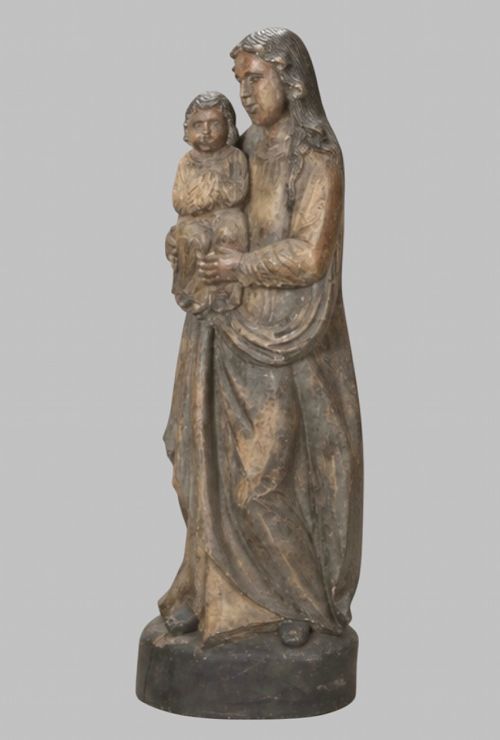
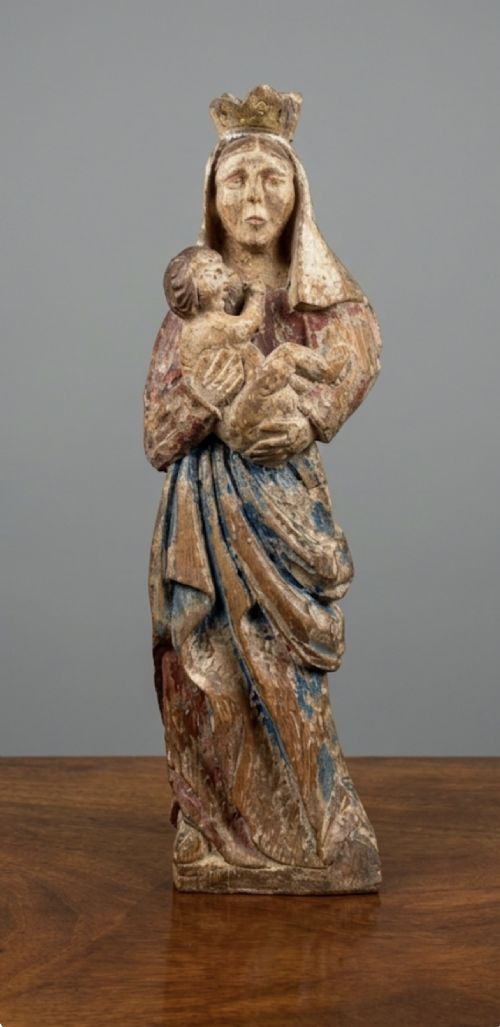
A wooden madonna and child represents the classical Christian subject of the Virgin Mary holding the infant Jesus, appearing in various sculptural forms across multiple centuries.
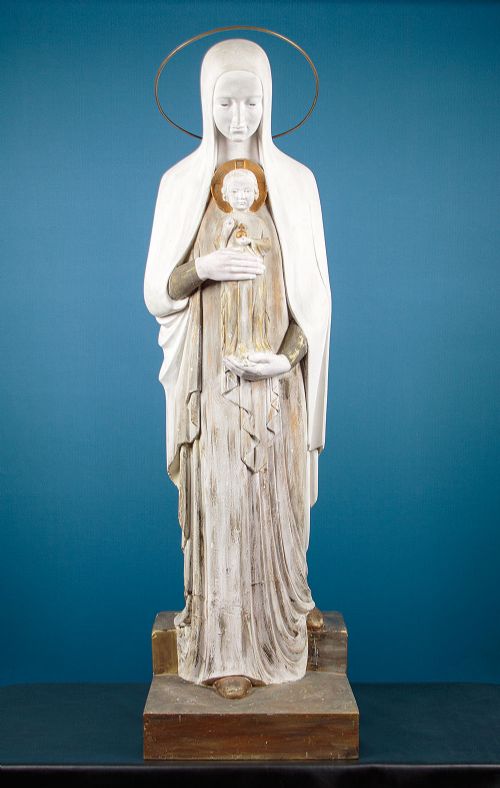
The objects span periods from the sixteenth century through the nineteenth century, alongside twentieth-century interpretations in Gothic Revival, Renaissance, Arts and Crafts, and Spanish Colonial styles.
How they were made
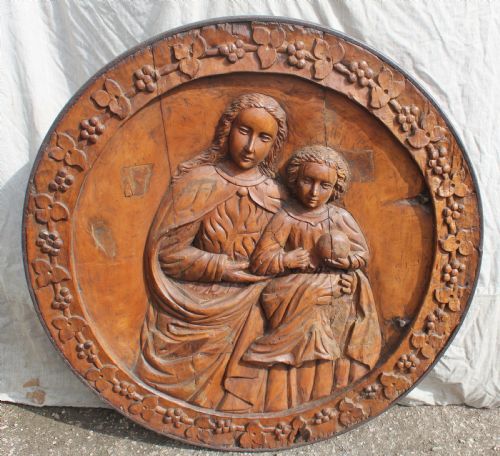
Artisans fashioned these figures primarily from carved wood and solid oak, employing traditional hand-carving techniques to shape the devotional sculptures and wall plaques.
Many surfaces received layers of gesso and gold leaf or hand-painted polychrome decoration to enrich the visual impact of the sacred subjects.
Selected examples incorporate supplementary materials such as paper and glass within framed art prints or associated devotional presentations.
Materials represented across the selection include carved wood, oak, gesso, gold leaf, polychrome paint, paper, and glass.
What varies in quality
The distinction between ordinary and exceptional pieces rests upon the finesse of the hand-carving and the expressive depth captured in the faces of Mary and the infant Christ.
Original surface treatments, including surviving polychrome paint and gold leaf, elevate the standing of a carving compared to later stripped or refinished surfaces.
Pieces executed in durable hardwoods like oak or displaying sophisticated stylistic idioms such as Renaissance or Gothic Revival hold greater artistic weight.
The Wooden Madonna and Child Glossary
- Polychrome
- Painted in several colours. This term describes wooden sculptures adorned with applied pigments to render lifelike garments and flesh tones.
- Gesso
- A plaster-like mixture applied as a base. Artisans use it on wood before applying gold leaf or paint to create a smooth surface.
- Santos
- A carved Christian figure used for devotion. These figures often originate from Spanish or colonial traditions.
- Gothic Revival
- An architectural and decorative style inspired by medieval forms. It emerged strongly during the nineteenth century in religious art.
- Folk Art
- Objects created by self-taught or traditional craftsmen. These pieces reflect local aesthetic traditions rather than academic art canons.
Wooden Madonna and Child: Frequently Asked Questions
How are wooden madonna and child sculptures dated?
Datings rely upon tool marks, the choice of timber such as oak, stylistic indicators from periods like the sixteenth or nineteenth centuries, and the ageing of gesso and paint.
Examining the construction methods and the wear patterns on the wood provides further clues to the century of origin.
Where were these devotional carvings originally displayed?
These figures stood in private domestic shrines, churches, and monastic settings for personal prayer and communal worship.
Wall plaques and larger sculptures occupied prominent positions within religious spaces or homes across Europe and colonial territories.
How should I care for an antique wood carving?
Keep the sculpture away from direct sunlight, heating vents, and rapid humidity changes to protect the wood and any historic polychrome surface.
Dust gently with a dry, soft brush and avoid applying modern polishes or cleaning liquids to delicate finishes.
What is the difference between a statue and a wall plaque?
Statues are fully three-dimensional sculptures designed to stand independently on altars, tables, or brackets.
Wall plaques are carved in relief with flat backs specifically intended for hanging directly against a wall.