
Oak Church Carving
Oak church carving brings together centuries of ecclesiastical craftsmanship, offering robust timber figures, architectural fragments and seating built for devotion.
Oak Church Carving
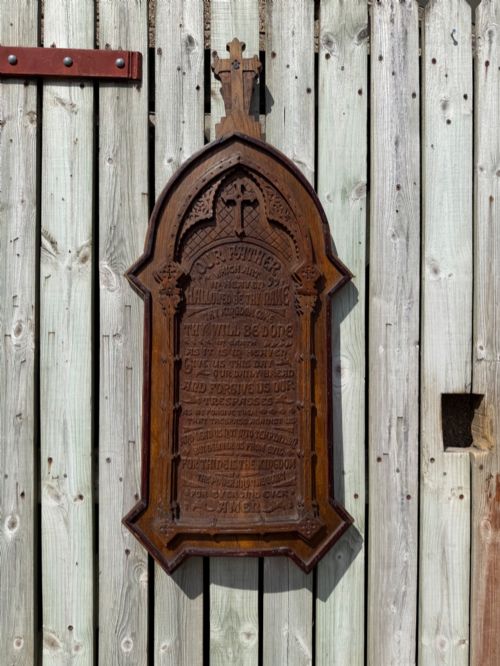
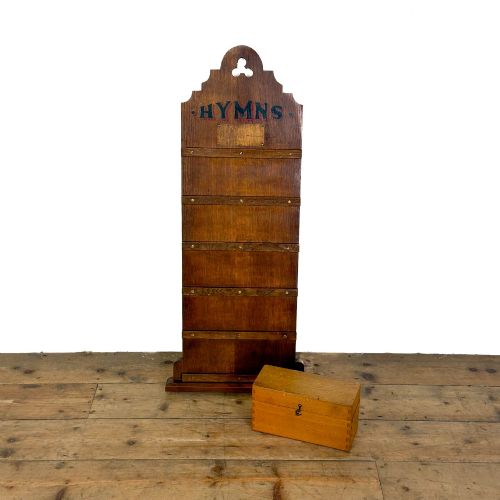
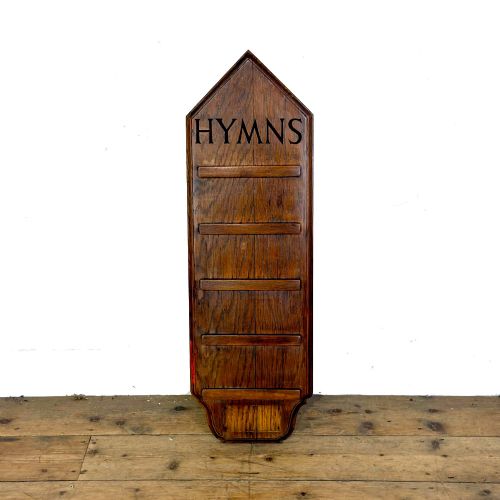
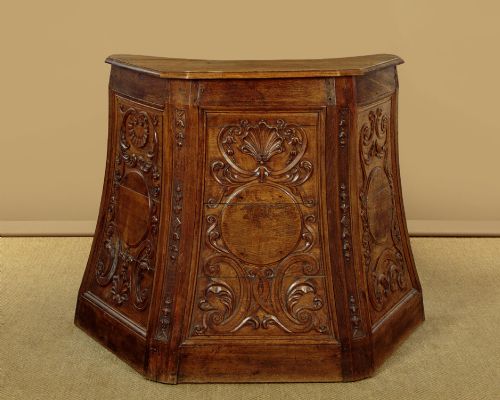
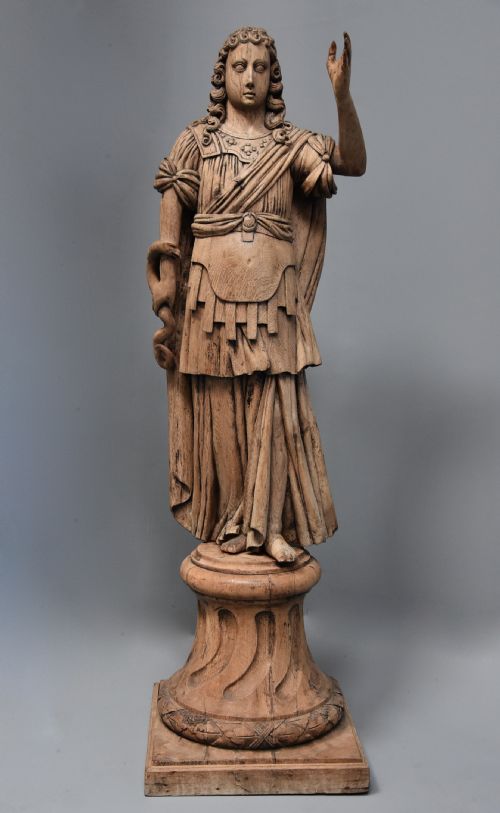
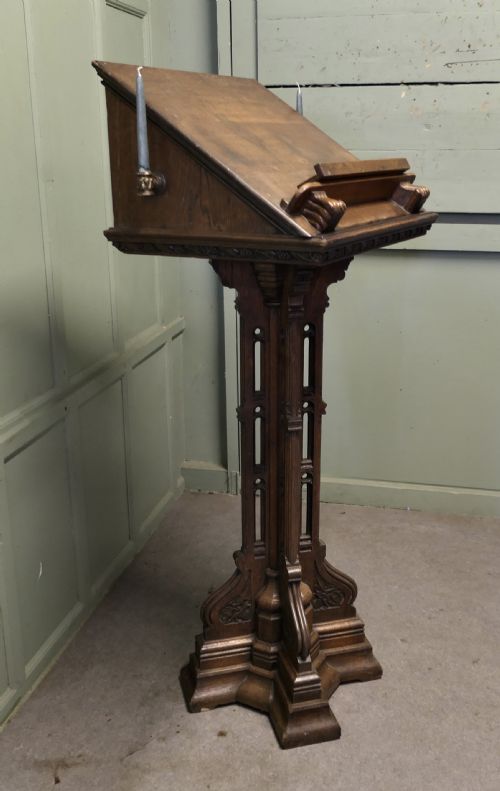
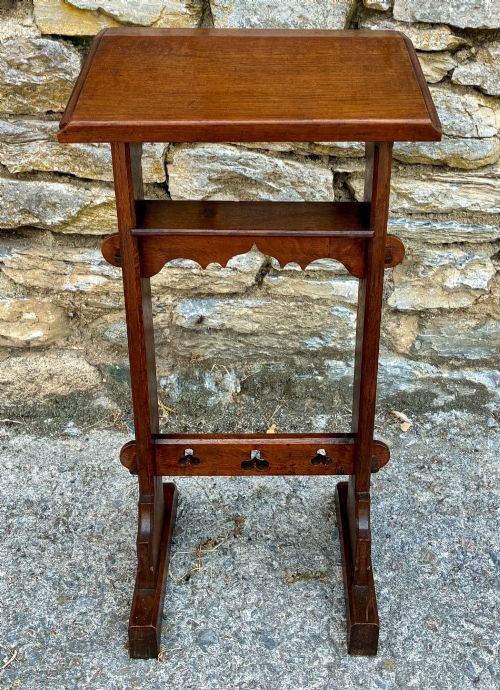
When you examine oak church carving, you encounter pieces that originate in ecclesiastical settings, ranging from medieval sculptures and altarpiece panels to later Gothic Revival lecterns, hymn boards and pews. The items available stretch across centuries, encompassing pre-sixteenth century fragments as well as nineteenth-century interpretations in the Victorian Gothic style.
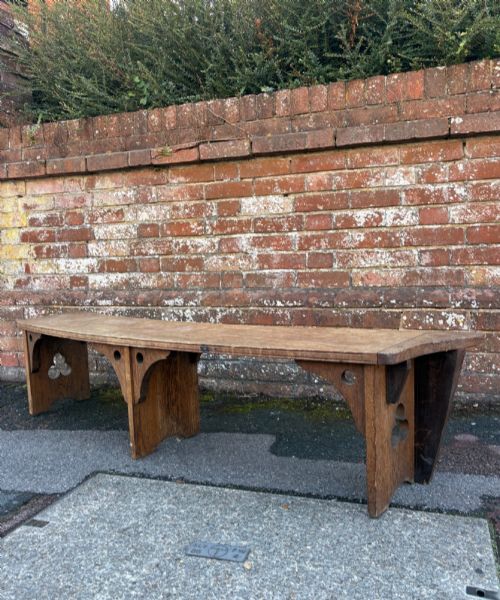
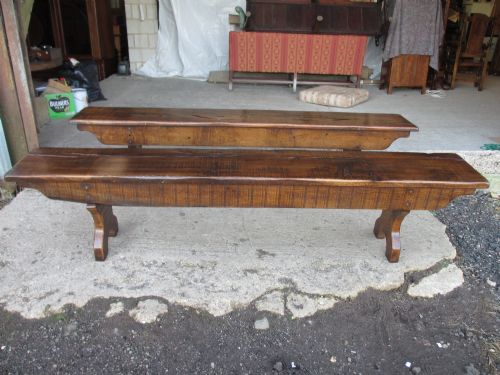
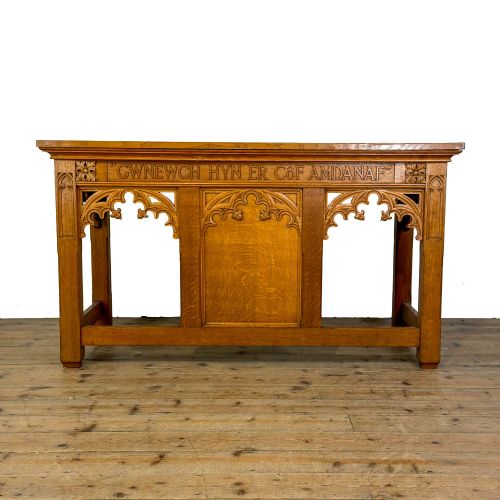
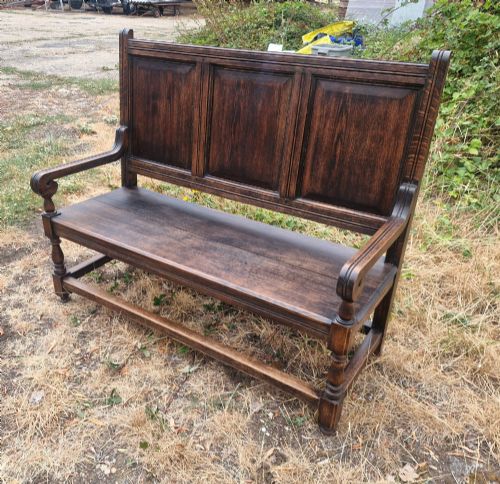
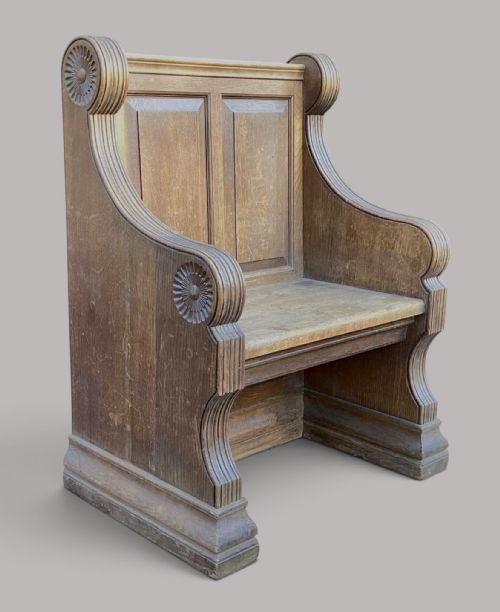
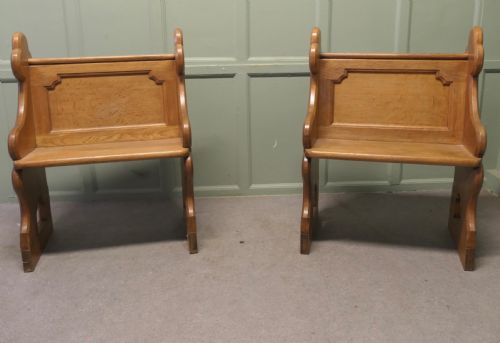
You are most likely to meet sturdy oak benches, pews, reading desks and architectural salvage on this page, alongside figurative wood carvings and statues. These items carry the marks of centuries of use in chapels, churches and cathedrals, reflecting changing liturgical needs and stylistic revivals over time.
How they were made
Makers relied primarily on solid oak, selected for its strength and durability, working the timber with chisels and gouges to achieve deep relief and intricate tracery. Some surfaces show the application of polychrome paint and gold leaf, enhancing the visual impact of figures and panels intended for dim sacred interiors.
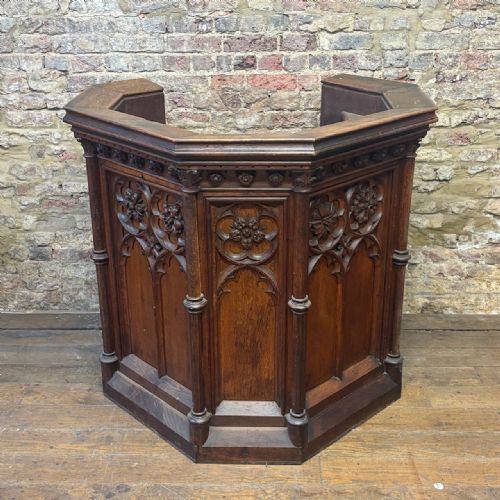
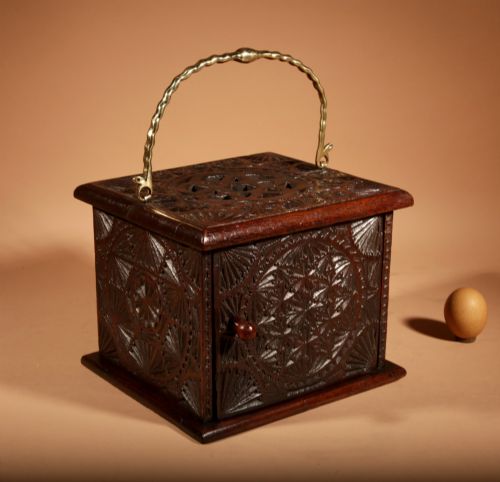
Joinery techniques such as mortise and tenon construction held structural forms like benches and pulpits together, while chip carving and panel construction added surface texture. The work ranges from the unvarnished grain of domestic adaptations to polished liturgical furnishings designed to withstand heavy daily use.
Among the solemn saints and altars, an eighteenth-century carved squirrel reminds us that church carvers often let their imaginations run wild.
What varies in quality
Condition and integrity dictate the standing of a piece, particularly whether original carved elements remain intact within later adaptations or structural repairs. The handling of the oak grain and the crispness of surviving mouldings or trefoil supports reveal the original carver's mastery.
The Oak Church Carving Glossary
- Gothic Revival
- An architectural and decorative style popular during the nineteenth century that revived medieval forms, pointed arches and ecclesiastical motifs. Pugin was a leading proponent of this movement.
- Prie-Dieu
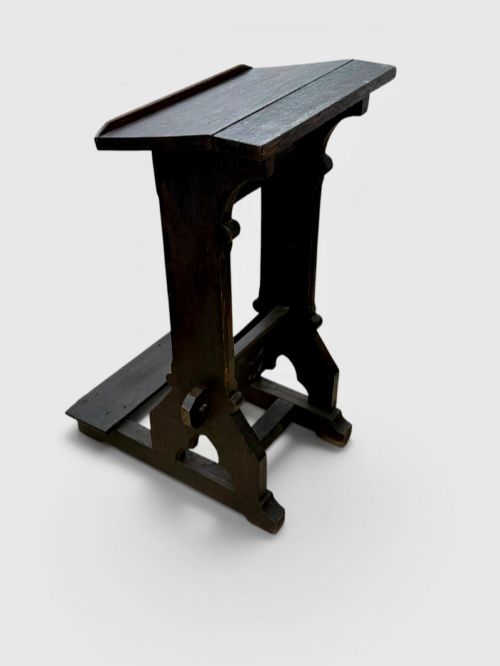
- A small desk or kneeling chair designed specifically for private prayer. These pieces often feature storage for devotional books and padded armrests.
- Poppy Head
- An ornamental carved finial atop the end of a church pew, frequently shaped like a stylised leaf, flower or animal. They terminate bench ends in medieval and revival seating.
- Lectern
- A tall stand with a sloping bookrest from which scripture or readings are delivered. Examples in the evidence take forms ranging from carved eagles to simple wooden pedestals.
- Settle
- A high-backed wooden bench with solid arms and often a storage box beneath the seat. Early examples served draughty church halls and domestic interiors alike.
Oak Church Carving: Frequently Asked Questions
What is an oak church carving?
An oak church carving is a piece of ecclesiastical furniture, architectural salvage or religious sculpture fashioned from solid oak for use in places of worship. These items include panels, figures, pews and lecterns created over several centuries.
Many pieces were removed from churches and chapels during renovations, finding new life in domestic interiors as decorative focal points or functional seating.
How do I date an oak carving?
Dating relies on tool marks, joinery methods, timber shrinkage and stylistic traits associated with specific periods like the sixteenth century or the Gothic Revival. Tool marks left by hand chisels differ markedly from later mechanical routing.
Comparing the style of lettering, figurative carving and construction details with dated examples helps establish the likely era of manufacture.
Where were these carvings placed?
Carvings were positioned throughout churches, including on choir stalls, altarpieces, bench ends, pulpits and rood screens. Figures often decorated central altarpieces or functioned as wall sculptures.
Smaller items such as hymn boards and prayer desks served the congregation and clergy in daily devotional practices.
How do I care for antique oak?
Antique oak benefits from stable indoor environments away from direct heat sources and dramatic humidity fluctuations, which can cause timber to split. Gentle dusting with a dry, soft cloth preserves the surface patina.
Avoid modern silicone polishes, applying traditional beeswax sparingly only when the wood appears dry and dull.