


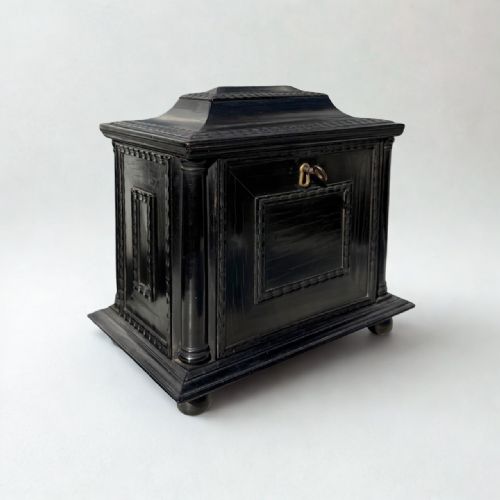


Ebonised Wooden Box
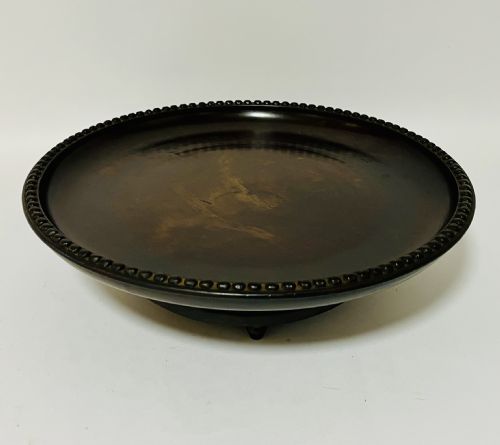
An ebonised wooden box brings deep, dark surfaces and tactile weight to a room, offering a disciplined contrast to brighter woods.
Ebonised Wooden Box
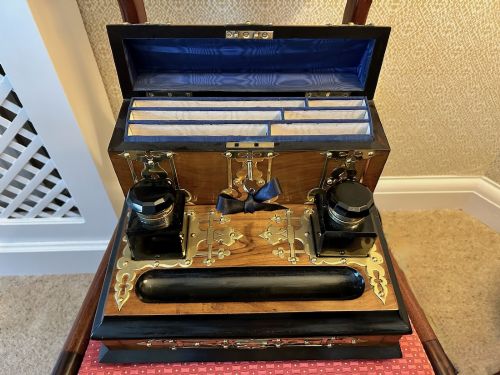
When you search for an ebonised wooden box, you encounter items designed to contain music, writing implements, precious trinkets or tools. The selection spans compact table caskets and tea containers to substantial tool chests and music boxes.
These pieces emerge from various historical periods, including the seventeenth, eighteenth and nineteenth centuries, with Victorian examples appearing frequently. Makers applied black finishes to simulate expensive ebony or to create a dramatic dark ground for inlay.
Origins stretch across England, France, Italy, Switzerland and Flanders, reflecting regional preferences for marquetry, pietre dure or intricate mechanical movements housed within the dark woodwork.
Materials and Technique
Craftsmen utilised native timbers such as beech, walnut or pine, applying a dark stain, paint or polish to mimic solid ebony. Genuine ebony surfaces also appear in Flemish and Italian pieces from earlier centuries.
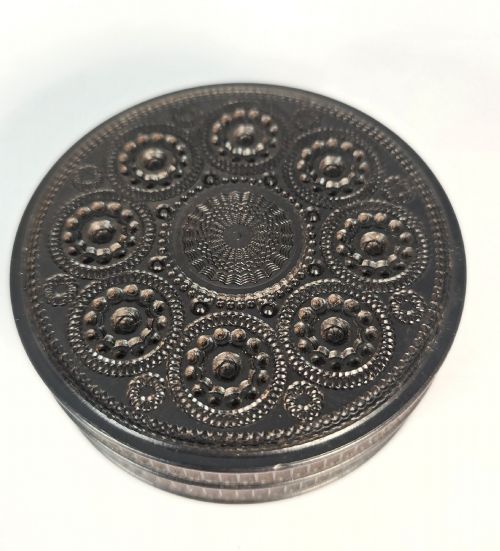
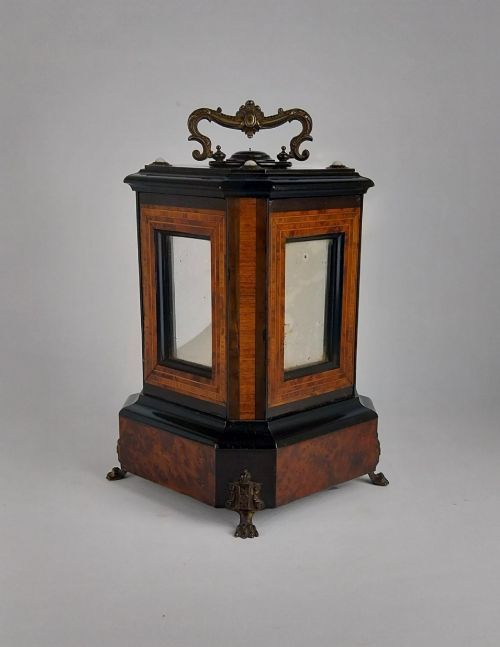
Decoration often involved brass mounts, tortoiseshell, mother-of-pearl, straw work, or delicate penwork and marquetry in contrasting light woods. Mechanical items incorporated brass cylinders, steel combs and intricate gear trains for musical variations.
Listings feature items incorporating brass, glass, steel, rosewood, and tortoiseshell alongside ebonised wood.
Quality and Distinction
Distinction rests upon the crispness of the ebonised finish and the integrity of the underlying timber. Superior examples display meticulous hand-finishing without masking the grain or sharp edges of the form.
The sophistication of the internal fitting, whether secret drawers, velvet linings or working musical movements with multiple airs, elevates an ordinary container into a work of master craftsmanship.
Langdorff And Fils·Nicole Freres·Jaques
The Ebonised Wooden Box Glossary
- Ebonised
- Wood treated with stain, dye or paint to imitate the dark, dense appearance of ebony. This technique gained popularity during the seventeenth century and saw revivals in the Victorian era.
- Marquetry
- The art of applying thin pieces of wood veneer to a structure to form decorative patterns or pictures. Craftsmen employed contrasting timbers like boxwood and walnut.
- Pietre dura
- An inlay technique utilising cut and fitted polished coloured stones to create pictorial designs. Italian workshops frequently applied this method to cabinet lids and caskets.
- Cylinder
- The rotating metal barrel studded with pins inside a musical box that plucks the steel teeth of a comb. More complex cylinders play a greater number of musical airs.
- Coffer
- A heavy chest or box with a lid, historically utilised for storing valuables or documents. Seventeenth-century examples often display robust joinery and moulded panels.
Ebonised Wooden Box: Frequently Asked Questions
How do I care for an ebonised wooden box?
Keep the piece away from direct sunlight and dramatic fluctuations in temperature to protect the dark finish and prevent wood movement.
Dust gently with a soft, dry cloth and avoid harsh chemical polishes that can degrade the historic surface.
How do I date an ebonised wooden box?
Examine the construction methods, hinges, locks and interior linings, comparing them against established period styles like Regency or Victorian.
Secondary woods visible inside the base often provide clues regarding the geographic origin and manufacturing decade.
What is the difference between ebony and ebonised wood?
Ebony is a naturally dense, dark heartwood harvested from specific tropical trees, prized for its weight and dark colour without treatment.
Ebonised wood is a domestic or alternative timber that has been artificially darkened through staining or polishing to mimic the appearance of true ebony.