

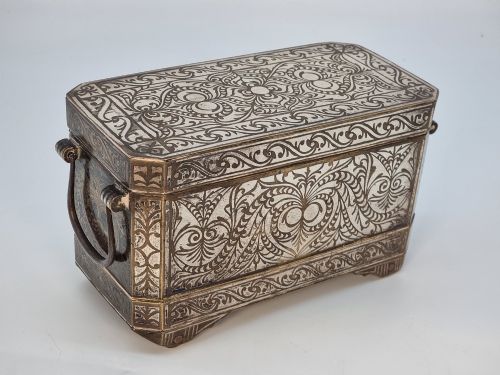
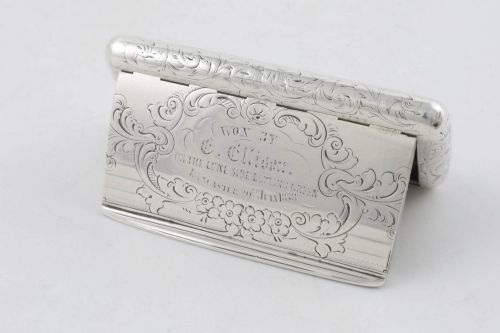
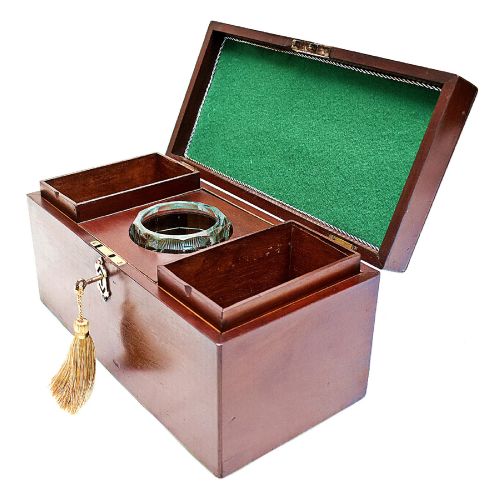
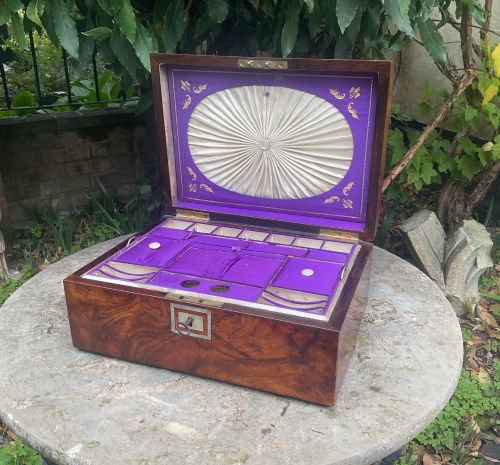
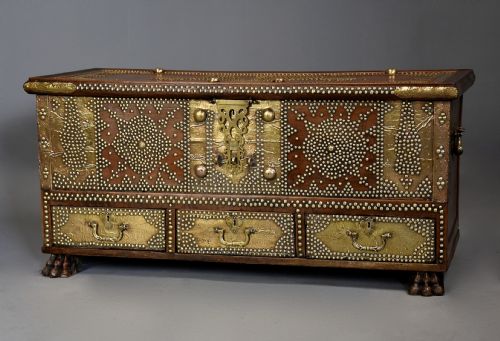

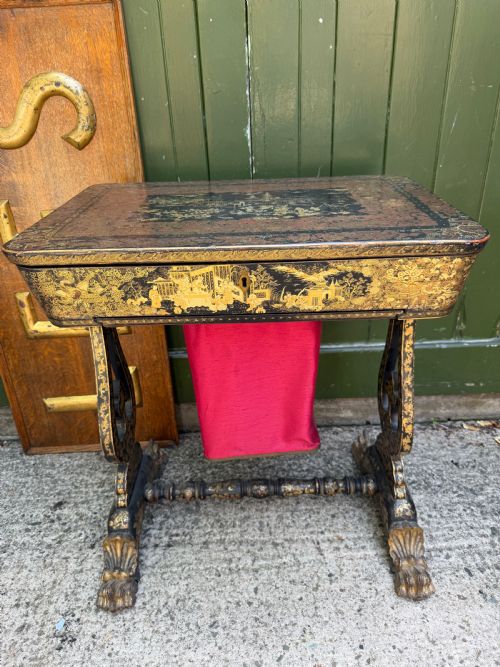
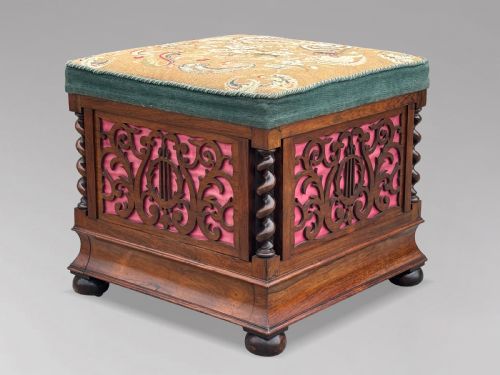


Mid 19th Century Box
A mid 19th century box brings utilitarian function and intricate craftsmanship together, offering a tangible connection to nineteenth-century storage traditions.
Mid 19th Century Box
A mid 19th century box encompasses a diverse array of utilitarian and decorative receptacles, spanning from Scandinavian painted pine strong boxes to refined English writing slopes and tea caddies. Buyers searching this phrase encounter both robust storage containers and delicate tabletop accessories designed for specific domestic or travel tasks.
The selection on this page leans heavily toward Scandinavian folk art coffers and robust pine strong boxes alongside Victorian campaign writing desks and intricate walnut or rosewood sewing boxes. These pieces reflect the varied domestic and travel requirements of the nineteenth century, ranging from humble salt boxes to ornate Italian Grand Tour marquetry work.
Origins stretch from English workshops and European continental centres to Chinese Export productions and Zanzibar, demonstrating the global reach of nineteenth-century trade and design. Buyers find that form follows function closely, whether in the heavy ironwork of a strong box or the fitted interior of a mahogany campaign lap desk.
Materials and construction techniques
Construction relies heavily on timbers such as mahogany, walnut, rosewood, and pine, often joined with traditional corner methods suited to the intended strength of the container. Strong boxes and chests frequently utilise iron or wrought iron reinforcement, while finer writing slopes and tea caddies employ precise cabinetry techniques.
Surface ornamentation defines many examples, employing brass binding, stud decoration, tortoiseshell, and ormolu mounts to elevate the visual appeal. Painted finishes appear prominently on Scandinavian folk art pieces, where hand-painted decoration transforms simple pine surfaces into expressive folk objects.
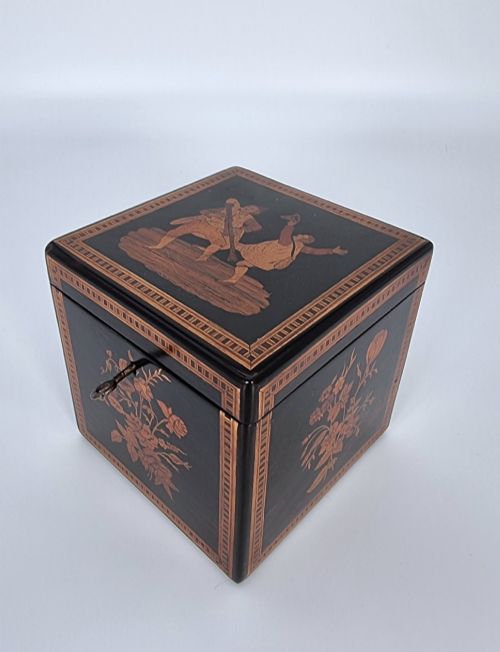
Inlaid elements such as marquetry, mother-of-pearl, and specialised wood veneers require skilled hand-cutting and fitting, particularly visible in Italian Sorrento pieces and English Victorian desk accessories.
Mid 19th Century Box Retail Price Guide 2026
Typical asking prices for mid 19th century box among the pieces listed under this phrase on Sellingantiques today, from the lower quarter to the upper quarter. They describe what is for sale here now, not the wider market.
Materials range from humble wrought iron and painted pine to exotic coromandel, partridge wood, and kingwood.
Factors determining quality
Quality rests significantly on the integrity of the materials and the precision of the joinery, distinguishing sturdy utilitarian vessels from finely finished cabinetwork. The crispness of marquetry inlay, the snugness of fitted internal compartments in writing slopes, and the preservation of original hand-painted surfaces dictate the standing of an individual piece.
Hardware execution plays a decisive role, where hand-forged or cast brass mounts, locks, and handles fit flush and operate with intended mechanical precision rather than appearing loose or replaced. The preservation of original surface finishes, whether polished timber patina or untouched folk paint, elevates the authenticity and visual coherence of the object.
Hawkes & Co.
The Mid 19th Century Box Glossary
- Campaign writing slope
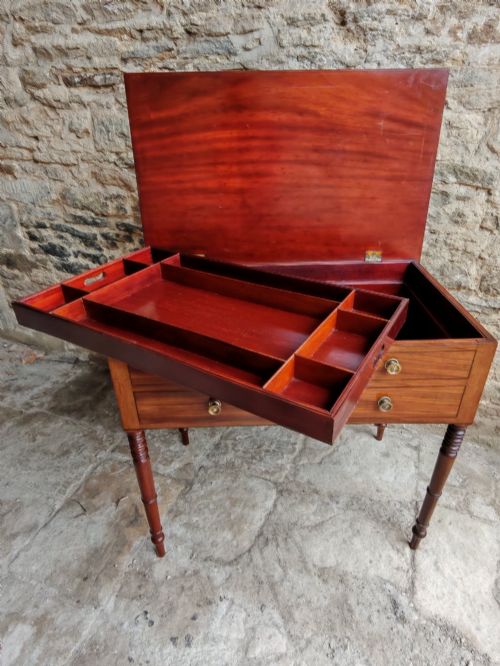
- A portable desk designed for travel, featuring a hinged writing surface and internal compartments for stationery. These pieces often incorporate brass banding and flush handles to withstand movement.
- Strong box
- A heavy-duty storage container typically constructed from pine or oak and reinforced with iron strapwork or corner brackets. They were built for security and transport in domestic or commercial settings.
- Marquetry
- The art of applying small pieces of veneer to a structure to form decorative patterns or pictorial scenes. Sorrento examples frequently showcase elaborate floral or architectural designs.
- Tea caddy
- A lidded box specifically partitioned to store loose tea leaves securely. Fine nineteenth-century specimens often feature exotic timbers and internal crystal mixing bowls.
- Salt box
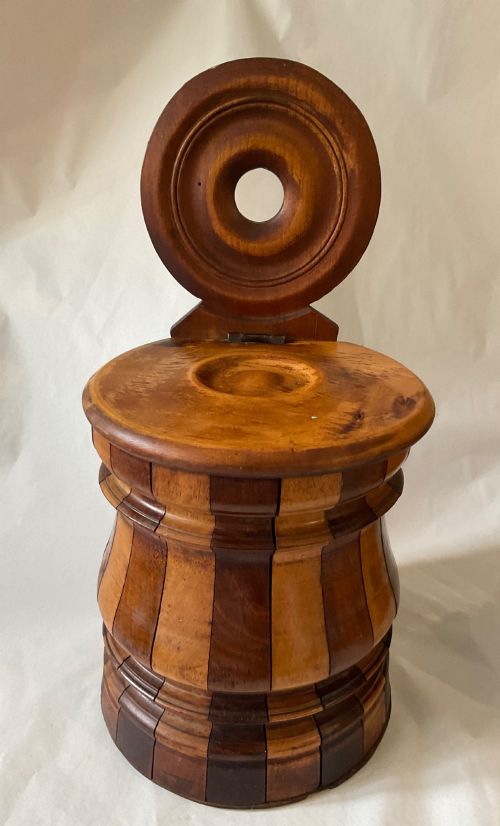
- A wall-mounted or freestanding container with a hinged lid, traditionally utilised in kitchens for keeping salt dry. They are often rendered in simple rustic woods.
- Bijouterie
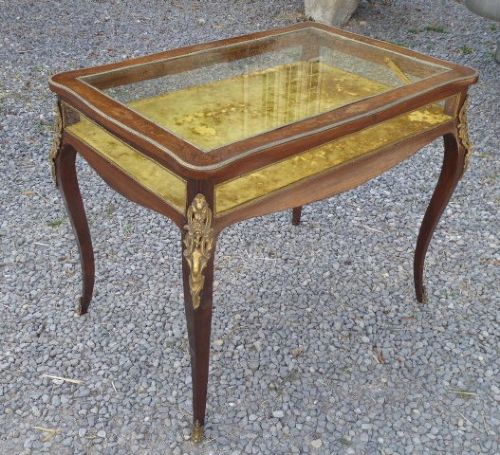
- A glass-topped display table or box created to showcase small valuable items, jewellery, or curiosities. These typically feature refined wood veneers and delicate framing.
Mid 19th Century Box: Frequently Asked Questions
What were mid 19th century boxes used for?
These containers served highly specific domestic, travel, and administrative functions, ranging from the secure storage of valuables in strong boxes to organising correspondence in portable writing slopes. Specialised forms accommodated tea, sewing implements, or personal toiletries.
Their designs directly reflected the daily routines and travel habits of the era, providing tailored compartments for inkwells, nibs, spices, or sewing threads.
How do I care for a wooden box?
Maintain stable indoor humidity levels and keep wooden and veneered surfaces away from direct sunlight or intense heat sources to prevent timber cracking or veneer lifting. Gentle dusting with a dry or very slightly damp cloth preserves the surface finish.
Avoid applying modern silicone polishes, as they can build up and damage antique wax or French polished surfaces over time.
What is a campaign writing slope?
A campaign writing slope is a portable desk configured to fold flat, allowing nineteenth-century officers and travellers to transport their writing materials easily. They typically feature brass corner reinforcements and recessed handles.
Opening the case reveals a sloping baize or leather-lined writing surface alongside hidden compartments for ink and pens.
How do I identify Scandinavian painted pine?
Scandinavian painted pine pieces, such as strong boxes and coffers, rely on hand-applied folk art pigments over soft timber foundations. They often feature dome tops and distinct regional motifs.
The charm of these items rests in the weathered patina of the original paint layers rather than high-gloss factory finishes.