






Decorative Inlaid Keepsake Box
These decorative inlaid keepsake box examples combine careful woodwork with precise contrasting details to hold letters and small treasures.
Decorative Inlaid Keepsake Box
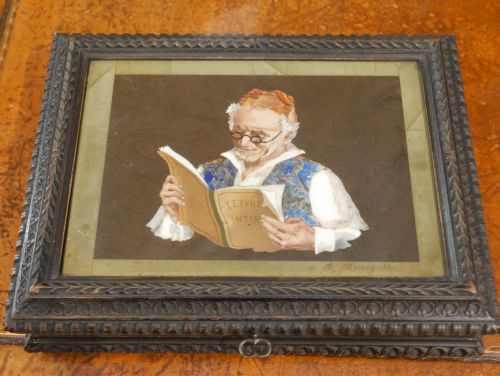
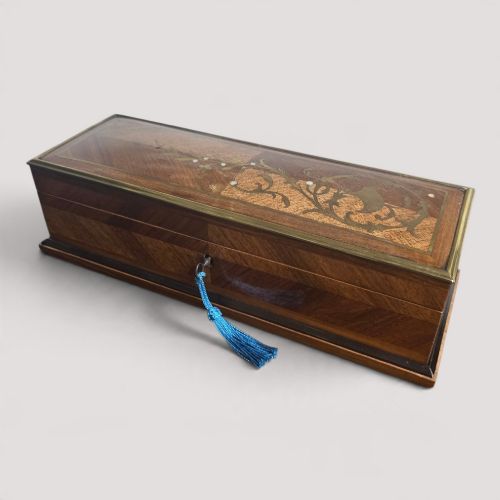
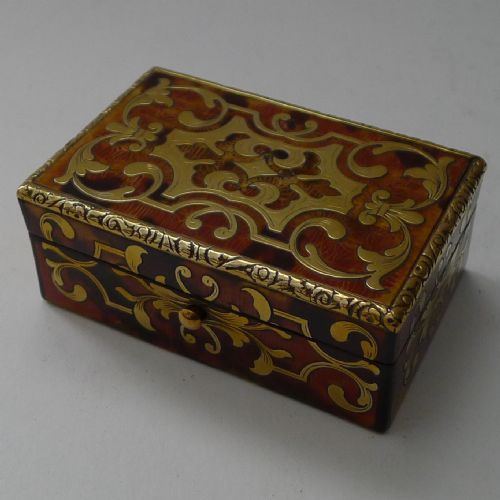
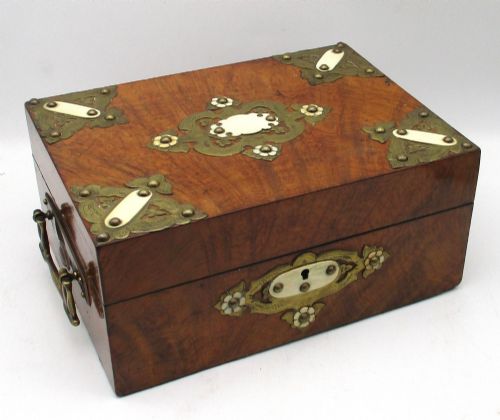
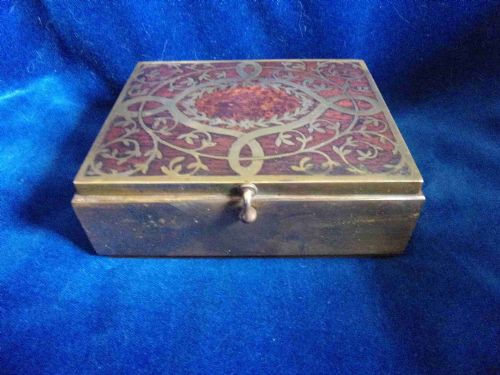
A decorative inlaid keepsake box serves to store personal items while displaying refined cabinetmaking. Buyers encounter various forms on this page, including glove boxes, tea caddies, trinket cases, and work boxes.
The pieces span several centuries, with significant representation from the Georgian, Regency, and Victorian eras. Makers utilised woods like walnut, rosewood, and mahogany alongside continental styles such as French Napoleon III and Italian Sorrento marquetry.
Tunbridge ware and parquetry pieces appear frequently among the listings, showing geometric wood mosaics or pictorial designs. Other examples incorporate Asian hardwoods, bone, and mother of pearl details within traditional European boxes.
Assessing quality
Quality rests upon the precision of the inlay work and the selection of figured timber veneers. Superior pieces display seamless joints in the wood mosaic and intricate botanical or pictorial marquetry without visible gaps.
The integrity of the original interior fittings, working locks with keys, and well-fitted hinges distinguish finer boxes from simpler containers. The complexity of the decorative medium, such as microscopic Tunbridge mosaic or detailed Sorrento work, elevates the standing of a piece.
Decorative Inlaid Keepsake Box Retail Price Guide 2026
Typical asking prices for decorative inlaid keepsake box among the pieces listed under this phrase on Sellingantiques today, from the lower quarter to the upper quarter. They describe what is for sale here now, not the wider market.
Listings feature woods such as walnut, rosewood, ebony, boxwood, and satinwood alongside bone and mother of pearl.
ERHARD AND SOHNE
The Decorative Inlaid Keepsake Box Glossary
- Marquetry
- The art of forming decorative patterns by fitting together veneer slices of various woods and other materials. This technique creates pictorial or abstract surface designs on the lid and sides.
- Parquetry
- Geometric wood mosaic work arranged in repeating patterns such as cubes or stripes. It forms durable and visually striking surfaces on nineteenth-century boxes.
- Tunbridge Ware
- Woodworking characteristic of Kent, featuring intricate mosaic designs built from tiny blocks of naturally coloured woods. These mosaics depict flowers, butterflies, or geometric borders.
- Tea Caddy
- A specialised container originally made to store dry tea leaves securely under lock and key. Georgian and Victorian examples often feature fine wood veneers and internal compartments.
- Mother of Pearl
- The iridescent inner layer of certain mollusc shells, cut into thin plates for inlay. It provides white, gleaming contrast against dark rosewood or walnut carcases.
Decorative Inlaid Keepsake Box: Frequently Asked Questions
What were decorative inlaid keepsake boxes used for?
These boxes held valuable personal possessions such as letters, jewellery, gloves, and sewing accessories on household surfaces. Their locking mechanisms protected private items in domestic settings.
Wealthy households utilised specialised forms like tea caddies and stationery cases to store consumable goods and correspondence safely.
How do I date a Victorian inlaid box?
Dating relies on combining the timber choice, construction methods, and prevailing decorative style recorded in the piece. Victorian examples frequently feature rosewood or walnut with mother of pearl inlay or Tunbridge mosaic.
Examining the interior paper lining and hinges provides further clues to the manufacturing decade during the nineteenth century.
What is Sorrento marquetry?
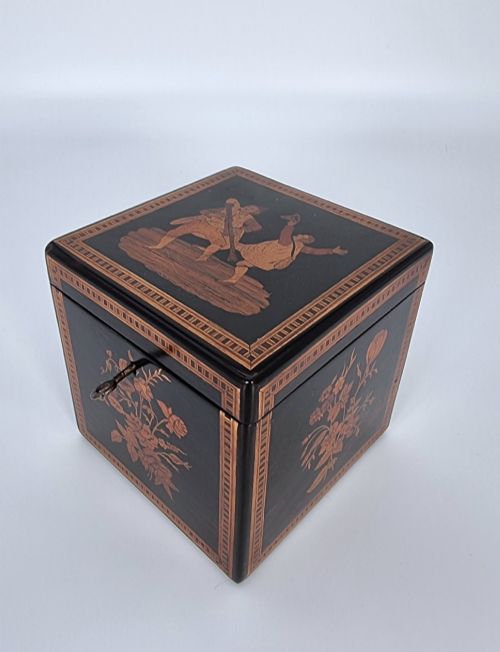
Sorrento marquetry originates from the Italian town famous for producing tourist souvenirs during the Grand Tour. These pieces display pictorial inlaid scenes of figures, buildings, or musical instruments.
Craftsmen in the nineteenth century exported these distinctive souvenirs to British buyers travelling through Italy.
How should I care for antique wood boxes?
Keep wooden boxes away from direct sunlight and extreme humidity fluctuations to prevent veneer lifting and timber splitting. Gentle dusting with a dry cloth maintains the surface without damaging old polish.
Avoid applying modern silicone polishes which can penetrate historic finishes and degrade delicate inlay materials like bone or shell.