
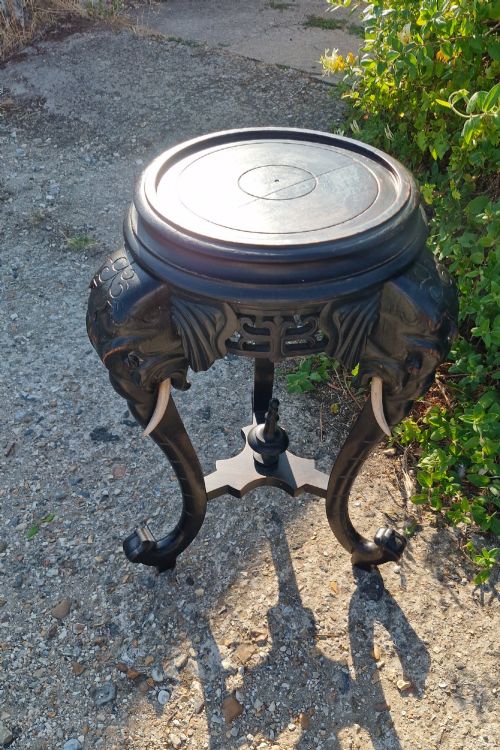
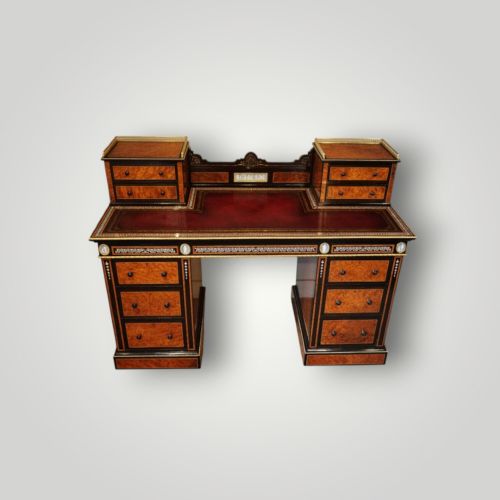
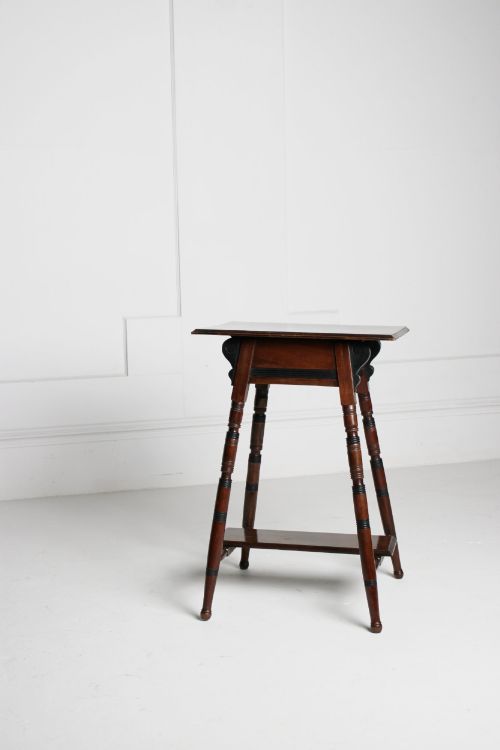
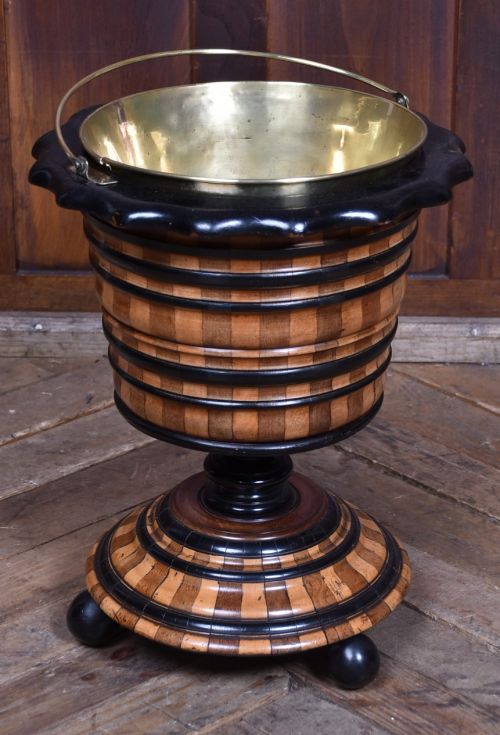
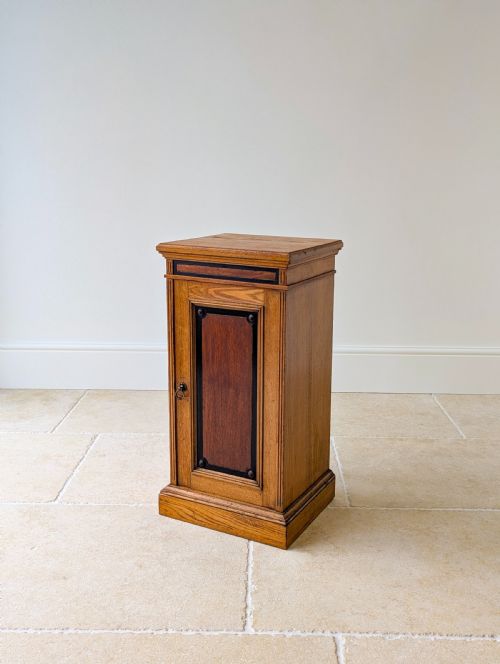


Ebonised Wood Pedestal
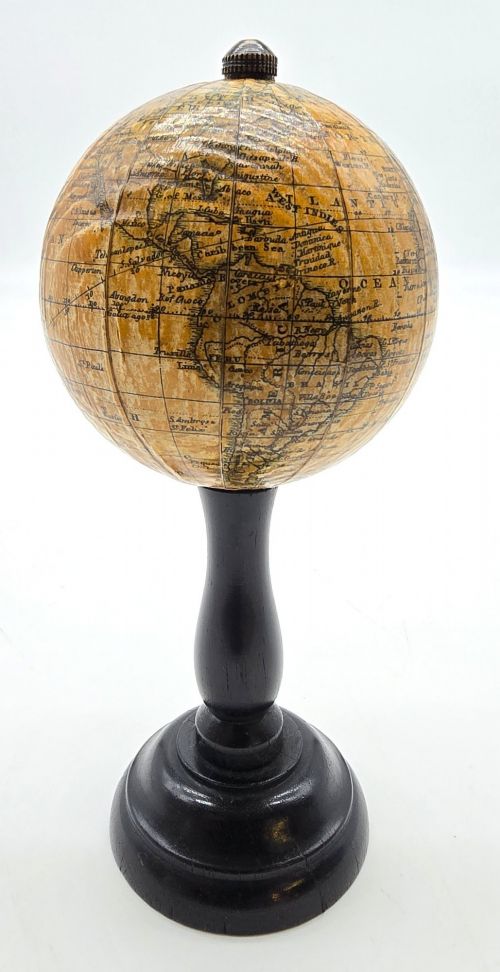
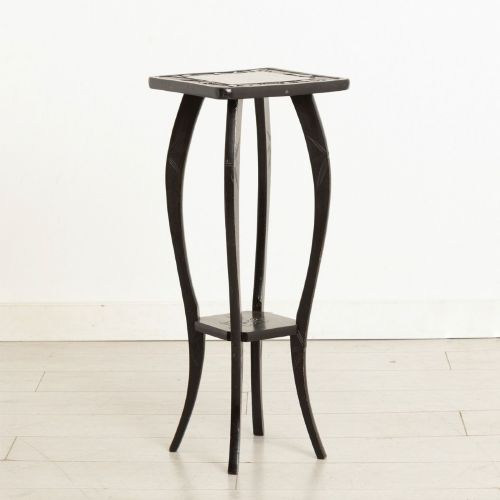
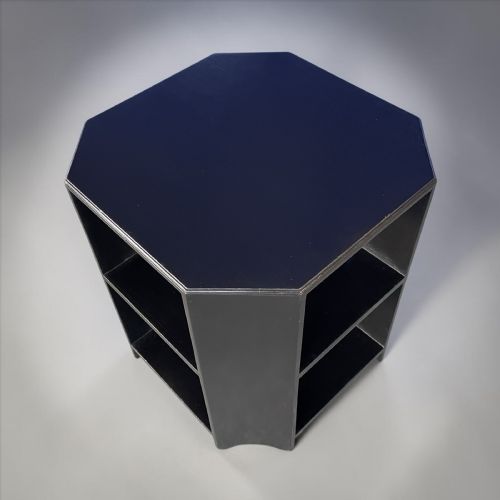
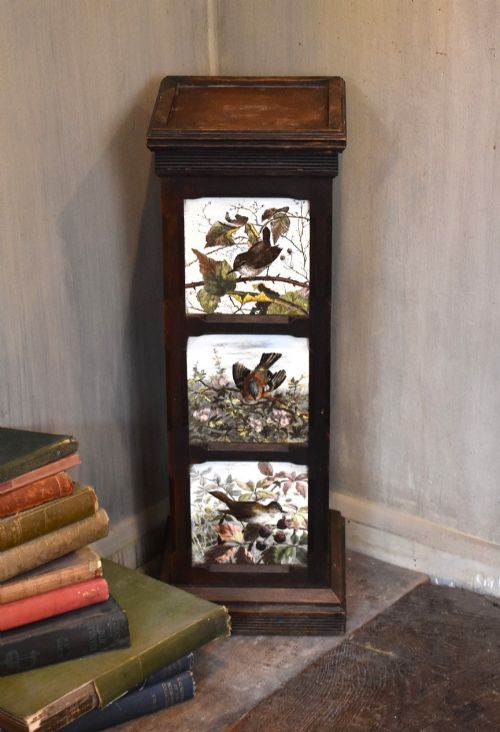
An ebonised wood pedestal brings dark, dramatic form to a room, serving to elevate sculpture, lamps or plants with restrained Victorian or Aesthetic elegance.
Ebonised Wood Pedestal
When searching for an ebonised wood pedestal, buyers encounter tall display columns, plant stands and torchere supports designed to showcase decorative objects. The pieces appearing here span the nineteenth century into the early decades of the twentieth, reflecting Victorian, Aesthetic Movement and Art Deco tastes.
The form ranges from simple blackened wooden plinths and fluted columns to elaborate tripod tables and architectural columns. Examples emerge in various formats including Japanese inspired jardinieres and classical revival pillars.
Victorian and nineteenth century specimens predominate in the selection, often employing ebony finishes alongside hardwoods like oak and walnut to achieve a dense, light absorbing surface.
How they were made
Construction relies upon dense hardwoods such as oak, walnut and exotic timbers treated with dark staining or polishing processes to simulate solid ebony. Cabinet makers combined turned shafts with carved capitals, brass mounts, and occasional ivory or bone inlay.
Surface treatments involve meticulous ebonising, where wood receives a chemical or pigment application to produce a deep, uniform black finish. Many retain hand applied stencilling, marquetry, or carved detailing characteristic of nineteenth century workshops.
Listings feature periods spanning the Georgian era, the Regency period, Victorian decades, and early twentieth century twentieth century styles including Art Deco.
What varies in quality
Quality rests upon the depth of the ebonised finish, the crispness of carved details, and the integrity of the underlying timber. Superior examples exhibit precise joinery, well balanced proportions, and sophisticated decorative elements such as marquetry or inlaid brass.
Finer specimens display evidence of skilled hand crafting in turned columns and applied ornamentation, distinguishing them from simpler utilitarian stands of later periods.
Jackson and Graham·Druce and Co London·Liberty of London·Gillow and Co
The Ebonised Wood Pedestal Glossary
- Ebonised wood
- Timber treated to resemble ebony by applying dark stain, paint or chemical finishes. This technique became popular during the nineteenth century to achieve a formal black appearance.
- Torchere
- A tall stand or pedestal originally designed to hold a light or candle. These slender supports later adapted to carry vases, figures or lamps.
- Aesthetic Movement
- A late nineteenth century design style emphasising visual beauty over narrative content. Pieces from this movement often incorporate ebonised surfaces and oriental motifs.
- Marquetry
- Decorative patterns formed by inserting pieces of wood, bone or ivory into a veneered surface. This technique adds intricate detail to tabletops and pedestals.
Ebonised Wood Pedestal: Frequently Asked Questions
What are ebonised wood pedestals used for?
These pieces function primarily as elevated platforms for displaying sculptures, vases, lamps and plants within a room. Their dark finish allows the displayed object to command visual attention.
Historically, they served both domestic display and formal presentation purposes, accommodating grand tour bronzes, ceramics and floral arrangements.
How do I identify a Victorian pedestal?
Victorian examples typically feature dense timber construction, characteristic turning, and decorative styles ranging from Gothic revival to Aesthetic Movement motifs. Examining the underside and joint construction helps determine age.
Many incorporate period details such as hand carved floral elements, brass mounts, or inlaid bone and ivory work.
How should I care for an ebonised surface?
Maintain the finish by dusting gently with a soft, dry cloth and avoiding excessive moisture or direct sunlight. Wax polishes formulated for dark woods help preserve the lustre of the blackened surface.
Harsh chemical cleaners should be avoided to prevent stripping the historic stain or damaging underlying timber joints.