


Ebonised Cabinet on Stand
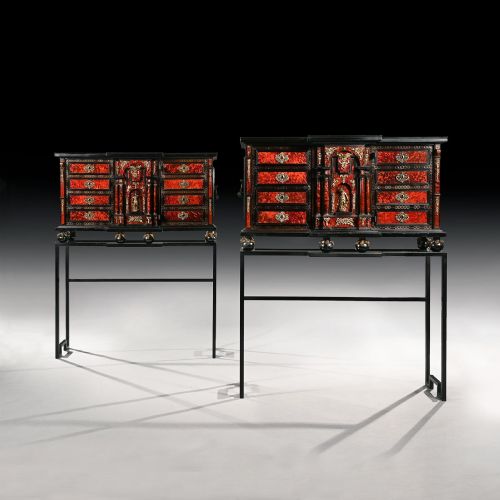
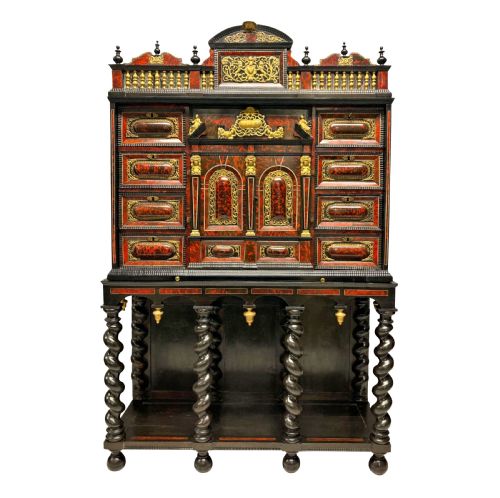
An ebonised cabinet on stand brings dark, dramatic presence to a room, combining architectural form with a raised display surface.
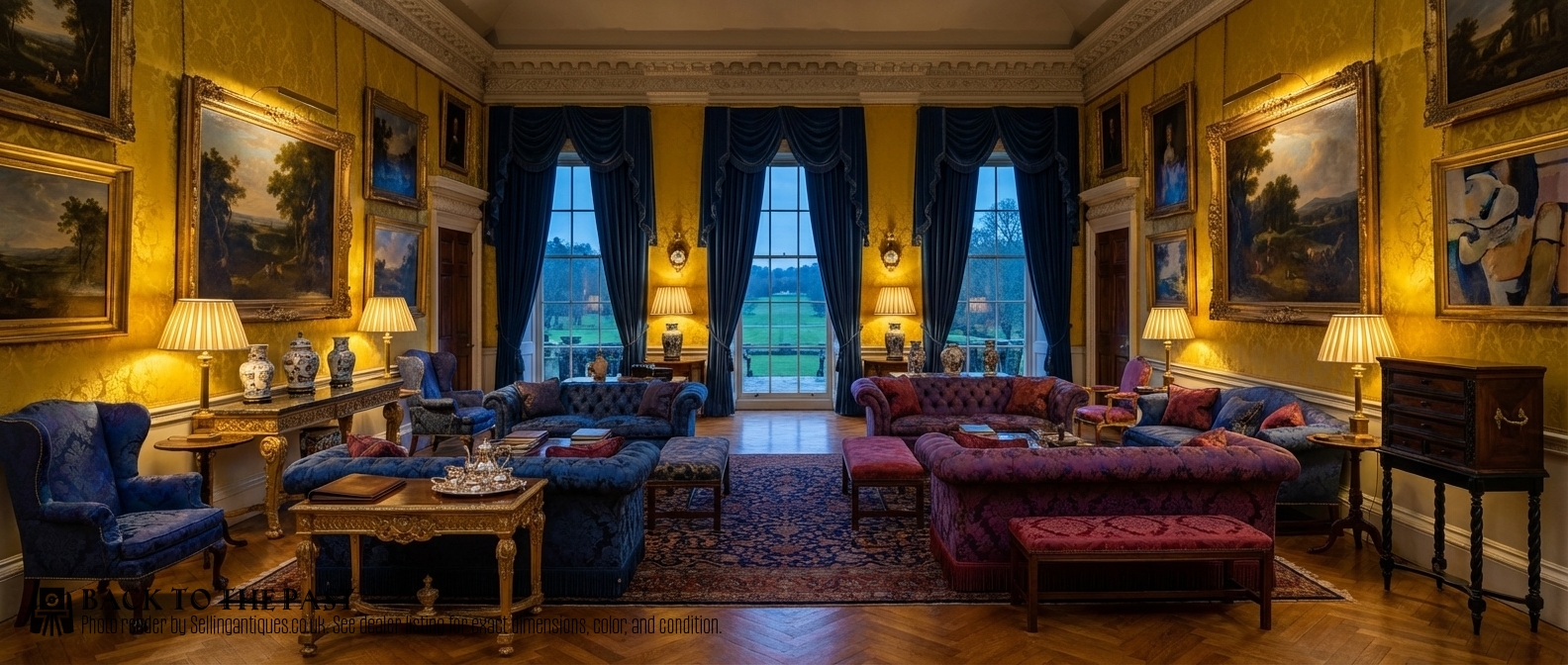
How they were made
Makers utilised dense timbers such as mahogany, walnut, and ebony, treating the primary wood with an ebonising process to achieve a deep, polished black finish that mimics costly solid ebony. This dark surface frequently received highlights in parcel-gilt or brass mounts.
Surface decoration often incorporated rich inlays of tortoiseshell, mother-of-pearl, or contrasting exotic veneers. Carved details and glazed panels completed the construction, balancing structural weight with decorative refinement.
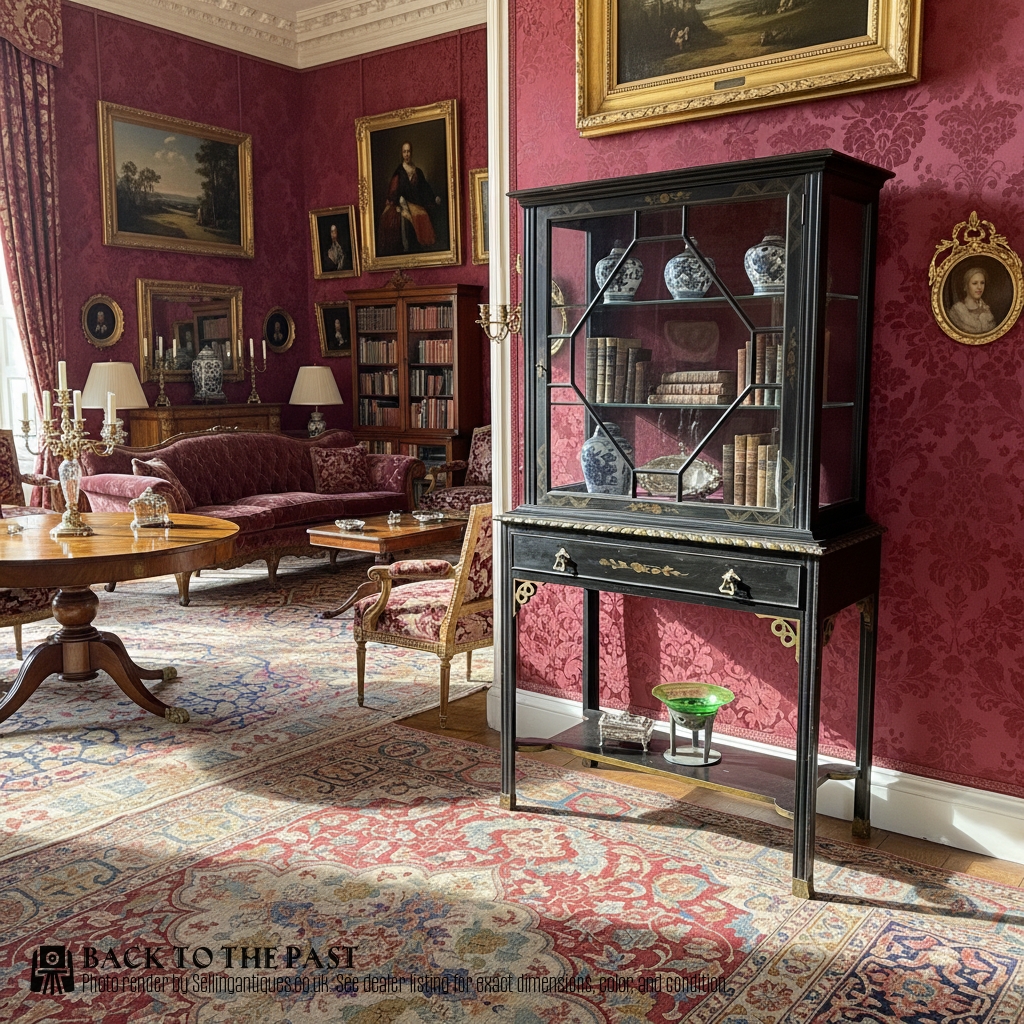
What varies in quality
The standard of a piece rests upon the depth of the ebonising finish and the precision of the underlying joinery. Superior examples maintain crisp architectural mouldings and securely fitted internal drawers or display shelves.
The refinement of secondary materials separates standard items from exceptional ones. The integration of genuine tortoiseshell panels, finely chased gilt bronze mounts, or intricate parcel-gilt highlights elevates the sophistication of the construction.
Materials recorded across the inventory include ebonised mahogany, walnut, tortoiseshell, gilt bronze, brass, and glass.
Henry Ogden & Son
The Ebonised Cabinet on Stand Glossary
- Ebonised
- Wood treated with stain, dye, or paint to imitate the dark, dense appearance of ebony. This technique gained widespread popularity during the Victorian and Aesthetic Movement periods.
- Cabinet on stand
- A freestanding storage or display chest mounted upon a dedicated base of legs or a low framework. This configuration elevates the main compartment for easier viewing and dramatic proportion.
- Vitrine
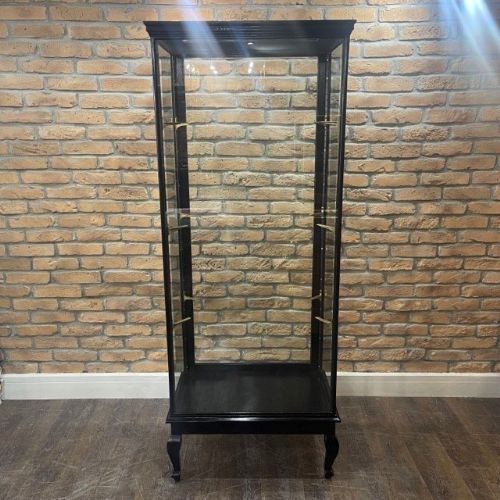
- A glass-fronted cabinet designed for the display of curiosities, porcelain, or specimens. The transparent panels protect objects from dust while allowing all-round visibility.
- Aesthetic Movement
- A late nineteenth-century design style prioritizing visual beauty and decorative qualities over narrative or moral meaning. Pieces from this era often feature ebonised surfaces with gilt highlights and Japanese-inspired motifs.
- Baroque
- An ornate architectural and decorative style originating in the seventeenth century, characterised by drama, rich materials, and exuberant carved detail. Cabinets from this period employ strong contrasts and architectural façades.
Ebonised Cabinet on Stand: Frequently Asked Questions
What is an ebonised cabinet on stand?
An ebonised cabinet on stand is an elevated furniture form featuring a dark, black-finished wooden cabinet body supported by legs or an open frame. These pieces serve as both functional storage and striking focal points within a room.
Originating in various historical periods from the seventeenth century onward, they combine architectural presence with decorative surface treatments such as gilding or tortoiseshell panels.
How do I date an ebonised cabinet?
Dating relies on examining the underlying construction techniques, timber choices, and stylistic vocabulary of the piece. Seventeenth-century examples often display heavy Baroque architectural elements, whereas nineteenth-century Victorian pieces reflect revivalist tastes or Aesthetic Movement design principles.
Hardware, hinges, and secondary woods also provide reliable clues regarding the period of manufacture.
How were these cabinets used originally?
Historically, these cabinets functioned as secure repositories for valuable collectibles, documents, manuscripts, or natural history specimens. The elevated stand kept the contents away from damp floors and positioned the display at a comfortable viewing height.
Many versions included specialised internal drawers, folio compartments, or glazed doors designed to showcase a collector's prized possessions.
Where should I place one in a room?
Because of their dark ebonised finish and vertical proportions, these cabinets perform best against lighter walls where their silhouette stands out clearly. They suit living rooms, studies, or hallways as statement anchor pieces.
Ensure the piece is positioned away from direct sunlight to protect sensitive internal veneers and historic finishes from fading.