
Earthenware Pottery Vase
An earthenware pottery vase brings tactile warmth and historic painterly glaze to a room.
Earthenware Pottery Vase
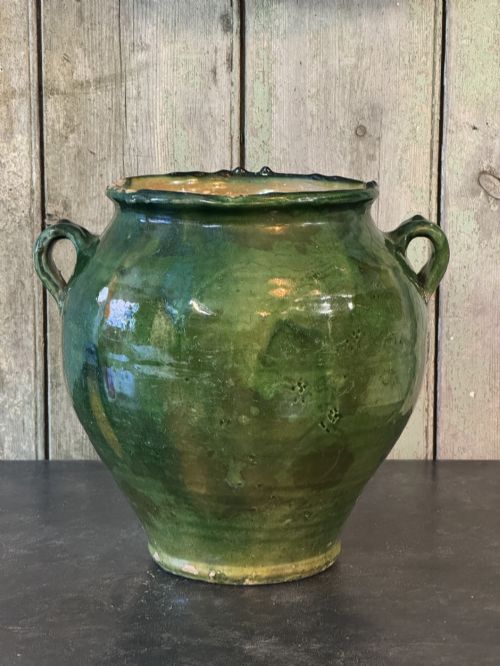
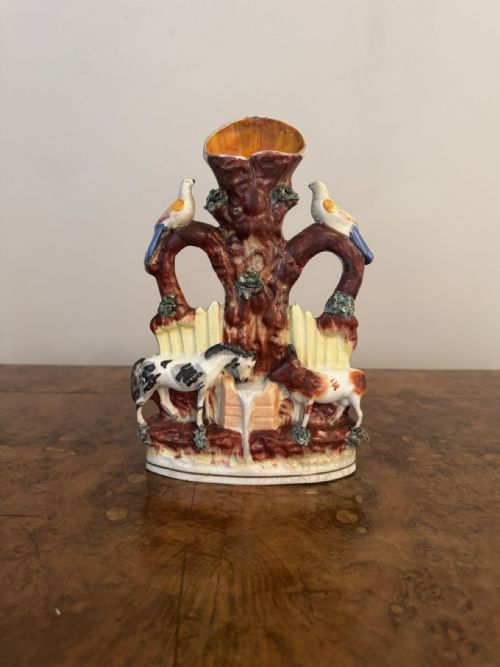
An earthenware pottery vase encompasses porous, fired clay vessels created across the nineteenth and twentieth centuries, alongside earlier examples spanning Delftware, majolica and faience. These pieces range from spill vases and ginger jars to large decorative urns and pilgrim flasks.
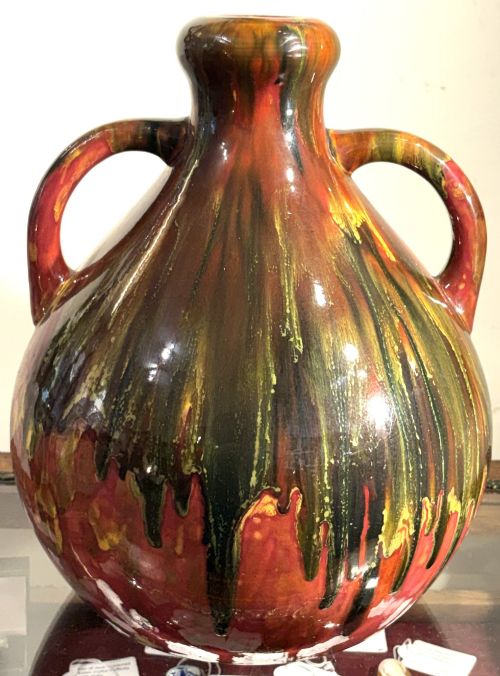
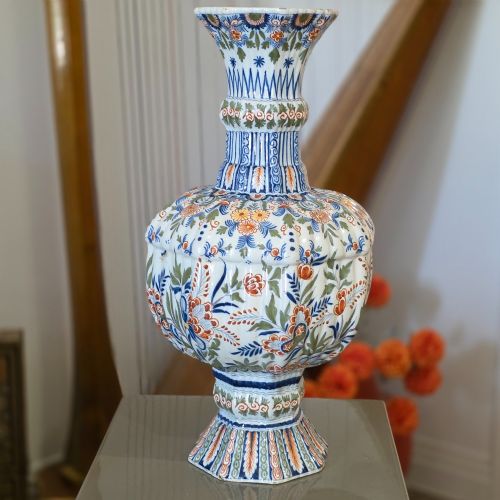
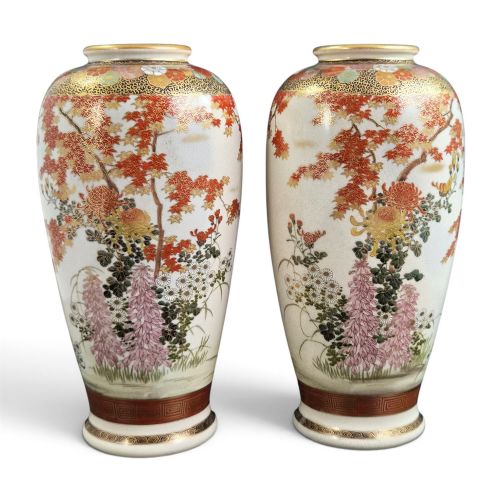
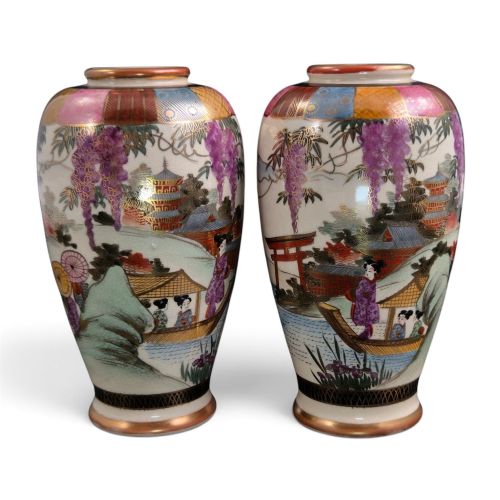
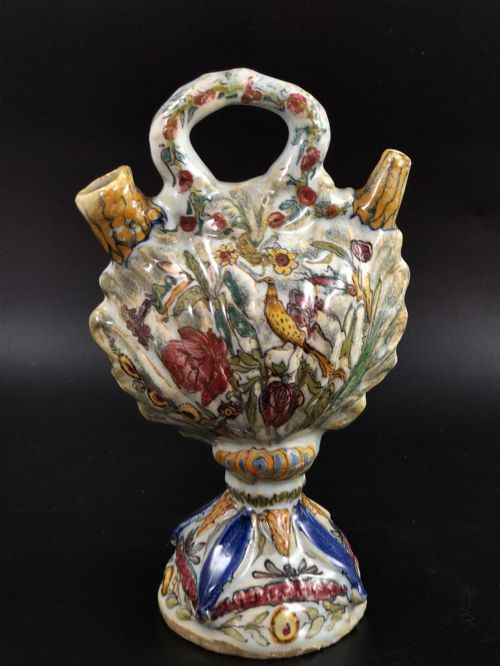
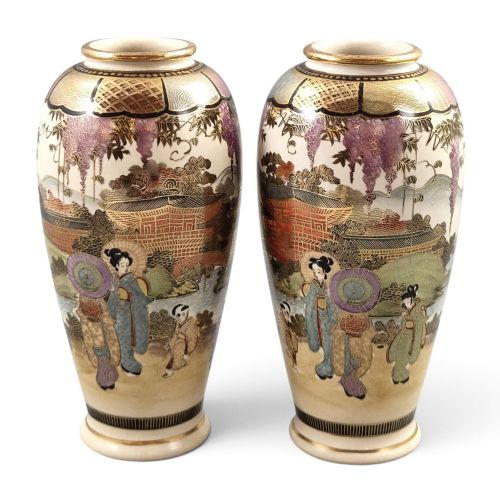
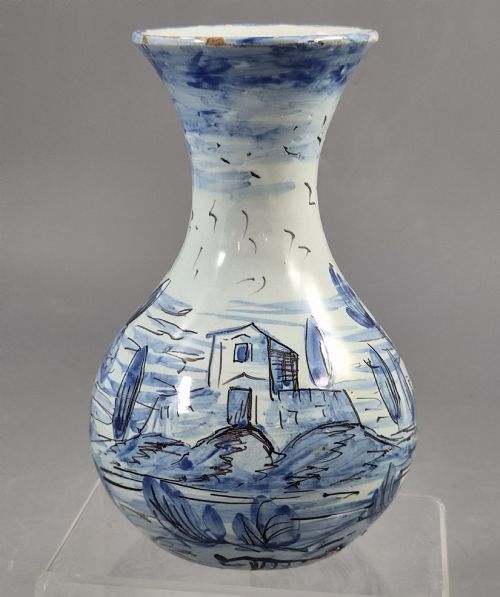
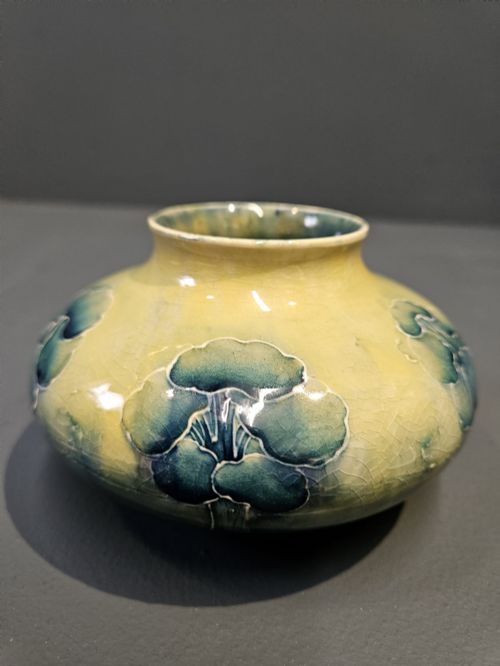
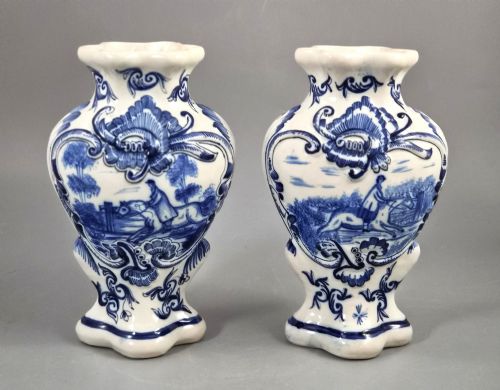
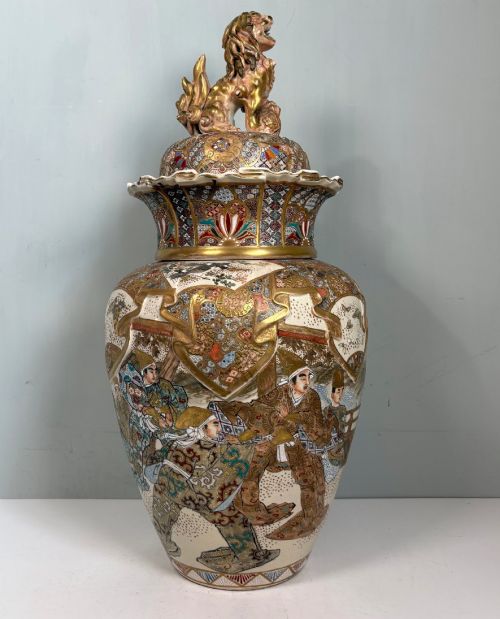
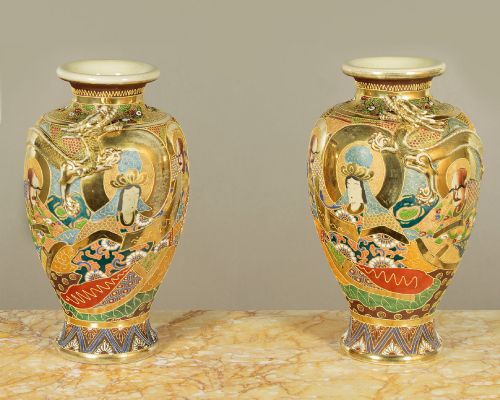
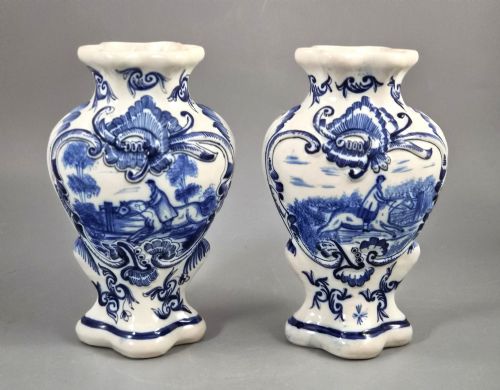
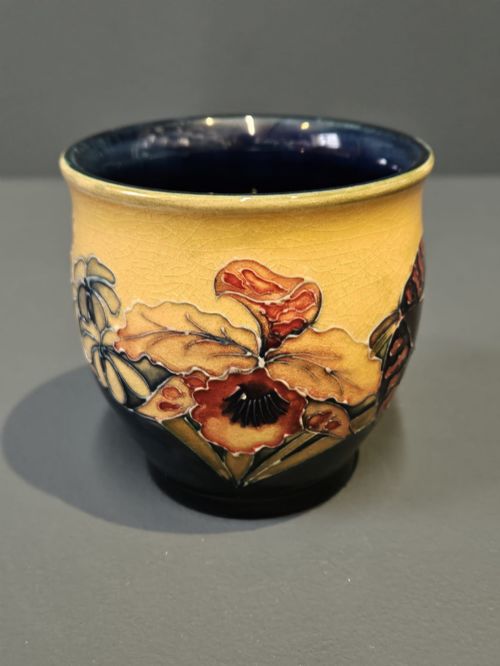
The selection leans heavily toward Japanese Satsuma wares, English Moorcroft and Staffordshire productions, and European tin-glazed pottery from French and Italian kilns. Buyers encounter everything from blue and white Delft lidded jars to vibrant Art Nouveau designs.
Dating primarily from the Victorian era up to the interwar period, these vessels reflect diverse global traditions including Meiji period craftsmanship and Renaissance Revival aesthetics.
Methods and materials
Makers formed these vessels from local or refined clays, often finishing the body with a tin glaze, enamel, or standard ceramic glaze to seal the porous earthenware beneath. Gold leaf, slip, and hand-painted pigments added rich surface detail before a secondary firing.
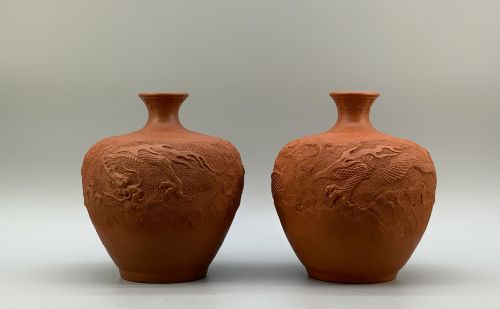
Techniques varied from traditional wheel-throwing and mould-pressing to intricate hand-modelling found in figural spill vases and sculptural earthenware pieces.
The listings span 18th-century Delftware through to 1930s European ceramics, incorporating earthenware, tin glaze, and terracotta materials.
Judging the work
Superior examples display crispness in moulded or hand-modelled relief and precision in painted surface decoration, where brushwork remains controlled and vibrant without bleeding into the glaze. Weight, balance, and the even distribution of glaze across complex forms separate master potteries from standard commercial output.
Condition plays a role, particularly regarding the stability of delicate tin glazes and enamel pigments over centuries of handling.
Maruni Kobe·Shozan·Cantagalli·Moorcroft·Fourmaintraux Courquin·Doulton Lambeth·Inoue Ryōsai·Kinkōzan·Lauder Pottery·Reissner Stellmacher and Kessel
The Earthenware Pottery Vase Glossary
- Earthenware
- Porous pottery fired at lower temperatures than stoneware or porcelain, requiring a glaze to hold liquids.
- Majolica
- Opaque tin-glazed earthenware decorated with coloured pigments, frequently associated with Italian and English Renaissance Revival styles.
- Spill vase
- A small cylindrical vessel designed to hold thin wooden spills used for lighting candles and fires.
- Faience
- European tin-glazed earthenware, particularly associated with French and Dutch production centres.
- Slip
- Liquid clay applied to pottery surfaces for decoration or as a ground colour before firing.
Earthenware Pottery Vase: Frequently Asked Questions
What is an earthenware pottery vase?
An earthenware pottery vase is a porous ceramic vessel fired at lower temperatures and coated in glaze, tin enamel, or slip for decoration and waterproofing.
These pieces range from English Staffordshire figures and Dutch Delft jars to intricate Japanese Satsuma works from the Meiji period.
How do I care for antique earthenware?
Keep antique earthenware away from direct sunlight and damp environments to protect fragile tin glazes, enamels, and gold leaf detailing from fading or lifting.
Dust gently with a soft dry cloth and avoid submerging porous historic bodies in water.
How can I tell different periods apart?
Stylistic clues such as Victorian moulding, Art Nouveau floral motifs, or Renaissance Revival ornament help narrow down the date of manufacture alongside maker marks.
Glaze composition and the weight of the clay body also offer clear indicators of whether a piece belongs to the eighteenth, nineteenth, or twentieth century.
How were these vases used historically?
Many served purely as decorative mantelpiece ornaments, while smaller forms like spill vases held tapers for lighting household fires.
Larger lidded jars and ginger jars stored dry goods or liquids before transitioning into purely decorative display items in European and Japanese interiors.