




Pink Floral Vase
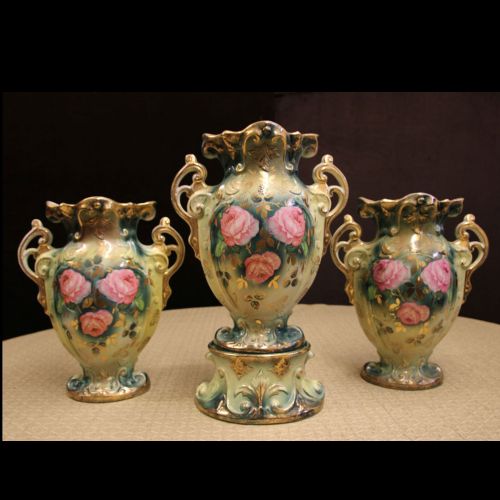
A pink floral vase brings domestic horticulture into interior spaces through painted ceramic surfaces and cameo glass forms.
Pink Floral Vase
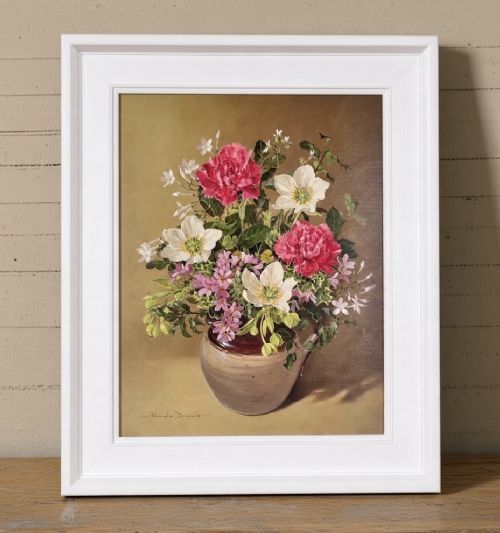
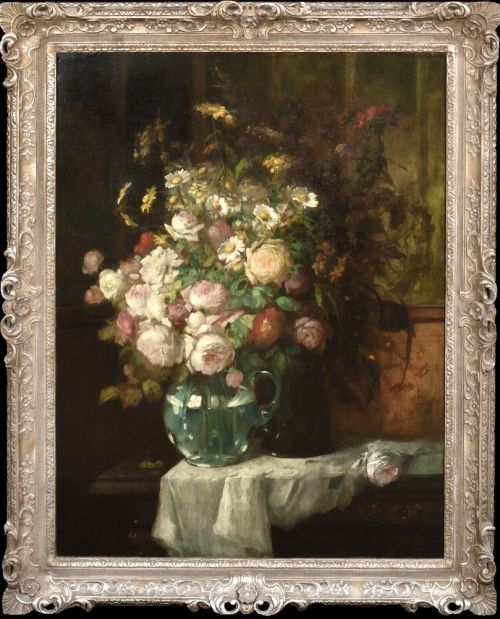
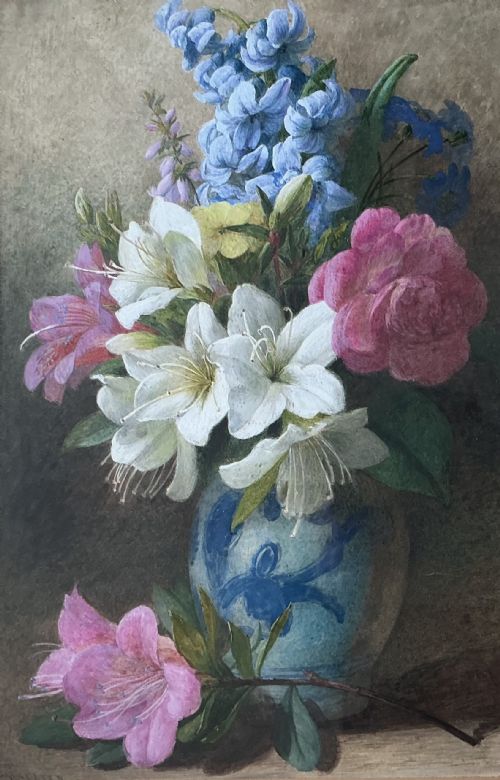
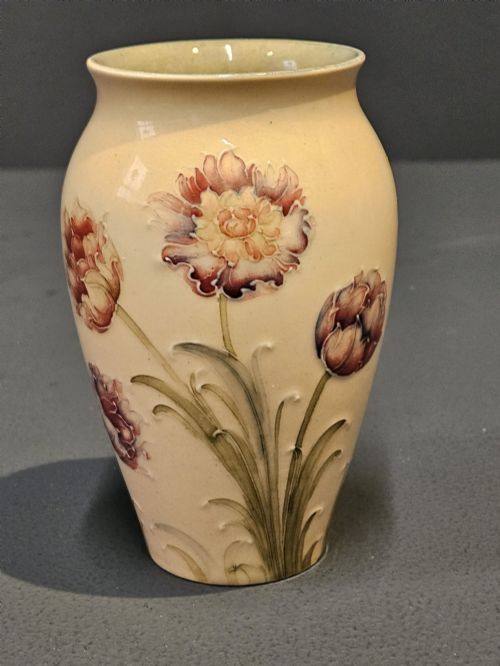
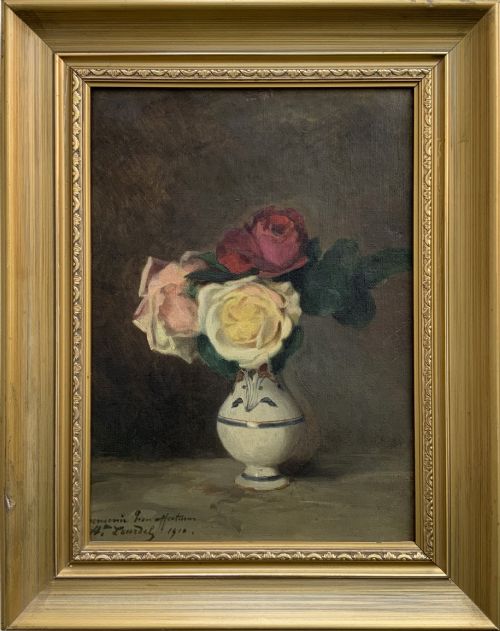
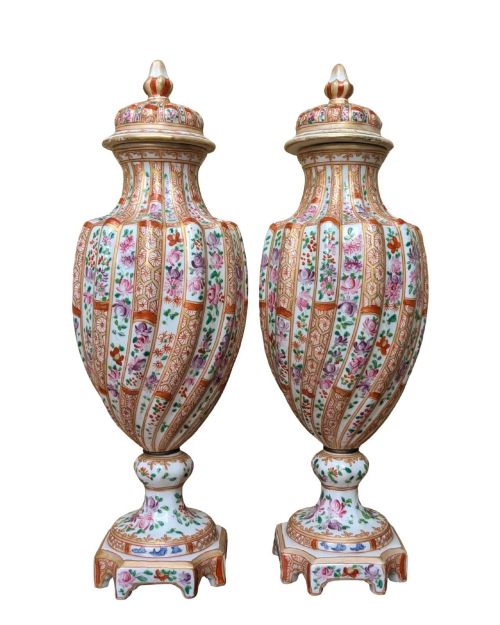
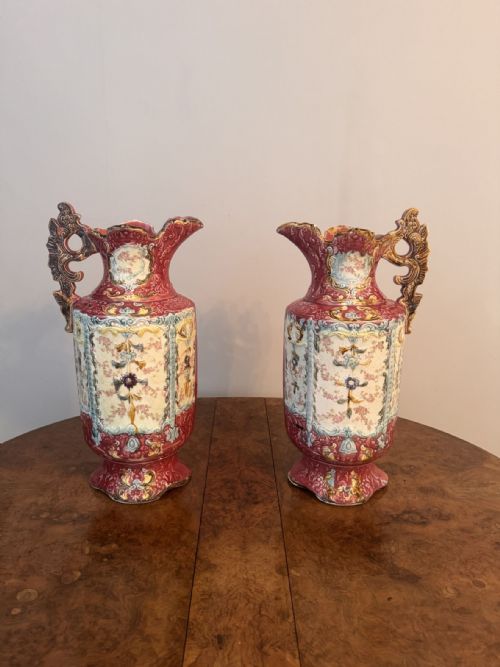
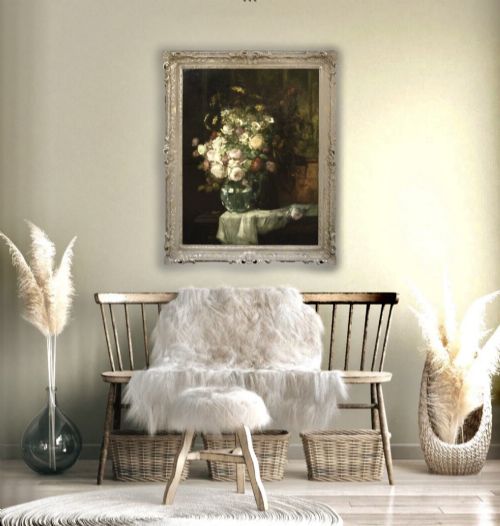
A pink floral vase encompasses ceramic vessels decorated with painted blooms, alongside cameo glass pieces and painted depictions of flowers in vases. The phrase leads collectors to 19th-century European porcelain, Chinese export porcelain, and cameo glass works from periods spanning the Victorian era through the mid-20th century.
The selection ranges from baluster jars and lidded vessels to handled ewers and decorative jugs. Chinese porcelain examples display pink ground enamel painting, while British and European factories utilise hand-painted botanical studies.
Surviving pieces bridge decorative ceramics and fine art, appearing as standalone display items or converted lamp bases.
Materials and Techniques
Makers utilised hard-paste porcelain, enamel, and layered glass as primary mediums. Ceramic bodies received hand-painted botanical motifs or coloured enamel grounds, fixed through kiln firing.
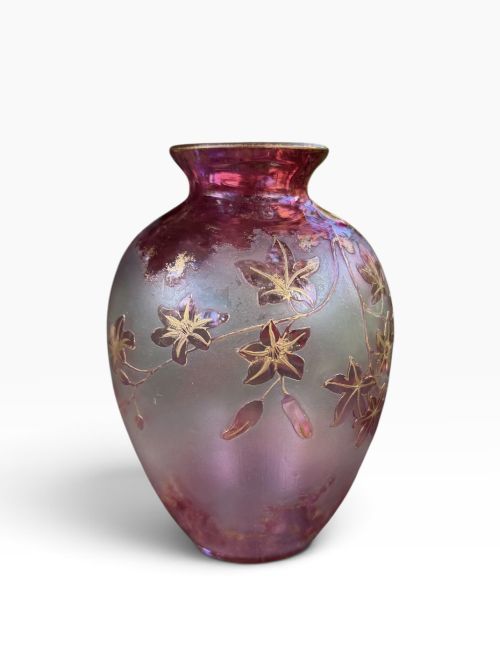
Glass vessels employ acid etching and cameo carving techniques to reveal contrasting colour layers beneath the surface. Painters applied oil and watercolour pigments to canvas and paper to capture floral arrangements in domestic settings.
Pink Floral Vase Retail Price Guide 2026
Typical asking prices for pink floral vase among the pieces listed under this phrase on Sellingantiques today, from the lower quarter to the upper quarter. They describe what is for sale here now, not the wider market.
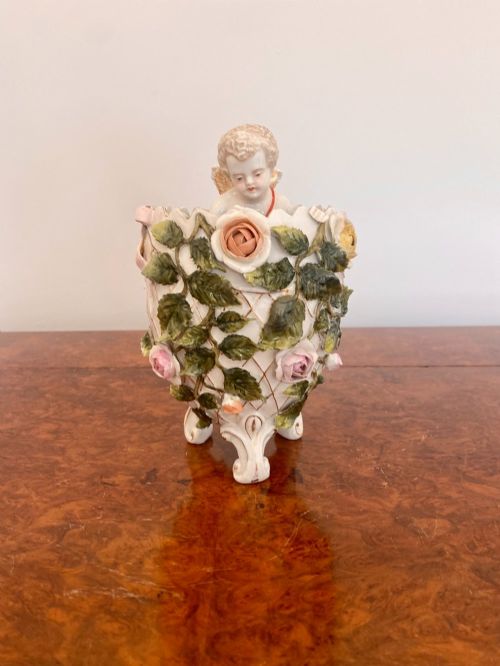
Some floral vases share shelf space with unexpected companions like cherubs perched inside porcelain vessels and room-sized carpets.
Design and Execution
Quality rests in the precision of hand-painted brushwork and the depth of colour application across the surface. Finer ceramic examples demonstrate crisp enamel work and well-balanced forms, while glass pieces rely on the skill of the cameo carver.
Design integrity separates standard production items from workshop pieces bearing identifiable factory marks or artist signatures.
Moorcroft·Baccarat·Edme Samson·Thomas Webb and Sons·Royal Worcester·Galle
The Pink Floral Vase Glossary
- Famille rose
- A major palette of Chinese ceramic glazes introduced in the Qing dynasty, distinguished by opaque pink enamel derived from colloidal gold. It allowed artists to render delicate floral tones.
- Cameo glass
- A luxury glass technique involving two or more fused layers of contrasting colours, which an artisan carves to create raised designs. Emile Gallé and Thomas Webb championed this method.
- Ewer
- A large jug with a wide spout and arched handle, originally used for pouring water but later produced purely for display. Victorian makers adapted the form for elaborate floral decoration.
- Baluster
- A vertical architectural form with a swelling lower portion that tapers toward the top, commonly found in vase profiles. It provides stability and a generous surface for painted decoration.
- Opaline glass
- An opaque or translucent pale glass popular in the nineteenth century, often tinted in soft shades. It served as a smooth ground for enamel floral painting.
Pink Floral Vase: Frequently Asked Questions
How do I identify porcelain periods?
Examine the base for factory marks, maker ciphers, and glaze characteristics that correspond to documented production eras.
Hand-painted details and paste composition also offer clues to whether a piece originates from the nineteenth century or later revival periods.
Were these vases used daily?
Many ceramic and glass vessels served practical functions for cut flowers in nineteenth and twentieth-century homes.
Larger decorative pieces and lidded ginger jars functioned primarily as mantelpiece ornaments or interior focal points.
How should I display them?
Place ceramic and glass examples on stable surfaces away from direct sunlight to preserve delicate enamel and painted colours.
Pairing vases with matching stands or placing them near neutral backgrounds highlights their form and surface detail.