





Painted Floral Vessel
A painted floral vessel brings botanical colour and domestic charm to a room, ranging from delicate nineteenth-century porcelain to robust earthenware.
Painted Floral Vessel
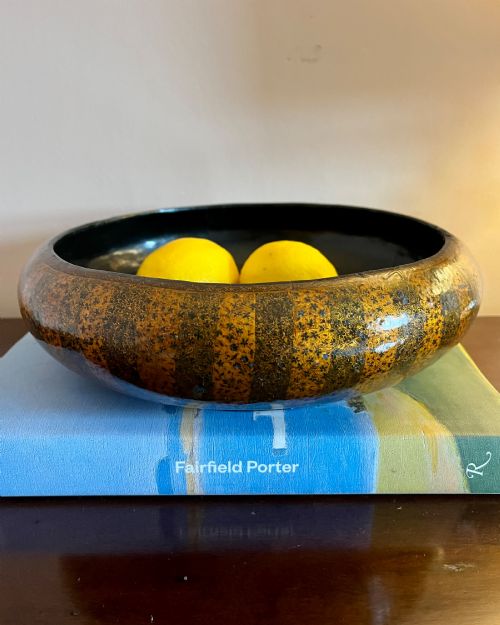
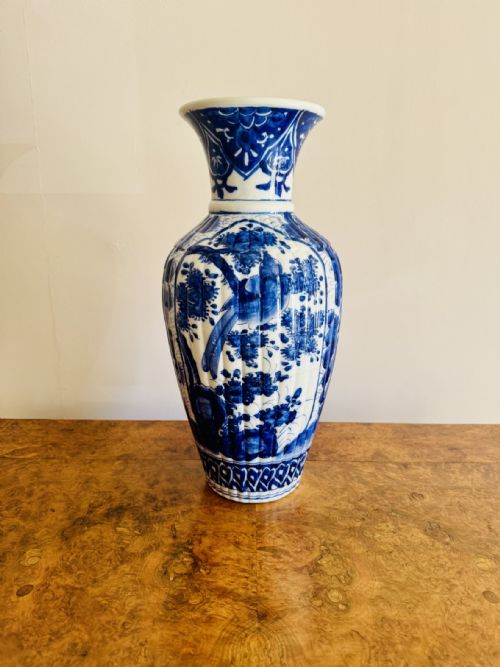
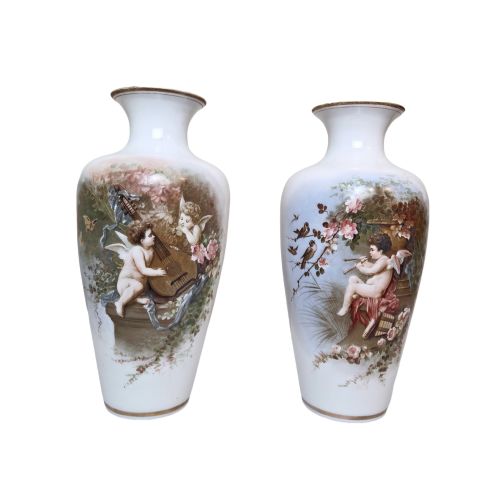
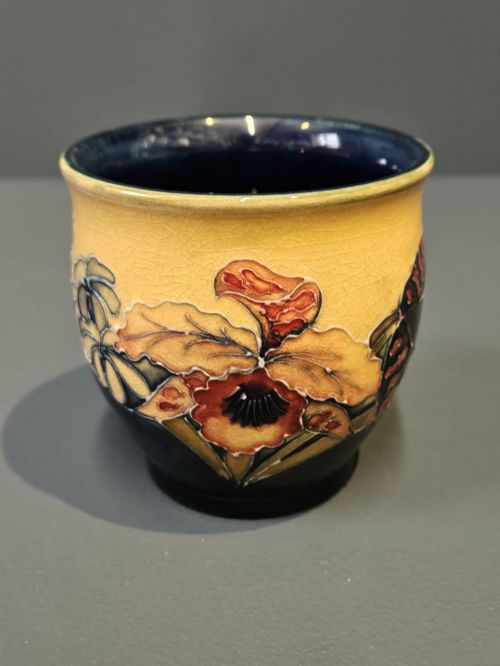
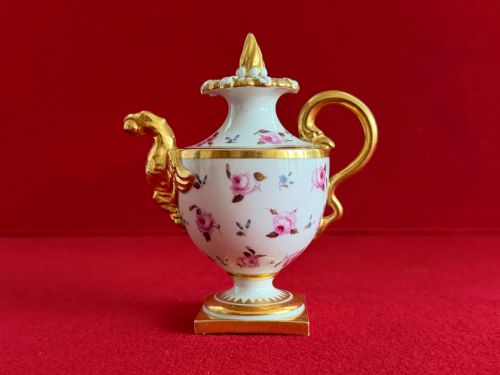
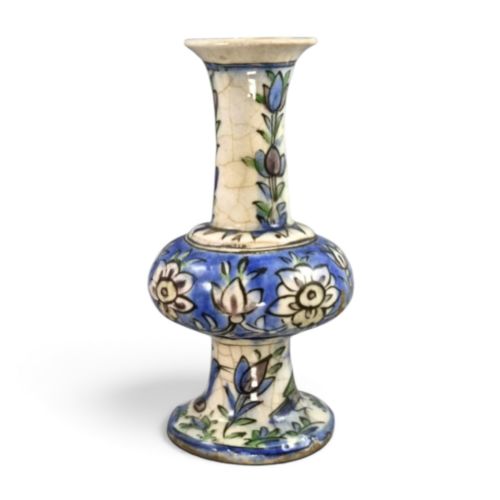
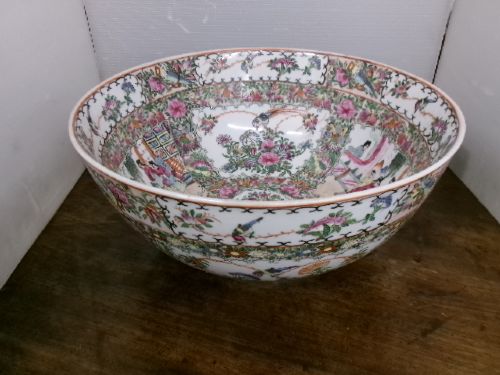
When you search for a painted floral vessel, you encounter a diverse array of decorative ceramics, porcelain objects, and glassware designed to hold blooms or stand alone as ornament. The pieces gathered here span centuries of production, taking the form of vases, urns, bowls, and lidded potpourri pots created by European potteries, Asian workshops, and independent studios.
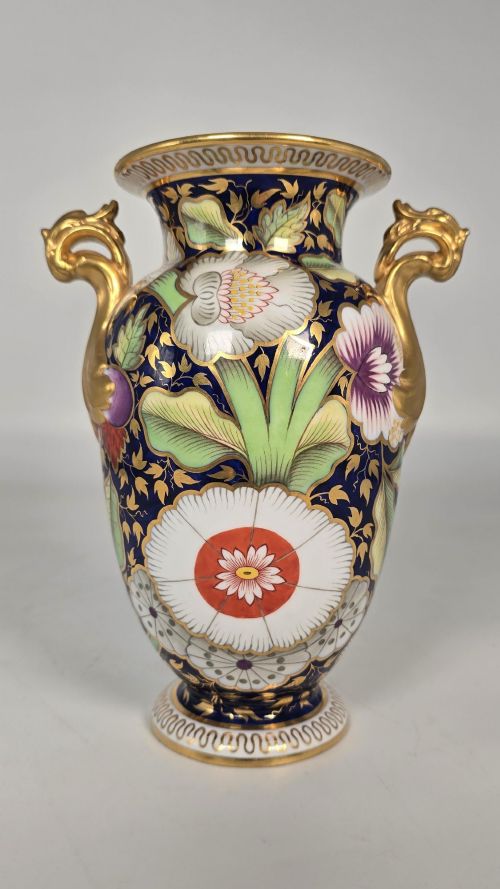
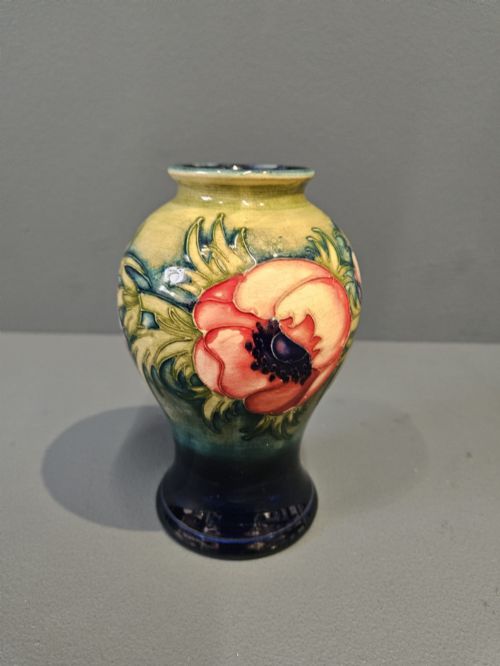
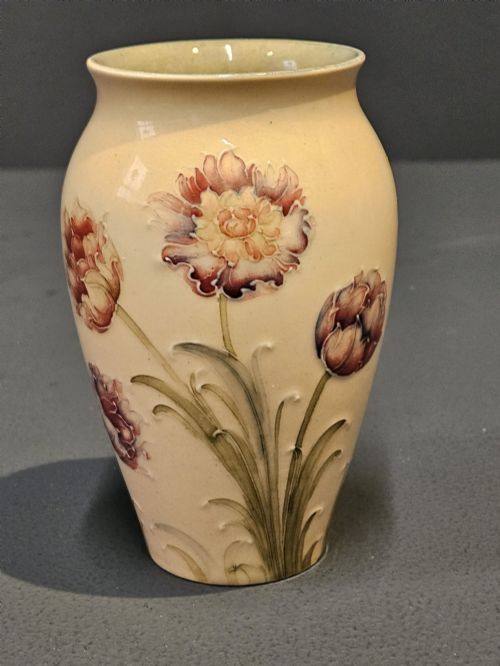
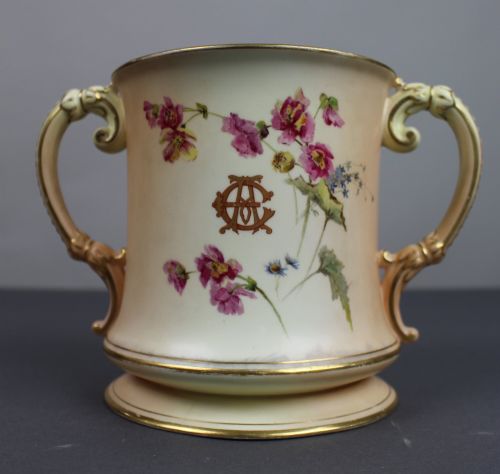
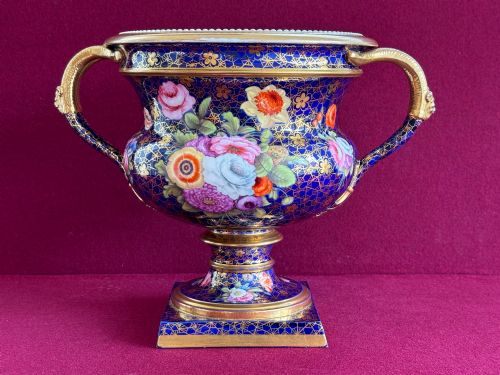
You are most likely to meet nineteenth-century examples on this page, particularly Victorian earthenware and porcelain pieces adorned with botanical motifs. These items reflect prevailing domestic tastes for naturalistic decoration, utilising shapes from classical urns to bulbous baluster forms painted with roses, poppies, and cherry blossom.
How They Were Made
The makers of these vessels relied on ceramic bodies formed from earthenware, porcelain, or faience, shaped by hand or moulded before receiving decoration. Artisans applied pigments directly onto the unfired or glazed surface, often incorporating enamel, slip, or metallic highlights such as gold leaf and gilding to accentuate the painted floral details.
Firing techniques varied according to the medium, with porcelain requiring high temperatures to achieve a vitreous body, while earthenware and faience were glazed and refired to set the vibrant polychrome pigments. Glass vessels in the selection received surface enamelling and gilding, bonded through controlled heat.
Painted Floral Vessel Retail Price Guide 2026
Typical asking prices for painted floral vessel among the pieces listed under this phrase on Sellingantiques today, from the lower quarter to the upper quarter. They describe what is for sale here now, not the wider market.
Listings span the eighteenth century to the mid-twentieth century, featuring materials such as earthenware, porcelain, enamel, and gold leaf.
What Varies in Quality
The distinction between standard commercial output and finer examples rests upon the precision of the hand-painted decoration and the nuance of the glaze. Master painters achieved depth and shading in floral subjects that lesser hands rendered flat, applying subtle brushwork to depict petals, leaves, and stems with botanical accuracy.
Material refinement and studio attribution also separate pieces, as works bearing the signatures of established porcelain manufacturers or known decorators demonstrate superior control over form, colour saturation, and finishing details like gilding.
Moorcroft·Royal Worcester·Spode·Flight Barr And Barr·Doulton Lambeth·H And R Daniel·Coalport·Moser
The Painted Floral Vessel Glossary
- Baluster
- A tall vessel form characterised by a rounded body that tapers toward the base and neck, resembling a traditional architectural support.
- Enamel
- Opaque or translucent glass-like material fused to a ceramic, glass, or metal surface by heat, used to create durable coloured decoration.
- Imari
- A traditional Japanese style of porcelain decoration featuring deep cobalt blue and iron red, frequently augmented with gold.
- Faience
- Tin-glazed earthenware produced across Europe, known for its absorbent porous body and opaque white ground suitable for painting.
- Gilding
- The application of gold leaf or gold powder to the surface of ceramic, glass, or metal objects to provide metallic highlights.
Painted Floral Vessel: Frequently Asked Questions
How were painted floral vessels used historically?
These pieces functioned primarily as ornamental focal points within the domestic interior, displayed on mantelpieces, side tables, and cabinets. Many held fresh garden flowers or dried botanical mixtures such as potpourri to scent the room.
Larger urns and bowls served as decorative showpieces during formal dining and entertaining, while smaller vessels graced intimate sitting rooms and bedrooms.
How do I care for antique ceramic and glass vessels?
Maintain these objects by dusting them gently with a dry, soft cloth to prevent particulate buildup on fragile painted surfaces and gilt highlights. Avoid submerging antique pieces in water, particularly those with cold-painted decoration or exposed earthenware bodies.
Keep vessels away from direct sunlight to preserve the vibrancy of the painted floral pigments and prevent fading over time.
How can I tell nineteenth-century pieces apart?
Distinguish nineteenth-century items by examining the characteristics of the glaze, the style of the botanical painting, and any factory marks stamped or painted on the base. Victorian pieces often display naturalistic floral sprays influenced by contemporary gardening trends.
Earlier Regency and eighteenth-century examples tend to feature more stylised neoclassical forms, hand-pencilled marks, or distinct paste compositions that reflect the manufacturing standards of their era.
What distinguishes Japanese Imari from European porcelain?
Japanese Imari porcelain is defined by its characteristic palette of cobalt blue underglaze combined with iron red and gold overglaze upon a white ground. The decorative schemes frequently incorporate dense floral and brocade patterns.
European interpretations of the style, produced by various factories, often utilised softer paste bodies and adapted the traditional palette to suit Western neoclassical or Victorian aesthetic preferences.