


Earthenware Pottery Jar
An earthenware pottery jar brings tactile warmth to a room, holding centuries of utility and artistry in fired clay.
Earthenware Pottery Jar
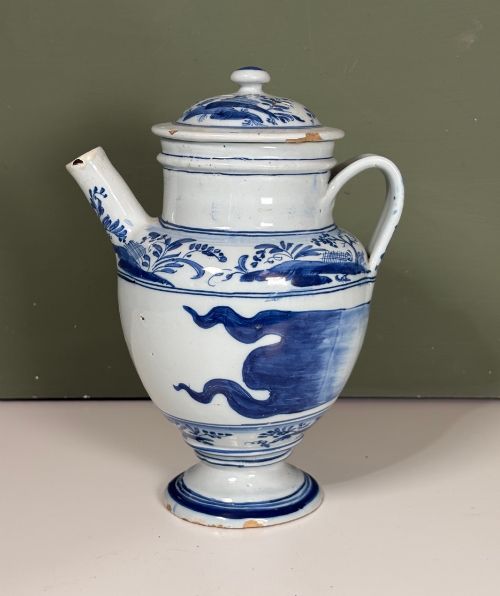
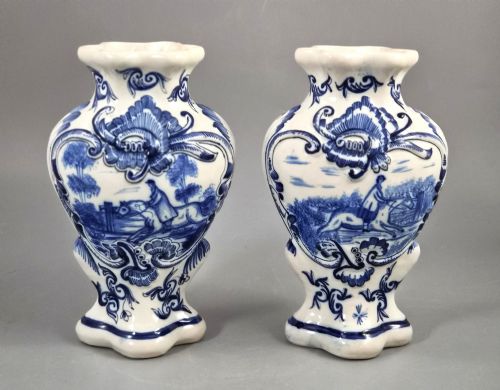
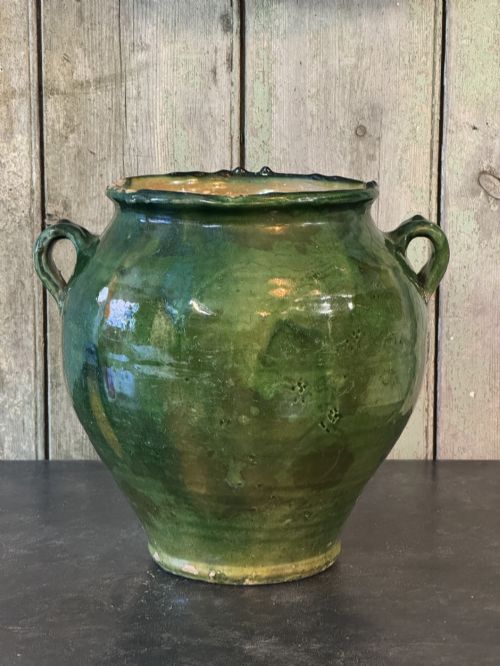
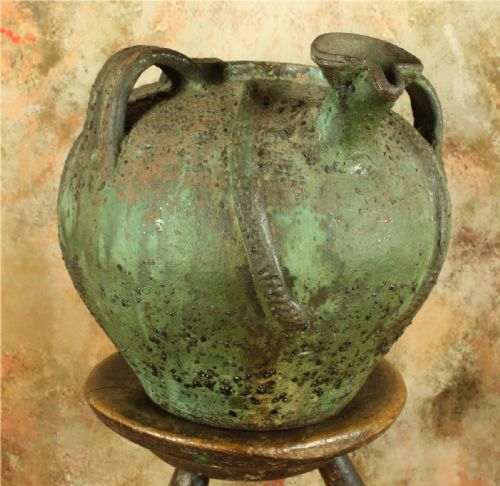
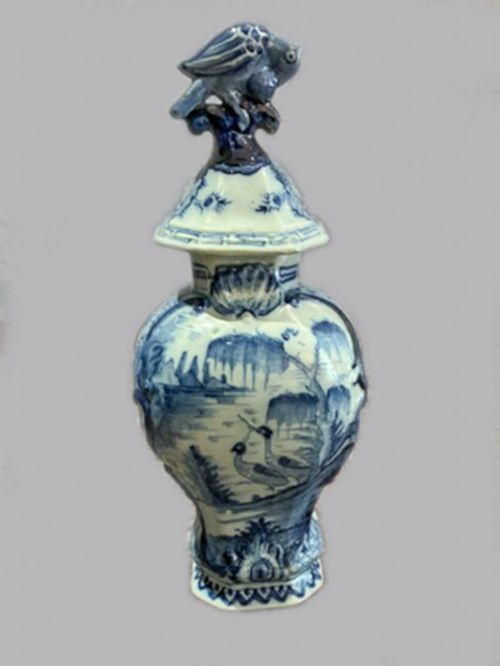
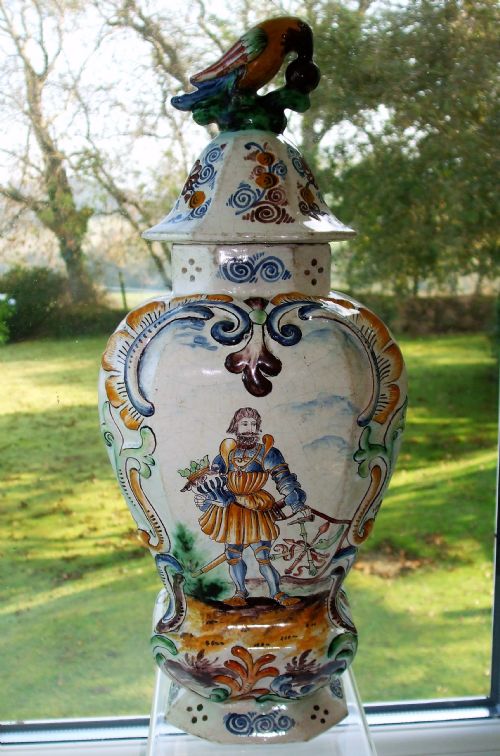
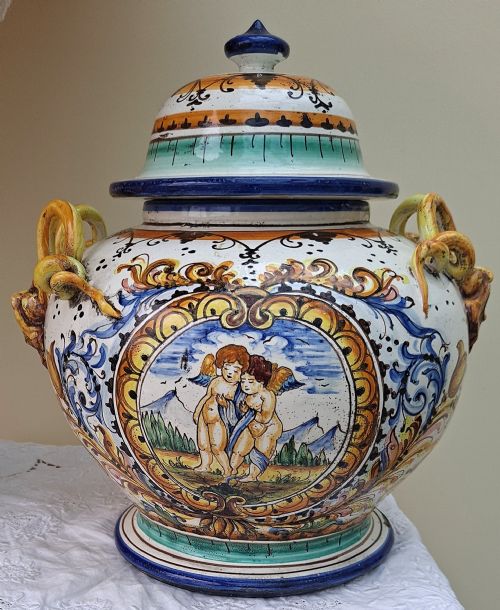
The selection on this page leans heavily toward European delftware, majolica, and regional French green-glazed pottery from the eighteenth and nineteenth centuries. These domestic and apothecary containers served practical roles in kitchens and pharmacies before finding new life as display pieces.
How they were made
Potters shaped these vessels on the wheel or by hand using terracotta and earthenware bodies, which remain porous unless sealed. Artisans applied tin glazes, lead glazes, and enamels to waterproof the clay and provide a smooth white or coloured surface for painted decoration.
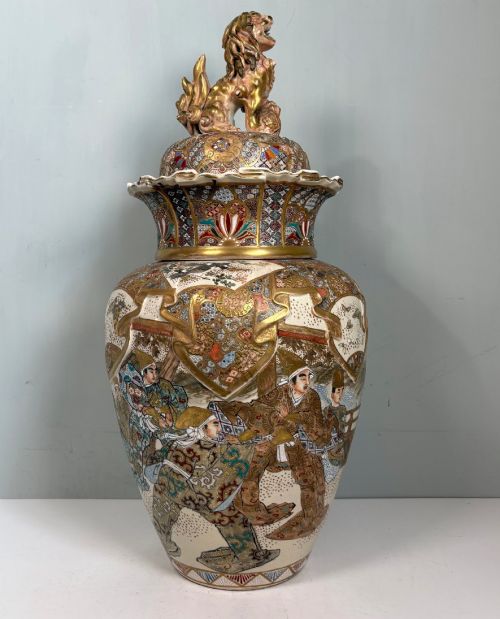
Pigments were brushed directly onto the unfired glaze, capturing cobalt blues, soft greens, and polychrome motifs before a final high-temperature kiln firing. Gold leaf occasionally highlights later decorative Japanese and European pieces.
Listings span multiple centuries, ranging from Neolithic Chinese double-gourd vessels to twentieth-century French provincial planters.
What varies in quality
The sophistication of the painted brushwork distinguishes superior examples from routine wares, separating practiced studio hands from mass production. Precision in the glaze application and the stability of the fired body also determine the overall refinement of the vessel.
Historical significance and unbroken lids on apothecary and ginger jars elevate certain pieces above standard domestic containers. Preservation of the original glazed surface without extensive restoration preserves the integrity and visual appeal of the object.
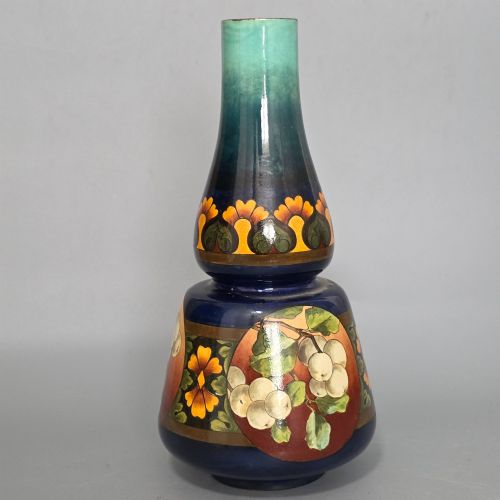
Fourmaintraux-Courquin·Alice Euphemia Thatcher·Gallilleo Chini
The Earthenware Pottery Jar Glossary
- Albarello
- A cylindrical earthenware jar used in pharmacies to store dry drugs, ointments, or syrups. This form originated in the Near East and became common across Italian and European apothecaries.
- Confit pot
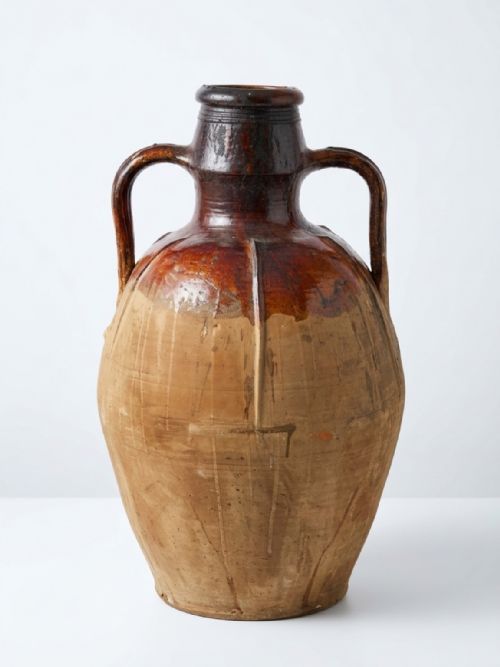
- A traditional French glazed earthenware jar designed for preserving meats, featuring handles and a partially unglazed lower body. These rustic vessels were staples in provincial farmhouse kitchens.
- Tin-glazed earthenware
- Pottery coated with a glaze containing tin oxide, which creates an opaque white background for painted decoration. Dutch delft and Italian majolica rely upon this specific technique.
- Baluster
- A vase or jar shape characterised by a rounded body that tapers toward a narrow neck and rests on a spreading base. The silhouette mimics architectural balusters popular in Renaissance design.
Earthenware Pottery Jar: Frequently Asked Questions
What is an apothecary jar?
An apothecary jar is a specialised container used historically by chemists and pharmacists to store dried herbs, wet medicines, or ointments. These vessels often feature painted labels or drug names to identify their medicinal contents.
Many survive with matching lids and tin-glazed earthenware surfaces, making them highly sought after by collectors of medical antiques and ceramics.
Are these jars waterproof?
Many earthenware jars feature interior lead or tin glazes designed to hold liquids or preserves safely in domestic settings. However, centuries of age can create microscopic cracks in the glaze surface.
It is wise to test a jar with cold water before using it as a flower vase to ensure the historical body does not seep moisture onto furniture.
How can I date an earthenware jar?
Dating relies on examining the characteristics of the clay body, the composition of the glaze, and the style of hand-painted decoration. Eighteenth-century pieces often display characteristic tin-glaze pooling and hand-thrown asymmetry.
Comparing the form, palette, and maker marks against documented historical examples helps narrow down the period of production.