
Terracotta Pottery Vessel
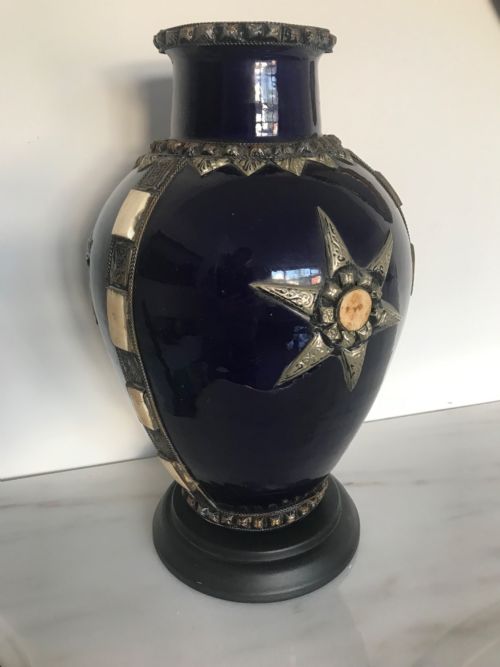
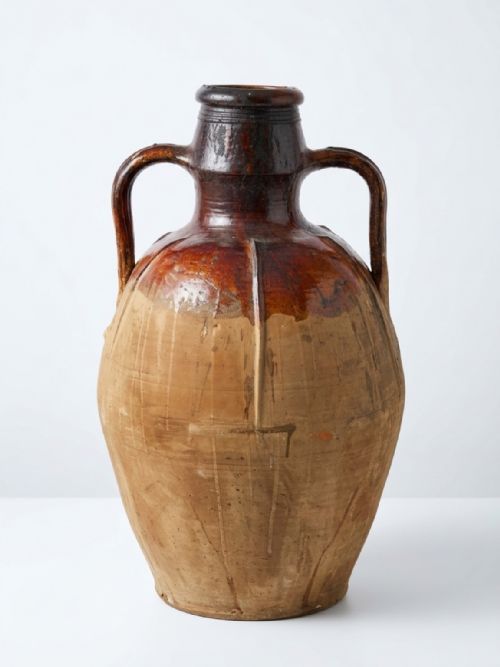
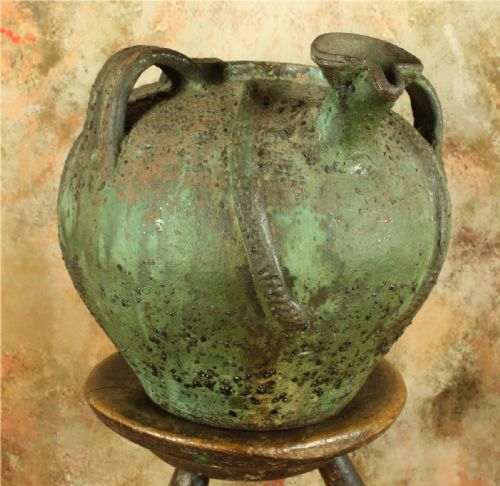
When you search for a terracotta pottery vessel, you encounter ancient amphorae, rustic French confit jars and glazed Asian vases shaped from baked earth.
Terracotta Pottery Vessel
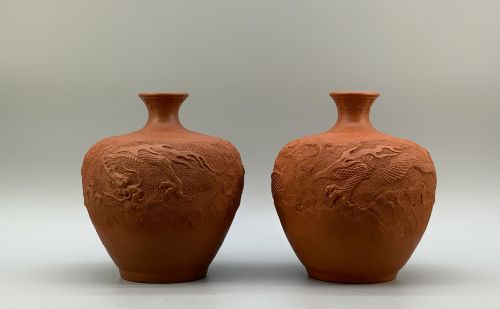
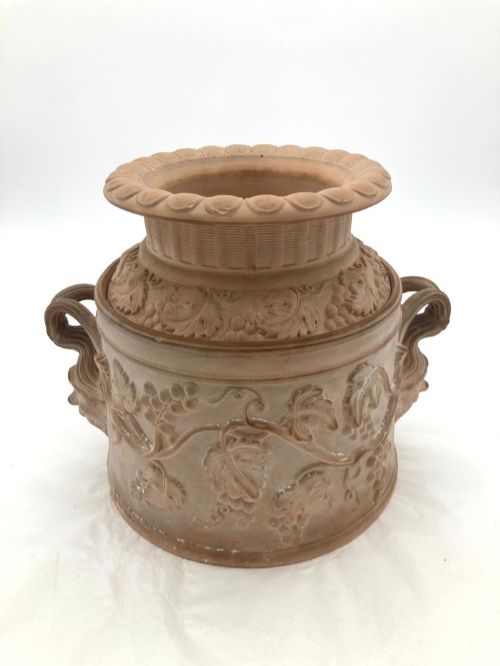
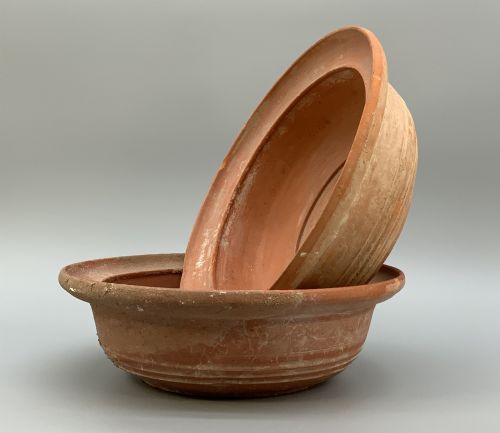
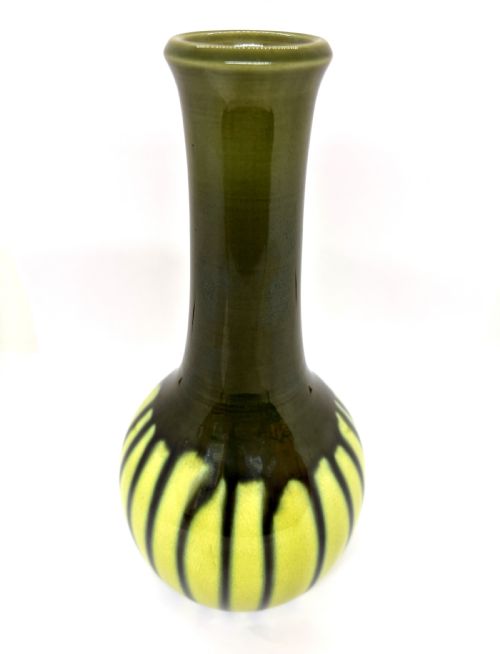
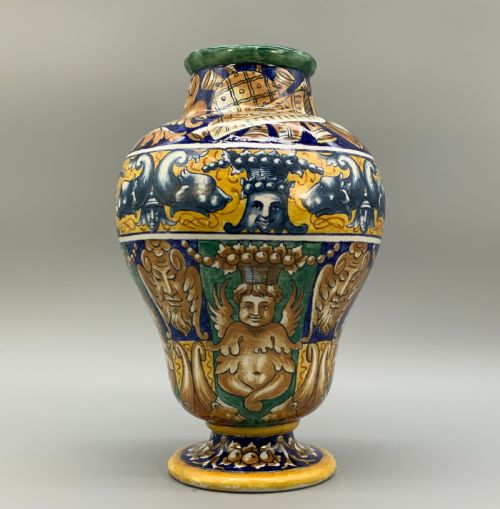
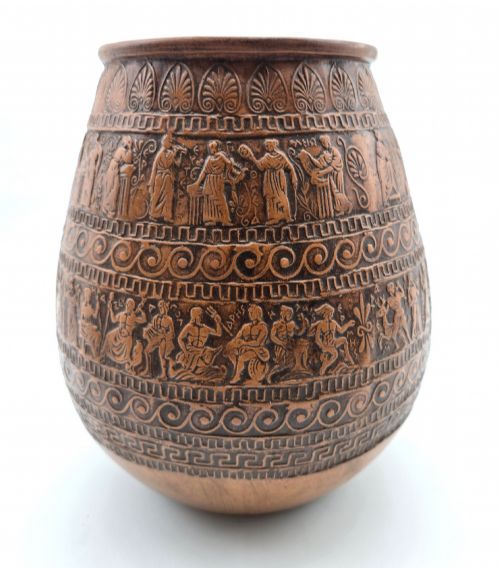
A terracotta pottery vessel encompasses functional storage jars, wine coolers, amphorae and decorative vases shaped from porous clay. The selections span ancient pre-Columbian figures and Chinese burial pottery to nineteenth-century European utility jars and Japanese art ceramics.
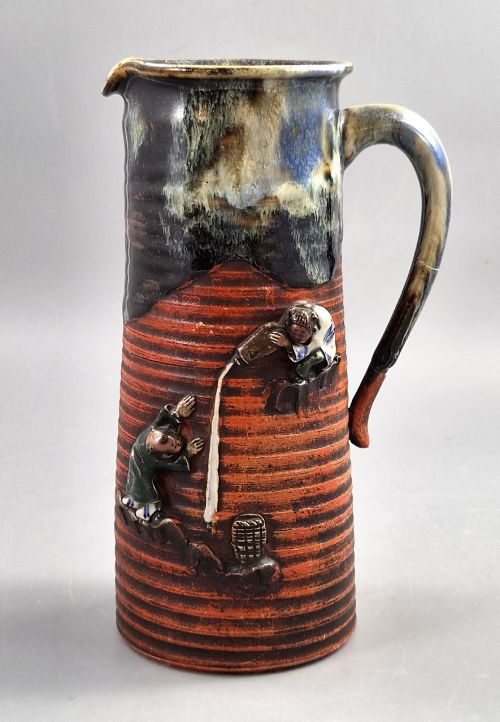
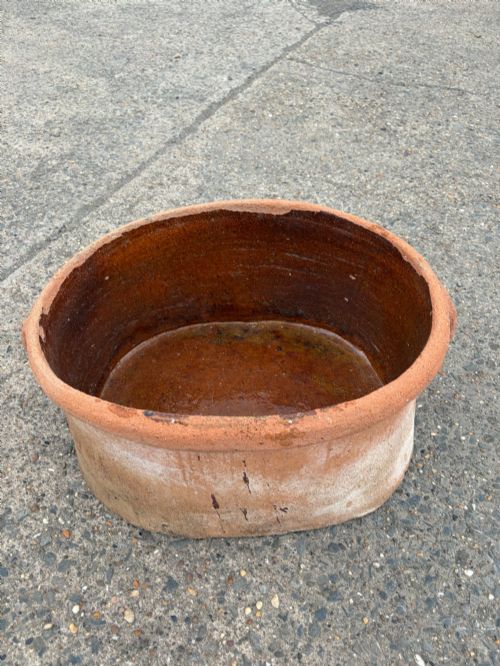
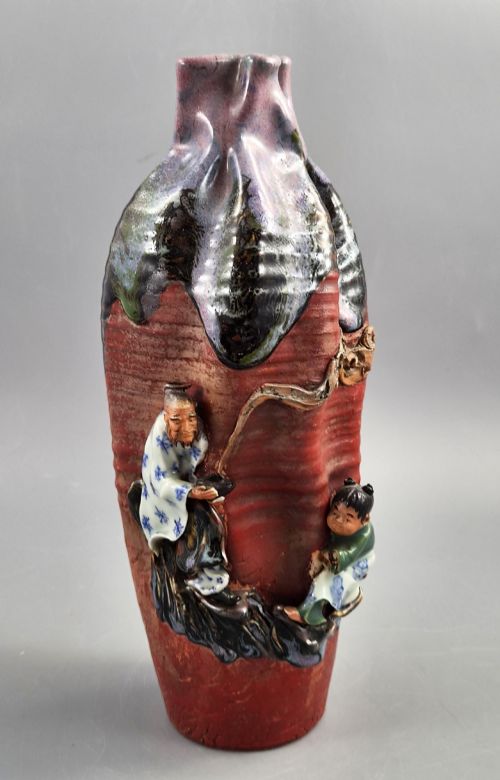
The assortment includes utilitarian olive oil jars, slipware jugs and wine vessels alongside classical Grand Tour vases and intricate Sumida Gawa creations. Buyers discover both domestic utility pieces from rural France and Britain and ritual antiquities originating from ancient Mediterranean and Asian cultures.
How they were made
Makers shaped raw clay by hand or on a potter's wheel before firing the earth in kilns to produce porous terracotta and earthenware. Artisans frequently applied liquid clay slips, lead glazes or polychrome enamels to seal surfaces and add colour.
Potters carved incised patterns, moulded applied figures or painted decorative motifs directly onto the leather-hard clay body prior to the final kiln process.
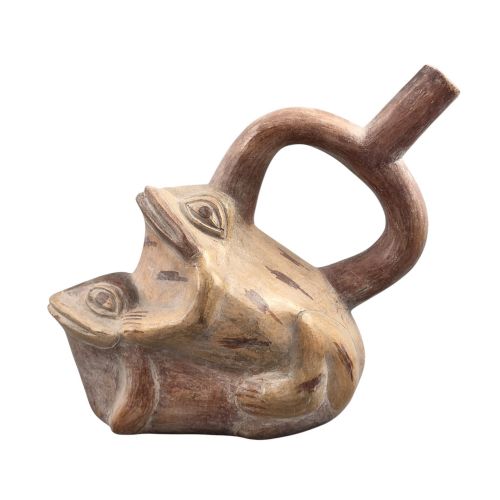
Several ancient vessels depict climbing frogs and mating amphibians immortalised in baked clay over two millennia ago.
What varies in quality
Quality rests in the harmony of the thrown form, the stability of the fired body and the character of the glaze or slip application. Superior works exhibit confident potting lines, expressive modelled details and stable mineral glazes that have aged gracefully over centuries.
Lesser examples display clumsy proportions or poorly adhered surface finishes, while exceptional pieces retain clear maker signatures, distinct regional styling or intact historical provenance.
Davenport·Burmantoft's Pottery·Cantagalli
The Terracotta Pottery Vessel Glossary
- Terracotta
- Fired unglazed or glazed clay of a brownish-red colour. It forms the structural body for many utilitarian and decorative vessels.
- Slip
- A liquid mixture of clay and water applied to pottery before firing to smooth the surface or create contrasting decorative patterns.
- Amphora
- A tall ancient jar featuring two handles and a narrow neck used originally for transporting wine or oil.
- Confit jar
- A traditional French earthenware pot finished with a lead glaze, historically utilised for preserving meats.
Terracotta Pottery Vessel: Frequently Asked Questions
How were terracotta vessels used historically?
These vessels served primarily practical roles in ancient and domestic life, holding olive oil, wine, water and preserved foods. Utilitarian earthenware handled daily storage needs while glazed or painted examples functioned as display items.
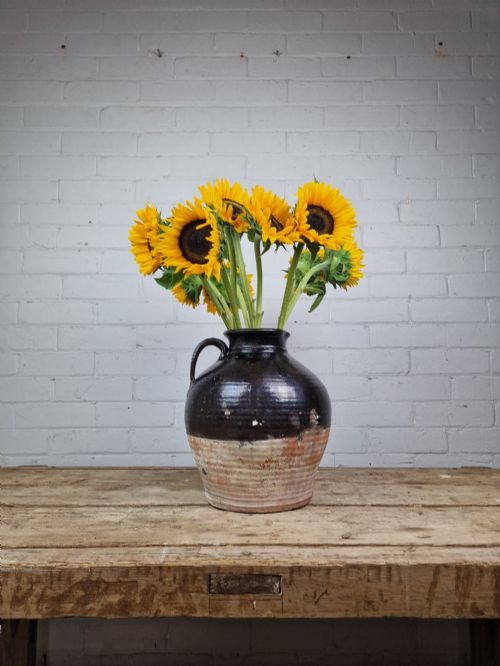
Over time, many utility jars transitioned into decorative objects appreciated for their aged surfaces and rustic forms within home interiors.
How do I care for antique terracotta pottery?
Display these porous ceramic pieces in stable environments away from excessive moisture and direct sunlight. Dust them gently with a dry cloth rather than using liquid cleaners that might penetrate unglazed clay.
Handle heavier jars and amphorae by their bodies rather than relying solely on handles, which can weaken or crack after centuries of age.
How can I tell different historical periods apart?
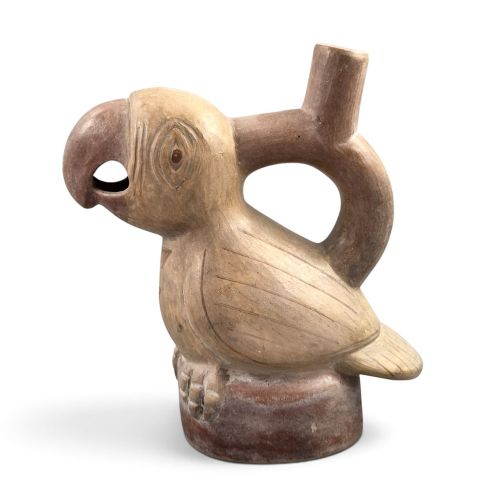
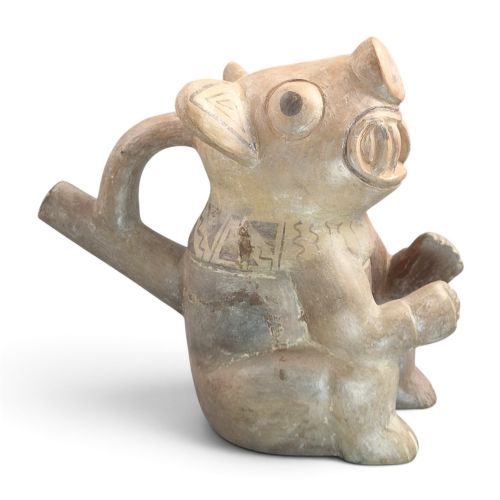
Distinguishing periods relies on observing clay types, forming techniques, surface treatments and stylistic motifs. Ancient pre-Columbian and Asian pieces often feature hand-modelled zoomorphic forms or early earthenware bodies, whereas nineteenth-century European items show industrial throwing methods and characteristic lead glazes or slip designs.
Familiarity with regional palettes, such as French green glazes or Japanese Sumida Gawa flambé finishes, helps pinpoint origins.
Are these vessels waterproof?
Many older or unglazed terracotta vessels remain porous and can seep moisture if filled directly with water. Placing a small glass or ceramic container inside larger vases and jars protects the antique fabric.
Glazed pieces generally hold liquids more effectively, though age-related hairline fractures in the glaze can still occur.