
Brown Ceramic Vessel
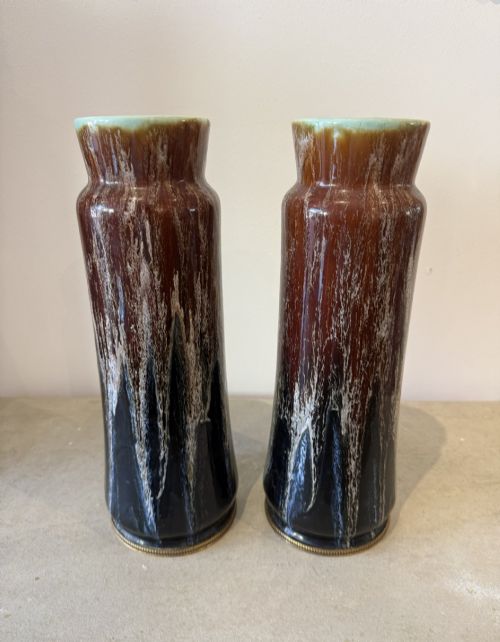
These brown ceramic vessel examples span centuries of utility and display, offering tactile earth tones and enduring forms that ground any room.
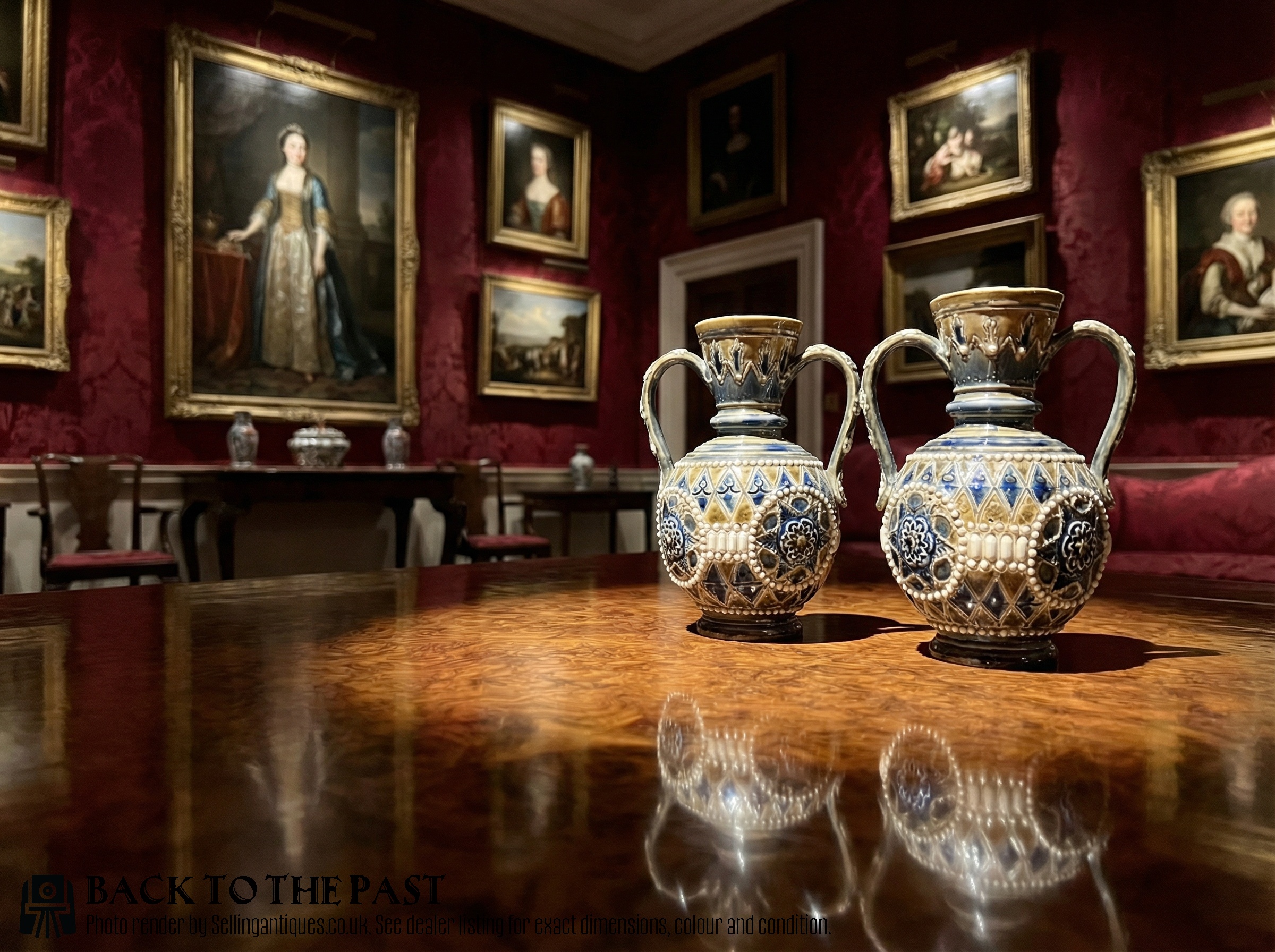
Brown Ceramic Vessel
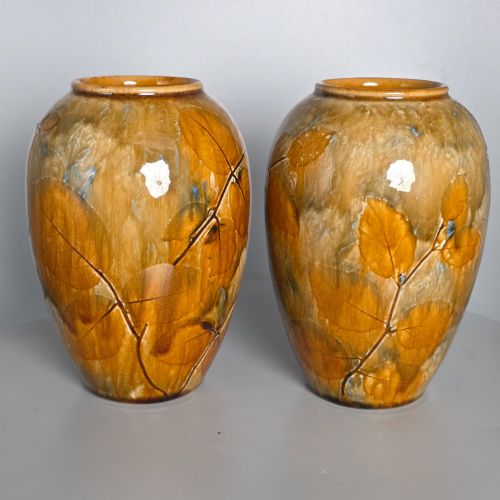
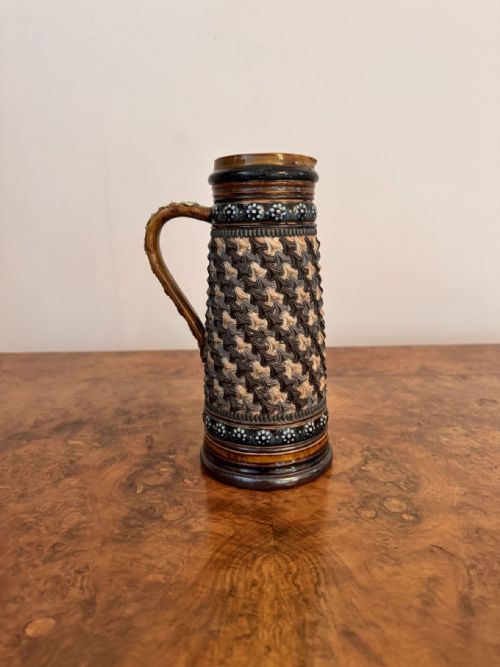
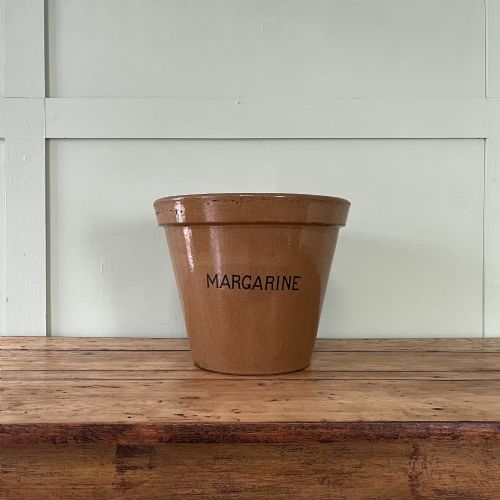
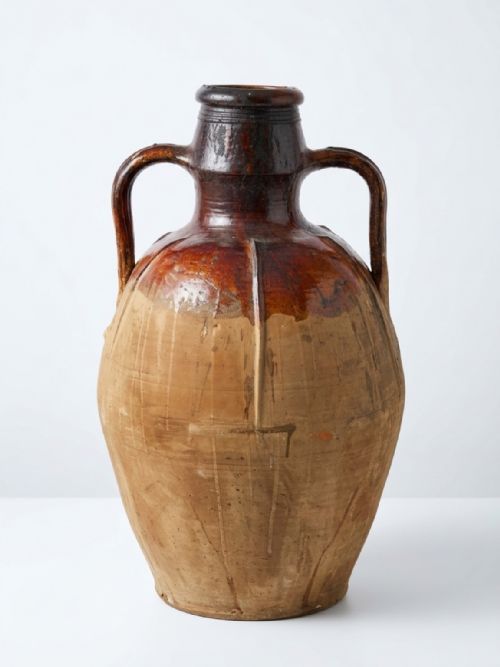
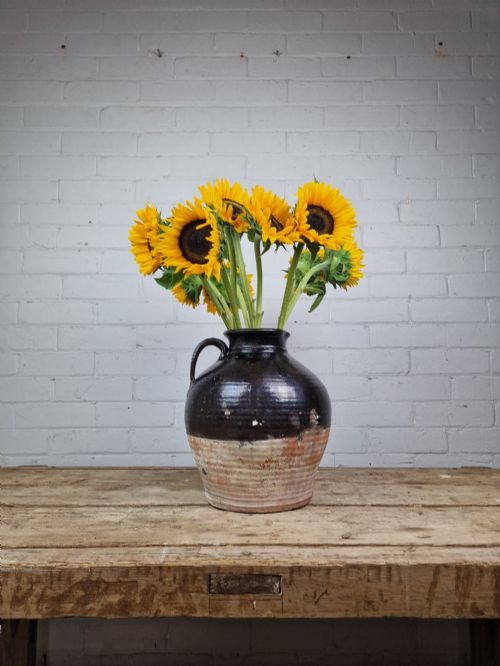
A brown ceramic vessel brings together utilitarian storage pieces and decorative display items shaped from clay over centuries. You will find storage jars, dairy crocks, wine bottles, and amphorae alongside domestic jugs, teapots, and ewers.
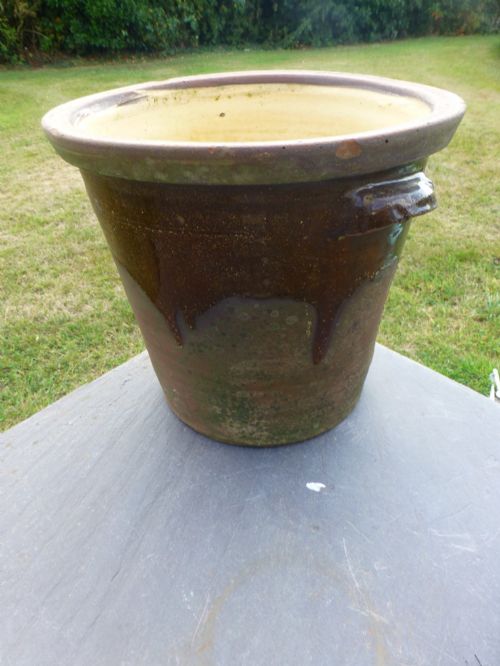
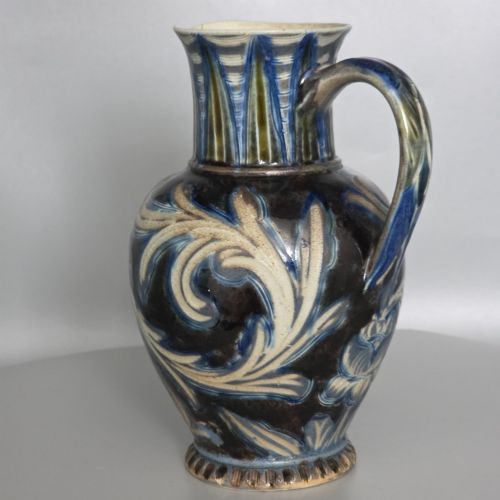
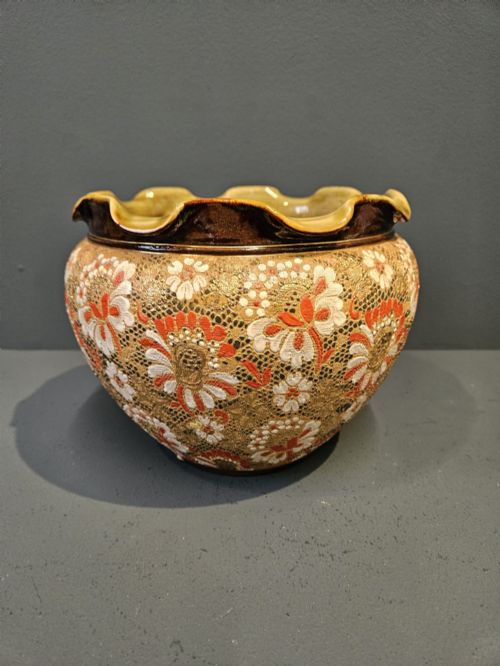
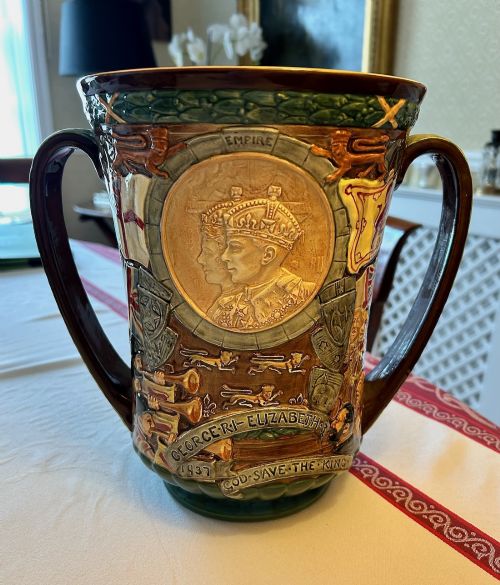
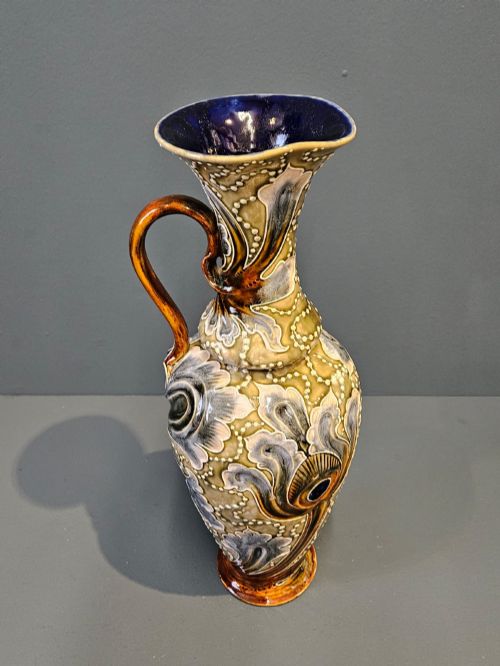
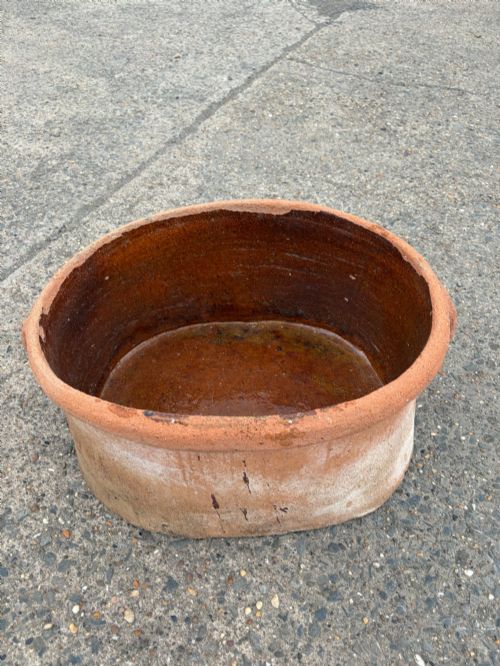
The selection here draws heavily on Victorian production, particularly salt-glazed stoneware and terracotta items designed for utilitarian or decorative roles. Pieces range from large garden planters and oil jars to delicate art pottery vases and loving cups.
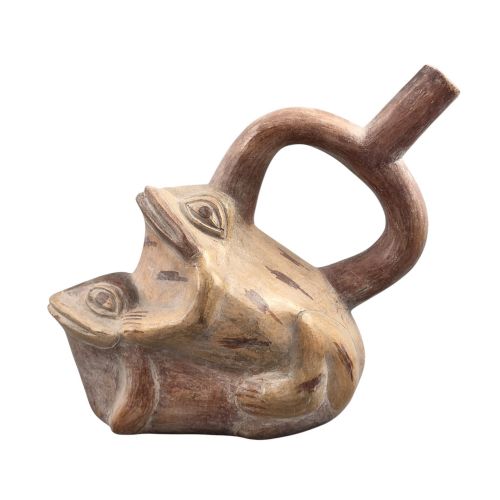
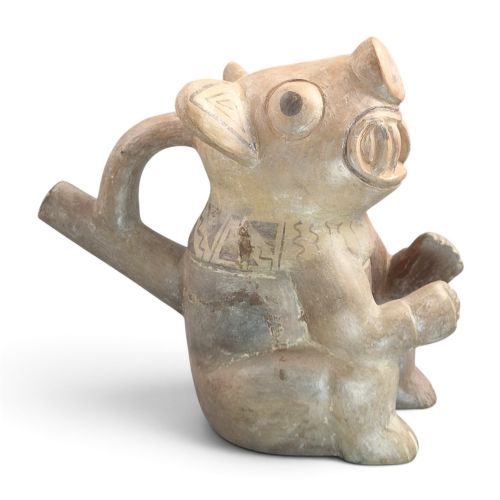
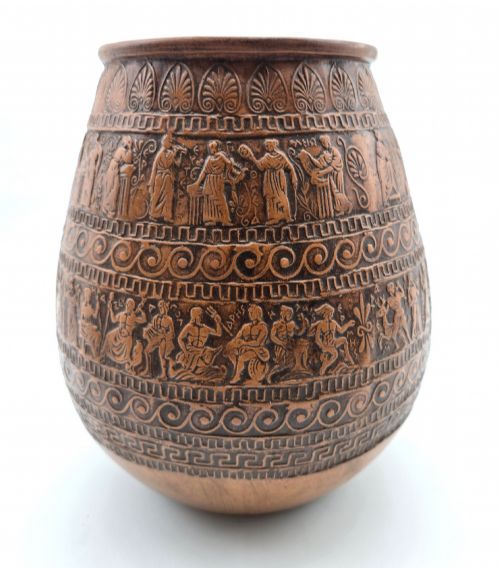
Early international items also appear among the domestic kitchenware, including ancient terracotta pieces and Persian lustre bowls. These older forms share the same earthy palette, shifting from deep chocolate tones to warm ochres and reddish clays.
What varies in quality
The standard of a brown ceramic vessel depends on the crispness of the modelling and the control achieved during the firing process. Well-executed pieces show deliberate incised carving, steady handles, and even glaze coverage without unintended sagging or distortion.
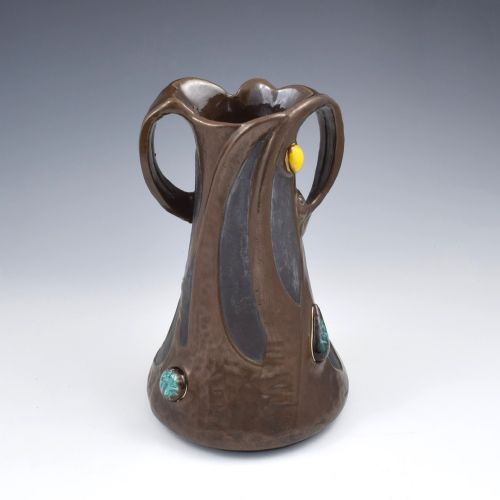
Art pottery examples derive distinction from artist signatures, specialised decorative techniques like jewelled cabochons, and balanced proportions. Utilitarian items achieve merit through robust construction, thick walls, and functional integrity suited to daily service.
The listings feature heavy stoneware barrels, dairy bowls, and salt-glazed bottles alongside delicate Art Nouveau vases.
Royal Doulton·Doulton Lambeth·Bretby Pottery·Wileman Intarsio·Boch Freres·Mettlach Pottery
The Brown Ceramic Vessel Glossary
- Stoneware
- A robust pottery fired at high temperatures until vitrified and non-porous. This material withstands liquids and heavy use without requiring an interior glaze.
- Terracotta
- Porous unglazed or glazed fired red-brown clay used for large storage vessels and garden planters. The iron content in the earth creates the characteristic reddish colour.
- Salt glaze
- A glassy, slightly textured finish created by throwing common salt into the kiln at peak temperature. The sodium reacts with the silica in the clay body.
- Slipware
- Pottery decorated with slip, a liquid mixture of clay and water, applied before firing to create lines or contrasting backgrounds. It appears frequently on early domestic jugs and bowls.
- Tyg
- A drinking vessel featuring three or more handles designed for communal passing around a table. These multi-handled pots date primarily from the seventeenth and eighteenth centuries.
Brown Ceramic Vessel: Frequently Asked Questions
How do I clean an old clay pot?
Wash unglazed terracotta gently with warm water and a soft brush to remove dust without damaging the porous surface. Avoid harsh detergents that can penetrate the clay body.
Glazed stoneware items tolerate mild soap and water much better. Dry all vessels thoroughly after washing to prevent moisture retention.
Are these stoneware jugs waterproof?
Most stoneware and salt-glazed pieces are completely vitrified and hold water without difficulty. They served practical roles as liquid containers and oil bottles.
Porous terracotta and older earthenware items may weep slightly over time. Place a protective mat beneath unglazed vessels used for fresh flowers.
How do I date a brown ceramic jar?
Examine the base, handle attachment, and glaze consistency for manufacturing clues. Hand-thrown potting marks and early salt glazing point toward eighteenth-century or earlier origins, while stamped factory marks indicate Victorian or Edwardian production.
Compare the silhouette and decorative style against documented pieces from known potteries. Art Nouveau motifs and specific maker stamps narrow the production window considerably.
Can I use these vessels outdoors?
Sturdy terracotta oil jars, garden planters, and salt-glazed barrels suit outdoor display during milder months. Heavy clays handle garden environments well when placed on stable footings.
Bring porous terracotta indoors during freezing weather to prevent frost damage. Ice expansion inside the clay body causes cracking.