


Early Victorian Sideboard
An early victorian sideboard anchors a dining room or hall with timber warmth and practical storage, built to last generations.

Early Victorian Sideboard
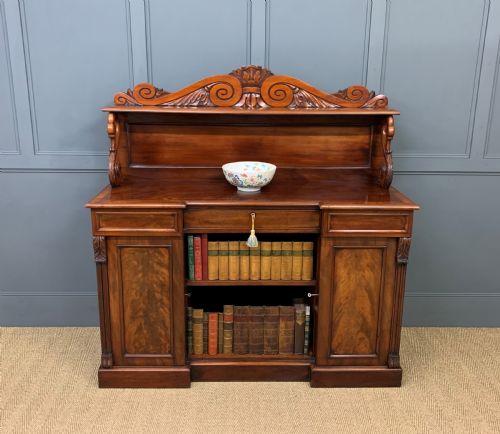
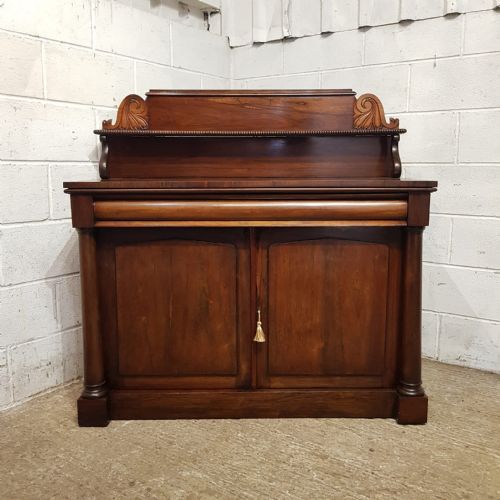
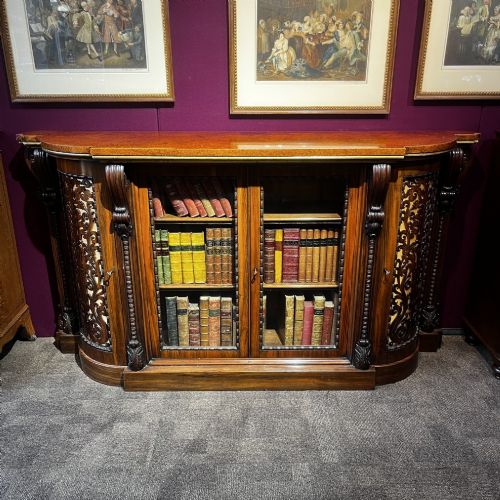
An early victorian sideboard represents substantial nineteenth-century cabinet work designed for dining rooms and large hallways, combining serving surfaces with cupboards and drawers. Buyers searching this phrase meet substantial pedestal designs, breakfront serving tables and lower-profile chiffoniers.
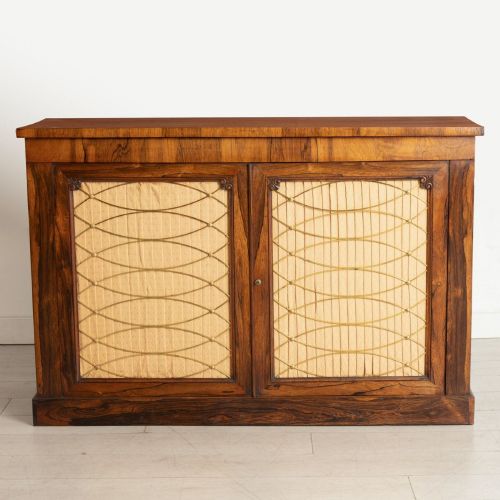
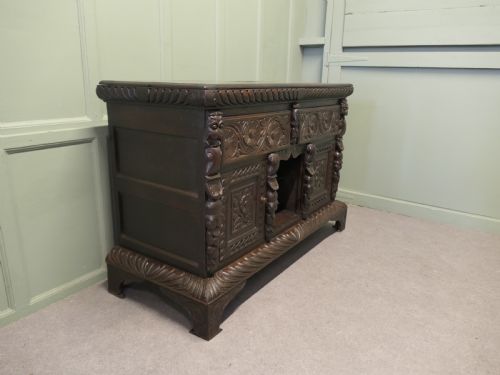
The materials appearing across these listings range from dense flame mahogany and figured rosewood to practical pine and country oak. Most pieces date from around 1840, sitting neatly between the preceding Regency period and the heavier later Victorian decades.
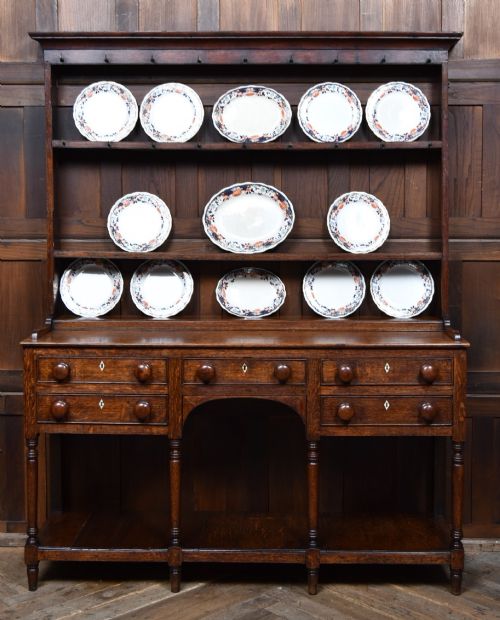
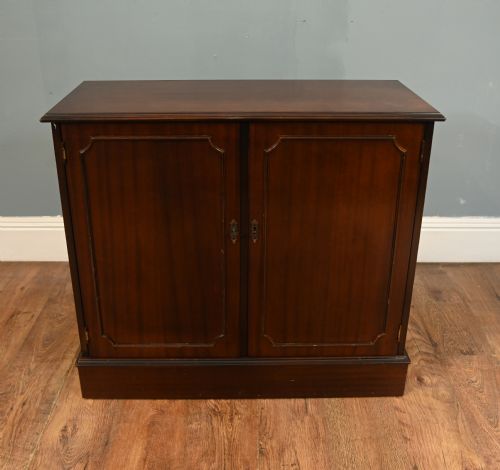
Forms vary from monumental country house pieces to diminutive cupboards and narrow dresser bases. This variety allows the furniture to suit both spacious period rooms and compact modern interiors without losing historical character.
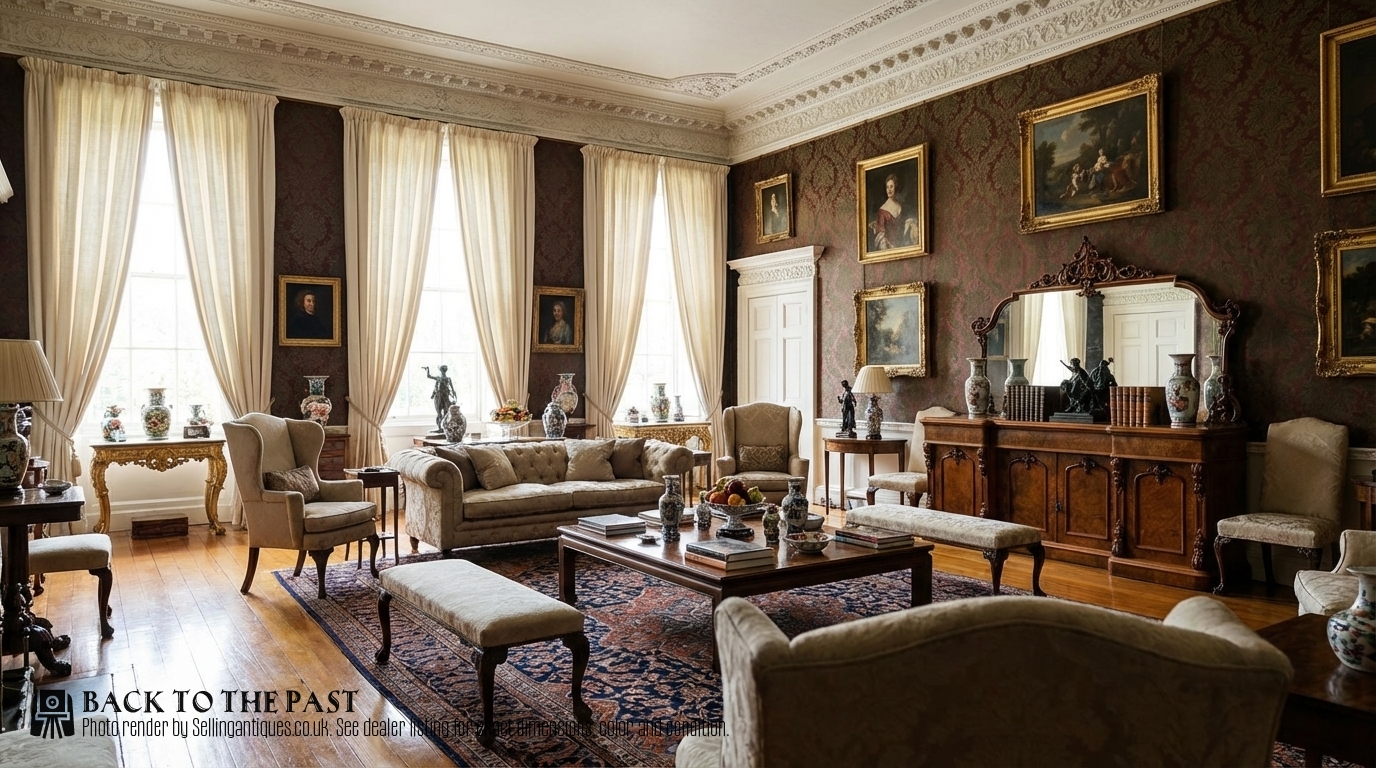
How they were made
Cabinet makers utilised solid mahogany, rosewood, oak and pine timbers, frequently selecting highly figured flame veneers for primary surfaces and drawer fronts. Secondary woods such as oak and pine provide structural stability inside drawers and carcases.
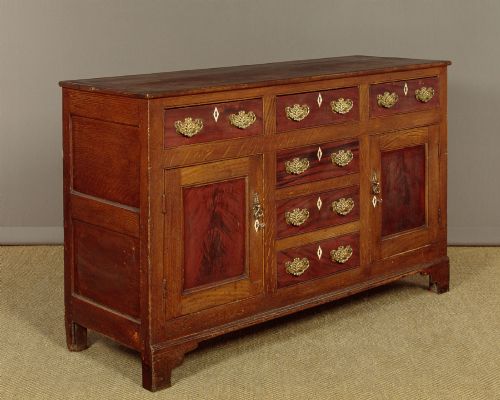
Construction techniques include hand-cut dovetails for drawer boxes and pegged joints in oak country pieces, alongside turned columns, barley twist supports and carved scrolls reflecting contemporary tastes.
Early Victorian Sideboard Retail Price Guide 2026
Typical asking prices for early victorian sideboard among the pieces listed under this phrase on Sellingantiques today, from the lower quarter to the upper quarter. They describe what is for sale here now, not the wider market.
The archive includes monumental breakfront serving tables as well as diminutive scholar desks and narrow chiffoniers.
What varies in quality
Quality rests primarily on the choice of timber figure, such as exceptional flame grain or rich rosewood, and the crispness of carved details like Corinthian columns or scrolling consoles. Finer pieces demonstrate careful book-matching of veneers across large cupboard doors and breakfront facades.
Proportion and scale distinguish standard workshop production from superior commissions. Pieces exhibiting exceptionally small dimensions or grand architectural presence show the maker's ambition and command higher regard.
Holland and Sons·Gillows
The Early Victorian Sideboard Glossary
- Chiffonier
- A low cabinet featuring enclosed shelves beneath, often surmounted by a raised superstructure or mirror back. These compact pieces served smaller rooms as side servers.
- Flame Mahogany
- A prized mahogany veneer showing a distinctive flickering flame pattern produced by cutting through burls or fork joints in the timber. It defines the surface character of many high-status nineteenth-century pieces.
- Pedestal Sideboard
- A heavy form comprising two large end cupboards supporting a central serving table or drawer section. This architectural arrangement dominates formal dining room furniture of the era.
- Dresser Base
- A low rectangular cabinet fitted with drawers and cupboards, rooted in vernacular country furniture traditions. Pine and oak examples often display a simpler utility than urban formal furniture.
- Peg Joint
- A traditional method of securing mortise and tenon joints using wooden dowels rather than metal fasteners. This technique appears frequently in country oak furniture.
Early Victorian Sideboard: Frequently Asked Questions
How do I tell early victorian from regency?
Early victorian furniture often shows slightly heavier proportions and softer, more rounded carving compared to the crisp classical lines of the Regency period. Timber choices shifted towards rich flame mahogany and rosewood.
Cabinet makers also began incorporating architectural revivals like Jacobean details alongside late Regency influences during the 1840s.
Where should I place a sideboard?
A sideboard works best against a dining room wall where it can serve food and display decorative ceramics or silver. Smaller chiffoniers also suit living rooms and large hallways.
Ensure you measure the depth and width carefully, as pedestal and breakfront models require considerable floor space to breathe.
What is the difference between a chiffonier and a sideboard?
A chiffonier is typically smaller and lower than a formal sideboard, frequently featuring a raised shelf or back panel. They originated as compact serving cabinets for smaller parlours.
Sideboards are generally broader, heavier pieces intended for substantial dining rooms with dedicated cupboard space for heavy tableware.