



Early Staffordshire Pottery
Early staffordshire pottery brings domestic earthenware figures, transfer-printed jugs and patterned plates from the eighteenth and nineteenth centuries into daily spaces.
Early Staffordshire Pottery
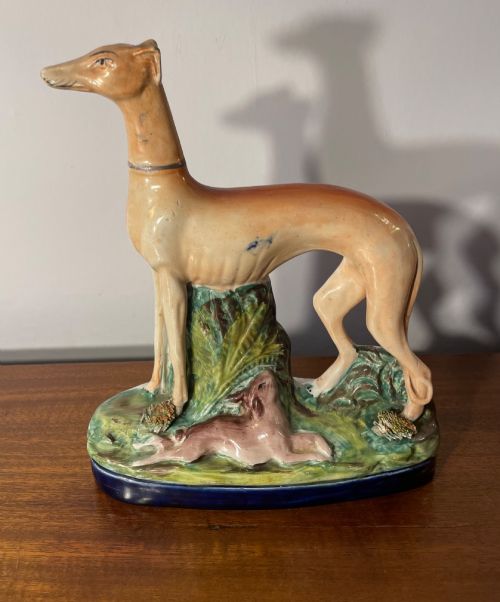
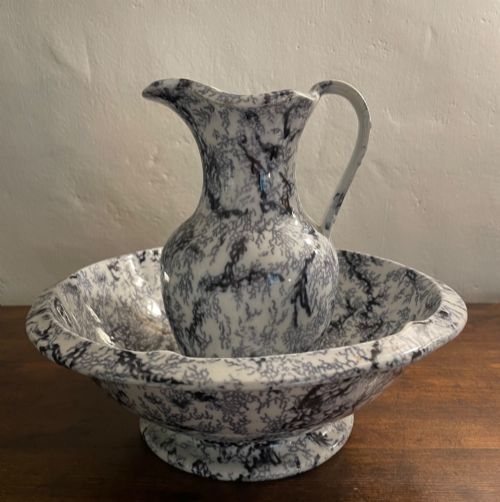
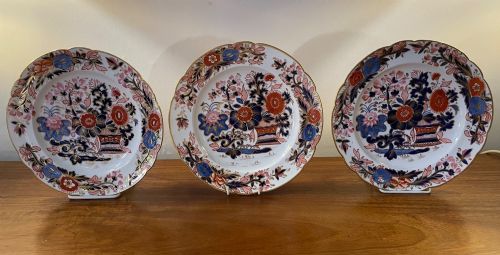
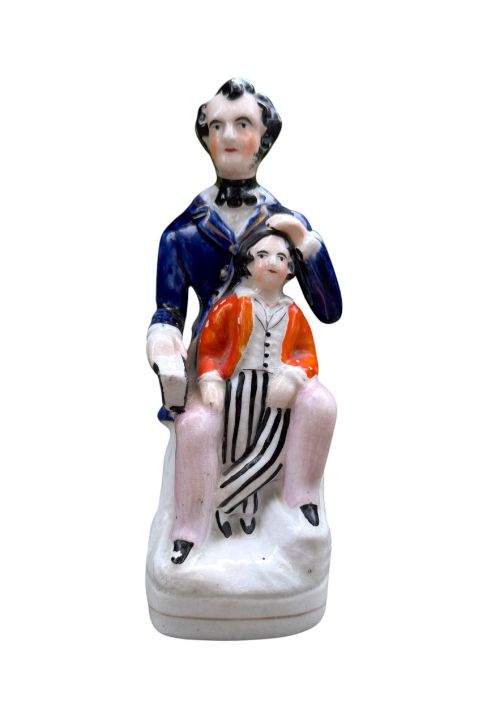
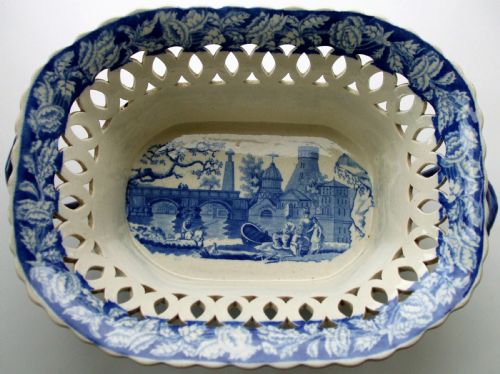
When someone searches for early staffordshire pottery, they encounter a diverse array of ceramic objects spanning the Georgian and Victorian eras. These range from functional tableware such as cream jugs, soup ladles and chestnut baskets to sculptural figures, animals and architectural money boxes. The most frequent pieces met on this page include pearlware animal groups, transfer-printed blue and white plates, and earthenware jugs finished with copper lustre or enamel paint.
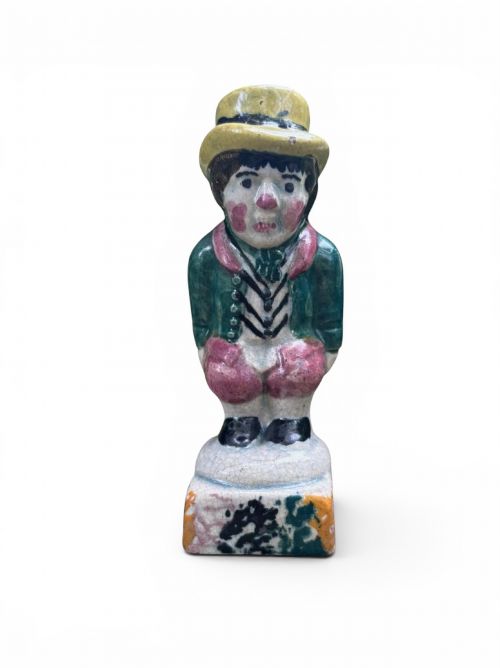
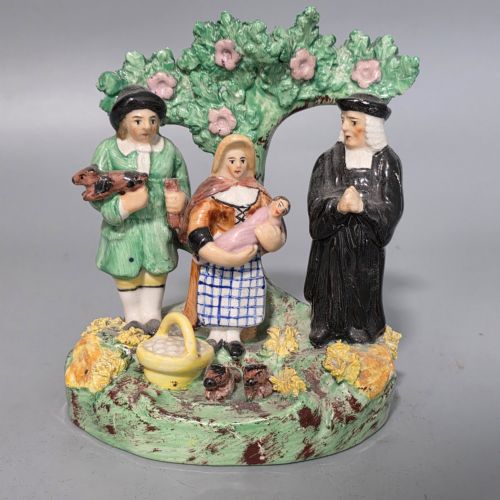
The sculptural works depict domestic and exotic creatures, human subjects including historical figures and shepherd boys, and literary groupings. Functional items often display scenic views, floral patterns or Imari palettes. The range demonstrates both the utilitarian output of regional potteries and the decorative ambitions of nineteenth-century mantelpieces.
Materials and methods of production
The primary ceramic body in these items is earthenware, alongside specialised bodies like pearlware and creamware that offered a whiter or warmer ground for decoration. Makers applied lead glazes to seal the porous clay, sometimes incorporating enamel paint, gilding or lustre finishes to add colour and metallic sheen. Transfer printing allowed intricate blue, mulberry or black patterns such as river scenes and botanical motifs to be transferred onto plates, jugs and bowls.
Moulding techniques shaped three-dimensional figures like lions, dogs, birds and human groups, often finished with hand-painted details. Distinctive surface treatments such as cabbage leaf moulding provided texture to jugs, while sponge-ware and Prattware techniques introduced layered pigments directly onto the ceramic body.
Pug dogs, sheep with lambs, lions and poddles populate the mantelpiece forms preserved from the nineteenth century.
Distinctions in craftsmanship
The application of enamel colours and lustre pigments further separates standard production wares from superior examples. Skilled brushwork on floral or figural details preserves vibrancy and prevents bleeding into the glaze, elevating the visual impact of the finished ceramic object.
J. and R. Clews·Enoch Wood factory·Walton
The Early Staffordshire Pottery Glossary
- Pearlware
- A refined earthenware developed in the late eighteenth century featuring a bluish-tinted lead glaze that pooled in recesses to create a whiter appearance than creamware. It served as the primary canvas for many early nineteenth-century figures and blue-printed tableware.
- Creamware
- A fine earthenware with a warm, pale yellow or cream-coloured lead glaze pioneered during the eighteenth century. This body provided a smooth surface for painted and moulded vessels before pearlware gained widespread popularity.
- Transfer printing
- A decoration technique where an engraved copper plate transferred an inked design onto tissue paper, which was then pressed onto the ceramic surface. This process allowed complex scenes and patterns to be replicated consistently across plates, jugs and basins.
- Prattware
- A type of early earthenware decorated with limited underglaze metal oxide colours such as blue, ochre, brown and green. It is frequently associated with figures, plaques and utilitarian vessels produced around the turn of the nineteenth century.
- Lustreware
- Earthenware finished with a metallic glaze that produced a copper, silver or purple sheen when fired in a reducing atmosphere. This reflective surface added a decorative accent to cream jugs, teaware and decorative vessels.
Early Staffordshire Pottery: Frequently Asked Questions
What is pearlware?
Pearlware is a refined earthenware body developed in the late eighteenth century to imitate Chinese porcelain. It uses a thin lead glaze with a slight bluish tinge that settles in crevices.
This subtle tint made the underlying ceramic appear whiter than earlier creamware bodies. It forms the base for many nineteenth-century figures and blue-printed plates.
How were transfer printed pieces made?
Transfer printing involved engraving a copper plate with a detailed design, such as a river scene or Chinese garden. Coloured ink was applied to the plate and transferred onto tissue paper.
The paper was then pressed onto the unfired or biscuit ceramic to transfer the pattern before glazing and firing. This technique allowed intricate designs to be produced consistently.
Where were these pieces displayed?
Figurines and animal groups were typically arranged on mantelpieces, sideboards and open shelving within nineteenth-century homes. Their colourful glazes and sculptural forms provided visual interest in domestic parlours.
Tableware items like jugs, basins and chestnut baskets were used actively in dining rooms and bedrooms. They served both functional daily roles and decorative display purposes.