
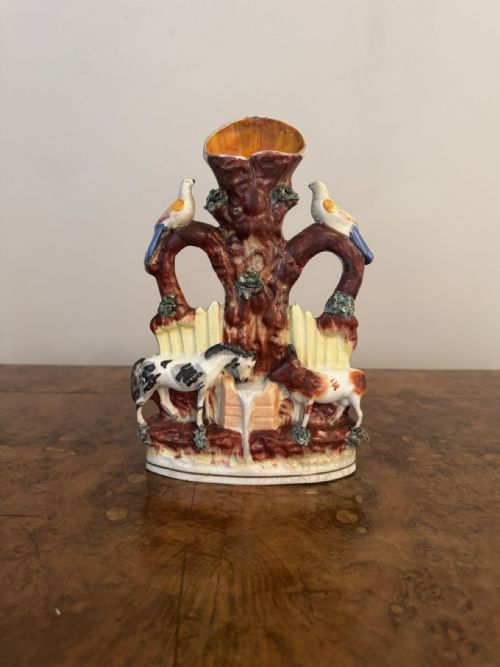
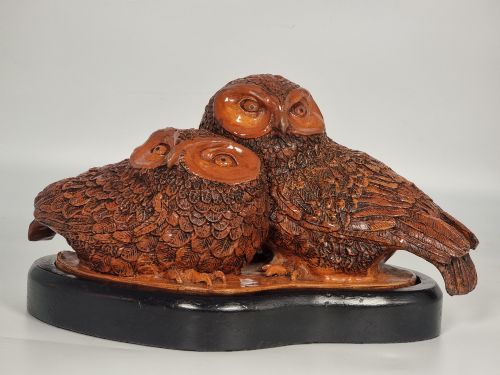
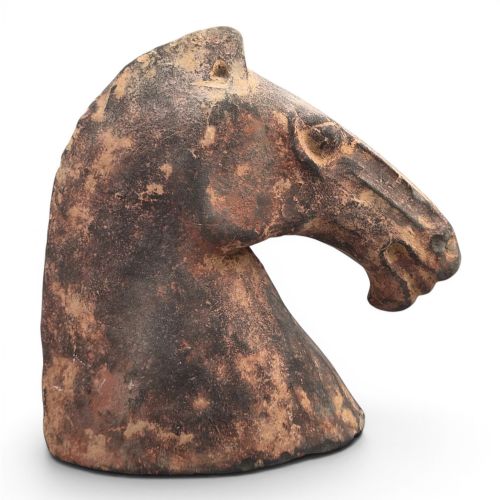


Brown Earthenware Figure
Brown earthenware figure pieces bring tangible antiquity to a room, ranging from Victorian Staffordshire dogs to ancient terracotta forms.
Brown Earthenware Figure
A brown earthenware figure encompasses a diverse array of ceramic sculptures, decorative objects, and pottery animals created across various global traditions and centuries. When exploring this selection, buyers frequently encounter Victorian Staffordshire lions, spaniels, and greyhounds alongside continental earthenware pieces and ancient terracotta works.
The physical forms span from functional spill vases, mugs, and bookends to pure decorative figurines and sculptural groups depicting animals, human characters, and mythological subjects. These items bridge domestic mantelpiece ornament and historical artefact, reflecting the aesthetic preferences of periods from the Georgian era through to the early twentieth century.
How they were made
Makers shaped these pieces using earthenware clay bodies, terracotta, and pearlware, often applying lead glazes, treacle glazes, or enamel pigments to achieve rich surface depths. Many regional pottery traditions utilised mould-casting or hand-sculpting techniques before firing the clay in kilns.
Surface details frequently involved applied elements, painted polychrome decoration, or lustrous glaze runs characteristic of specific potteries and periods, such as the glossy brown finishes seen on nineteenth-century Staffordshire lions.
Current listings feature earthenware figures spanning the Georgian era, the Victorian period, and early twentieth-century studio pottery.
What varies in quality
The distinction between standard commercial output and finer studio or workshop pieces lies in the articulation of the sculptural work, whether handling an animal's posture or a human figure's drapery, reflecting the skill of the modeller and potter.
Rockingham Pottery·Inoue Ryōsai Workshop·Ralph Wood·Lancaster and Sons·Friedrich Goldscheider·Rozenburg·Bernard Bloch
The Brown Earthenware Figure Glossary
- Earthenware
- Porous pottery fired at lower temperatures, requiring a glaze to achieve impermeability. It forms the core material for the vast majority of historical figures and Staffordshire animals.
- Treacle glaze
- A dark, translucent brown glaze yielding a glossy, treacle-like finish. It appears frequently on nineteenth-century Staffordshire lions and utilitarian wares.
- Spill vase
- A hollow cylindrical holder attached to a figure, designed to hold wooden spills for lighting pipes or candles. These combine domestic utility with decorative animal or human modelling.
- Terracotta
- Unglazed or slipped fired clay possessing a natural brownish-red earthy tone. It is utilised across ancient traditions and later European sculptural works.
- Pearlware
- A refined earthenware developed in the eighteenth century featuring a thin glaze with a faint bluish tinge. It served as a popular canvas for early Staffordshire and factory figures.
Brown Earthenware Figure: Frequently Asked Questions
How do I date a Staffordshire dog?
Dating relies on stylistic markers, base construction, and glaze characteristics. Earlier nineteenth-century examples often feature distinct modelling and rich colouring compared to later iterations.
Examination of the clay body and any painted or impressed marks provides further context for the period of manufacture.
What is a spill vase figure?
A spill vase figure integrates a hollow container beside or behind the main subject, such as a deer or bird. Households used these to store wooden spill sticks for transferring fire from the hearth.
They represent a practical domestic accessory disguised as an ornamental ceramic sculpture.
Are these figures glazed or unglazed?
Most pieces feature lead, treacle, or enamel glazes applied over the earthenware body to seal the porous clay and provide colour. Some ancient or sculptural examples utilise unglazed terracotta or painted surfaces.
The choice of finish depends entirely on the period and the workshop traditions of the maker.
How should I display earthenware figures?
These pieces suit stable surfaces away from high-traffic edges, such as mantelpieces, bookshelves, or dedicated display cabinets. Ensuring they rest on secure foundations protects their projecting elements and glazes.
Stable indoor environments without extreme humidity fluctuations help preserve the ceramic material.