

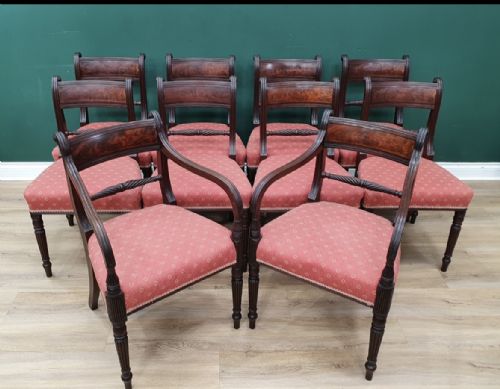
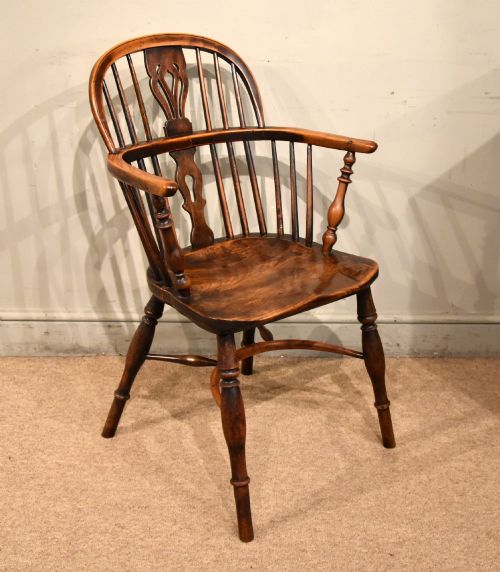
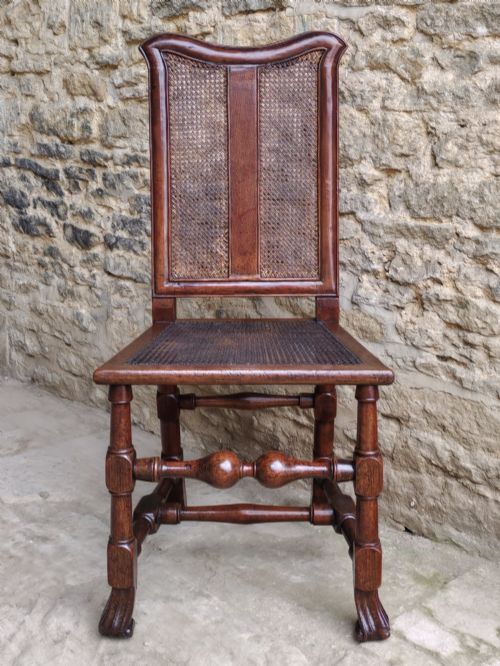
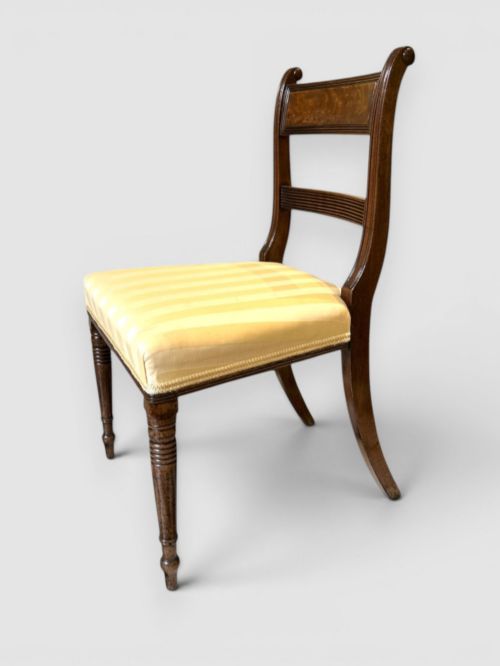
Early Georgian Chairs
Early georgian chairs bring centuries of refined joinery and domestic history directly into a room, offering both robust country craft and urban elegance.
Early Georgian Chairs
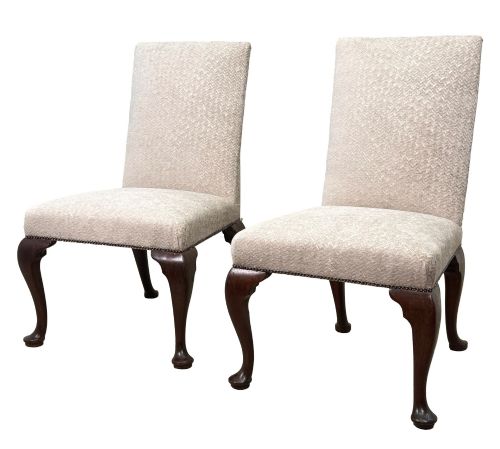
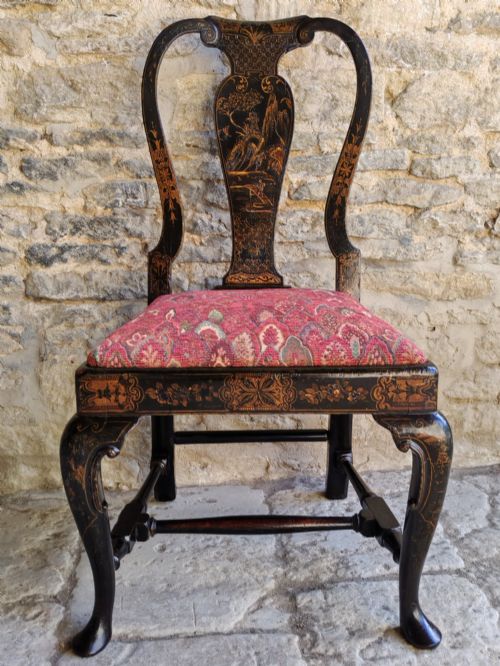
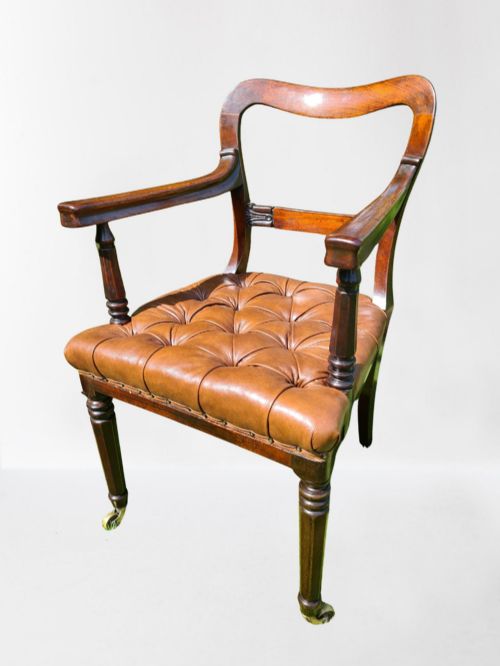
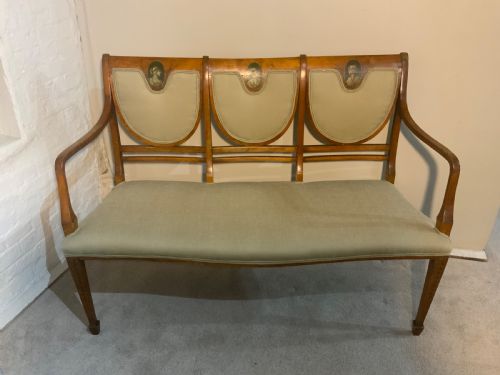
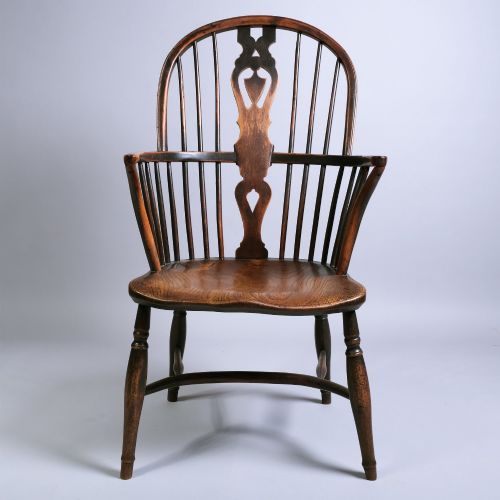
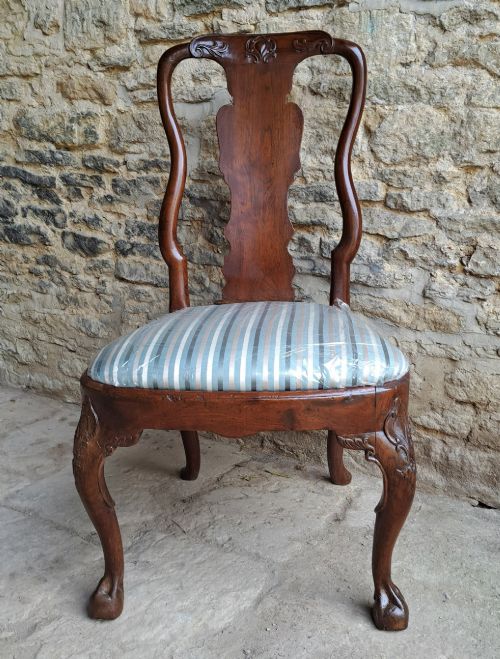
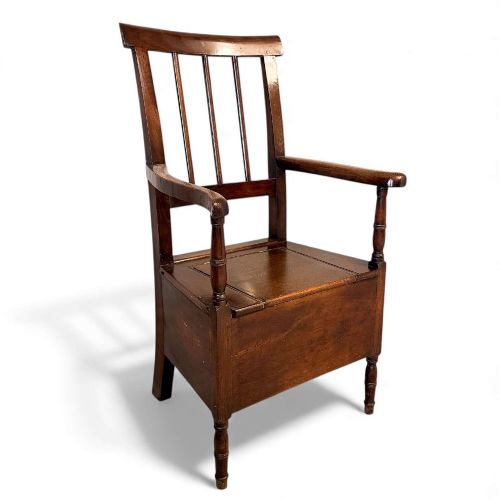
Early georgian chairs encompass seating forms created during the 18th century, drawing on styles associated with Queen Anne and George I reigns. A buyer searching for early georgian chairs encounters side chairs, armchairs, and dining sets constructed from dense domestic timbers.
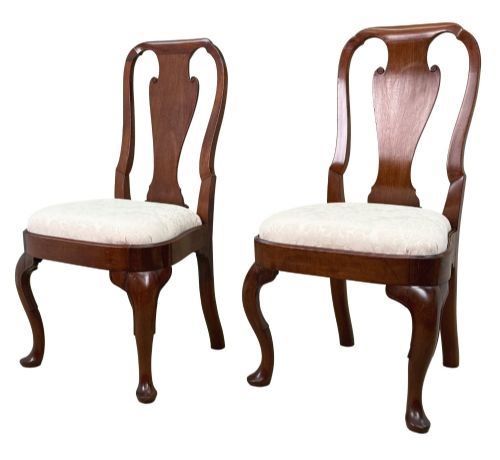
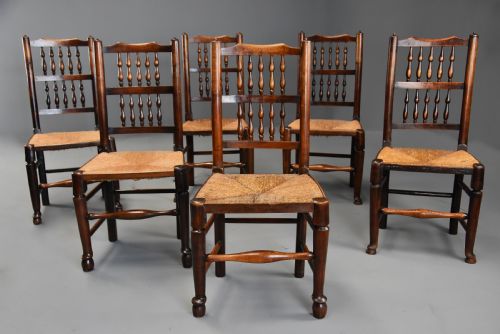
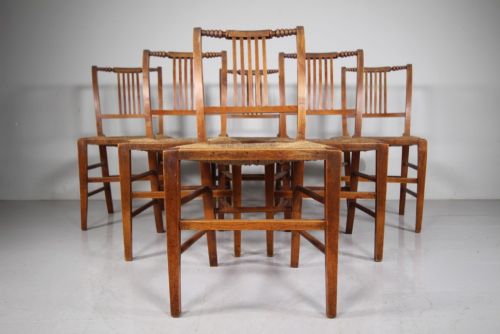
The selection ranges from urban walnut and mahogany examples featuring cabriole legs to regional vernacular pieces made from elm, oak, ash, and fruitwood. Many surviving pieces bridge the gap between formal townhouses and country farmhouses.
Makers of this era utilised traditional frame construction, often incorporating drop-in seats, solid splats, and robust stretchers to ensure longevity.
Materials and construction methods
Walnut and mahogany provided the primary mediums for formal urban seating, while regional craftspeople turned to native timbers such as elm, ash, and oak for country seating. Carpenters joined structural components using mortise and tenon joints secured with wooden pegs.
Surface treatments included wax polishing and oiling to highlight the grain of red walnut, yew wood, and fruitwood. Rush seating and fabric upholstery completed the functional elements of these domestic objects.
Some early chairs feature crinoline stretchers designed to keep silk skirts clear of dusty rushes.
Factors of craftsmanship and survival
Quality in early georgian chairs depends upon the integrity of the original timber and the restraint exercised during past repairs. Pieces retaining their primary finish and structural stability command greater attention than those with extensive replacements.
The fluidity of the carved splat, the crispness of cabriole leg shaping, and the snugness of frame joints distinguish superior examples from standard utilitarian items.
The Early Georgian Chairs Glossary
- Cabriole leg
- A furniture leg that curves outward at the knee and tapers inward toward the ankle, mimicking an animal's limb. This form gained widespread popularity during the early 18th century.
- Drop-in seat
- A removable frame upholstered separately and dropped into a recess within the chair rails. It allowed for easier recovering over generations of use.
- Splats
- The vertical wooden strip down the centre of a chair back. Early examples frequently utilised a solid vase or fiddle shape.
- Windsor chair
- A wooden chair constructed with a thick seat slab into which the legs, back spindles, and bow are separately bored. Regional variations include hoop back and stick back designs.
- Rush seat
- A seating surface woven from dried marsh rushes around a wooden frame. This technique appears frequently on country dining and armchair forms.
Early Georgian Chairs: Frequently Asked Questions
How do I identify early georgian chairs?
Look for structural markers such as cabriole legs, solid splats, and the use of dense timbers like walnut and early mahogany. These traits separate 18th-century forms from later 19th-century revival pieces.
Examine the underside and joinery for signs of age, tool marks, and consistent wear patterns that align with early manufacturing techniques.
Were these chairs used for dining?
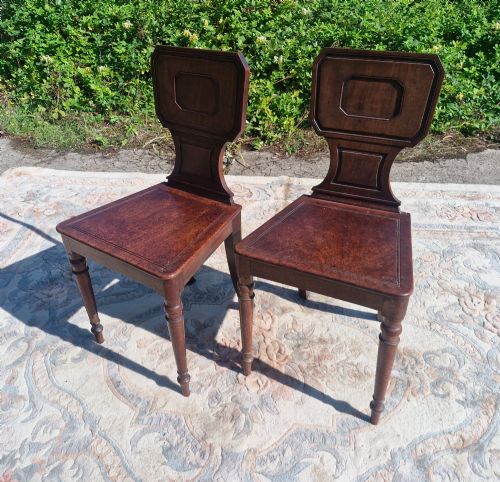
Many examples served as formal dining chairs, while others functioned as side chairs in parlours, bedrooms, or halls. Sets of dining chairs often included armchairs for the head of the table.
Single chairs and smaller pairs were frequently moved around rooms to accommodate guests as needed.
How should I care for antique wood?
Maintain a stable indoor environment away from direct heat sources and dramatic humidity fluctuations to prevent wood from splitting. Apply a microcrystalline wax sparingly to nourish the surface.
Avoid modern silicone polishes, which build up over time and attract dust to the historic grain.
What is the difference between urban and country chairs?
Urban pieces utilised imported mahogany or native walnut with sophisticated carved details and cabriole legs. Country variants relied on local woods like elm, ash, and fruitwood with spindle backs or rush seats.
Both categories fulfilled everyday seating needs but reflected the distinct resources available to regional joiners versus city cabinet makers.