


Early 20th Century Vitrine
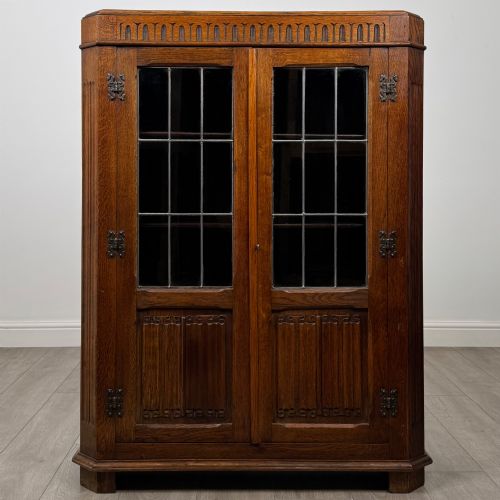
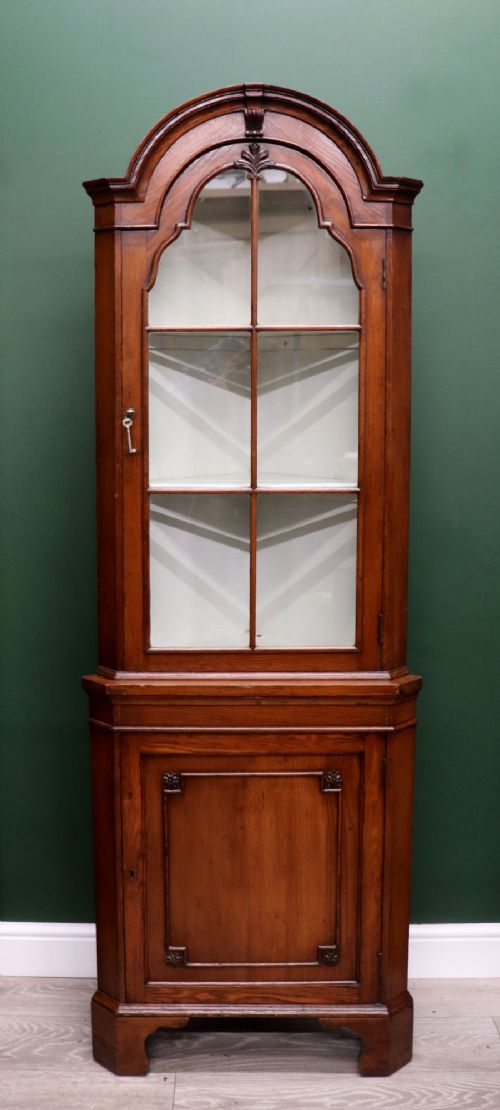
An early 20th century vitrine brings glass and timber together to frame precious objects, offering a clear view from every angle.
Early 20th Century Vitrine
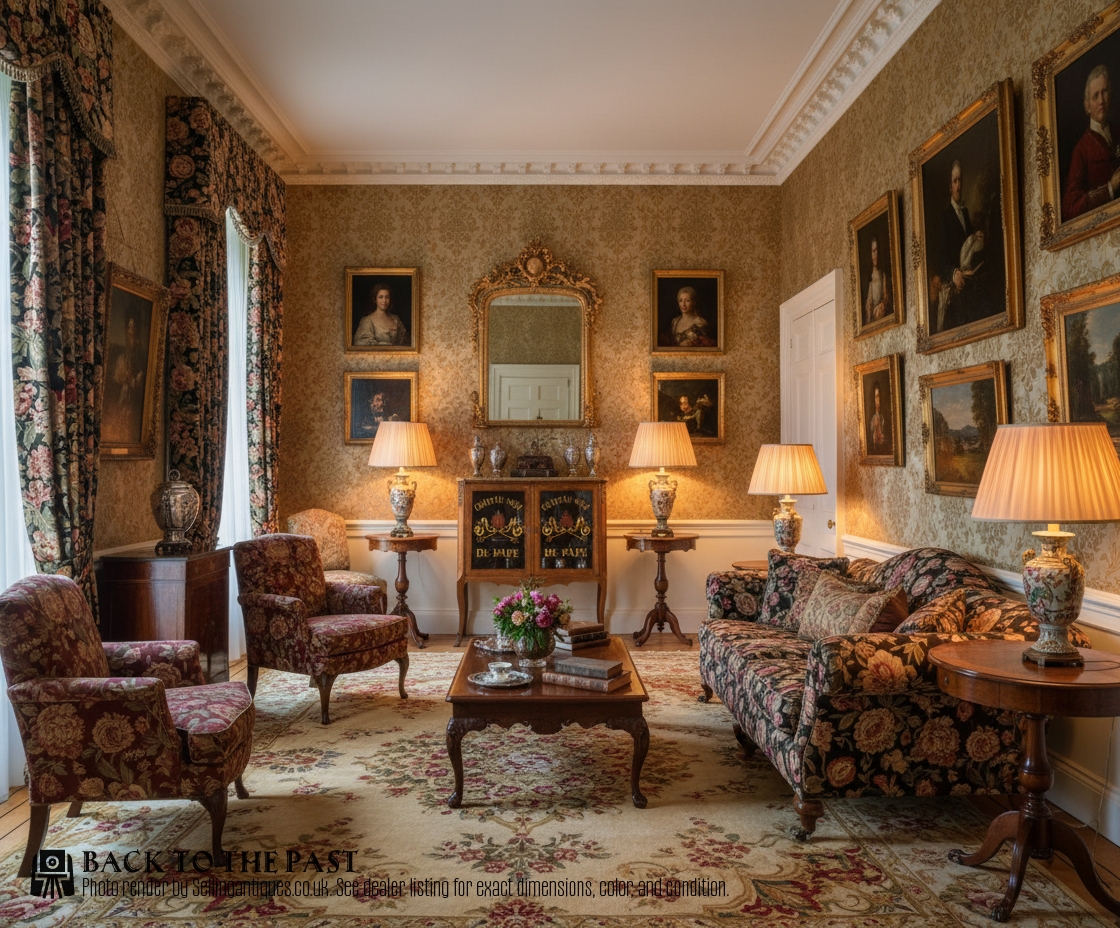
An early 20th century vitrine is a glazed cabinet designed primarily for the display of collectibles, porcelain, and small treasures. These pieces bring light and visibility into a room through glass panels set on multiple sides.
Buyers browsing this selection will encounter floor standing display cabinets, corner cabinets, and occasional counter-top showcases. The forms range from simple Edwardian oak frames to elaborate French style mahogany and kingwood pieces.
Origins span standard domestic furniture to commercial shop fittings, including glazed units originally utilised for confectionery or wine display. Pieces reflect revivalist movements such as Georgian, Queen Anne, and Louis XV styles alongside Art Nouveau curves.
How they were made
Construction relies on solid hardwoods and veneered carcases, with mahogany, oak, walnut, and kingwood forming the primary structures. Glass panels provide the main viewing area, held in place by wooden glazing bars or lead came.
Metal mounts in brass, bronze, and ormolu add structural highlights and decorative framing to doors and corners. Carved giltwood and painted finishes appear on specific continental revival items, while iron and brass hardware secure the opening sections.
Periods represented span Edwardian designs alongside pieces from 1900, 1910, 1920, and 1930.
What varies in quality
The standard of timber selection and cabinetmaking creates a clear distinction between utilitarian shop counters and domestic parlor showpieces. Finely figured veneers, careful dovetailing, and substantial bronze or ormolu mounts mark the upper tier.
Glass quality and framing also dictate overall merit, with bevelled panes and secure leadwork or brass framing showing greater artisan input. The integration of decorative carving, whether in oak or giltwood, determines the visual weight of the piece.
Quincy Showcase Works Illinois
The Early 20th Century Vitrine Glossary
- Ormolu
- Gilt bronze mounts applied to furniture for decorative effect. This technique was frequently utilised on French style cabinets.
- Kingwood
- A dense, richly figured tropical timber often used as a veneer in high-end cabinetmaking. It produces distinctive dark banding and grain patterns.
- Glazing bar
- The wooden or metal strip that holds individual panes of glass within a sash or door. Narrower bars allow for greater visibility.
- Corner cabinet
- A storage or display unit built with an angled rear profile to fit snugly into the corner of a room.
Early 20th Century Vitrine: Frequently Asked Questions
What is an early 20th century vitrine used for?
These cabinets serve to display ceramics, glassware, silver, and other collected items safely behind glass panels while keeping dust at bay. They allow objects to be viewed clearly from multiple angles in a domestic interior.
Historically, similar glazed units also functioned in commercial settings to showcase goods such as chocolate or wine bottles to retail customers.
How do I clean an antique glass cabinet?
Use a soft microfibre cloth and a mild glass cleaner sprayed onto the cloth rather than directly onto the glass. This prevents moisture from seeping into timber frames or antique leadwork.
Take care around delicate wood finishes, brass mounts, and painted lettering so that cleaning solutions do not degrade the surfaces.
How do I tell different styles apart?
Edwardian and early 20th century commercial pieces often favor straightforward oak or mahogany construction with minimal ornamentation. Revival styles draw on earlier eras, featuring French Louis XV curves, kingwood veneers, or ormolu mounts.
Art Nouveau examples introduce organic, flowing lines into the woodwork, while Arts and Crafts pieces emphasise honest construction and simpler joinery.
Where should I place a corner cabinet?
A corner cabinet fits neatly into empty room junctions, making efficient use of floor space that standard rectangular furniture cannot occupy. They work well in dining rooms or drawing rooms to house collections without blocking natural pathways.
Ensure the floor is level so that the glazed doors hang true and open smoothly without catching on the frame.