



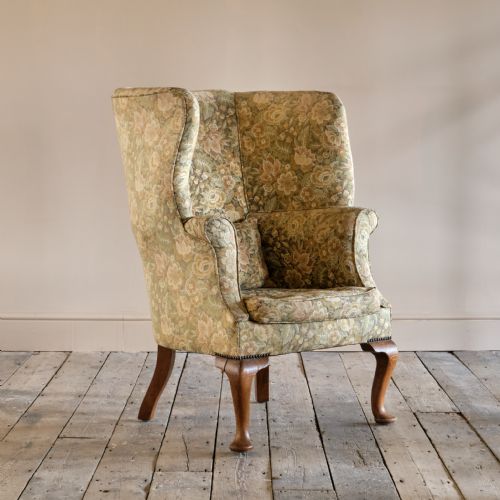
Early 20th Century Chair
When choosing an early 20th century chair, you acquire a practical seat that bridges traditional craft and modern design.

Early 20th Century Chair
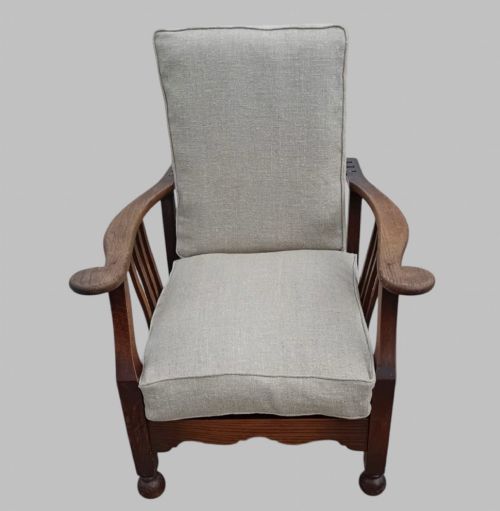
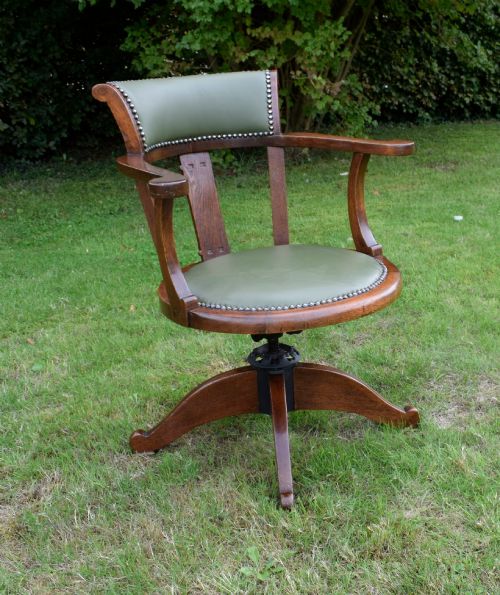
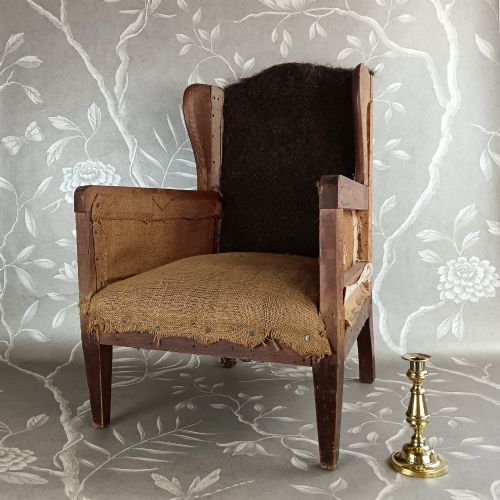
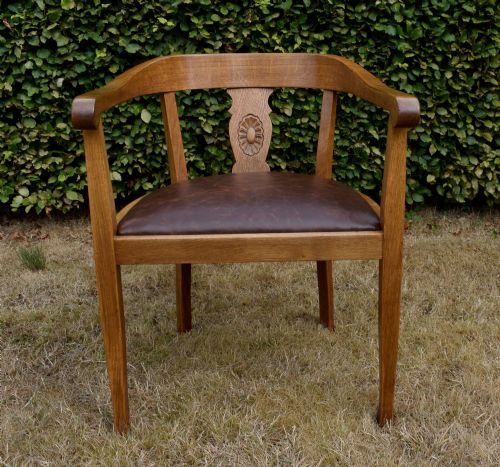
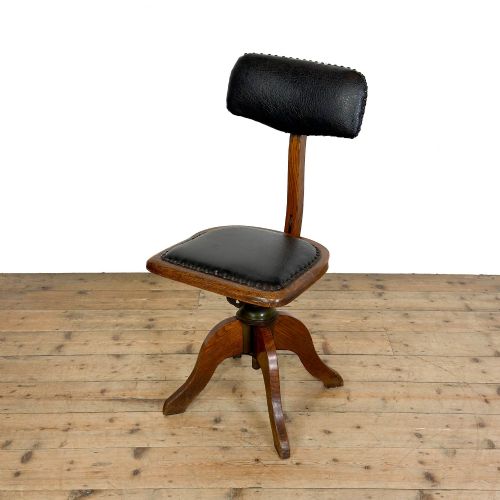
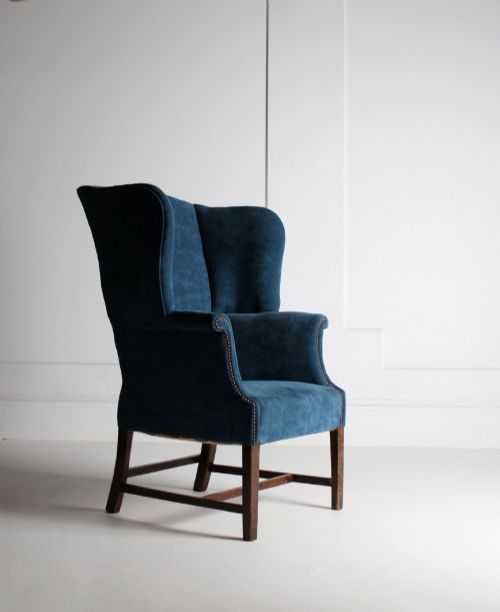
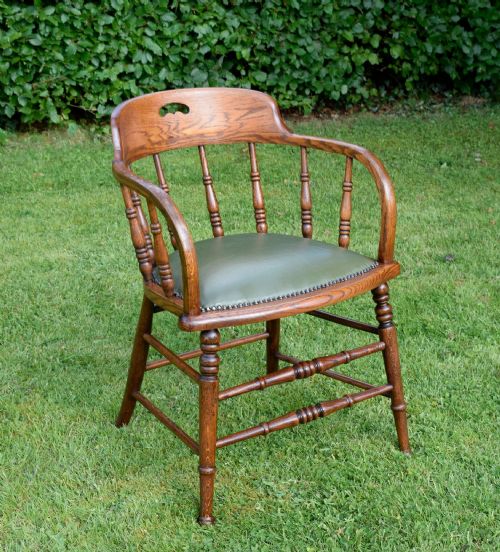
An early 20th century chair encompasses a vast array of seating forms designed between the late Victorian era and the 1930s, reflecting changing domestic, office and industrial needs. Buyers examining this category encounter everything from heavy oak swivel desk chairs and revolving library seats to upholstered wingbacks and wicker conservatory furniture.
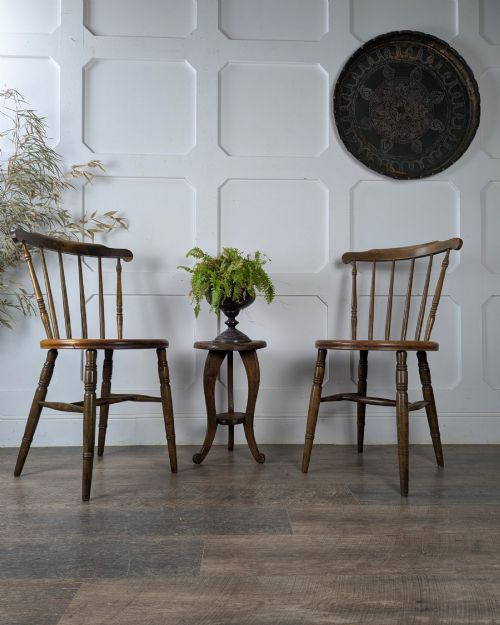
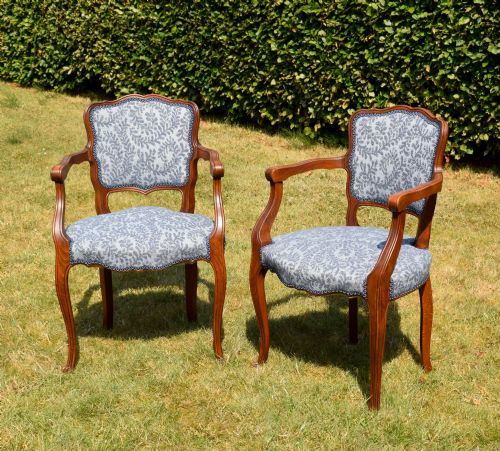
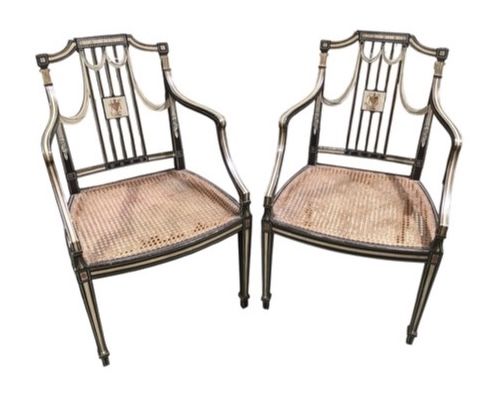
The selection frequently highlights utilitarian workshop and office seating alongside formal revival styles rooted in Georgian or French aesthetics. Common domestic variants include dining sets, rocking chairs, and deep-seated club chairs built for comfort.
Origins span British provincial workshops, European ateliers, and commercial factories, providing distinct regional interpretations of the period's dominant styles.
How They Were Made
Construction relies heavily on durable hardwoods like oak and mahogany, supplemented by beech, walnut, and birch for specific structural or aesthetic demands. Metal elements, including cast iron and brass, appear frequently in industrial workshop stools and swivel desk mechanisms.
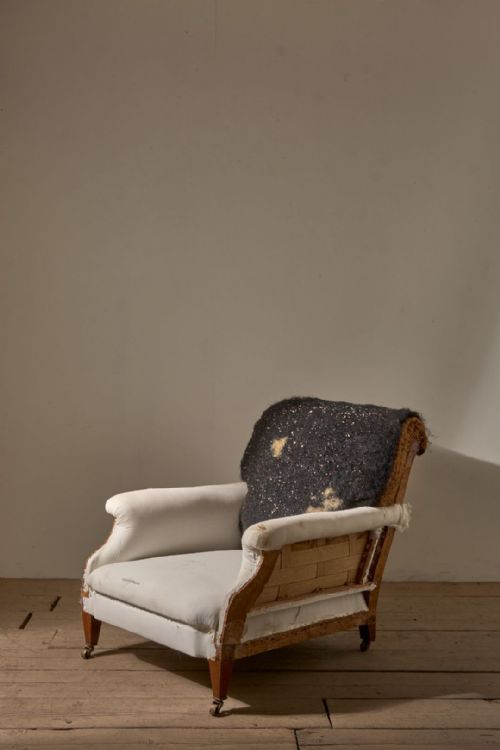
Upholstery techniques utilise traditional stuff-over methods with leather, fabric, velvet, or cane inserts. Frame assembly combines mortise and tenon joinery with bentwood shaping and turning, depending on whether the piece originates from a rural workshop or a commercial factory.
Early 20th Century Chair Retail Price Guide 2026
Typical asking prices for early 20th century chair among the pieces listed under this phrase on Sellingantiques today, from the lower quarter to the upper quarter. They describe what is for sale here now, not the wider market.
One exceptional chair advertised matches of soap directly to the public through its shop advertising panels.
What Varies in Quality
The distinction between ordinary and superior pieces rests upon the integrity of the timber selection and the precision of the joinery. Fine examples demonstrate crisp carving, harmonious proportions, and original mechanical components that operate smoothly.
Surface finish and the preservation of original upholstery materials or patinated leather heavily influence the standing of a piece within the range. Workshop marks, stamps, and documented provenance further separate standard utilitarian seating from exceptional designer output.
Jacob and Josef Kohn·Dryad And Co·Anton Rosen·Wheelers of Arncroach·E A Taylor·Watsons Matchless Soap·Evertaut·Singer
The Early 20th Century Chair Glossary
- Wingback
- A seating form featuring protective side panels designed to shield the occupant from draughts. These chairs frequently utilise deep upholstery and roll arms.
- Bentwood
- A technique involving the steaming of timber to bend it into curved structural shapes. This method defines lightweight chairs and rocking seats from the period.
- Swivel
- A mechanical base allowing the seat portion to rotate on a central axis. These mechanisms are standard on office and desk chairs.
- Bergere
- An enclosed armchair featuring woven cane panels on the back and sides. The frames are typically constructed from polished hardwoods.
- Gainsborough
- A wide, open armchair with upholstered armrests, a padded seat, and a low back. These pieces are typically executed in mahogany and reflect earlier revival styles.
Early 20th Century Chair: Frequently Asked Questions
How do I identify a desk chair from this era?
Desk chairs from this period typically feature swivel mechanisms, timber revolving seats, and robust oak or mahogany frames designed for office use. Many incorporate adjustable height screws or tilting backs.
Look for manufacturer stamps on the underside or metal mechanisms, which often indicate commercial production origins from the early decades of the twentieth century.
Are these chairs suitable for daily use?
Most seating options from this timeframe were constructed for heavy daily utility in offices, kitchens, or country houses. Solid hardwood frames and sturdy joinery ensure they withstand modern domestic life.
Upholstered variants may require inspection of internal webbing and padding to guarantee comfort during prolonged sitting.
What defines Arts and Crafts seating?
Arts and Crafts chairs emphasise visible construction methods, plain oak timbers, and straightforward, functional designs. Decoration is minimal, favouring the natural grain of the wood over ornate carving.
These pieces often appear as dining sets, rocking chairs, or reclining armchairs originating from British schools and workshops.
How do I spot a revival style?
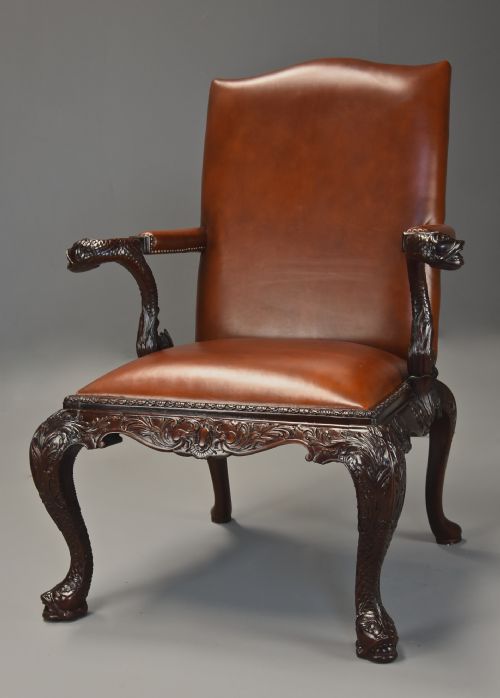
Revival pieces borrow decorative motifs from earlier periods such as the Georgian, Louis XV, or Chippendale eras. They combine historical aesthetic details with the manufacturing methods of the early twentieth century.
Examine the secondary timbers and construction marks beneath the upholstery to confirm the true age of the frame.