






Early 20th Century Ceramics
These early 20th century ceramics span diverse global traditions, bringing decorative vases, lamps and figures from international kilns straight to the home.
Early 20th Century Ceramics
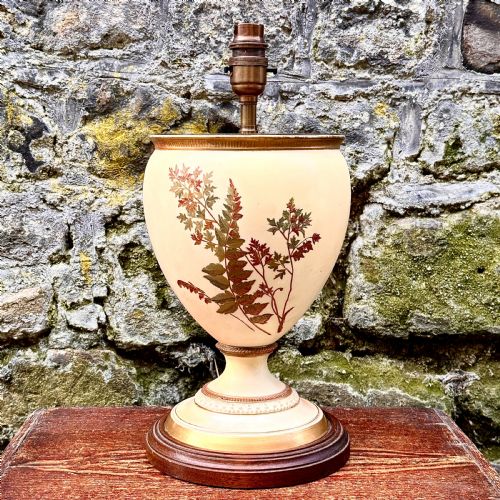
Early 20th century ceramics encompass a broad mix of decorative objects, from Edwardian table lamps and porcelain dishes to large earthenware vases and terracotta busts.
Domestic vessels sit alongside sculptural figures, studio pottery stick stands and wall plaques produced across the 1900s, 1910s, 1920s and 1930s.
How they were made
Potters shaped these items from porcelain, earthenware and terracotta, applying coloured glazes, enamel, gold leaf and bronzed slip casts to the surfaces.
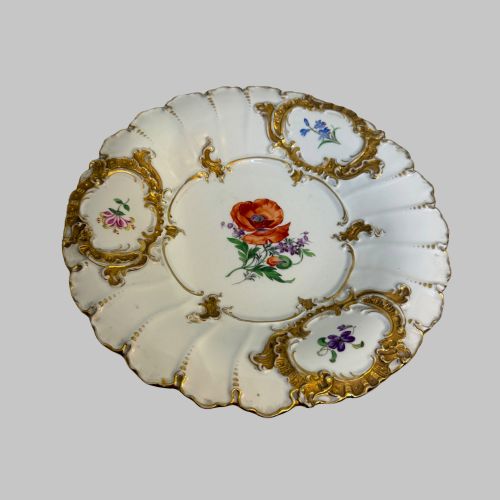
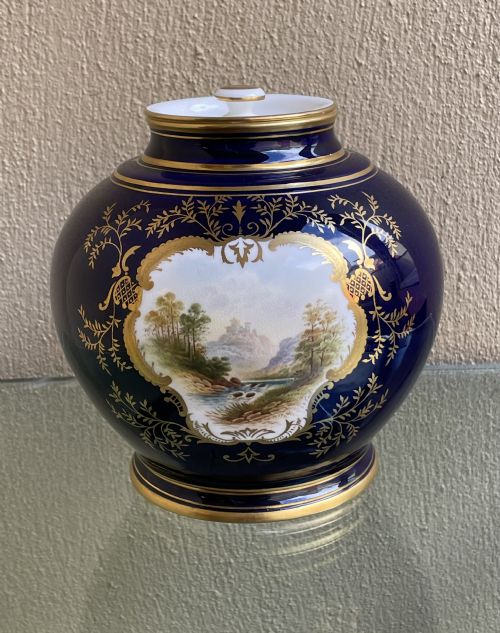
Many European and Asian pieces received hand-painted decoration, while others utilised moulded forms such as slip-cast figures and structural brass mounts.
Early 20th Century Ceramics Retail Price Guide 2026
Typical asking prices for early 20th century ceramics among the pieces listed under this phrase on Sellingantiques today, from the lower quarter to the upper quarter. They describe what is for sale here now, not the wider market.
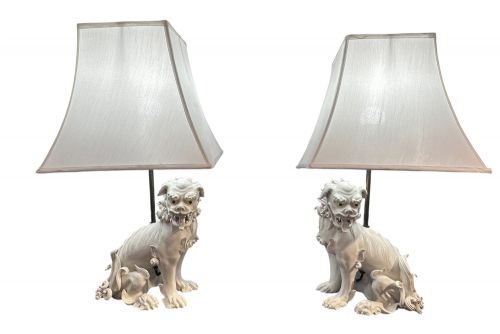
A porcelain ape and several lion dogs keep stern watch over the collection.
What varies in quality
Quality rests on the crispness of the modelled form and the precision of hand-painted details, distinguishing standard production runs from artist-designed works.
The depth and consistency of the glaze application, alongside the presence of signature factory marks or named designers, define the standing of each piece.
Koshida·Royal Worcester·Cauldon Ltd·Meissen·Friedrich Goldscheider·Coalport·Royal Dux·Dehua·Wedgwood·Ernst Wahliss·William Moorcroft·Georges Morin
The Early 20th Century Ceramics Glossary
- Blanc de Chine
- A white porcelain produced in Dehua, China, known for its milky glaze and frequently used for religious or figural sculptures.
- Majolica
- A type of earthenware coated with an opaque tin-glaze, allowing for brightly coloured painted decoration.
- Terracotta
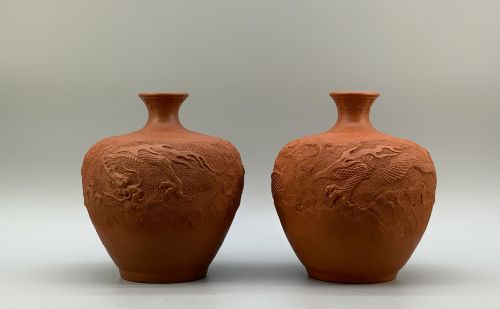
- A porous, unglazed or glazed red earthenware fired at relatively low temperatures, often utilised for portrait busts and garden planters.
- Satsuma
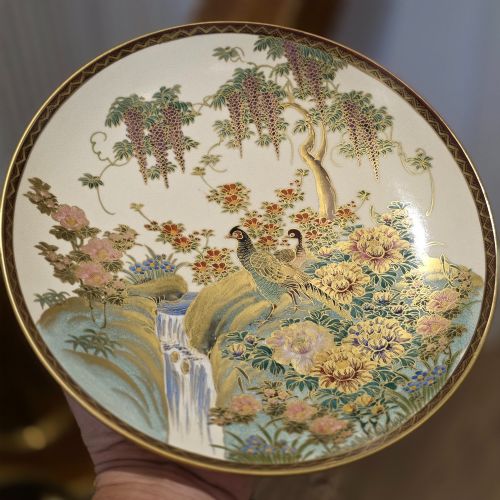
- A type of Japanese pottery with a crackled ivory-coloured glaze, heavily decorated with enamels and gilding.
- Slip cast
- A manufacturing technique where liquid clay is poured into a plaster mould to create complex shapes and hollow figures.
Early 20th Century Ceramics: Frequently Asked Questions
How do I identify a piece?
Examine the base for factory stamps, painted signatures or impressed marks left by the maker.
Style indicators like Art Nouveau curves or Edwardian motifs also help place the item within the correct decade.
Are these items waterproof?
While many vases and water vessels were designed to hold liquids, older glazes and terracotta bodies can be porous.
It is safest to use a discreet inner container if you plan to display fresh flowers in antique ceramics.
How do I clean ceramic lamps?
Dust the ceramic body gently with a dry, soft cloth to protect the painted or glazed surface.
Keep moisture away from any wired components and vintage brass mounts during cleaning.
Can I use a tea service?
Older tea sets and teapots are best regarded as display pieces rather than for daily dining use.
Glazes from this era may contain materials not rated for modern food safety standards.